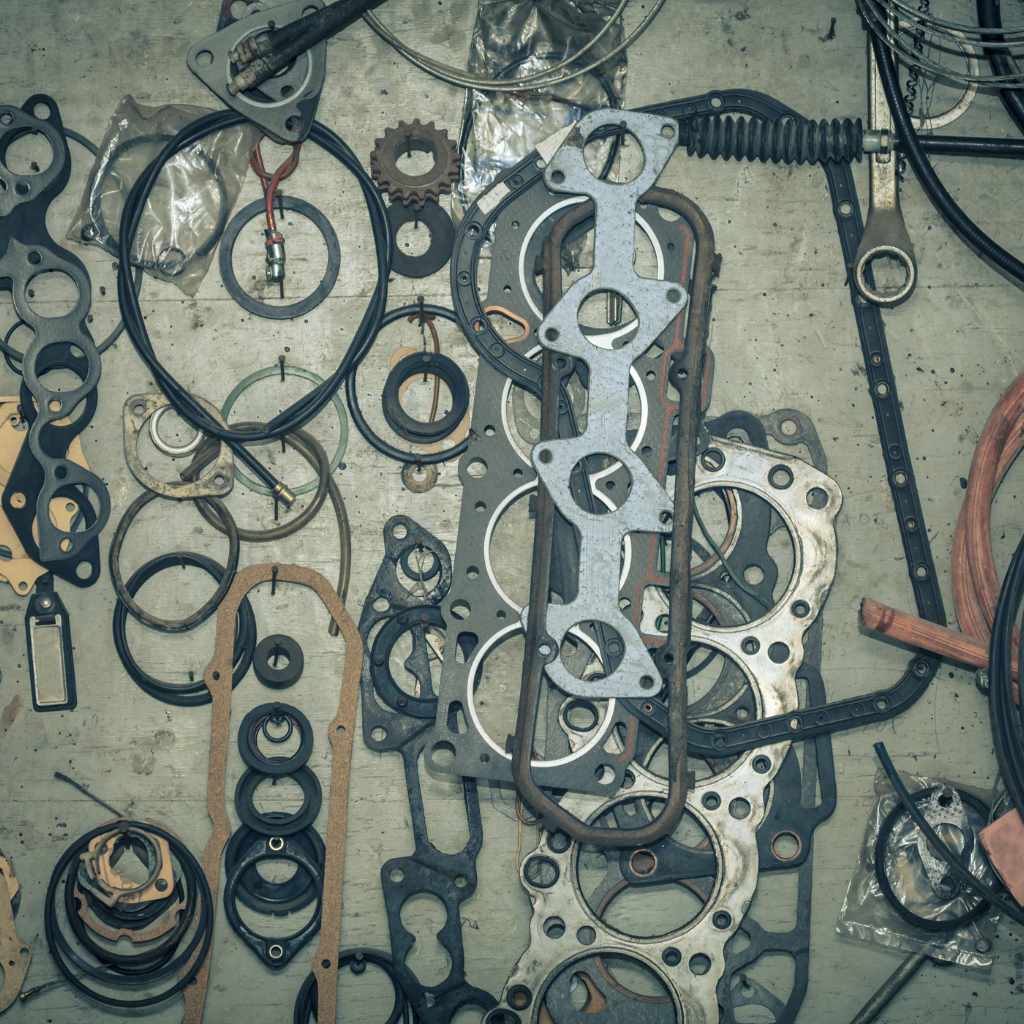
Are Seals And Gaskets Covered under Powertrain Warranty? Find Out Now!
When your vehicle’s engine or transmission starts acting up, you naturally want to know what’s covered under your powertrain warranty. But what about seals and gaskets?

Pretwad
16 Pcs Seal Ring Silicone Washer, Cone…
- Reliable Material: This silicone gasket drain pipe sealing ring & seal ring silicone washer is made of high-quality rubber, with h…
- Packaging content: You will receive 16 pieces of waste pipe seal ring rubber gasket washers, with sufficient quantity to meet your…
- Easy installation: Our silicone washer waste pipe seal ring & seal ring silicone washer is easy to install, please remember to tig…
As an Amazon Associate I earn from qualifying purchases.
These small parts play a big role in keeping your engine running smoothly. You might be wondering if repairs or replacements for these components will cost you extra or if they’re included in your warranty coverage. Understanding this can save you time, money, and frustration.
Keep reading to find out exactly how seals and gaskets fit into your powertrain warranty and what you need to watch for.
Powertrain Warranty Basics
Powertrain warranty basics help car owners know what parts are protected. It covers major components that make the vehicle move. Understanding this warranty helps avoid unexpected repair costs. It also shows which repairs might not be covered.
This warranty usually lasts longer than the basic warranty. It focuses on the engine, transmission, and drivetrain parts. Knowing what is included helps you plan for vehicle maintenance.
What Does Powertrain Warranty Cover
The powertrain warranty covers the engine and transmission. It also includes the driveshaft, differentials, and other parts that transfer power. Seals and gaskets are often part of these components. But coverage depends on the manufacturer’s policy. Some seals and gaskets may not be covered if they wear out naturally.
Importance Of Powertrain Warranty
This warranty saves money on expensive repairs. Powertrain parts are costly to fix or replace. The warranty gives peace of mind to car owners. It helps protect the vehicle’s most important systems. Regular maintenance keeps the warranty valid and the car running well.
Role Of Seals And Gaskets In Vehicles
Seals and gaskets are small parts with a big job in vehicles. They keep fluids like oil and coolant inside the engine and stop dirt and dust from getting in. Without them, engines could leak or break down. These parts help the engine run smoothly and last longer.
Seals and gaskets work quietly but are very important. They fit between engine parts to fill gaps and create tight seals. This prevents leaks and keeps pressure steady. Cars rely on these parts every mile they drive.
Function Of Seals And Gaskets
Seals and gaskets stop oil, coolant, and air from leaking. They hold fluids inside engines and transmissions. This helps parts stay lubricated and cool. They also keep dirt and dust out, protecting sensitive engine parts. Without seals and gaskets, engines could lose power and get damaged fast.
These parts also help maintain pressure. Proper pressure is needed for the engine and transmission to work right. Seals and gaskets keep this pressure steady by creating strong barriers. This leads to better engine performance and fuel efficiency.
Common Issues With Seals And Gaskets
Seals and gaskets can wear out over time. Heat, pressure, and age cause them to crack or shrink. This leads to leaks of oil or coolant. Leaks can cause engine overheating or damage.
Another issue is improper installation. If seals and gaskets are not placed correctly, they fail to seal properly. This can cause leaks and engine problems. Regular checks help find problems early. Fixing issues quickly prevents bigger damage and costly repairs.
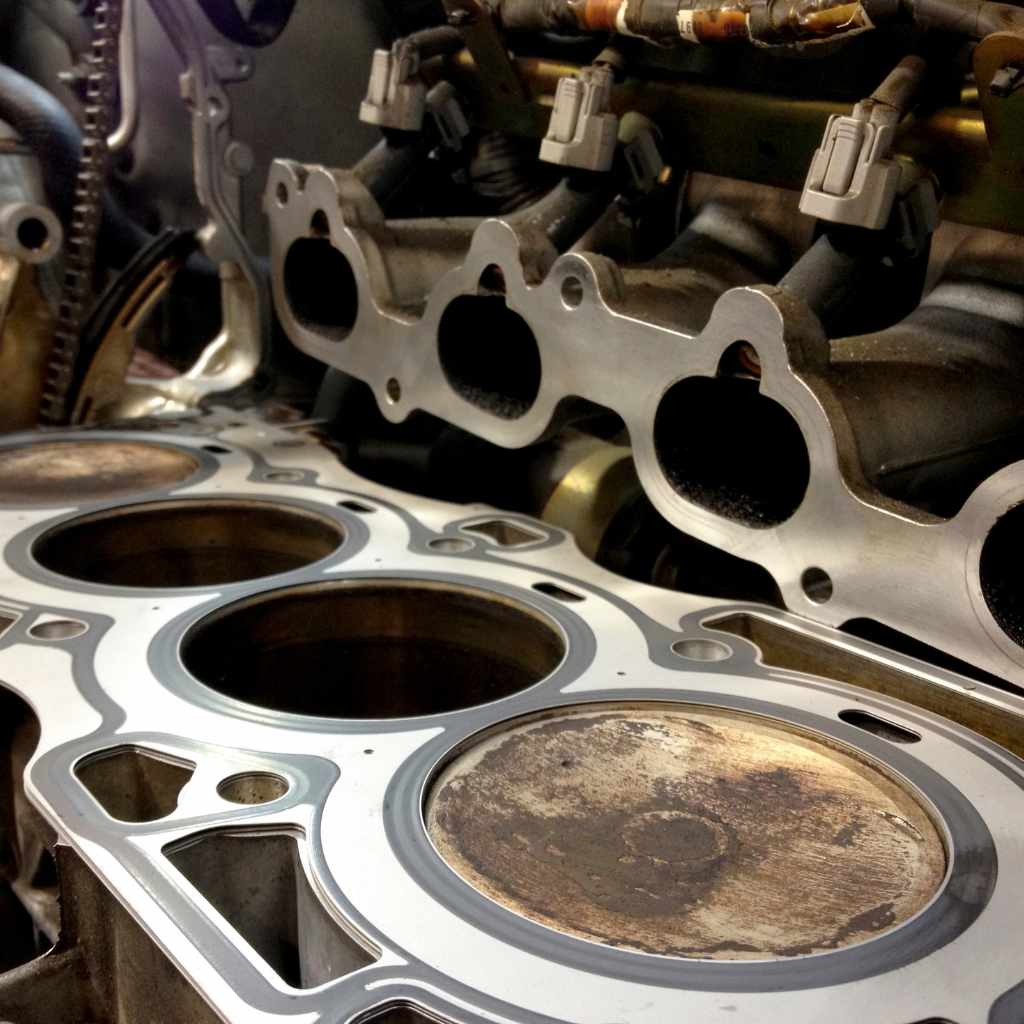
Warranty Coverage For Seals And Gaskets
Warranty coverage for seals and gaskets is a common question among car owners. These parts play a key role in preventing leaks and protecting the engine. Knowing if they are covered can save you money on repairs.
Seals and gaskets can wear out over time due to heat and pressure. Some warranties include them, while others do not. It depends on the type of warranty and the manufacturer’s policy.
Typical Warranty Policies
Most powertrain warranties cover major components like the engine and transmission. Seals and gaskets may be covered if they cause a failure in these parts. If the damage results from normal wear, coverage is less likely.
Many warranties exclude seals and gaskets as they are considered wear items. This means they may not be replaced unless they lead to a bigger problem. Always check the warranty terms for specific details.
Manufacturer Variations
Different car makers have different rules for seals and gaskets. Some offer limited coverage for these parts during the powertrain warranty period. Others treat them as separate items with their own warranty.
Luxury and high-end brands sometimes provide better coverage for seals and gaskets. Budget brands often have stricter limits. It is important to read your manufacturer’s warranty booklet carefully.
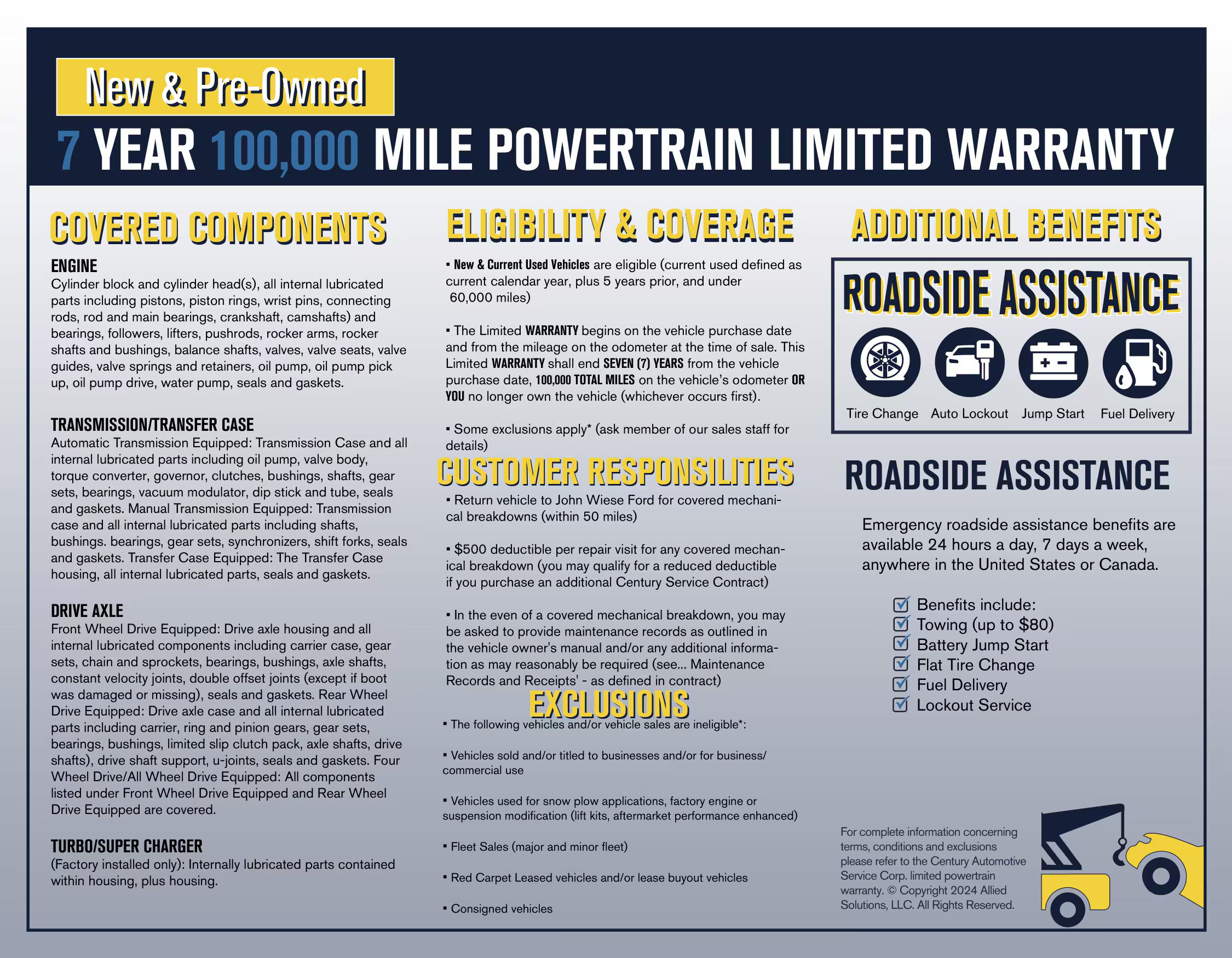
Factors Affecting Warranty Eligibility
Understanding what affects warranty coverage for seals and gaskets helps car owners protect their investment. Several factors decide if these parts are covered under the powertrain warranty. Knowing these can save time and money during repairs.
Wear And Tear Exclusions
Most warranties do not cover wear and tear. Seals and gaskets wear out naturally over time. This normal aging is often excluded from warranty claims. Damage from road hazards or accidents usually does not qualify either. Warranty covers defects in materials or workmanship only.
Maintenance Requirements
Following the vehicle’s maintenance schedule is key. Proper care prevents premature seal and gasket failure. Skipping oil changes or ignoring leaks can void warranty coverage. Keeping service records helps prove maintenance was done. This shows the manufacturer the car was well cared for.
How To Verify Your Warranty Coverage
Understanding your vehicle’s warranty coverage is important. It helps you know what repairs and parts are included without extra cost. Seals and gaskets often raise questions about coverage under the powertrain warranty. You need clear steps to check your warranty details effectively.
Reading The Warranty Manual
The warranty manual is your first source of information. It explains what the powertrain warranty covers. Look for sections about seals and gaskets specifically. These parts may be listed under exclusions or included items. Take notes on any limits or conditions stated.
Pay attention to the warranty period and mileage limits. Some warranties cover parts only for a set time or distance. Clear understanding can save you from unexpected repair bills.
Contacting The Dealer Or Manufacturer
Dealers and manufacturers provide direct answers about your warranty. Call or visit them with your vehicle’s details ready. Ask if seals and gaskets fall under your powertrain warranty. Request written confirmation if possible.
They can clarify any confusing terms or special cases. This step confirms your rights and helps avoid disputes later. Keep a record of your communication for future reference.
Tips For Handling Seal And Gasket Issues
Seals and gaskets play a key role in your vehicle’s powertrain. They stop leaks and keep fluids inside. Knowing how to handle seal and gasket problems saves money and avoids bigger repairs. This section shares simple tips to manage these parts well.
When To Seek Repairs
Look for signs of leaks under your car. Check for oil or coolant spots. Strange smells or overheating can also signal issues. Do not wait if you see damage or fluid loss. Early repairs prevent engine damage and higher costs.
Preventive Maintenance
Regularly check seals and gaskets during oil changes. Keep fluids at correct levels to reduce pressure on seals. Replace old or cracked seals quickly. Clean engine parts to avoid dirt buildup. Following these steps helps your powertrain last longer.
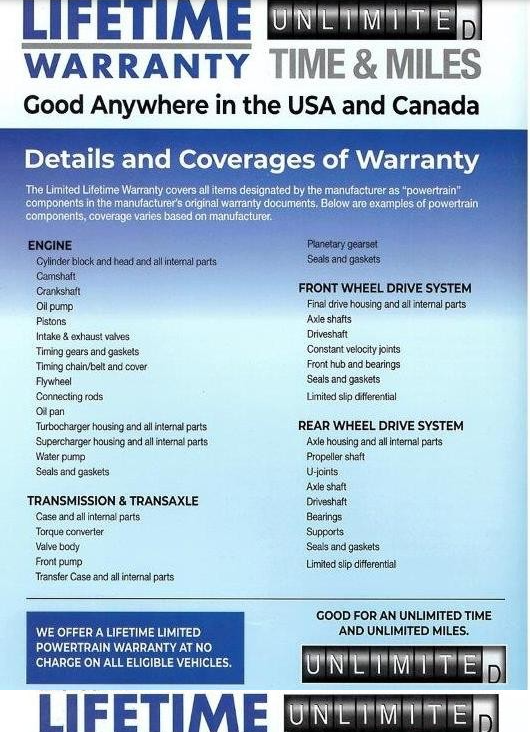
Frequently Asked Questions
Are Seals And Gaskets Included In Powertrain Warranty?
Seals and gaskets are generally not covered under powertrain warranties. These parts are considered wear-and-tear items, often excluded from coverage. Powertrain warranty mainly covers engine, transmission, and drivetrain components but excludes maintenance items like seals and gaskets.
Why Are Seals And Gaskets Excluded From Powertrain Warranty?
Seals and gaskets wear out naturally and require regular maintenance. Manufacturers exclude them to avoid frequent warranty claims. Their failure is often due to age or external damage, not defects in powertrain parts.
Can A Seal Or Gasket Failure Affect Powertrain Warranty?
Seal or gasket failure can lead to powertrain damage if ignored. However, warranty coverage depends on the cause of failure. Damage caused by defective parts may be covered, but normal wear or maintenance issues typically are not.
How To Check If Seals And Gaskets Are Covered?
Review your vehicle’s powertrain warranty terms carefully. Each manufacturer’s warranty differs in coverage details. Contact your dealership or read the warranty booklet to confirm if seals and gaskets are included.
Conclusion
Seals and gaskets often have limited coverage under powertrain warranties. Many warranties exclude these parts due to wear and tear. Still, it’s important to read your warranty terms carefully. Knowing what is covered can save money and stress later. Always ask your dealer or check your warranty booklet for details.
Regular maintenance helps keep seals and gaskets in good shape. Protect your vehicle by staying informed about your warranty coverage. This way, you avoid surprises if repairs are needed. Understanding your powertrain warranty helps you make smart decisions.
Related pick: Check today's price on Amazon