Stainless Steel vs Aluminum Heat Shields: Which Fits
Use stainless steel in high-risk zones that take impact, vibration, or direct exhaust heat, and use aluminum for lower-heat barrier panels. For turbo, catalytic converter, muffler, and close-floor areas, stainless usually wins. Pick the wrong material and you get warped shields, rattles, corrosion, melted nearby parts, or repeat repairs. This guide compares stainless steel vs aluminum heat shields by firewall, floor pan, exhaust, muffler, catalytic converter, and turbo-area use, with failure risks and selection rules for each zone.
Stainless steel vs aluminum heat shields: the real trade-off
Aluminum heat shields are light and can work well for radiant heat reflection, so they suit barrier jobs where the shield mainly blocks heat rather than carries load. Stainless steel is often chosen for added mechanical strength, better shape retention under vibration and thermal cycling, and generally better corrosion and oxidation resistance, so it tends to fit harsher exhaust-adjacent service. Inconel is often the step-up material for the hottest, most severe zones.
| Decision factor | Stainless steel | Aluminum heat shields | Winner |
|---|---|---|---|
| Heat reflection | Good, but not the main reason to choose it | Strong fit for radiant heat control | Aluminum heat shields |
| Strength under vibration | Higher mechanical strength and better shape retention | More prone to distortion and fastener issues | Stainless steel |
| Corrosion and oxidation resistance | Better in road splash and exhaust exposure | Can work, but is less forgiving in harsh underbody service | Stainless steel |
| Weight | Heavier | Lighter | Aluminum heat shields |
| Best fit use case | Exhaust pipe, catalytic converter, muffler, turbo-area protection | Engine bays, firewalls, floor pans, selected exhaust zones | Depends on zone |
Heat reflection
Aluminum is the better choice where the job is to reflect radiant heat away from painted panels, wiring, carpet, or sound deadening. That matters in moderate zones because radiant load can be significant without the shield needing to carry much structural stress. Stainless steel can still work, but its value comes more from durability than from reflection.
Strength and shape retention
Stainless steel handles bends, tabs, and mounting points better when the shield lives near moving exhaust parts or gets shaken by the body. That is why it is the safer default for exhaust pipe, catalytic converter, muffler, and turbo-adjacent protection. Aluminum can be enough in easier locations, but its lower structural margin shows up sooner as distortion or fastener pull-through.
Corrosion, oxidation, and cost
Stainless steel contains chromium, which gives it corrosion resistance when the alloy has 10.5% or more chromium. That helps in road-splash zones where salt, water, and hot-cold cycles attack thin sheet metal. Aluminum is usually lighter and often easier on budget, which matters for DIY barrier panels that do not need the same long-term abuse tolerance. (en.wikipedia.org)
📊 Stainless steel resists corrosion through a chromium content of 10.5% or more. Source: Stainless steel.
Which heat shield material fits each vehicle zone?
The right material depends more on location than on the hottest-sounding metal name. Firewall and floor-pan barriers often suit aluminum because they mainly block radiant heat, while muffler, catalytic converter, and turbo zones often suit stainless steel because they need strength, oxidation resistance, and better survival under repeated heat cycles and vibration.
Firewall and floor pan: when aluminum is the better fit
Aluminum fits firewall and floor-pan shields when the panel is mainly a radiant barrier and has enough clearance from direct exhaust flow. It is common in engine bays, floor pans, and firewalls because it stays light and reflects heat well. If the panel needs to hang far from a hot pipe or survive heavy road spray, stainless becomes the safer option.
Muffler and catalytic converter areas: when stainless steel is the safer default
Stainless steel is usually the safer default near mufflers and catalytic converters because these zones combine heat, vibration, and underbody contamination. Automotive heat shields in this area should handle vibration, road splash, airflow, oxidation, and mechanical stress. A shield that warps here can rattle, contact the body, or lose its air gap.
Turbo and severe exhaust zones: where Inconel enters the picture
Inconel is the material to consider when the shield sits in an extreme thermal environment, especially near a turbo or severe-duty exhaust path. It keeps high-temperature strength better than either aluminum or stainless steel in those harsh conditions. If a turbo shield is seeing repeated heat soak and harsh cycling, Inconel becomes the right upgrade path.
Aluminum heat shields: where they work well and where they fail
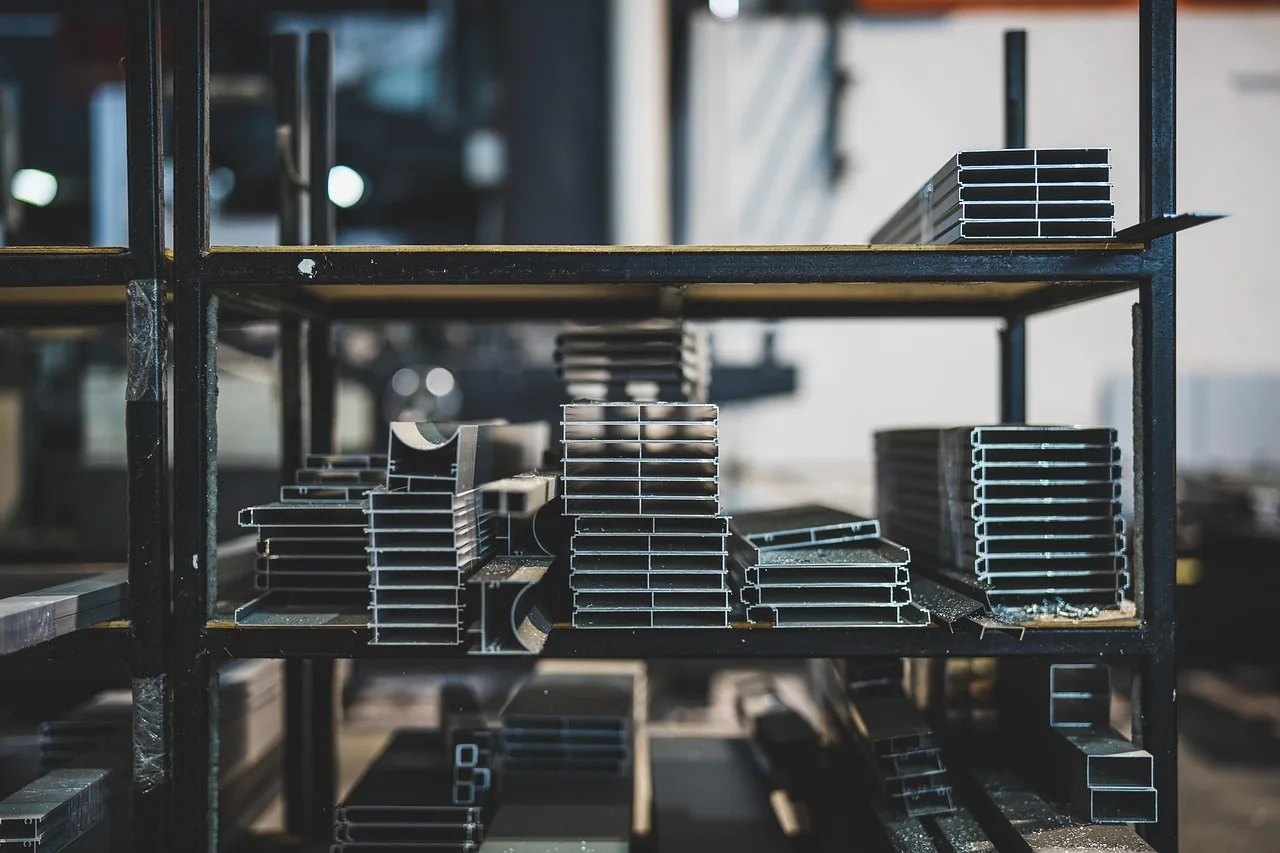
Aluminum heat shields work well when radiant heat is the main problem and the panel does not need to carry much load. They are light and suitable for radiant heat control, which makes them useful in moderate zones like engine bays, floors, and firewalls. They are a weaker choice when the shield must survive heavy vibration, direct exhaust heat, or repeated shape changes.
Why radiant heat reflection makes aluminum useful in moderate heat zones
Radiant heat reflection is aluminum’s biggest practical strength here. A shield that reflects heat away can protect adjacent parts even when the shield itself gets warm. That is different from structural heat tolerance, which is about whether the part keeps its shape and mounting under long service and repeated thermal cycling.
Common failure modes: warping, fastener pull-through, and heat-related distortion
Aluminum can warp, distort, or tear around fasteners if the panel is too thin or too close to a direct exhaust source. The failure often starts at bends and mounting holes. Once the shield changes shape, gaps open up and rattles begin, or the panel touches something it should not.
What 5052 aluminum means in a practical DIY kit
One cited heat shield kit uses .080 5052 aluminum, with aluminum mounting band clamps and stainless steel hardware. That combination matters because the panel material and the fastening material do not have to match. Mixed-material builds are common: aluminum for the shield, stainless for the hardware, and stainless or band-style clamps where abrasion and vibration are concerns.
Suppose you are adding a medium-sized barrier above a floor pan near a side pipe. Aluminum can be the right choice if the panel mainly blocks radiant heat and the mounting points are simple. If the same panel sits beside a muffler seam that shakes at idle, stainless is the safer call.
Is stainless steel a good heat shield?
Yes. Stainless steel is a good heat shield when the zone sees vibration, thermal cycling, road splash, or direct exhaust exposure. Its higher mechanical strength helps it hold shape, and its corrosion resistance makes it a practical choice for underbody service where water, salt, and hot-cold cycles can shorten the life of softer panels.
Why stainless steel handles vibration and thermal cycling better
Stainless steel is commonly selected for durability, corrosion resistance, and thermal cycling. That matters because repeated heating and cooling can loosen bends, distort tabs, and fatigue mounting points. Common stainless grade 304 has a tensile yield strength around 210 MPa in annealed form, and it can be strengthened to 1,050 MPa in the full-hard condition.
Corrosion and oxidation resistance in road-splash and exhaust exposure
Stainless steel contains chromium, and that chromium is what gives it rust and corrosion resistance. In underbody locations, road splash is a bigger problem than many buyers expect, especially after salt exposure. Stainless is also commonly used in vehicles, which makes it a familiar choice for exhaust-adjacent hardware and shields.
Typical failure modes: weight penalty, forming difficulty, and heat soak limits
Stainless steel is not free of tradeoffs. It is heavier than aluminum and can be harder to form into complex shapes without the right tools. It also is not the answer for every extreme thermal zone; when heat becomes severe enough, Inconel is the better fit.
How vibration, thermal cycling, and road splash change the choice
These three stresses often decide the material. Vibration pushes thin shields toward cracks at bends and slots. Thermal cycling changes panel shape over time. Road splash adds corrosion and oxidation, which can attack seams, tabs, and hardware long before the shield looks obviously damaged.
Why repeated heat-up and cool-down cycles matter for shape retention
A shield that looks fine when cold can move enough when hot to lose clearance. Over time, that movement changes fit. Stainless steel usually keeps its form better in exhaust-adjacent service, which is why it is often chosen where repeated cycling is part of the job.
How vibration drives fatigue at bends, tabs, and fasteners
Vibration is a major stressor for formed shields. The problem often starts at sharp bends, slotted holes, and tabs that concentrate load. If a shield is too soft for the location, the fasteners loosen, the panel rattles, and the edge can start wearing against nearby parts.
Why corrosion and oxidation resistance matter near the underbody
Road splash reaches areas many owners do not inspect often. Once corrosion starts at a mounting edge, the failure can spread into the fastener area and weaken the whole shield. Stainless steel is emphasized here because it resists corrosion and oxidation better than bare aluminum in harsh underbody exposure.
Zone-by-zone heat shield decision table
This table turns the material choice into a job-specific rule. It maps each zone to the best fit, the main failure mode to watch, and the mixed-material details that often make the installation last longer.
| Vehicle zone | Best material | Main stressor | Likely failure mode | Mixed-material note |
|---|---|---|---|---|
| Firewall | Aluminum heat shields | Radiant heat from engine bay | Warping if too thin or too close to hot parts | Use stainless hardware where fastener heat or salt exposure is likely |
| Floor pan | Aluminum heat shields | Radiant heat plus road splash | Fastener pull-through or distortion at bends | Pair aluminum panels with stainless screws, clips, or band clamps |
| Muffler | Stainless steel | Heat, vibration, and underbody contamination | Rattle from loose mounts if attachment is weak | Stainless shield plus stainless hardware keeps the stack consistent |
| Catalytic converter | Stainless steel | High heat and thermal cycling | Heat-related distortion if the shield is undersized | Stainless fasteners help resist oxidation in splash zones |
| Turbo zone | Inconel | Extreme heat and severe thermal cycling | Overheating, warping, or cracking in lesser alloys | Use premium hardware and careful spacing; mixed materials must match heat severity |
Choose aluminum if… / Choose stainless steel if…
Choose aluminum if the shield sits in a moderate zone, the main job is radiant heat reflection, and low weight matters. Choose stainless steel if the location sees vibration, road splash, and repeated heating and cooling, or if the shield is near a muffler, catalytic converter, or turbo-adjacent pipe. Move to Inconel when the zone becomes severe enough that neither option is comfortable.
- Choose aluminum if you are covering a firewall or floor pan and the shield has good clearance from direct exhaust heat.
- Choose aluminum if the build needs lower weight and you can use stainless hardware for the fasteners.
- Choose stainless steel if the shield sits near a muffler, catalytic converter, or exhaust pipe that shakes.
- Choose stainless steel if road splash, oxidation, and thermal cycling are likely to shorten the life of a softer panel.
- Choose Inconel if the turbo or severe exhaust zone is hot enough that long-term shape retention is the main concern.
A common first-timer mistake is putting a thin aluminum shield beside a turbo downpipe because it “reflects heat.” That choice can leave the panel distorted, the edge buzzing against a bracket, and the nearby trim still getting hot. The better answer is stainless, or Inconel if the heat load is truly severe.
Frequently asked questions
stainless steel vs aluminum heat shield
Stainless steel is usually the better choice for exhaust-adjacent zones that see vibration, road splash, and repeated thermal cycling. Aluminum is better when the job is mainly radiant heat reflection and the panel does not need high structural strength. The right answer depends on where the shield sits on the vehicle.
is stainless steel a good heat shield
Yes. Stainless steel is a good heat shield when durability matters more than weight, especially near mufflers, catalytic converters, and turbo-area parts. Its chromium content gives corrosion resistance, and its higher strength helps it survive vibration and repeated heating without losing shape as quickly as softer materials.
does aluminum or stainless steel conduct heat better
For heat shields, conductivity is not the only question. Aluminum is chosen because it reflects radiant heat well and stays light, while stainless steel is chosen because it holds up better under vibration, corrosion, and thermal cycling. The better material is the one that fits the zone’s failure risks.
Which heat shield material is better for exhaust heat?
Stainless steel is usually better for exhaust heat near pipes, mufflers, and catalytic converters because it holds shape and resists corrosion better. Aluminum can work farther away, especially as a barrier panel, but it is less forgiving where direct exhaust heat and movement are both present.
Is aluminum heat shield too weak near a turbo?
Often, yes. A turbo-adjacent zone brings severe heat, fast temperature swings, and vibration, which are hard on aluminum shields. If the area is close enough to the turbine housing or downpipe, stainless steel is usually safer, and Inconel is the better answer for the harshest conditions.
Does stainless steel last longer than aluminum on a heat shield?
Usually, yes, in harsh underbody and exhaust-adjacent service. Stainless steel resists corrosion and oxidation better and keeps its shape under vibration and thermal cycling more reliably. Aluminum can last well in moderate barrier roles, but it tends to lose the durability contest in tougher zones.
What material works best for a firewall or muffler heat shield?
For a firewall, aluminum is often the better fit because the job is usually radiant heat reflection with lower structural demand. For a muffler heat shield, stainless steel is usually better because the area sees more vibration, road splash, and repeated heat cycling that can punish a lighter panel.