Are Flex Pipes To Code: Essential Bathroom Sink Drain Guide
Flex pipes are generally NOT considered to code for permanent bathroom sink drains in most local plumbing codes. While they can be a quick fix, they often fail inspection and can lead to leaks and water damage. This guide will explain why and what the proper alternatives are.
BILEKSU
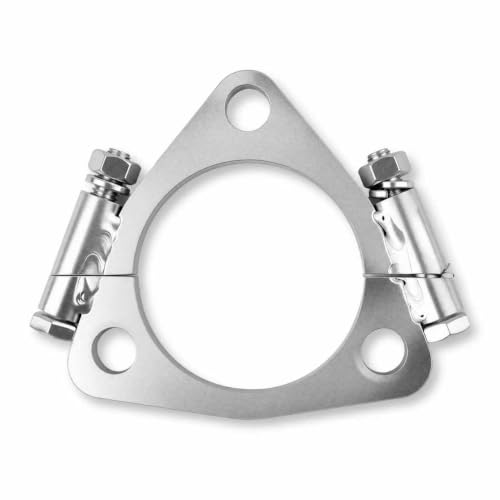
2.5 Exhaust Flange with Split Design,Triangular Split…
- Triangular Flange Size: This exhaust flange comes in a triangular style. The inner diameter measures 2.5 inches. Total length is 4…
- Works with Y Tubes: This split flange is ideal for use with 2.25 inch outer diameter flared Y tubes. You will get a stable and rel…
- Easy Split Design: Traditional one piece flanges rely on welding for installation. This automotive replacement exhaust flanges use…
As an Amazon Associate I earn from qualifying purchases.
Dealing with a leaky bathroom sink drain can be a real headache. You might be tempted to grab a flexible drain pipe (often called a “flex pipe” or “accordion pipe”) from the hardware store, thinking it’s a simple, quick fix. It’s easy to see why they’re popular – they’re bendy and seem to fit anywhere! However, many homeowners find themselves facing a bigger problem after using one: plumbing code violations and persistent leaks. Don’t worry, understanding the right way to connect your sink drain isn’t as complicated as it sounds. We’ll break down why flex pipes usually aren’t the best choice and guide you through the standard, reliable methods that will keep your bathroom leak-free and up to code.
Why Flex Pipes Are Usually a No-Go for Bathroom Sink Drains
Flex pipes appear convenient because you can bend and twist them to connect drain components that aren’t perfectly aligned. This flexibility makes them seem like a DIY dream. However, in the eyes of most plumbing inspectors and building codes, this very flexibility is a major drawback for permanent installations.
Plumbing codes are in place to ensure safety, prevent water damage, and maintain public health. They specify the materials and methods that are proven to be durable and reliable over the long term. Flex pipes, with their corrugated design and often plastic construction, tend to have several potential issues:
- Durability: The flexible material can become brittle over time, especially when exposed to hot water or cleaning chemicals. This can lead to cracks and leaks.
- Clogging: The ridges and corrugations inside a flex pipe can trap hair, soap scum, and other debris more easily than smooth-walled pipes, making them prone to clogs.
- Durability of Connections: The connections on flex pipes can also be less secure than those on rigid piping, increasing the risk of leaks.
- Code Compliance: Most plumbing codes specifically require rigid, durable materials for drain, waste, and vent (DWV) systems. Flex pipes typically do not meet these requirements for permanent fixtures like sinks.
While a flex pipe might pass a visual inspection in some very specific, temporary situations, relying on them for your bathroom sink drain is a gamble that often doesn’t pay off. The International Plumbing Code (IPC) and Uniform Plumbing Code (UPC), which form the basis for many local codes, generally prohibit their use in permanent DWV systems. For instance, the UPC Section 801.2 states that “All drain, waste, and vent pipes shall be of cast iron, galvanized steel, copper, brass, lead, approved plastic or other material approved by the Authority Having Jurisdiction.” Flexible tubing is rarely among those approved for permanent drain lines.
Understanding Standard Bathroom Sink Drain Components
A typical bathroom sink drain assembly isn’t just a single piece; it’s a system of parts working together to carry water away safely and prevent sewer gases from entering your home. Understanding these parts will help you see why rigid piping is preferred.
The Main Parts of a Sink Drain System:
- Drain Flange and Strainer: This is the part you see in the sink basin. It prevents large objects from falling down the drain and can be lifted to remove trapped debris.
- Tailpiece: This is a short, straight pipe (usually PVC or metal) that connects directly to the drain assembly under the sink. If you have a pop-up stopper, the tailpiece will have an arm sticking out to connect to the lift rod mechanism.
- P-Trap: This is a curved section of pipe that forms a water seal. The curve holds enough water to block sewer gases from coming up through the drain. This is a crucial component for hygiene and safety.
- Coupling or Slip Joint Connector: This fitting connects different sections of the drain pipe, most commonly connecting the P-trap to the tailpiece and the P-trap to the trap arm that goes into the wall. These often use slip nuts and washers for a seal.
- Trap Arm: This is the horizontal pipe that extends from the P-trap to the waste pipe that leads to your main drain line.
- Waste Pipe & Venting: These are the larger pipes carrying wastewater away and the system that allows air into the drain lines, preventing siphoning and ensuring proper flow.
The P-trap and the sections of pipe leading to and from it are almost always made of rigid materials like PVC, ABS, or, in older homes, metal. This rigidity ensures that the trap maintains its shape and the water seal is consistently present, and it provides structural integrity to the system.
The Proper Way to Install or Replace a Bathroom Sink Drain
When it comes to a reliable and code-compliant bathroom sink drain, using rigid piping is the standard practice. While it might require a little more precision than a flex pipe, the results are far more durable and less prone to leaks.
Tools You’ll Likely Need:
- Plumber’s putty or silicone sealant
- Adjustable wrench or pipe wrench
- Plumber’s tape (Teflon tape)
- Bucket (to catch water)
- Hacksaw or PVC pipe cutter (if you need to cut pipes to length)
- Screwdriver (for mounting clips or clamps if needed)
- Safety glasses and gloves
Step-by-Step Guide to Installing a Rigid Drain Pipe:
This guide assumes you are replacing an existing drain or installing a new one, focusing on the pipe connections under the sink, including the P-trap and tailpiece.
- Safety First: Turn off the water supply under the sink by closing the shut-off valves (if present). Place a bucket beneath the P-trap to catch any residual water. If you don’t have shut-off valves, you’ll need to turn off the main water supply to your house.
- Disassemble the Old Drain (if necessary):
- Loosen the slip nuts connecting the old P-trap to the tailpiece and the trap arm. You may need an adjustable wrench.
- Carefully remove the old P-trap and any connecting pipes. Be prepared for some water to spill out.
- Remove the old drain flange from the sink basin. Clean away any old putty or sealant from the sink opening.
- Install the New Drain Flange:
- Apply a generous rope of plumber’s putty or a bead of silicone sealant around the underside of the new drain flange.
- Press the flange firmly into the drain opening from the top of the sink basin.
- From underneath, install the rubber gasket, washer, and locknut that came with your drain assembly. Tighten the locknut securely with a wrench.
- Wipe away any excess putty or sealant that squeezed out around the flange inside the sink.
- Assemble the Tailpiece and P-Trap:
- If your tailpiece has a connection for the pop-up stopper, ensure it’s correctly positioned.
- Connect the P-trap to the tailpiece. Slide a flanged washer (usually tapered side facing the P-trap) onto the tailpiece, then thread the P-trap inlet onto the tailpiece. Hand-tighten the slip nut first.
- Connect the outlet of the P-trap to the trap arm (the pipe going into the wall). Slide a flanged washer onto the trap arm, then connect the P-trap outlet. Hand-tighten the slip nut.
- Align and Tighten:
- Adjust the position of the P-trap and tailpiece so they align properly with the trap arm. Ensure the trap arm is properly sloped towards the wall. For typical bathroom sinks, a slope of about 1/4 inch per foot is standard for the trap arm to ensure proper drainage. You can refer to local plumbing code guidelines for specific requirements. For example, the International Plumbing Code (IPC) Section 1002.3.4 specifies trap arm slopes.
- Once aligned, use your adjustable wrench to tighten the slip nuts firmly, but be careful not to overtighten, which can crack the plastic fittings. The tapered side of the washer should always face the direction of the water flow (away from the P-trap’s connection points).
- Test for Leaks:
- Turn the water supply back on slowly.
- Fill the sink basin with water, then let it drain.
- While the water is draining, carefully inspect all connections (tailpiece to flange, tailpiece to P-trap, P-trap to trap arm) for any drips or leaks. Run your hand around the connections; you’ll feel even small leaks.
- If you find any leaks, tighten the corresponding slip nut slightly. If tightening doesn’t resolve the issue, you may need to disassemble the connection, check the washer for damage or improper seating, and reassemble.
Materials Used in Code-Compliant Drains
For permanent installations, plumbing codes specify materials that offer durability, corrosion resistance, and a smooth interior surface to prevent clogs. Common materials include:
Common Code-Approved Drain Materials:
- PVC (Polyvinyl Chloride): This white plastic is very common, inexpensive, and easy to work with. It’s durable and resistant to corrosion. It’s widely used for residential drain, waste, and vent (DWV) systems.
- ABS (Acrylonitrile Butadiene Styrene): Similar to PVC, ABS is a black plastic pipe that is also common for DWV applications. It’s known for its impact resistance and ease of joining with solvent cement.
- Copper: Traditionally used in plumbing, copper pipes are durable and resistant to corrosion. They are often used for supply lines but can also be used for drain lines, though less common in residential sink drains due to cost and installation complexity compared to plastics.
- Cast Iron: This is a heavy, durable metal pipe historically used for main drain lines and vents. It’s very robust but more difficult to install than plastic.
These materials, when installed correctly with appropriate fittings and sealants, create a reliable and long-lasting drain system that meets plumbing code requirements. For example, the International Plumbing Code (IPC) provides detailed specifications for the types of materials allowed, their installation, and their performance standards.
Pros and Cons of Different Drain Pipe Types
To help you make the best choice for your bathroom sink, here’s a quick comparison of rigid pipes and the (usually prohibited) flex pipes:
| Feature | Rigid Pipes (PVC/ABS) | Flexible Pipes (Accordion Style) |
|---|---|---|
| Code Compliance | Generally Required and Approved | Generally Not Approved for permanent installation |
| Durability | High, long-lasting | Lower, can become brittle or crack |
| Resistance to Clogs | Good (smooth interior) | Poor (corrugated interior traps debris) |
| Ease of Installation (Alignment Issues) | Requires precise alignment | Easy to fit misaligned pipes |
| Long-Term Reliability | Very High | Lower, prone to leaks over time |
| Cost (Materials) | Low to moderate | Low |
| Repair Frequency | Low | Higher |
As you can see, the long-term benefits of using rigid, code-compliant materials far outweigh the apparent convenience of a flex pipe. Investing a little extra effort in a rigid system saves you potential headaches, water damage, and future repair costs.
When Might a Flex Pipe Be (Temporarily) Acceptable?
In very rare circumstances, a flex pipe might be used as a temporary fix by a plumber to diagnose a problem or bridge an unusual gap for a short period before a permanent solution is installed. However, for a homeowner performing DIY work, it’s almost always best to avoid them for the main drain line connection. Some very specific types of flexible connectors are designed for appliances like dishwashers or washing machines, but even these have limitations and are typically not substituted for sink drains.
The key takeaway is that flex pipes are designed for temporary or highly specialized applications, not as standard, permanent components in your home’s DWV system. Relying on them can lead to plumbing code violations, failed inspections, and costly repairs down the line.
Frequently Asked Questions (FAQ)
Q1: Can I use a flex pipe for my bathroom sink drain if it’s hidden behind a vanity?
A1: Even if hidden, most plumbing codes require permanent drain lines to be made of rigid, approved materials like PVC or ABS. Hidden doesn’t mean exempt from code. A flex pipe is still prone to clogging and leaks over time, which could cause significant damage behind your vanity.
Q2: My old sink had a flex pipe, and it never leaked. Why should I change it?
A2: While some flex pipes might last a while, they are a known failure point. The materials degrade, and connections can loosen. Codes are updated based on decades of experience with what works and what fails. Upgrading to a rigid system is a proactive measure to prevent future leaks and ensure your plumbing is up to modern standards and safety expectations.
Q3: What happens if a plumbing inspector sees a flex pipe on my sink drain?
A3: If performing a renovation or new construction that requires inspection, a plumber’s flex pipe on a sink drain will almost certainly be flagged as a code violation. You will be required to replace it with rigid, code-approved piping before the inspection will pass.
Q4: Is it difficult to connect a P-trap to a sink drain tailpiece with rigid pipe?
A4: It’s quite manageable for DIYers. The most common method uses slip-joint fittings. These have large nuts and tapered washers that slide over the pipes. You simply hand-tighten them initially, then snug them up with a wrench. Ensuring the washers are correctly oriented is the main trick. Resources like videos from the U.S. Department of Energy’s Energy Savers program can offer visual guidance on plumbing basics.
Q5: What is the difference between PVC and ABS pipes for drains?
A5: Both PVC and ABS are common, approved plastics for drain, waste, and vent (DWV) systems. PVC pipes are typically white, while ABS pipes are black. They are joined using different types of solvent cement. Both are durable and effective for sink drains. Your local codes or the materials you find readily available might dictate which one you choose.
Q6: I have a very tight space under my sink. Is there any other flexible option?
A6: While not a true flex pipe, there are some “trap adapters” or “offset” drain pipes that offer a bit of flexibility in their connections. These are usually rigid pieces that provide a slight bend or extension to help connect misaligned pipes. They are still constructed from approved materials and are generally code-compliant when installed correctly, unlike the accordion-style flex pipes.
Conclusion
When it comes to your bathroom sink drain, choosing the right materials is key to preventing leaks, avoiding clogs, and ensuring your plumbing meets safety standards. While flex pipes might seem like a quick and easy fix, they are generally not code-compliant for permanent installations and can lead to more trouble than they’re worth. Opting for rigid PVC or ABS piping, along with a properly installed P-trap, is the reliable, long-term solution that plumbers trust and building codes require.
By understanding the components and following the steps for a rigid pipe installation, you can confidently tackle this plumbing task. You’ll not only ensure your bathroom sink drains efficiently but also safeguard your home against water damage and costly repairs down the line. Don’t let plumbing intimidate you; with the right knowledge and materials, you can achieve a professional, code-approved result.
Related pick: Check today's price on Amazon