How Important Are MK4 Jetta Heat Shields

How Hot Do Motorcycle Heat Shields Get?

When you’re new to riding a motorcycle, many things can seem a bit confusing. One question that often pops up is, How Hot Do Motorcycle Heat Shields Get? It’s a good question because you want to keep yourself and your bike safe. Don’t worry, though.

We’re going to break down exactly what you need to know in a simple, step-by-step way. We’ll cover why they get hot and what that means for your ride.

Understanding Motorcycle Heat Shields

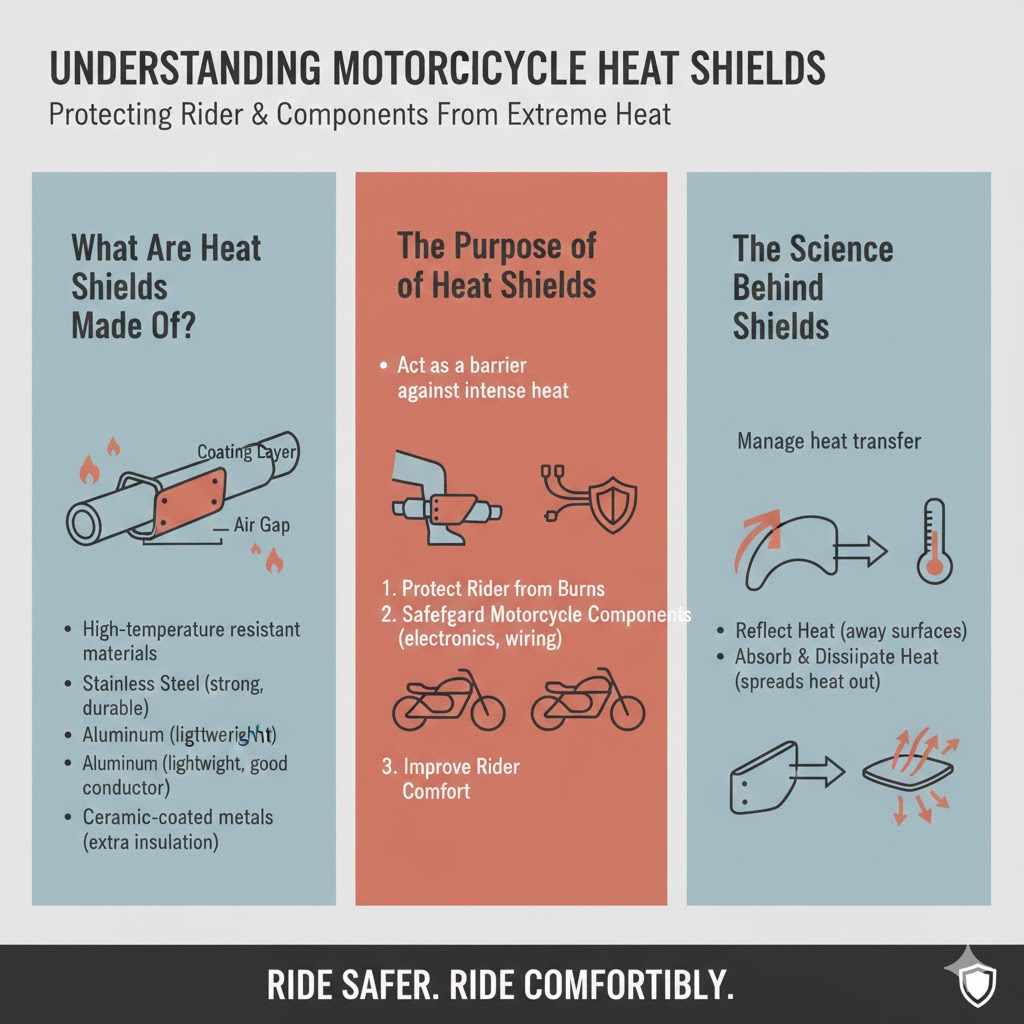
Motorcycle heat shields are important parts that protect riders and the bike’s components from the intense heat produced by the engine and exhaust system. They are usually made from materials that can withstand high temperatures. This section will explore what these shields are made of and why they are necessary for a safe and comfortable ride.

We’ll look at their main purpose and the science behind their function.

What Are Heat Shields Made Of?

The materials used for heat shields are selected for their ability to reflect or absorb heat. Common choices include stainless steel, aluminum, and sometimes ceramic-coated metals. These materials are chosen because they have high melting points and can handle the constant exposure to extreme temperatures without degrading.

The design of the shield also plays a role, often with air gaps or specific shapes to help dissipate heat effectively.

Stainless steel is popular because it’s strong, durable, and resistant to corrosion. Aluminum is lighter and also a good heat conductor, which can help spread heat away from sensitive areas. Ceramic coatings add an extra layer of insulation, making the shield even more effective at blocking heat transfer.

Each material choice depends on the specific application and the amount of heat it needs to manage.

The Purpose of Heat Shields

The primary purpose of a heat shield is to prevent heat from reaching parts of the motorcycle that could be damaged by it, and more importantly, to protect the rider’s legs and body from burns. Without them, the rider would be constantly exposed to searing heat, making riding uncomfortable and dangerous. They act as a barrier, keeping the heat where it belongs – within the engine and exhaust.

Think of it like an oven mitt. The mitt doesn’t stop the oven from being hot, but it stops the heat from burning your hand. Heat shields do a similar job for motorcycles, making sure the engine’s heat doesn’t transfer directly to your skin or melt nearby plastic parts.

This protection is vital for both long rides and short trips.

  • Heat shields protect the rider from burns. This is their most critical function. The exhaust pipes and engine can get incredibly hot, especially during operation. A heat shield creates a barrier, preventing direct contact and potential injury. Riders often have their legs close to these hot components, making this protection non-negotiable for safety and comfort.
  • They safeguard motorcycle components. Beyond protecting the rider, heat shields also protect other parts of the motorcycle. Sensitive electronics, wiring, and plastic components can be damaged or melted by prolonged exposure to high engine and exhaust temperatures. Heat shields redirect this heat, ensuring these parts function correctly and last longer.
  • Heat shields can improve rider comfort. By deflecting heat away from the rider’s legs and body, heat shields make the riding experience much more comfortable. This is especially noticeable in stop-and-go traffic or during hot weather when the engine works harder. A cooler rider is often a more focused and safer rider.
Understanding Motorcycle Heat Shields

Dive deeper into Exhaust Components by checking out this article. Do You Wax Polished Stainless Steel Tailpipes?

How Hot Do Motorcycle Heat Shields Get

This is the core question many riders ask. The temperature of a motorcycle heat shield can vary greatly depending on several factors. It’s not a simple single number.

The engine size, the type of exhaust, riding conditions, and the material of the heat shield itself all contribute to how hot it becomes. Understanding these influences helps riders know what to expect and how to stay safe.

A heat shield is designed to absorb and deflect heat, meaning it will get hot itself. However, its effectiveness is measured by how much cooler it keeps the areas it’s protecting. For example, a shield might reach temperatures of 200-400 degrees Fahrenheit (93-204 degrees Celsius) on its surface, but the area directly behind it for the rider might only feel a fraction of that heat.

The specific readings depend heavily on the bike’s design and how hard it’s being ridden.

Factors Affecting Heat Shield Temperature

Several elements influence how hot motorcycle heat shields become. The engine’s heat output is a primary driver. A larger, more powerful engine will naturally produce more heat than a smaller one.

The exhaust system also plays a significant role; its proximity to the heat shield and the material it’s made from impact the thermal load. Riding style, such as frequent acceleration or high-speed cruising, also generates more heat.

Environmental factors like ambient air temperature and airflow over the bike are also important. On a very hot day, with little wind, the heat shield will struggle more to dissipate heat. Conversely, on a cool day with good airflow, the shield will remain cooler.
Even the color of the heat shield can have a minor effect, with darker colors potentially absorbing more radiant heat.

  • Engine Size and Type: Larger displacement engines, especially air-cooled ones, tend to generate more heat. Performance engines designed for high output also produce higher temperatures. The design of the engine itself, like cylinder finning for air cooling, is meant to dissipate heat, but the exhaust components still get very hot.
  • Exhaust System Design: The material of the exhaust pipes (e.g., steel, titanium, stainless steel) and their diameter can affect heat retention and radiation. Exhaust wraps or ceramic coatings on the exhaust itself can also influence the heat transferred to the shields. A performance exhaust might run hotter than a stock one.
  • Riding Conditions: Stop-and-go traffic is a prime example of a condition where heat builds up. When the motorcycle is not moving, there is less airflow to cool the engine and exhaust components. High-speed riding, while creating airflow, can also mean the engine is working at higher RPMs for extended periods, generating significant heat.

Discover more interesting content on Exhaust Components by reading this post. Does DPMS AR-15 Have Aluminum Heat Shields?

Typical Temperature Ranges

It’s hard to give an exact number for how hot motorcycle heat shields get because of the many variables involved. However, we can provide some typical ranges based on common observations and materials. Surface temperatures can easily reach 200 to 500 degrees Fahrenheit (93 to 260 degrees Celsius).

Some parts of the exhaust system that the shields are near can get even hotter, sometimes exceeding 1000 degrees Fahrenheit (538 degrees Celsius).

The effectiveness of a heat shield is measured by how much it reduces these temperatures for the rider. A well-designed heat shield might reduce the perceived heat on a rider’s leg by half or more. For example, if the exhaust pipe itself is 600 degrees Fahrenheit, the heat shield surface facing the rider might only be 250 degrees Fahrenheit, and the air temperature right next to the rider’s leg might be significantly lower still.

Here’s a general idea:

ComponentTypical Temperature Range (Fahrenheit)Typical Temperature Range (Celsius)
Engine Block (Air-Cooled)250-450°F121-232°C
Exhaust Header Pipes500-1000°F260-538°C
Heat Shield Surface (Outer Facing Rider)200-400°F93-204°C
Heat Shield Surface (Facing Engine/Exhaust)300-600°F149-316°C

These are approximate figures. A motorcycle’s cooling system, rider’s proximity, and ambient weather all play a role. For instance, a bike idling in traffic on a 90°F day will experience different heat levels than one cruising at 70 mph on a 50°F day.

When Heat Shields Get Extremely Hot

Certain situations can push heat shields to their maximum operational temperatures. This often happens when a motorcycle is subjected to prolonged high loads or restricted airflow. For example, riding uphill for an extended period in a low gear, especially on a hot day, can cause the engine to work harder and generate more heat than usual.

Another scenario is when a motorcycle is stuck in heavy, slow-moving traffic, particularly in urban environments during summer. The lack of consistent airflow means the engine and exhaust components don’t get the cooling they would normally receive from forward motion. This heat can build up significantly, leading to the heat shields reaching their highest temperatures.

In such cases, the shields are doing their job, but the amount of heat they must manage is immense.

One real-world observation from motorcycle forums indicates that heat shields near the exhaust headers, especially on performance bikes, can glow red hot under extreme conditions. While this is rare for standard riding, it illustrates the immense temperatures these components can endure. Riders often install aftermarket heat shields made of more robust materials to cope with these extreme demands.

Explore more about Exhaust Components with this related post. Does Dodge Hellcat Have X-Pipes Stock

Why Heat Shields Are Important

The importance of heat shields cannot be overstated, especially for motorcycle riders. They are a critical safety feature that directly impacts the rider’s comfort and the longevity of the motorcycle’s components. Without effective heat shielding, riding would be a much more unpleasant and potentially hazardous experience.

This section will detail the key reasons why these seemingly simple parts are so vital.

Heat shields are not just about preventing minor discomfort; they are about safeguarding against serious injury and costly damage. Their presence ensures that the intense heat generated by the engine and exhaust system is managed properly, creating a safer environment for everyone and everything around the motorcycle. We’ll explore specific examples to illustrate their crucial role.

Protection Against Burns

The most immediate and obvious benefit of heat shields is protecting the rider’s legs, arms, and other body parts from severe burns. Motorcycle designs often place the engine and exhaust systems close to where the rider sits and rests their legs. Without adequate shielding, a rider’s skin could easily come into contact with exhaust pipes or engine components that are several hundred degrees Fahrenheit.

Imagine touching a hot stove; now imagine that happening while you’re riding a motorcycle. The heat shield acts as a physical barrier, deflecting the radiant heat and preventing direct contact. This protection is essential for riders of all skill levels, from beginners to seasoned professionals.

It ensures that the joy of riding isn’t overshadowed by the risk of painful burns.

Here’s a scenario: A rider is stopped at a red light and their leg brushes against the exhaust pipe. If there’s no heat shield, or if it’s damaged, a serious burn is likely. With a functional heat shield, that contact might result in a slight warmth or nothing at all.

This difference is crucial for rider safety.

Explore more about Exhaust Components with this related post. Does Buick Encore Have Dual Tailpipes?

Preserving Motorcycle Components

Beyond rider protection, heat shields are vital for the health of the motorcycle itself. The intense heat from the engine and exhaust can degrade, warp, or melt various components if not managed properly. This includes electrical wiring, plastic fairings, brake lines, and even the paint on the motorcycle.

For example, sensitive electronic control units (ECUs) or wiring harnesses located near the engine can be damaged by prolonged exposure to high temperatures. This damage can lead to unpredictable performance issues or complete system failures. Similarly, plastic parts can become brittle and crack, or even melt and deform, affecting the bike’s aesthetics and structural integrity.

Heat shields create a buffer zone, extending the life of these parts.

  • Wiring Harness Integrity: Electrical wires and connectors are often made with plastic insulation. High heat can soften, melt, or embrittle this insulation, leading to short circuits, corrosion, and electrical malfunctions. Heat shields protect these critical pathways from thermal degradation.
  • Plastic Fairings and Covers: Many motorcycles feature plastic bodywork that serves both aesthetic and functional purposes. Intense heat can warp these parts, cause paint to bubble or peel, and make the plastic brittle, leading to cracks and breaks. Shields prevent this damage, maintaining the bike’s appearance and protecting underlying components.
  • Brake and Fuel Lines: Though often routed away from the hottest areas, some brake and fuel lines can be exposed to significant heat. Over time, this can degrade the rubber or plastic in these lines, potentially leading to leaks or reduced performance. Heat shields offer an additional layer of protection against premature wear.

Improving Rider Comfort

Rider comfort is directly linked to safety, as a more comfortable rider is generally a more focused rider. Heat shields significantly contribute to this by deflecting excessive heat away from the rider’s legs and body. This is particularly important during hot weather or in traffic conditions where the engine’s heat is more concentrated.

Imagine riding on a summer day. Without heat shields, your legs would feel like they’re being roasted. This constant discomfort can be distracting, leading to fatigue and reduced concentration.

By managing the heat, heat shields allow for longer, more enjoyable rides, even in challenging conditions. This improved comfort can make a noticeable difference in the overall riding experience.

Consider a long-distance touring rider. Extended periods in the saddle can be arduous. Any factor that adds to discomfort, like excessive heat from the engine, can significantly detract from the experience.

Heat shields help mitigate this, allowing the rider to focus on the road and enjoy the journey.

Want to learn more about Exhaust Components? This post could provide more insights. Does Stacking Heat Shields in KSP Increase Effectiveness?

Maintaining and Inspecting Heat Shields

Just like any other part of your motorcycle, heat shields require attention. Regular inspection and maintenance ensure they are functioning correctly and providing the necessary protection. Over time, they can become damaged, loose, or corroded, reducing their effectiveness.

This section will guide you through the essential steps for keeping your heat shields in top condition.

Proactive maintenance is key to preventing heat-related issues. By performing simple checks and addressing minor problems early, you can avoid more significant repairs and ensure your safety. We’ll cover what to look for during inspections and how to address common issues.

Visual Inspection Checklist

When you’re cleaning your motorcycle or performing routine checks, take a moment to examine your heat shields closely. Look for any signs of damage or wear that could compromise their ability to protect you. A thorough visual inspection should include checking for dents, cracks, warping, and any signs of rust or corrosion, especially on metal shields.

Also, ensure that the heat shields are securely attached to the motorcycle. Loose heat shields can rattle, cause annoying noise, and may not provide optimal heat deflection. Check the mounting bolts or clamps to make sure they are tight and in good condition.

A visual checklist can prevent bigger problems down the road.

  • Cracks and Punctures: Look for any visible cracks or holes in the heat shield material. These can compromise its structural integrity and its ability to deflect heat effectively.
  • Warping or Bending: Heat can cause metal or other materials to warp. Check if the heat shield is bent out of shape, as this can affect its fit and its ability to block heat from specific areas.
  • Corrosion and Rust: For metal heat shields, rust and corrosion can weaken the material over time and create small openings for heat to escape. Address any signs of rust promptly.
  • Loose Mountings: Ensure that all bolts, screws, or clamps holding the heat shield in place are secure. A rattling or loose shield is not only annoying but also less effective.
  • Damage to Coatings: If your heat shields have a special coating (like ceramic or reflective material), check for chipping, peeling, or wear. Damaged coatings reduce the shield’s performance.

Common Issues and Solutions

Several common issues can affect heat shields. Dents or bends might occur from minor impacts or vibrations. Small cracks can develop over time.

Rust can form on steel shields. The fasteners holding them in place can loosen due to vibration.

For minor dents or bends, sometimes these can be carefully straightened using appropriate tools, provided the material isn’t too stressed. Small cracks might be repaired with specialized high-temperature adhesives or by reinforcing the area. Rust on steel shields can be treated with a rust remover and then protected with high-temperature paint.

Loose fasteners should be tightened, and if they are worn, they should be replaced.

If a heat shield is severely damaged, cracked extensively, or warped beyond repair, it is best to

Here are some practical solutions:

  1. Tighten Loose Bolts: If a heat shield is rattling, inspect its mounting hardware. Tighten any loose bolts or screws. If the threads are stripped, you may need to use a larger bolt or a thread repair kit.
  2. Repair Minor Cracks: For small, non-structural cracks, you can often use a high-temperature epoxy or sealant designed for exhaust systems. Clean the area thoroughly before applying the repair material.
  3. Treat Surface Rust: Remove surface rust with steel wool or a wire brush, then apply a coat of high-temperature metallic or black paint to protect the metal and prevent further rusting.
  4. Straighten Minor Dents: For minor dents in metal heat shields, gently tap them out with a rubber mallet or use a block of wood to lever them back into place. Be careful not to put too much pressure on the material.

When to Replace a Heat Shield

There comes a point when a heat shield is no longer effective or safe. If you notice significant damage, such as large cracks, extensive warping, or widespread corrosion that has weakened the material, it’s time for a replacement. Also, if the mounting points are damaged and cannot be securely repaired, the shield needs to be swapped out.

The primary goal is to ensure the heat shield is doing its job of protecting the rider and components. If it’s compromised in any way that impedes this function, replacement is the safest course of action. It’s better to invest in a new heat shield than to risk burns or damage to your motorcycle.

Safety Precautions During Inspection

Always perform heat shield inspections when the motorcycle has cooled down completely. Touching hot engine or exhaust components, including heat shields, can cause severe burns. Wait at least an hour after riding before attempting any visual inspection or maintenance on these parts.

If you need to work on or around the exhaust system, wearing protective gloves is a good idea, even after it has cooled. Be aware of sharp edges on metal parts. If you are unsure about performing any inspection or repair, consult your motorcycle’s service manual or a qualified mechanic.

Safety first is always the best policy when working with motorcycles.

Advanced Heat Management Techniques

For riders who push their motorcycles to the limit or ride in exceptionally hot climates, there are advanced techniques and aftermarket products that can further enhance heat management. These methods go beyond standard heat shields to offer superior protection and performance. This section explores these options, from specialized materials to modifications that help dissipate heat more effectively.

These advanced solutions are for riders who demand more from their machines. Whether it’s for racing, long-distance touring in extreme heat, or simply a desire for maximum efficiency and comfort, understanding these techniques can be beneficial. We’ll look at how they work and what they offer.

Ceramic Coatings and Wraps

Ceramic coatings and exhaust wraps are popular upgrades for serious riders. Ceramic coatings are applied to exhaust components, including headers and mufflers, creating a thermal barrier that significantly reduces radiant heat. These coatings are typically very durable and can withstand extremely high temperatures.

Exhaust wraps are strips of material, often fiberglass or basalt, that are tightly wound around exhaust pipes. They work by trapping a layer of air, which acts as an insulator, and by absorbing some of the heat. While effective, exhaust wraps can sometimes trap moisture, potentially leading to corrosion if not installed correctly or maintained.

They are also a visual modification that some riders find appealing.

High-Temperature Materials

Beyond standard stainless steel or aluminum, some heat shields are made from more advanced materials. Carbon fiber, while not as heat-resistant as some metals, is incredibly light and can be formed into complex shapes, offering unique aesthetic and functional benefits. It’s often used in high-performance applications where weight reduction is critical.

More commonly, thicker gauge stainless steel or specialized alloys are used for aftermarket heat shields designed for demanding conditions. Some high-end shields might feature multi-layer construction with insulating materials sandwiched between metal layers. These are engineered for maximum heat deflection and durability.

  • Titanium: While expensive, titanium is lightweight, strong, and highly resistant to corrosion and heat. It’s often used in high-performance exhaust systems and can be found in some premium heat shield applications.
  • Inconel: This is a superalloy known for its exceptional strength and resistance to high temperatures and corrosive environments. It’s typically used in aerospace and extreme industrial applications but can be found in the most high-performance motorcycle components.
  • High-Temperature Composites: Beyond carbon fiber, other composite materials engineered to withstand extreme heat are being developed. These can offer excellent thermal insulation properties along with low weight and high strength.

Ventilation and Airflow Optimization

Proper ventilation is crucial for managing engine heat. Many motorcycles have strategically placed vents in their fairings and bodywork to allow airflow to reach critical components and to help dissipate heat away from the rider. Ensuring these vents are clear and unobstructed is important.

Some aftermarket modifications focus on improving airflow. This might involve adding extra vents to body panels or adjusting the position of existing ones. Creating channels for air to flow effectively over the engine and around the exhaust system helps carry heat away more efficiently, reducing the workload on the heat shields.

Here’s a sample scenario: A rider notices their legs feel unusually hot during city riding. After inspecting, they find that mud and debris have clogged the air vents in the lower fairings. Cleaning these vents allows proper airflow, significantly reducing the heat felt by the rider.

Real-World Example: Performance Bike Heat Shield Upgrade

A rider of a high-performance sportbike was experiencing excessive heat on their legs, even with the stock heat shields. They decided to upgrade to a set of aftermarket heat shields made from thicker, polished stainless steel with a more expansive coverage area.

After installation, during a test ride on a familiar route that previously caused discomfort, the rider noticed a significant reduction in perceived heat. The new shields were larger and positioned to better deflect the radiant heat from the exhaust headers and mid-pipe. The surface temperature of the new shields, while still warm, was noticeably lower than the old ones under similar riding conditions.

The rider reported a much more comfortable experience, especially during slower traffic maneuvers.

Advanced Heat Management Techniques

Frequently Asked Questions

Question: Do all motorcycles have heat shields

Answer: Most motorcycles, especially those with exposed engines and exhaust systems, are equipped with heat shields. However, the design and extent of heat shielding can vary significantly between different makes and models. Some sportbikes with fully enclosed engines and exhaust may have less visible heat shielding.

Question: Can I remove motorcycle heat shields

Answer: While it is technically possible to remove heat shields, it is generally not recommended. They are important safety features designed to protect the rider and the motorcycle from extreme heat. Removing them can lead to burns, damage to components, and potentially unsafe riding conditions.

Question: How often should I check my heat shields

Answer: It’s a good practice to visually inspect your heat shields every time you clean your motorcycle or perform routine maintenance. A quick check for damage, looseness, or corrosion should be done regularly, ideally every few hundred miles or at least once a month.

Question: Will a damaged heat shield affect my motorcycle’s performance

Answer: A damaged heat shield is unlikely to directly affect the engine’s performance. Its primary role is heat deflection. However, if the damage is severe enough to allow heat to reach sensitive electronics or other components, it could indirectly lead to performance issues or component failure over time.

Question: What is the best material for a motorcycle heat shield

Answer: The best material depends on the application and budget. Stainless steel is a common and durable choice, offering good heat resistance and longevity. Aluminum is lighter and also effective.

For extreme conditions or high-performance bikes, advanced materials like titanium or ceramic coatings may be used, but these are often more expensive.

Summary

Motorcycle heat shields get hot because they absorb and deflect the intense heat from the engine and exhaust, typically ranging from 200 to 600 degrees Fahrenheit. They are essential for protecting riders from burns and preserving the motorcycle’s components. Regular inspection for damage, corrosion, and loose mounting is crucial, with replacement recommended for any significant compromise.

Advanced options like ceramic coatings and specialized materials offer enhanced protection for demanding rides.

Similar Posts