Are Apexi Exhaust Ceramic Coated: Essential Guide
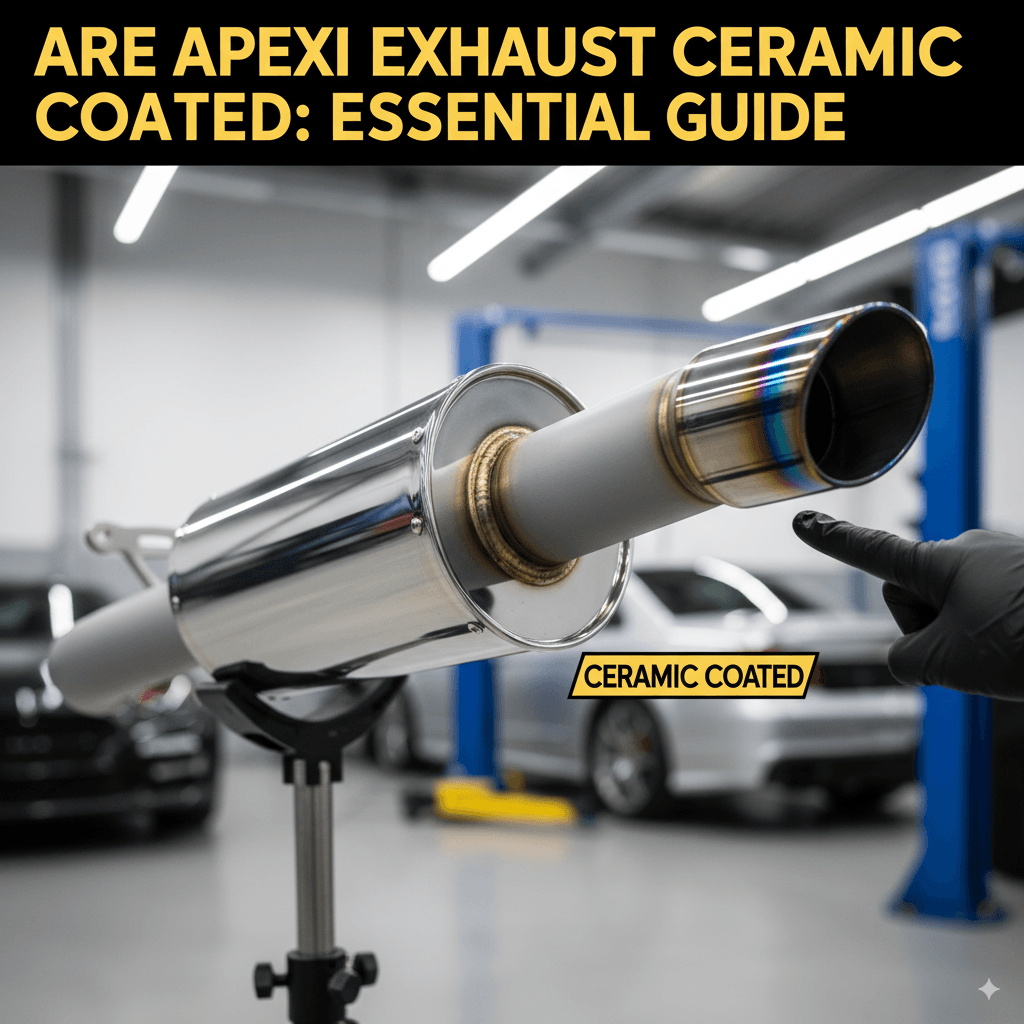
Yes, many high-performance Apexi exhaust systems feature ceramic coating, which offers significant benefits for heat management, durability, and aesthetics. This guide will break down what ceramic coating is, why Apexi uses it, and what it means for your car.
Ever wonder if that sleek, dark finish on an Apexi exhaust is just for looks? Many car owners often ask, “Are Apexi exhaust ceramic coated?” It’s a great question because that coating does more than just make your exhaust look good. It plays a vital role in how your exhaust system performs and lasts. If you’re new to car upgrades or feeling a bit overwhelmed by exhaust terms, don’t worry! We’re here to simplify everything. This guide will walk you through what ceramic coating is, why Apexi chooses it for some of their systems, and what benefits you can expect. By the end, you’ll understand this popular exhaust feature inside and out, giving you the confidence for your next automotive project.
What is Ceramic Coating for Exhausts?
Think of ceramic coating as a tough, heat-resistant shield for your exhaust components. It’s not just paint; it’s a specialized material applied in a way that creates a durable, long-lasting finish.
The Science Behind the Shield
Ceramic coating is essentially a mixture of ceramic particles suspended in a binder, which is then sprayed onto the metal surface and cured at high temperatures. This process fuses the ceramic material to the metal, creating a hard, non-porous layer. This layer is designed to withstand extreme heat, much higher than regular paint could handle. The exact composition can vary, but common ingredients include zirconia, silica, and alumina, known for their excellent thermal and wear resistance.
According to engineers at The Engineering Toolbox, ceramics are prized for their ability to resist high temperatures and chemical attack, making them ideal for harsh environments like an exhaust system.
Why Use Ceramic Coating on Exhausts?
Exhaust systems get incredibly hot. As your engine burns fuel, it produces hot gases that travel through the exhaust pipes. These gases can reach temperatures well over 1,000°F (538°C). Without protection, this intense heat can cause the metal to degrade over time, leading to issues like rust and warping.
Ceramic coating acts as a thermal barrier, helping to:
- Reduce Heat Transfer: It keeps more heat inside the exhaust pipe, which can contribute to better exhaust gas velocity and potentially slightly improved engine performance.
- Protect Against Corrosion: The coating seals the metal from moisture and road salt, significantly reducing the risk of rust and corrosion.
- Increase Durability: It adds a layer of protection against physical impacts, like small road debris, and the constant vibration from driving.
- Improve Aesthetics: Ceramic coatings often provide a sleek, uniform, and professional finish that looks great on any vehicle.

Apexi’s Approach to Exhaust Systems
Apexi is a well-respected brand in the automotive aftermarket, known for producing high-quality performance parts. When they choose to incorporate ceramic coating into their exhaust systems, it’s a deliberate decision driven by their commitment to performance and longevity.
Performance and Durability Focus
For Apexi, an exhaust system isn’t just about making noise; it’s about optimizing airflow and ensuring the component can withstand the demanding conditions of performance driving. Ceramic coating fits perfectly into this philosophy. By managing heat effectively, they aim to:
- Maintain optimal exhaust gas temperatures for better scavenging (the process of clearing exhaust gases from the cylinders).
- Protect their finely tuned exhaust designs from premature failure due to heat stress.
- Offer a product that looks as good as it performs for years to come.
Which Apexi Exhausts Get Ceramic Coating?
Not all Apexi exhaust systems are ceramic coated. Typically, you’ll find this feature on their more premium or performance-oriented lines. For example, some of their specialized racing manifolds, downpipes, or full exhaust systems might include ceramic coating from the factory. It’s less common on their entry-level or most basic offerings.
When browsing for an Apexi exhaust, always check the product specifications. The description will usually clearly state if ceramic coating is included. If you’re unsure, their official website or a reputable dealer can provide details.
Benefits of a Ceramic Coated Apexi Exhaust
So, what does all this mean for you and your car? Owning an Apexi exhaust with ceramic coating brings several tangible advantages.
Table: Benefits of Ceramic Coating
| Benefit | Explanation | Why It Matters to You |
|---|---|---|
| Heat Management | Reduces the amount of heat radiating from the exhaust. | Helps protect surrounding engine components from excessive heat, potentially improving engine bay temperatures. |
| Corrosion Resistance | Creates a barrier against moisture, salt, and other corrosive elements. | Prevents rust and premature wear, extending the lifespan of your exhaust. Crucial for vehicles in harsh climates. |
| Increased Durability | Offers protection against minor impacts and abrasions. | Less likely to be damaged by small stones or road debris, maintaining its structural integrity. |
| Improved Aesthetics | Provides a smooth, often matte black or grey, professional finish. | Enhances the undercar or engine bay appearance of your vehicle. |
| Potential Performance Gains | By keeping gases hotter, it can slightly improve exhaust gas scavenging. (Note: This is often a minor effect for street use.) | Can contribute to maintaining engine efficiency and peak power output. |
Longer Lifespan and Reduced Maintenance
One of the biggest advantages is extended durability. An exhaust system is exposed to a harsh environment. The ceramic coating acts like armor, protecting the metal from the elements. This means less worry about rust holes appearing after a few years, especially if you live in an area with salty roads during winter. A well-coated system will maintain its integrity much longer than a raw metal or standard painted exhaust.
Enhanced Engine Bay Environment
Exhaust components radiate a lot of heat. This heat can raise the temperature of your entire engine bay, which isn’t ideal for other sensitive components like sensors, wiring, and even engine oil. By reflecting or insulating some of this heat, a ceramic-coated exhaust can help keep your engine bay slightly cooler. This can contribute to better overall engine health and potentially prevent heat-related issues.
For a deeper dive into exhaust heat management, resources like Federal Mogul Motorpart’s article on thermal management offer detailed insights into why this is so important.
Sleek and Professional Look
Let’s not forget how good it looks! The matte black or dark grey finish of a ceramic-coated exhaust is often seen as sophisticated and performance-oriented. It can significantly upgrade the visual appeal of your engine bay or the underside of your car, especially if you’re building a show car or simply want a cleaner, more professional look.
How to Maintain Your Ceramic Coated Apexi Exhaust
Caring for a ceramic-coated exhaust is generally straightforward, but there are a few things to keep in mind to ensure its longevity and keep it looking its best.
Cleaning Your Ceramic Coated Exhaust
Regular cleaning is key. The best approach is to use mild automotive cleaning products and avoid harsh chemicals that could potentially damage the coating over time. Always make sure the exhaust system is cool to the touch before you start cleaning.
Here’s a simple cleaning process:
- Wait for it to Cool: Never clean a hot exhaust. Let your car sit for at least an hour after driving.
- Rinse: Use a hose to rinse off loose dirt and debris.
- Wash: Apply a pH-neutral car wash soap and water mixture. Use a soft cloth or sponge to gently wipe down the exhaust components.
- Rinse Again: Thoroughly rinse off all soap residue.
- Dry: Use a clean microfiber towel to dry the exhaust. This prevents water spots.
What to Avoid
To protect your investment, avoid the following:
- Abrasive Cleaners: Steer clear of abrasive pads, steel wool, or harsh degreasers. These can scratch or damage the ceramic coating.
- Harsh Chemicals: Avoid acidic cleaners or strong solvents that can break down the coating’s integrity.
- High-Pressure Washing Too Close: While a pressure washer can be used, keep the nozzle at a safe distance to avoid damaging the coating.
- Ignoring Early Signs of Damage: If you notice small chips or scratches, address them promptly with a touch-up coating if available for your specific product, to prevent rust from forming underneath.
DIY vs. Professional Ceramic Coating
When it comes to Apexi exhausts, they typically come from the factory with the ceramic coating already applied by professionals. However, if you have an older exhaust or another brand that doesn’t have it and you want it, you might consider a DIY kit or professional application.
DIY Ceramic Coating
There are DIY ceramic coating kits available for exhaust components. These kits usually involve cleaning the exhaust thoroughly, applying the coating spray, and then curing it, often with a heat gun or by running the engine. While it can be a more affordable option, it requires careful preparation and application to achieve a durable and even finish.
A key step for any DIY coating project is proper surface preparation. According to resources like Evercoat, the surface needs to be impeccably clean and free of contaminants for any coating to adhere correctly.
Professional Ceramic Coating
Professional ceramic coating services offer a higher level of durability and finish. They typically use industrial-grade equipment and coatings, applying multiple layers and curing them in specialized ovens for maximum adhesion and protection. This is the most robust option but also the most expensive.
When to Stick with Factory Coating
If you are purchasing a new Apexi exhaust that advertises ceramic coating, you are getting the benefit of professional, factory-applied protection. This is usually the most reliable and effective way to get this finish on a performance exhaust.

Common Questions About Apexi Ceramic Coated Exhausts
Here are some frequently asked questions that might be on your mind:
Q1: Do all Apexi exhaust systems come with ceramic coating?
No, not all Apexi exhaust systems are ceramic coated. This feature is typically found on their performance-oriented lines and specific components, like certain exhaust manifolds or downpipes, rather than their entire product range. Always check the product description.
Q2: What color is ceramic coating usually?
Ceramic coatings for exhausts are most commonly found in matte black or a dark grey, metallic finish. These colors are popular for their sleek appearance and ability to hide some exhaust soot.
Q3: Is ceramic coating the same as heat wrap?
No, they are different. Heat wrap is a fibrous material that is wrapped around the exhaust pipe to insulate it. Ceramic coating is a hardened, fused layer applied directly to the metal surface of the exhaust component itself.
Q4: How long does ceramic coating last?
With proper care and maintenance, a quality ceramic coating can last for many years, often for the lifetime of the exhaust system. Factors like driving environment and cleaning habits can influence its longevity.
Q5: Can I paint over a ceramic-coated exhaust if I don’t like the color?
It’s generally not recommended to paint over a ceramic coating. The coating is designed to adhere directly to the metal, and standard paint may not stick well or endure the high temperatures. If you want a different color, it’s usually better to have the exhaust professionally stripped and re-coated.
Q6: Will ceramic coating make my exhaust quieter?
Ceramic coating itself does not significantly alter the sound of an exhaust system. The sound is determined by the muffler design, pipe diameter, and overall exhaust configuration. The coating’s impact on sound is negligible.
Q7: Where can I buy ceramic coated Apexi exhausts?
You can purchase ceramic-coated Apexi exhausts from authorized Apexi dealers, reputable automotive performance part retailers (both online and in physical stores), and sometimes directly from the Apexi website. Make sure to buy from a trusted source to ensure genuine products.
A Final Thought on Your Apexi Exhaust
Choosing an Apexi exhaust system, especially one with ceramic coating, is a smart move for any car owner looking to enhance both performance and durability. We’ve explored what ceramic coating is, the fantastic benefits it offers like superior heat management and corrosion resistance, and how to keep it looking sharp. It’s clear that this feature isn’t just for aesthetics; it’s a functional upgrade that adds real value and longevity to your vehicle’s exhaust system. By understanding these aspects, you’re better equipped to make informed decisions about your car’s upgrades and maintenance. Thanks for joining me on this deep dive into Apexi exhaust ceramic coating – happy driving!