Motorcycle Exhaust Ceramic Coating vs Chrome
Ceramic coating is the better choice for most riders who want lower exhaust heat, less cleaning, and better long-term value. Chrome wins if you want a bright finish and will polish it often. Skip the tradeoff and you can end up with hotter pipes, blueing, corrosion, or higher upkeep costs. This guide compares heat control, appearance, durability, cleaning, and lifetime cost on motorcycle exhausts.
Heat is worst on headers where ceramic coating wins
| Decision factor | motorcycle exhaust ceramic coating | chrome | Winner |
|---|---|---|---|
| Heat control on headers | Better choice for reducing radiant heat and surface temperature on the hottest section | Reflective, but still gets hot and can blue from heat | motorcycle exhaust ceramic coating |
| Appearance | Matte, satin, or colored finishes; less mirror shine | Bright, highly reflective show finish | chrome |
| Cleaning burden | Usually easier; avoid aggressive polish and abrasives | Needs regular polishing and careful water-spot control | motorcycle exhaust ceramic coating |
| Durability under heat cycling | Strong if prep and cure are correct; poor prep can flake or discolor | Can discolor, stain, or pit; finish is mainly cosmetic | motorcycle exhaust ceramic coating |
| Up-front cost | Higher if you count stripping, blasting, masking, and labor | Often lower for polished parts already in chrome, but care adds cost over time | tie |
| Best fit for daily use | Better for commuting, touring, and track use where heat and maintenance matter | Better for show-first bikes | motorcycle exhaust ceramic coating |
Heat control on headers
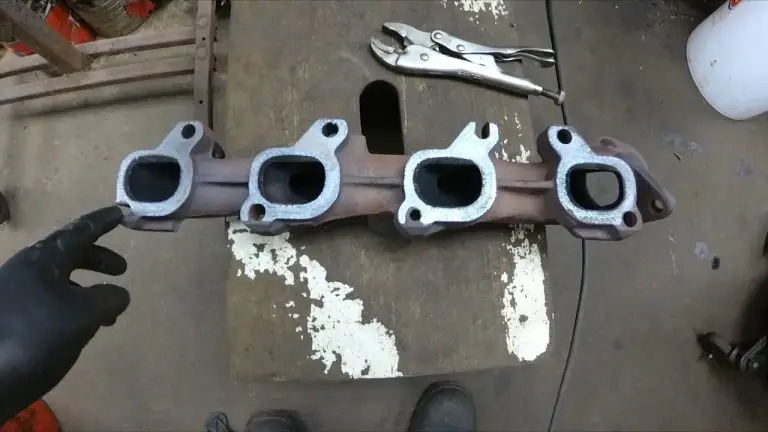
The heat decision usually starts with the header, not the muffler. Headers sit closest to the engine and see the highest gas temperature, so they are often the part most likely to benefit from motorcycle exhaust ceramic coating.
Chrome can look bright, but it does not solve rider-leg heat the same way. On bikes with tight under-fairing or under-seat clearance, that difference matters more than the finish on the can at the rear.
Appearance
Chrome wins if the finish itself is the point. It gives the strongest mirror effect and fits a show-bike brief better than most ceramic finishes.
Ceramic coating comes in matte, satin, and some colored options, but the visual goal is usually heat control first. It can still look clean and deliberate, just not as reflective as chrome.
Cleaning burden
Ceramic coating usually asks less from you after the install. Mild soap, water, and a soft microfiber are the normal tools, while chrome often needs more frequent polishing to keep spots, haze, and heat staining in check.
Both finishes can be damaged by abrasives. A rough pad or a harsh compound can leave scratches on chrome and mark or thin a coating surface.
Durability and failure modes
Good ceramic coating can handle thermal cycling well if the surface was prepared correctly. If the pipe was contaminated, poorly blasted, or not masked cleanly, you can see flaking, uneven color, or adhesion failure.
Chrome does not usually flake the same way, but it can discolor, dull, or pit if water, road salt, and heat are not addressed. Chrome’s protection depends a lot on the base metal and the care routine.
Cost and total ownership cost
Up front, ceramic coating often costs more because the job may include stripping an old finish, blasting, degreasing, masking flanges, O2 bungs, and threads, then curing. Chrome can seem simpler if the part is already plated, but upkeep can shift the total cost higher over time.
If you compare lifetime cost, add recoating risk for a failed ceramic job and polishing time for chrome. The real number is not just the shop invoice; it is also prep, cleaning products, and how often the finish needs attention.
Where each finish fits best
Think in terms of parts, not just bikes. Headers are the strongest candidate for ceramic coating, mid-pipes are a middle ground, and mufflers usually carry more cosmetic weight than heat-management value.
That split matters because a muffler far from the engine may not need the same treatment as a header running under a rider’s leg. The best finish choice changes with part location and clearance.
Exhaust heat and rider comfort
Why headers matter more than mufflers
Headers run hottest because they take exhaust gas straight from the engine. That makes them the main source of radiant heat at the rider’s leg and at nearby fairing panels.
Mufflers and many slip-ons run cooler by the time gases reach them. They still get hot enough to burn skin, but the heat-management payoff from coating is usually smaller than it is on headers.
Surface temperature and shutdown heat soak
Ceramic coating can reduce radiant heat and slow how much heat the pipe throws at nearby parts, even though the metal still gets hot. It can also help manage stored heat after shutdown, which matters when the bike sits in traffic and then bakes in a garage or parking space.
Chrome does not provide the same heat-control benefit. A shiny surface may reflect some light, but it is not the same as a finish chosen for thermal management.
Why clearance changes the choice
Under-fairing and under-seat exhaust layouts leave less room for heat to spread. On those bikes, a cooler-running header can make the bike easier to live with and can reduce heat stress on nearby plastics, wiring, and body panels.
Suppose a V-twin commuter has a rear cylinder header running close to a side panel. A coated header can matter more than a polished one because the panel sees less heat loading during slow traffic and after shutdown.
How ceramic coating compares with chrome
What changes on headers, mid-pipes, and mufflers
Headers are where ceramic coating usually makes the clearest sense. Mid-pipes sit in the middle: they can still benefit from lower surface heat, but the gain is usually smaller than on headers.
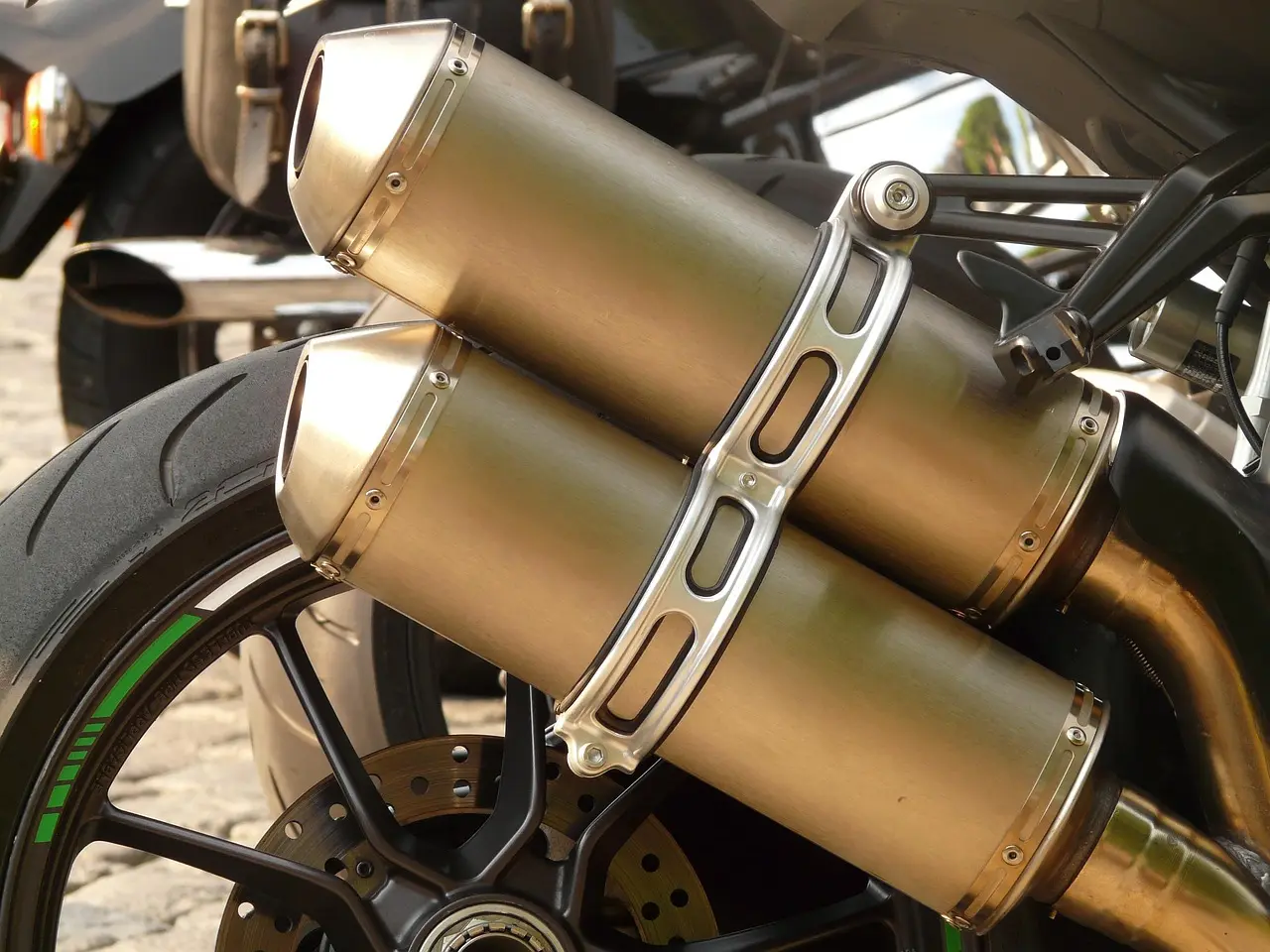
Mufflers are often chosen for appearance. If the rider wants a bright rear section and does not mind polishing, chrome can fit that part well; if heat near a passenger leg or body panel is the issue, coating still has the edge.
Where each finish fails first
Ceramic coating tends to fail first through bad prep, contamination, or thermal cycling that causes flaking or color shift. Chips can happen too, especially from stone strikes on low-mounted pipes.
Chrome usually fails first through dulling, staining, pitting, or heat discoloration. Once corrosion starts under damaged chrome, the problem can be hard to reverse without re-plating or replacing the part.
Surface prep and application risks
Blasting, stripping, and degreasing before coating
Surface prep is not optional for motorcycle exhaust ceramic coating. The part needs old finish removed if needed, then media blasting or careful stripping, followed by complete degreasing so oil, silicone, and exhaust residue do not block adhesion.
- Remove the exhaust part from the motorcycle.
- Strip old coating or chrome if the shop requires it.
- Blast or abrade the surface to the correct profile.
- Degrease until no film or residue remains.
- Mask flanges, O2 bungs, threads, and sealing surfaces.
- Apply and cure the finish to the shop’s spec.
Masking details that matter
Flanges, O2 bungs, and threaded holes need masking so the coating does not interfere with fitment. A thin finish on the wrong surface can cause leaks, sensor problems, or hardware that no longer threads cleanly.
Fitment is a real issue on headers. If coating thickness changes flange seating or gasket contact, the part may not bolt up correctly.
Why poor prep leads to failure
Poor prep creates failure modes that are easy to spot later: flaking, blotchy color, weak adhesion, and contamination that keeps the surface from curing properly. That risk is one reason professional work often lasts longer than rushed DIY prep.
A common first-timer mistake is coating over a pipe that still has polish residue in a seam or on a weld. The finish may look fine at first, then lift or discolor after a few heat cycles.
Exhaust finish decision table
| Use case | Part | Desired look | Heat sensitivity | Maintenance tolerance | Better choice | Caution |
|---|---|---|---|---|---|---|
| Daily commuting in traffic | Headers | Any clean factory-style finish | High | Low | motorcycle exhaust ceramic coating | Prep must be clean; bad masking can affect flange fit and O2 bungs |
| Long-distance touring | Mid-pipes | Neutral satin | Medium | Low | motorcycle exhaust ceramic coating | Ask whether the part needs full stripping; old residue can cause uneven cure |
| Track use | Headers | Function first | High | Low | motorcycle exhaust ceramic coating | Thermal cycling is severe; flaking risk rises if prep or cure is rushed |
| Show bike | Mufflers | Bright mirror finish | Low | High | chrome | Keep polish off seams and do not use abrasives that cloud the finish |
| Street bike with fairings | Headers | Subtle or hidden finish | High | Low | motorcycle exhaust ceramic coating | Heat near bodywork matters more than rear-pipe shine |
| Weekend cruiser | Mufflers | Mirror shine | Low | Medium | chrome | Chrome can blue or stain if it is cleaned late and left wet |
Cost and long-term ownership
Shop pricing versus DIY prep
Cost is not just the coating fee. A real quote can include stripping, blasting, degreasing, masking, curing, and the labor to handle hard-to-fit exhaust pieces.
DIY prep can lower the invoice, but it also increases the chance of contamination or masking mistakes. If a part has to be redone, recoating can erase the savings fast.
What drives the real cost
Headers usually cost more to do well because they are more complex and more heat-sensitive. Mid-pipes and mufflers can be simpler, but the shop still has to prep them correctly if the finish is going to hold up.
Chrome may look cheaper at first if the part already comes plated, but the long-term cost can rise if you add regular polishing, protectants, and occasional repair or replacement after pitting.
When ceramic costs more up front but less over time
If you ride often and care about heat, motorcycle exhaust ceramic coating can be the lower-cost choice over time because it trims cleaning effort and may reduce the need for cosmetic correction. That advantage is strongest on headers and tightly packaged bikes.
Chrome makes more sense when the bike is a show-first build and the owner accepts regular care. The price of shine is upkeep.
Choose motorcycle exhaust ceramic coating if… / Choose chrome if…
Choose motorcycle exhaust ceramic coating if…
Choose motorcycle exhaust ceramic coating if the header heat bothers your leg, the pipes sit close to fairings or bodywork, or you want less cleaning and less polishing. It is also the better pick for commuting, touring, and track use where heat control matters more than mirror shine.
Choose chrome if…
Choose chrome if the finish is mainly about appearance, the part is a cooler-running muffler or rear section, and you are willing to polish it regularly. It fits show bikes and bright-cruiser styling best, as long as you accept heat discoloration and more care.

- Turn down style
- Fits 1.5-inch pipes
- Chrome finish
Frequently asked questions
Is ceramic coating better than chrome for a motorcycle exhaust?
For most riders, yes. Motorcycle exhaust ceramic coating is the better all-around choice when heat control, lower cleaning effort, and long-term value matter. Chrome is better when the visual goal is a bright, reflective surface and you accept more polishing and more visible heat staining over time.
Does ceramic coating keep motorcycle exhausts cooler than chrome?
It usually does a better job of reducing radiant heat than chrome, especially on headers. That does not make the pipe cold, but it can lower the amount of heat the rider feels near the leg, fairing, or under-seat area. Chrome is mainly a cosmetic finish.
How long does ceramic coating on a motorcycle exhaust last?
There is no single lifespan figure that fits every exhaust. Longevity depends on prep quality, thermal cycling, road debris, and cleaning habits. A properly prepared and cured coating generally lasts much longer than a rushed job, while poor prep can cause flaking or discoloration early.
How much does ceramic coating a motorcycle exhaust cost?
Cost depends on part size, whether the old finish must be stripped, and how much masking and labor are needed. Headers usually cost more than slip-ons or mufflers because they are hotter and more complex. The total should include prep, application, and any recoating risk.
Can you ceramic coat a chrome motorcycle exhaust pipe?
Yes, but the chrome usually needs to be stripped or prepared correctly first. Coating over chrome without the right prep can hurt adhesion and create peeling or uneven color. A shop should specify whether the part will be blasted, stripped, or otherwise treated before coating.
How do I clean and maintain a coated motorcycle exhaust?
Use mild soap, water, and a soft microfiber cloth. Avoid abrasive pads, harsh metal polish, and strong chemicals that can dull or damage the finish. Inspect the coating regularly for chips, lifting, or contamination, especially near welds, edges, and high-heat header sections.