
What Are Dual Exhaust Tips and Do They Matter?
Dual exhaust tips are two visible outlets at the rear; they are more meaningful when they match a true dual-exhaust layout with separate flow paths, rather than serving as a cosmetic outlet on one pipe. Buying by looks alone can mean paying for no performance gain and, sometimes, the wrong fitment. This guide explains the setup, the differences between appearance-only and true dual systems, and how to check what your car actually has.
What are dual exhaust tips?
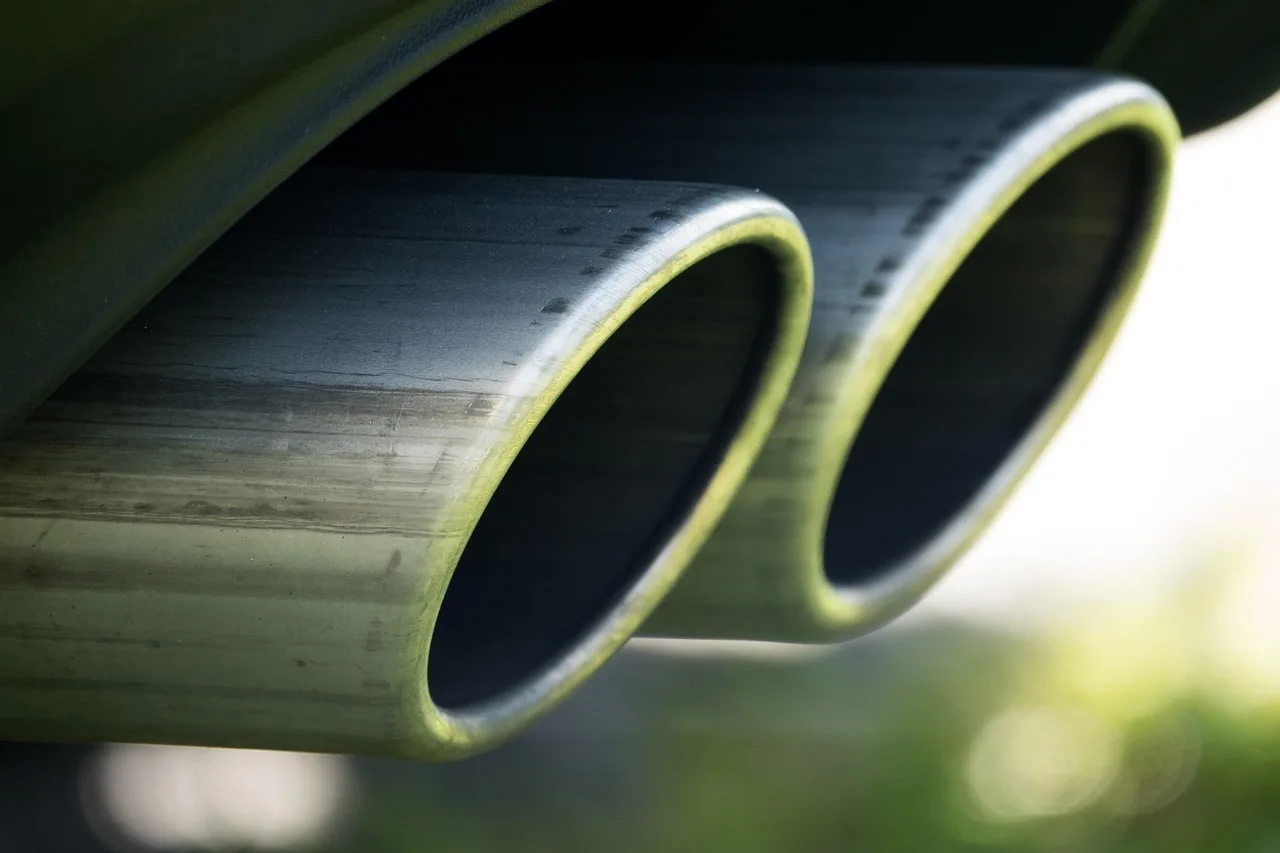


Dual exhaust tips are two visible rear outlets on one side or across both sides of a vehicle. They may be purely cosmetic, or they may sit on top of a real dual-path exhaust system. The visible tips tell you how the rear looks, but not always how the exhaust flows.
Dual-tip appearance versus true dual exhaust
A single exhaust system can wear dual tips by splitting one outlet into two visible ends. A true dual exhaust uses separate exhaust paths, often one per engine bank on a V engine, so the rear outlets are part of a different piping layout. Those are not the same thing.
Single pipe, split tip, and dual-outlet muffler layouts
There are a few common ways a vehicle can end up with two rear outlets. One is a single pipe with a split-tip design. Another is a dual-outlet muffler with one inlet and two outlets. The third is a true dual exhaust with separate piping for each bank or flow path.
Common tip shapes and finishes
Dual exhaust tips come in round, oval, square, and dual-wall styles. Size and finish matter for the look and for fit. Stainless steel resists rust better than cheap plated steel, while chrome-plated and black-coated finishes change the look but can show heat marks and soot differently over time.
Do dual exhaust tips matter?
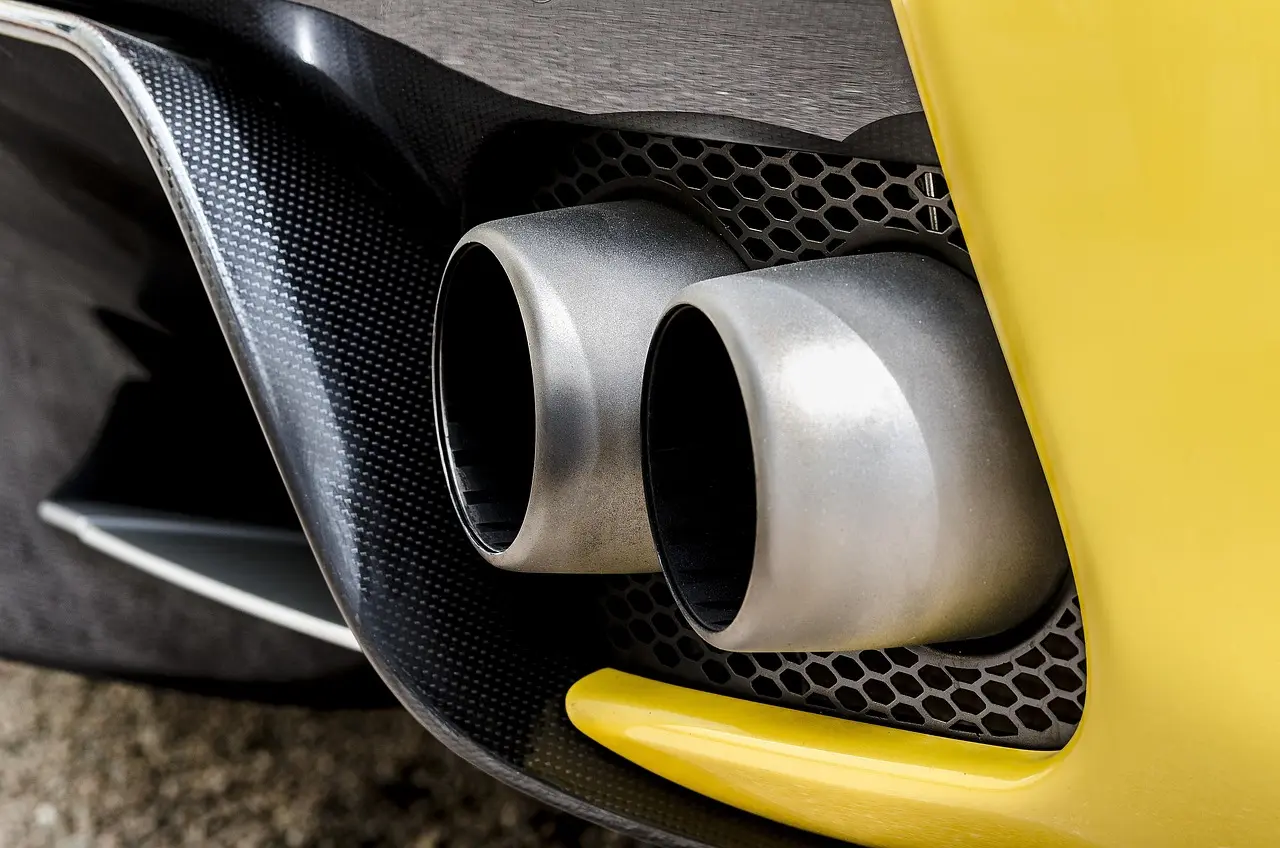
Dual exhaust tips matter most for appearance and packaging. They can change the rear look, the exit position, and sometimes the note at the tailpipe, but the exhaust tips themselves usually add little power or fuel economy. The rest of the exhaust path does the heavy lifting for flow and sound.
What changes
The biggest change is visual. Dual tips can make a rear bumper look more symmetrical, hide a single outlet less obviously, or fill a larger bumper cutout. They can also shift soot away from one side of the bumper if the exit style matches the bodywork.
What does not change?
Dual tips do not change engine layout. They do not turn a single exhaust into true dual exhaust. They also do not remove catalytic converter restriction, change muffler design, or meaningfully alter power by themselves. If the piping and muffler stay the same, the gains stay small.
Why tip size matters more for fit than for performance
Exhaust tip diameter is commonly listed in inches or millimeters, and it must suit the outlet size and the bumper cutout. A tip that is too large can hit trim or suspension travel, while a tip that is too small can look awkward. The sizing choice is mainly a fit and proportion decision, not a horsepower one.
Back pressure is often discussed here, but tips alone rarely change it in a meaningful way. Back pressure is exhaust resistance. The larger drivers are pipe length, pipe diameter, bends, muffler design, catalytic converters, and whether the system uses one path or two.
Which exhaust setup do you actually have?
You need to identify the layout before you buy tips. A vehicle can have a dual-tip look with a single exhaust, a dual-outlet muffler, or a true dual system. The rear view can be misleading, so trace the pipe or inspect the muffler before assuming the hardware.
Single exhaust system
A single exhaust system generally has one exhaust path from the engine or muffler to the rear. It is often simpler, lighter, and cheaper than a true dual setup. Many owners add a dual-tip appearance to this layout because it changes the rear styling without changing the whole system.
Dual-outlet muffler
A dual-outlet muffler has one inlet and two outlets. It creates a dual-tip look without full dual piping and is common on OEM styling packages. In many cases, this is the middle ground: more visual presence than a single outlet, but not true dual exhaust.
True dual exhaust
True dual exhaust uses separate exhaust paths for bank-to-bank flow, usually on V-configured engines. It is usually chosen for flow capacity and packaging, not just looks. On many cars, the rear tips are the easiest clue that a true dual system is present, but the piping must confirm it.
Dual side-exit layout
Dual side-exit styling routes the outlets to the sides rather than straight rearward. That changes the look and can change soot patterns, but it also raises clearance questions around bodywork, heat shields, and suspension travel. The layout has to clear all moving parts under load.
Dual-tip decision table
| Setup type | Typical vehicle use | What changes | What does not change | Common mistake | Recommendation |
|---|---|---|---|---|---|
| Single pipe with dual-tip | Four-cylinder cars, compact sedans, mild styling upgrades | Rear appearance, outlet symmetry, sometimes a slightly sharper tailpipe note | Engine layout, most exhaust flow, power, fuel economy | Expecting real performance gains from the tips alone | Choose this when you want the look and the bumper has room for the tip size |
| Dual-outlet muffler | OEM appearance packages, V6 trims, some crossovers and trucks | Visible dual exits, possible modest tone change at the rear | Front-end exhaust architecture and most flow limits | Assuming two outlets always mean true dual exhaust | Good for factory-like appearance when you want two outlets without full dual piping |
| True dual exhaust | V6, V8, diesel trucks, performance builds | Flow capacity, exhaust routing, often tone and load handling | Need for proper tuning, emissions hardware, and correct pipe sizing | Buying oversized tips instead of correct piping | Worth considering when the engine layout and use case benefit from separate paths |
| Dual side-exit layout | Trucks, off-road builds, specialty styling packages | Exit position, visible stance, soot placement, clearance requirements | Core engine output and emissions behavior | Ignoring heat near body panels and suspension movement | Use only when the body shape and suspension travel leave enough safe clearance |
Can you add dual exhaust tips to a single exhaust?
Yes, you can usually add dual exhaust tips to a single exhaust, but the method matters. A clamp-on tip can preserve the current system, while a weld-on tip gives a more permanent fit. The main checks are outlet size, bumper clearance, and whether the tip will sit safely under heat and vibration.
- Measure the outlet first. Measure the existing pipe or muffler outlet in inches or millimeters, then match the tip inlet to that size. A mismatch is the fastest way to get rattles, leaks, or a tip that slips.
- Check bumper clearance. Confirm the rear cutout, valance shape, and suspension travel before buying. The tip must clear the body at full movement, not just while parked on level ground.
- Choose the attachment method. Use a clamp-on tip if you want a reversible change and the fit is correct. Choose a weld-on tip if you need a cleaner, fixed fit for custom work or a factory-like finish.
- Confirm heat and soot behavior. Make sure the finish can handle exhaust heat and that the outlet will not direct soot across paint or trim. Black-coated and chrome-plated finishes can discolor or show deposits faster than stainless steel.
A common first-timer mistake is buying a 4-inch tip because it looks right in photos, then finding that the bumper cutout only leaves room for about a 3-inch outside diameter. The result is usually awkward spacing, extra heat near the valance, or a tip that looks oversized for the car.
What should you check before you buy?
Check the outlet size, exit style, and available space before you buy any dual tip. Then decide whether you want a visual change only or a different exhaust architecture. Those two goals lead to different parts lists and different installation risks.
Tip diameter and outlet size
The tip inlet must match the pipe or muffler outlet closely enough to clamp or weld securely. The visible outside diameter should also suit the bumper opening. A tip that is too small disappears visually; a tip that is too large can crowd trim or heat-sensitive parts.
Exit style and body clearance
Rear exit, side exit, turn-down, and dual side exit all affect the look and the soot pattern. Side exits need more attention to body clearance. Turn-downs can keep soot farther from the bumper, but they usually change the appearance more than the flow.
Material, finish, and corrosion resistance
Stainless steel is the best everyday choice for corrosion resistance and easier cleaning. Chrome-plated steel can look bright when new, but road salt and heat cycling can age it quickly. Black-coated tips hide soot well at first, then show wear where the coating gets hot.
Soot pattern and maintenance
Dual tips can split soot across two outlets, which can make cleaning easier or harder depending on placement. A tip that sits too close to the bumper may leave deposits on paint or trim. Regular wipe-downs reduce corrosion marks and keep the finish more consistent.
Suppose a V6 sedan has a rear bumper cutout sized for two outlets, but the car actually uses a single pipe and a dual-outlet muffler. In that case, the visual change is real, the flow change is usually modest, and the owner should focus on exact tip size and heat clearance rather than expecting a power jump.
What do dual exhaust tips do?
Dual exhaust tips mainly change the rear appearance and the way the outlet is packaged under the bumper. On a true dual system, they can be part of a broader flow layout. On a single system, they usually change the look far more than the engine’s actual breathing.
That is why the same rear image can mean different hardware underneath. One vehicle may have a split tip on one pipe, while another has separate left and right exhaust paths. The visual cue is useful, but it is not proof of flow capacity.
Do dual exhaust tips improve performance or sound?
Dual exhaust tips alone usually do not improve performance in a meaningful way, and sound changes are usually subtle. If the muffler, pipe diameter, catalytic converters, and routing stay the same, the tip is a minor part of the system. Real gains come from the full exhaust design, not the outlet shape.
Performance limits
Tip changes rarely move enough air to matter on their own. The engine sees the whole system upstream, not just the last few inches at the rear. If performance is the goal, look first at piping, mufflers, and whether the vehicle benefits from a true dual layout.
Sound changes
A different tip can shift the tone slightly at the tail end, especially if the tip length or outlet angle changes. Even so, the muffler and resonator control most of the sound. A louder note usually comes from a different exhaust design, not from the tip alone.
Fuel economy
Fuel economy changes from tips alone are usually too small to notice. Any real change is more likely to come from the broader exhaust system, tuning, or engine load. A tip should be chosen for fit, durability, and appearance first.
Is dual exhaust better than single exhaust?
Dual exhaust is not automatically better than single exhaust. A true dual system can help on some V engines, trucks, and higher-output builds, but a well-sized single system can be the better fit for a smaller engine or a daily driver. The right choice depends on flow need, packaging, and budget.
Four-cylinder cars usually benefit least from true dual exhaust because the engine does not need separate bank-to-bank routing. V6s can benefit when the factory layout supports it. Diesels and trucks may see better flow handling under load, but the rest of the system must still be sized correctly.
For many owners, a dual-tip setup on a single exhaust gives the appearance upgrade without the cost, weight, or packaging work of a true dual system. That is often the smarter move when the goal is style rather than major exhaust changes.
Frequently asked questions
Do dual exhaust tips make a difference?
Yes, but mostly in appearance and fitment. Dual tips can change the rear styling and sometimes the outlet tone, yet they usually do very little for power or fuel economy. If the rest of the exhaust stays the same, the effect is limited.
What does dual exhaust do?
Dual exhaust gives the engine two exhaust paths or a two-outlet appearance, depending on the setup. In a true dual system, it can improve flow capacity. In a cosmetic setup, it mainly changes the look at the rear and may alter the tailpipe note slightly.
Do dual exhaust tips change back pressure?
Usually not in any meaningful way. Back pressure depends on the whole exhaust system, including pipe size, bends, muffler design, and catalytic converters. A tip alone is too small a change to matter much unless it is paired with a larger redesign.
Which vehicles actually benefit from dual exhaust tips?
Vehicles with rear bumper space for two outlets and enough room for proper clearance benefit most visually. V6s, trucks, and some diesels can also suit dual tips well when the rear hardware supports them. Four-cylinder cars usually gain the most from the styling change, not from performance.