Do You Wax Polished Stainless Steel Tailpipes?
Many car owners wonder, Do You Wax Polished Stainless Steel Tailpipes? It’s a common question, especially for those new to keeping their vehicle looking its best. Sometimes, the shine can fade, or water spots appear, leaving you guessing what to do next. Don’t worry, it’s simpler than you might think!

Rolite
Rolite Metal Polish Paste, 4.5 oz, Industrial…
- PROTECTS AND POLISHES: Our Rolite Metal Polish Paste removes scratches and polishes metal surfaces, while leaving behind a protect…
- SAFE ON MOST METALS: Safe to use on painted surfaces, our metal polish can be used on aluminum, brass, bronze, chrome, copper, gol…
- MULTIPURPOSE AND EASY TO USE: Our polishing compound works great on guns, knives, swords, boat hulls, bathtubs, countertops, stain…
As an Amazon Associate I earn from qualifying purchases.
This guide will walk you through everything you need to know with easy steps. We’ll get those tailpipes looking great in no time.
Caring For Polished Stainless Steel Tailpipes
Polished stainless steel tailpipes add a sleek, custom look to any vehicle. They offer a mirror-like finish that can really make a car stand out. However, keeping them in top condition requires a bit of know-how.
Without the right care, they can lose their shine, become dull, or even develop unsightly marks. This section explores the basics of why and how you should care for them.
Why Polished Stainless Steel Needs Protection
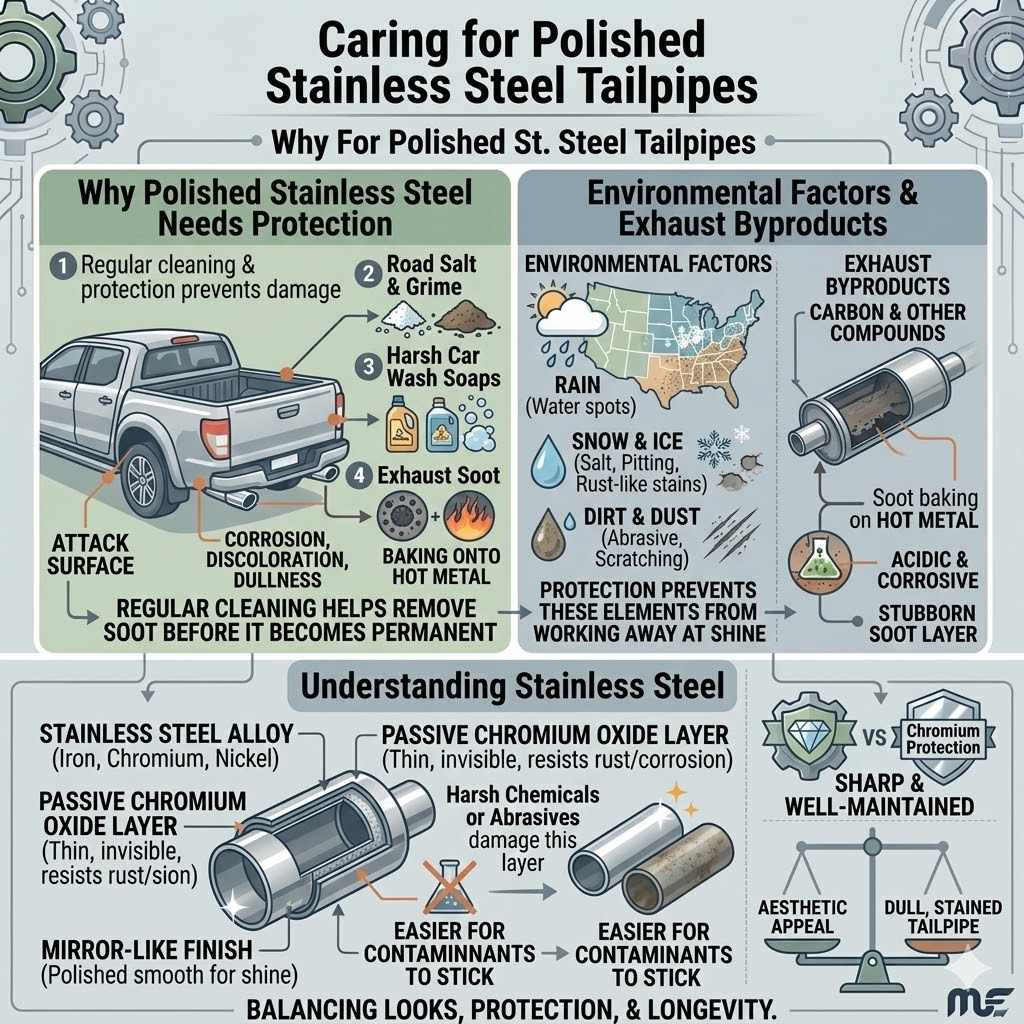
Polished stainless steel, while durable, is not immune to the elements. Road salt, grime, exhaust soot, and even harsh car wash soaps can attack its surface. This can lead to corrosion, discoloration, and dullness.
Regular cleaning and protection prevent this damage.
- Environmental Factors
These are the biggest culprits. Think about the weather. Rain can leave water spots. - Snow and ice, often treated with salt, can cause pitting and rust-like stains over time. Even dirt and dust kicked up from the road contain abrasive particles that can scratch the surface if not removed gently. Without protection, these elements work away at the shine.
- Exhaust Byproducts
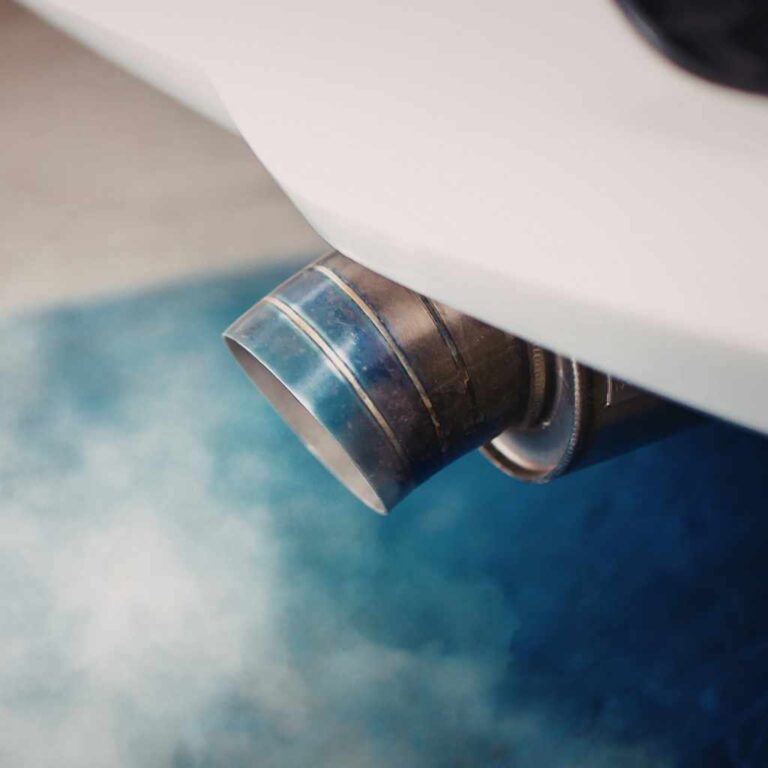
The very gases your tailpipe expels contain carbon and other compounds. These can bake onto the hot metal, forming a stubborn soot layer. This soot isn’t just ugly; it can also be acidic and corrosive. - Regular cleaning helps remove this before it becomes a permanent fixture.
- Aesthetic Appeal
Most people choose polished stainless steel for its looks. A dull, stained tailpipe detracts from the overall appearance of the car. Protecting the finish ensures your car continues to look sharp and well-maintained.
Understanding Stainless Steel
Stainless steel is an alloy of iron, chromium, and often nickel. The chromium forms a thin, invisible layer of chromium oxide on the surface. This layer is what makes stainless steel “stainless” – it resists rust and corrosion.
However, this passive layer can be damaged by harsh chemicals or abrasive materials. When it’s polished, the surface is made very smooth, reflecting light and giving it a mirror-like shine. This smooth surface can also make it easier for contaminants to stick if not properly protected.
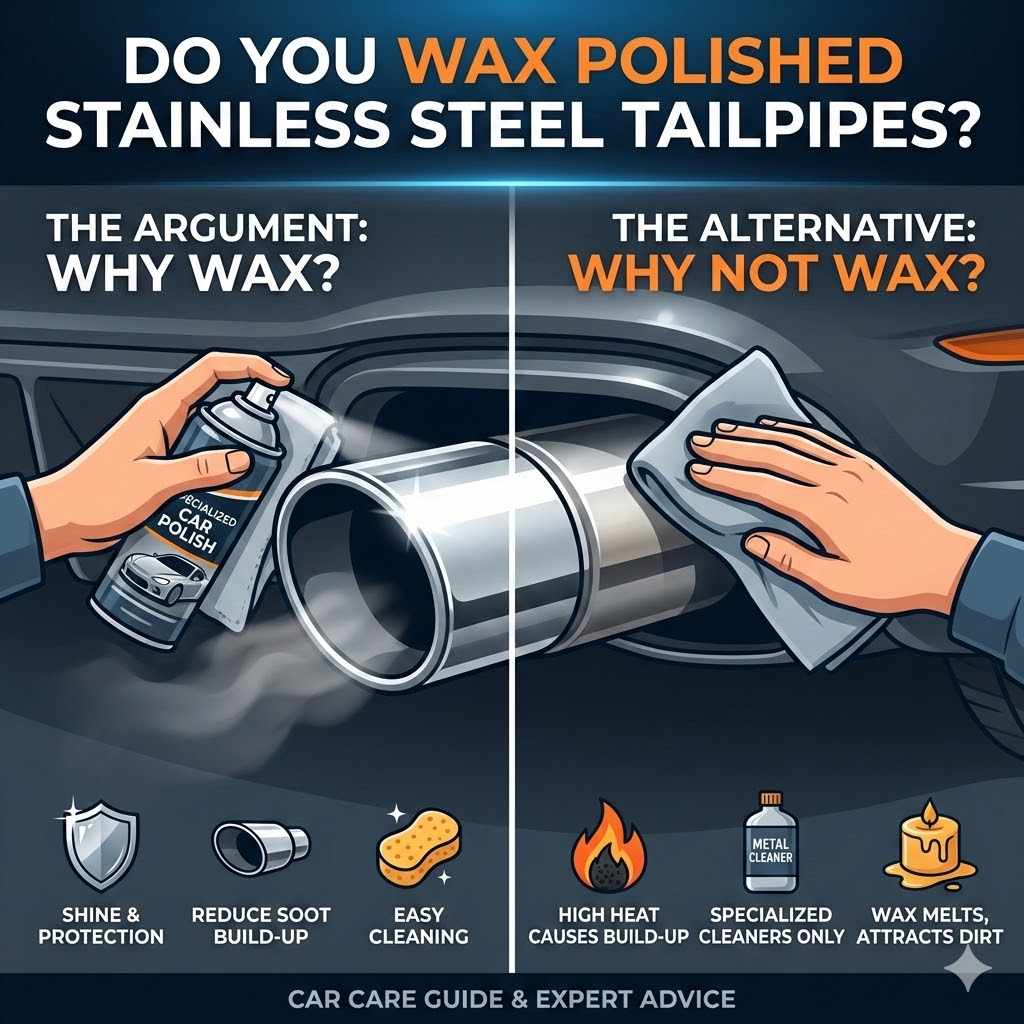
Do You Wax Polished Stainless Steel Tailpipes For Shine
The question of waxing is central to maintaining that brilliant shine on your tailpipes. Waxing provides a protective barrier and enhances reflectivity, making the stainless steel look its absolute best. This section details how waxing helps and what you should use for optimal results.
The Role of Wax in Enhancing Shine
Wax acts as a sacrificial layer. When you apply a quality wax, it fills in microscopic imperfections on the polished surface. This creates a smoother, more uniform finish that reflects light more effectively, leading to increased shine.
Think of it like waxing a car’s paintwork; it adds depth and gloss.
More importantly, wax provides a barrier against the elements we discussed earlier. It repels water, preventing water spots. It can also offer some protection against light road grime and exhaust soot, making future cleaning easier.
This barrier is key to long-term brilliance.
Types of Protective Coatings
When we talk about “waxing” for tailpipes, we often mean applying a sealant or a high-temperature wax designed for exhaust components. Not all waxes are created equal, and some automotive waxes might not withstand the heat generated by your exhaust system.
- High-Temperature Waxes and Sealants
These are specifically formulated to handle the heat from exhaust systems. They create a durable, heat-resistant barrier. Look for products marketed for exhaust tips or headers. - These often contain synthetic polymers that offer superior protection and longevity compared to traditional carnauba waxes.
- Ceramic Coatings
While not technically a wax, ceramic coatings offer an advanced level of protection. They bond with the metal surface on a molecular level, creating an extremely hard, durable, and hydrophobic (water-repelling) layer. Ceramic coatings provide excellent protection against heat, UV rays, chemicals, and environmental contaminants. - They are a more permanent solution than waxes but require more careful application.
- Metal Polishes with Sealants
Some metal polishes contain mild abrasives to clean and polish, along with a sealant to protect the newly shined surface. These can be a good option for regular maintenance. They clean, polish, and protect in one step, which is very convenient.
Application Tips for Best Results
Proper application is crucial for any protective coating. Even the best product won’t perform well if applied incorrectly. Always start with clean, cool tailpipes.
Apply thin, even coats. Allow the product to cure according to the manufacturer’s instructions before exposing the tailpipes to heat or moisture.
How To Clean And Protect Your Tailpipes Step By Step
Now that you know why and what to use, let’s get down to the practical steps. Following a routine cleaning and protection process will ensure your polished stainless steel tailpipes look their best for a long time. This guide breaks down the process into simple, manageable steps for anyone to follow.
Step 1 Thoroughly Clean The Tailpipes
This is the most important step. Any dirt, grime, or old wax will prevent the new protection from adhering properly. Start by washing the tailpipes with a mild car wash soap and water.