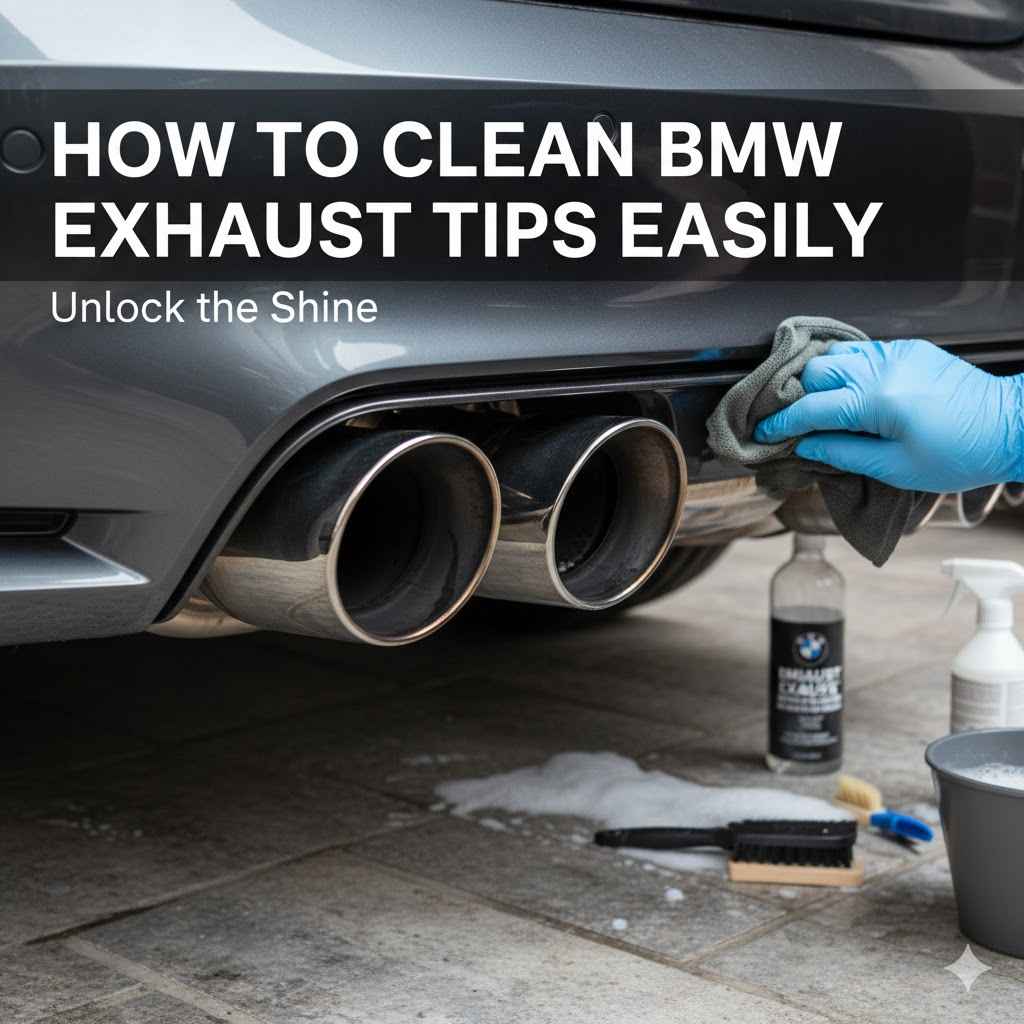
How to Clean BMW Exhaust Tips Easily
Keeping your BMW looking its best often means paying attention to those little details, like the exhaust tips. Many BMW owners wonder how to clean BMW exhaust tips because they can get quite dirty with soot and road grime, making the whole car look less shiny. It might seem like a tricky job, especially if you’re new to car care, but it’s actually quite simple.
We’ll walk you through a straightforward process to get them sparkling again, making your BMW’s rear end look as good as new.
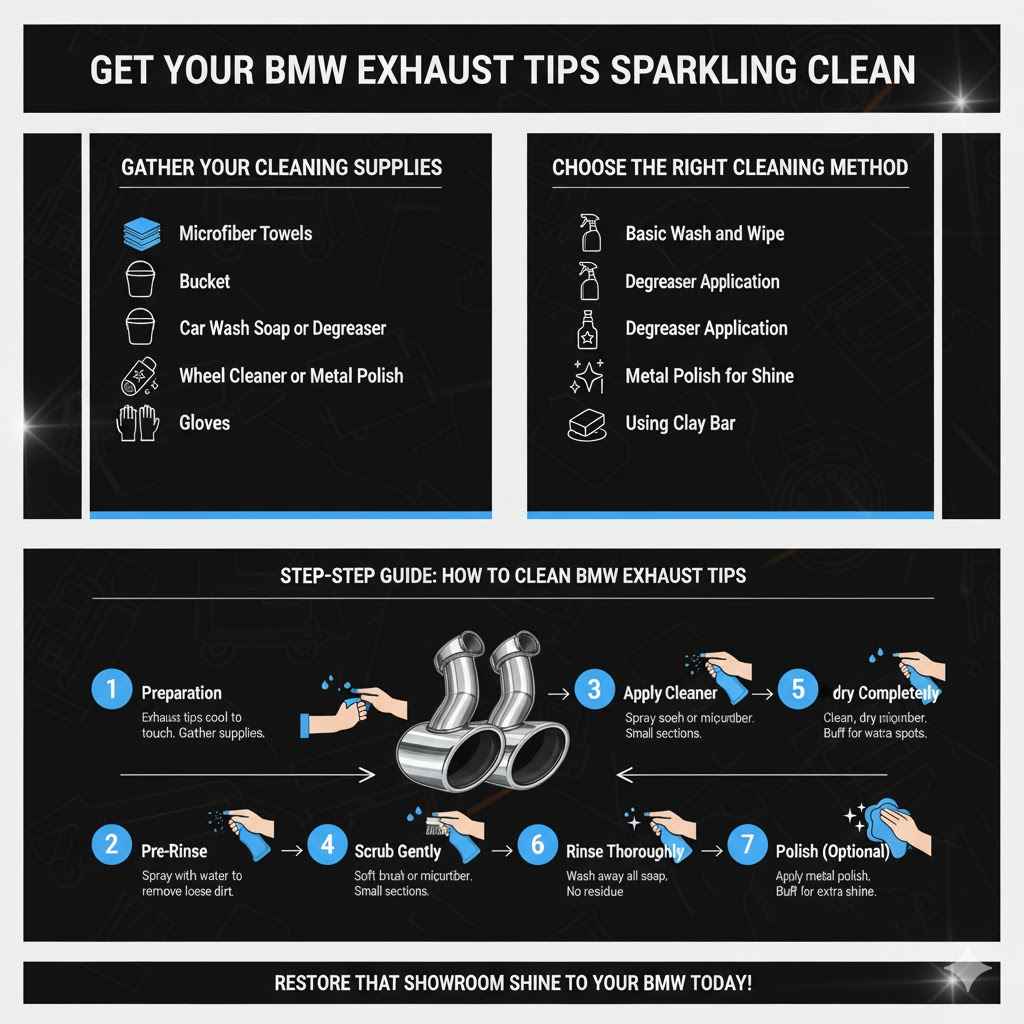
Get Your BMW Exhaust Tips Sparkling Clean
This section will guide you through the essential steps for cleaning your BMW exhaust tips. We will cover the tools and materials you need, the best cleaning methods, and tips to prevent future buildup. You’ll learn how to safely and effectively restore the shine to your exhaust.
This process is designed to be easy for anyone to follow, even if you’ve never cleaned them before.
Gather Your Cleaning Supplies
Before you start cleaning, having the right supplies makes the job much easier. You don’t need special equipment, just a few common household items and some car care products.
- Microfiber Towels: These are essential for washing and drying. They are soft and won’t scratch your exhaust tips. Using a clean towel for each step prevents transferring dirt back onto the surface.
- Bucket: You’ll need at least one bucket for your cleaning solution. Having a second bucket for rinsing can be helpful to avoid cross-contamination of dirt.
- Car Wash Soap or Degreaser: A pH-neutral car wash soap is safe for most finishes. For tougher grime, a dedicated degreaser can be very effective. Make sure it’s safe for chrome or stainless steel if that’s what your tips are made of.
- All-Purpose Cleaner: This can be useful for pre-treating stubborn spots before the main wash.
- Wheel Cleaner or Metal Polish: Depending on the material of your exhaust tips and how heavily they are soiled, you might need a stronger cleaner or a polish to restore shine. Stainless steel and chrome require different approaches. Always check the product label for compatibility.
- Gloves: Protect your hands from cleaning chemicals and dirt.
Choose the Right Cleaning Method
The best cleaning method depends on the type of dirt and the material of your exhaust tips. For regular maintenance, a simple wash is often enough. For baked-on soot and heavy grime, you might need a more intensive approach.
- Basic Wash and Wipe: For light dirt, a simple wash with car soap and water is effective. After washing, dry thoroughly with a microfiber towel to prevent water spots.
- Degreaser Application: For greasy buildup or heavy soot, a degreaser works well. Spray it on, let it sit for a few minutes (but don’t let it dry), and then scrub gently before rinsing.
- Metal Polish for Shine: If your tips have lost their luster or have minor scratches, a metal polish can restore a mirror-like finish. This step is usually done after cleaning and drying.
- Using Clay Bar: For very stubborn contaminants that washing doesn’t remove, a clay bar can lift embedded dirt without scratching. Use it with a lubricant spray.
Step-by-Step Guide: How to Clean BMW Exhaust Tips
Follow these steps to effectively clean your BMW exhaust tips. This guide breaks down the process into manageable parts, ensuring a great result without unnecessary effort.
- Preparation: Make sure the exhaust tips are cool to the touch. Never wash hot exhaust components, as this can damage them. Gather all your supplies.
- Pre-Rinse: Spray the exhaust tips with water to remove loose dirt and debris. This prevents scratching during the washing phase.
- Apply Cleaner: Spray a car wash soap solution or a degreaser onto the exhaust tips. For tougher grime, you might want to use a dedicated exhaust cleaner.
- Scrub Gently: Use a soft brush or a microfiber cloth to gently scrub the surface. Work in small sections. For heavily soiled areas, you may need to apply a bit more pressure or let the cleaner sit longer.
- Rinse Thoroughly: Wash away all the soap and grime with clean water. Ensure no cleaning product residue is left behind.
- Dry Completely: Use a clean, dry microfiber towel to dry the exhaust tips thoroughly. This prevents water spots and maintains the shine.
- Polish (Optional): If you want an extra shine, apply a small amount of metal polish to a clean microfiber cloth and rub it onto the tips in a circular motion. Buff off any residue with a separate clean cloth.
Addressing Stubborn Soot and Discoloration
Sometimes, exhaust tips develop stubborn soot and discoloration that basic washing can’t fix. This section focuses on tackling those tougher cleaning challenges effectively. We will explore different approaches and products designed for deep cleaning without causing damage to your exhaust components.
Understanding Soot and Discoloration
Soot is a common byproduct of combustion. It’s a black, powdery residue that can build up on exhaust tips over time. Discoloration, often appearing as blue or brown hues, can happen due to high exhaust temperatures.
Understanding the cause helps in choosing the right cleaning approach.
- Soot Buildup: This is fine black particulate matter from unburned fuel. It adheres strongly to surfaces and can be quite greasy. Frequent short trips and a rich fuel mixture can contribute to heavier soot.
- Heat Discoloration: High exhaust temperatures can cause the metal to change color. Stainless steel, for instance, can turn blue or brown when exposed to intense heat. This is a physical change in the metal itself.
- Road Grime and Tar: In addition to soot, exhaust tips collect road spray, tar, and other environmental contaminants, which can bake on over time and create a stubborn layer of dirt.
Specialized Cleaning Products
For difficult cleaning jobs, specialized products offer a more potent solution than everyday car soap. It’s important to select products specifically designed for automotive exhaust components to avoid damage.
- Exhaust Tip Cleaners: These are formulated to break down carbon deposits and soot. They are often more aggressive than general-purpose cleaners but safe when used as directed.
- Metal Polishes: For restoring shine and removing light discoloration from heat, metal polishes are excellent. They contain mild abrasives that polish the metal surface, bringing back its original gleam. Brands like Autosol or Simichrome are popular choices.
- Chemical Guys, Meguiar’s, and Mothers: Many reputable car care brands offer products specifically for cleaning and polishing exhaust tips. Always read reviews and product descriptions to ensure suitability for your specific exhaust tip material.
Advanced Cleaning Techniques
When standard methods aren’t enough, try these more advanced techniques. They require a bit more care and the right products to ensure safety and effectiveness.
- Using an All-Purpose Cleaner (APC) First: Spray a diluted APC on the tips and let it dwell for a few minutes to loosen grime. This can make subsequent cleaning easier.
- Tackling Heavy Soot with Degreaser: Apply a heavy-duty degreaser to the soot-covered areas. Allow it to work for the time recommended on the product label, then gently scrub with a non-abrasive brush.
- Restoring Shine with Metal Polish: After cleaning and drying, apply a metal polish to a microfiber applicator pad. Rub the polish onto the exhaust tip in a consistent pattern. Buff the residue with a clean, soft cloth.
- For Extreme Discoloration: If the blue or brown discoloration is very deep, a stronger polish or even a very fine grit sandpaper (used with extreme caution and water) might be necessary. However, this carries a risk of scratching, so it’s best left as a last resort.
Real-Life Example: Restoring Burnt Tips
John’s BMW M4 had exhaust tips that were deeply stained with blue and brown discoloration from spirited driving. Standard car wash soap did nothing. He first used a strong degreaser, which removed some of the black soot but not the color.
Next, he applied a high-quality metal polish. After significant rubbing with a microfiber cloth, the tips began to regain their silver shine, though some deep blue remained. For a full restoration, he considered a professional detailer who could use more aggressive compounds, but for DIY, polishing was the most effective step.
Maintaining Your BMW Exhaust Tips
Keeping your BMW exhaust tips clean involves more than just occasional washing. Regular maintenance is key to preventing heavy buildup and preserving their appearance. This section will cover tips and tricks for long-term care, making future cleaning easier and keeping your BMW looking sharp.
Regular Washing Schedule
The frequency of cleaning depends on your driving habits and environmental conditions. However, a consistent schedule will make a significant difference.
- Monthly Wash: Aim to wash your car, including the exhaust tips, at least once a month. This removes fresh soot and grime before it has a chance to bake on.
- After Road Trips or Harsh Conditions: If you’ve driven through mud, salt, or heavy rain, clean the tips sooner rather than later. This prevents corrosive elements from causing damage.
- Quick Wipe Down: Keep a microfiber cloth in your car for quick wipes of the exhaust tips after washing to remove any lingering water spots.
Protective Coatings
Applying protective coatings can make your exhaust tips more resistant to dirt and easier to clean. These coatings create a barrier that prevents contaminants from adhering directly to the metal.
- Ceramic Coatings: A popular option for long-term protection. Ceramic coatings create a hard, durable layer that repels water, dirt, and grime, making cleaning much simpler. They can last for years.
- Spray Sealants: For a quicker application, spray sealants offer good protection for several months. They are easier to apply than ceramic coatings and provide a nice shine.
- Waxes: Automotive waxes can offer a temporary protective layer. While not as durable as ceramic coatings or sealants, they can help repel light dirt and make washing easier for a few weeks.
Preventative Measures
Simple actions can go a long way in keeping your exhaust tips cleaner for longer. These are easy habits to adopt that can save you time and effort in the long run.
- Avoid Excessive Idling: Prolonged idling can lead to a richer fuel mixture and more soot buildup. If possible, limit unnecessary idling.
- Ensure Proper Engine Tuning: A properly tuned engine burns fuel more efficiently, which can reduce soot production. Regular engine maintenance is beneficial.
- Drive Regularly at Highway Speeds: Occasional highway driving can help burn off some of the internal soot buildup in the exhaust system.
- Clean Immediately After a Long Drive: If your exhaust tips are still warm (not hot) after a long drive, a quick wipe-down can remove fresh soot before it hardens.
Statistics on Car Care and Appearance
Maintaining a car’s appearance is important to many owners. Studies show that well-maintained vehicles tend to hold their value better. For instance, a 2020 study by PPG Industries found that well-maintained vehicles could command up to 10-20% more in resale value compared to neglected ones.
Exhaust tips, as a visible part of the car’s rear, contribute significantly to its overall impression of care.
Another relevant statistic comes from a survey by the automotive aftermarket industry association which indicated that 75% of car owners perform some level of regular maintenance or cleaning on their vehicles. This highlights the widespread effort owners put into preserving their car’s condition, with many focusing on visually appealing aspects like clean exhaust tips.
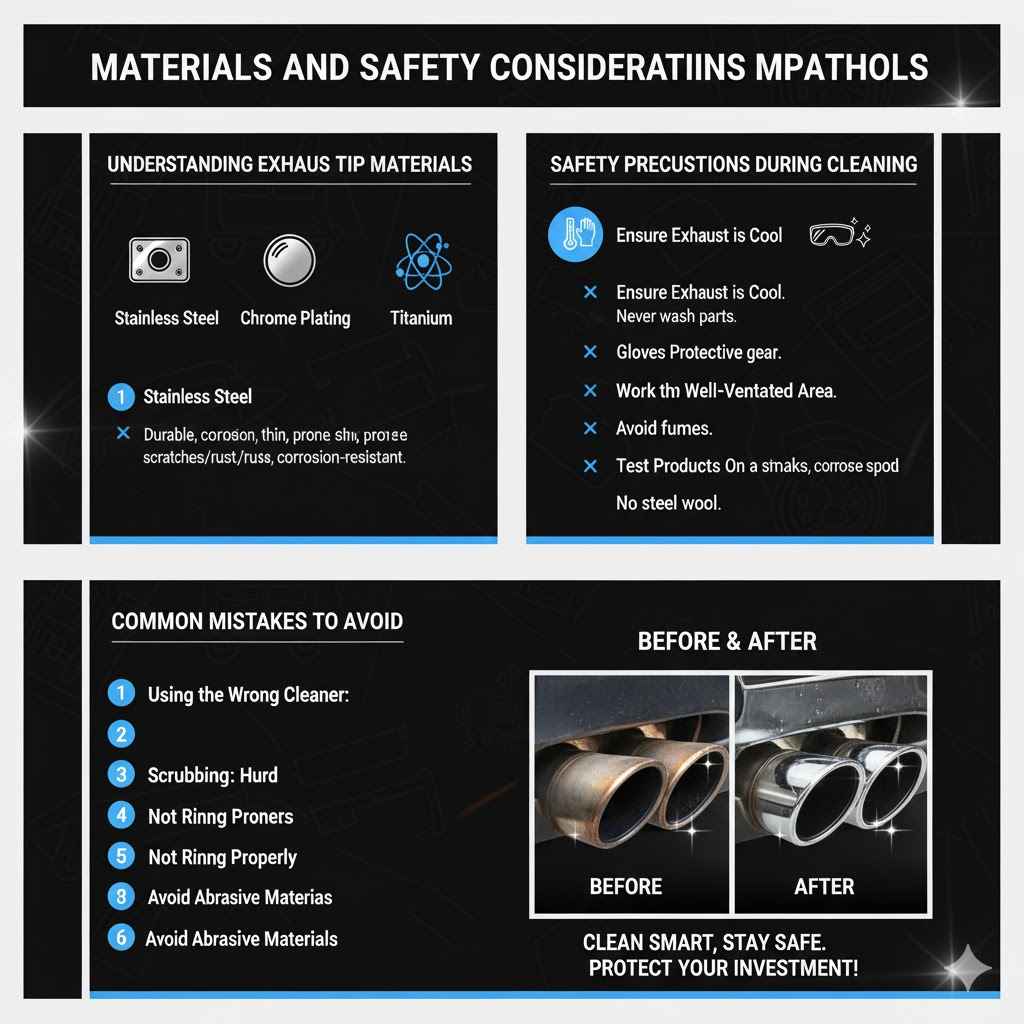
Materials and Safety Considerations
Choosing the right materials and understanding safety precautions are crucial when cleaning your BMW exhaust tips. Using incorrect products or methods can lead to damage, while prioritizing safety ensures a pleasant and effective cleaning experience.
Understanding Exhaust Tip Materials
BMW exhaust tips are typically made from stainless steel, chrome-plated steel, or sometimes titanium. Each material has different properties and requires specific care.
- Stainless Steel: This is a durable and corrosion-resistant metal, common on many BMW models. It can handle heat well but can still get discolored or develop a dull finish over time. It’s generally forgiving to most cleaning agents.
- Chrome Plating: Chrome offers a highly reflective, mirror-like finish. However, the plating can be thin and susceptible to scratching or pitting if harsh abrasives are used. It can also be prone to rust if the chrome layer is compromised.
- Titanium: Less common, but found on performance models. Titanium is lightweight and can develop a distinctive blue or purple hue when heated, which some owners find desirable. It is highly corrosion-resistant.
Safety Precautions During Cleaning
Safety should always be the top priority when working on your car. Following these guidelines will help prevent injuries and damage.
- Ensure Exhaust is Cool: Never touch or clean hot exhaust components. Burns can be severe. Wait at least an hour after driving for them to cool down completely.
- Wear Protective Gear: Always wear gloves to protect your skin from chemicals and dirt. Safety glasses are also recommended, especially when using sprays.
- Work in a Well-Ventilated Area: Some cleaning products can release fumes. Ensure you are in an open area or garage with good airflow.
- Test Products in an Inconspicuous Area: Before applying any new cleaner or polish to the entire exhaust tip, test it on a small, hidden spot to ensure it doesn’t cause damage or discoloration.
- Avoid Abrasive Materials: Steel wool, abrasive sponges, or harsh scrubbing pads can scratch chrome and even some stainless steel finishes. Stick to microfiber cloths and soft brushes.
Common Mistakes to Avoid
Several common mistakes can hinder your cleaning efforts or even damage your exhaust tips. Being aware of these can save you trouble.
- Using the Wrong Cleaner: Using household cleaners not designed for automotive metals can strip protective coatings or etch the surface.
- Scrubbing Too Hard: Aggressive scrubbing, especially with an abrasive tool, can easily scratch the surface, particularly on chrome.
- Not Rinsing Properly: Leaving soap or cleaner residue on the exhaust tips can lead to streaks, water spots, or even corrosion over time.
- Cleaning Hot Exhausts: As mentioned, cleaning a hot exhaust can cause thermal shock and damage the metal, leading to cracking or discoloration.
- Not Drying Thoroughly: Water spots can be unsightly and hard to remove. Always dry the tips completely with a clean microfiber towel.
Frequently Asked Questions
Question: How often should I clean my BMW exhaust tips?
Answer: It’s best to clean them about once a month as part of your regular car washing routine. If you drive in harsh conditions or notice significant buildup, you might need to clean them more often.
Question: Can I use oven cleaner on my exhaust tips?
Answer: No, oven cleaner is too harsh and can damage the finish on your exhaust tips, especially if they are chrome-plated. It’s better to use products specifically designed for car cleaning.
Question: My exhaust tips have turned blue. Can I fix this?
Answer: Blue discoloration is usually caused by heat. While you can try metal polish to reduce it, some deep discoloration might be permanent. Regular cleaning can help prevent it from getting worse.
Question: What is the best way to remove black soot?
Answer: A good quality automotive degreaser or a specialized exhaust tip cleaner works best for removing stubborn black soot. Apply the cleaner, let it dwell briefly, then gently scrub with a microfiber cloth or soft brush.
Question: Do I need to protect the exhaust tips after cleaning?
Answer: Yes, applying a ceramic coating or a spray sealant after cleaning will help protect the tips, repel dirt, and make future cleaning much easier. It also helps maintain their shine.
Summary
Learning how to clean BMW exhaust tips is a straightforward process. By using the right supplies like microfiber towels and appropriate cleaners, and following a step-by-step method, you can restore their shine. Addressing stubborn soot with specialized products and practicing regular maintenance with protective coatings will keep them looking great.