How Big Should Exhaust Tips Be? A Simple Guide
Figuring out How Big Should Exhaust Tips Be? can seem tricky at first. With so many styles and sizes, it’s easy to feel unsure where to begin. Many people just getting into cars find this part a bit overwhelming. But don’t worry! This guide will break down the essentials in easy steps, so you can make a choice that looks and works great. We’ll explore the basics of exhaust tip sizing, helping you choose the perfect fit for your vehicle.

LCGP
LCGP 4" to 5" Diesel Exhaust Tip,…
- SIZE:Standard exhaust tip size 4" inlet 5" outlet 12" overall length,please measure the OD of your tailpipe before purchasing
- MATERIAL:The exhaust pipe is made of stainless steel,it is corrosion-resistant and not easy to deform,the polished surface treatme…
- DESIGN:The tail of the exhaust tip features an angle-cut and rolled-up design that is both aesthetically pleasing and ensures that…
As an Amazon Associate I earn from qualifying purchases.
Choosing the Right Exhaust Tip
Selecting the correct exhaust tip is more than just about looks; it’s about making sure everything fits and functions correctly. You want a tip that complements your car’s design, sounds good, and doesn’t cause any problems. There are several factors to consider. This involves the size of your exhaust pipe, the vehicle’s overall style, and what you want from your car in terms of sound and appearance. Making a good choice requires a little information, but it doesn’t need to be complicated. Let’s explore the steps.
Exhaust Pipe Diameter and Fitment
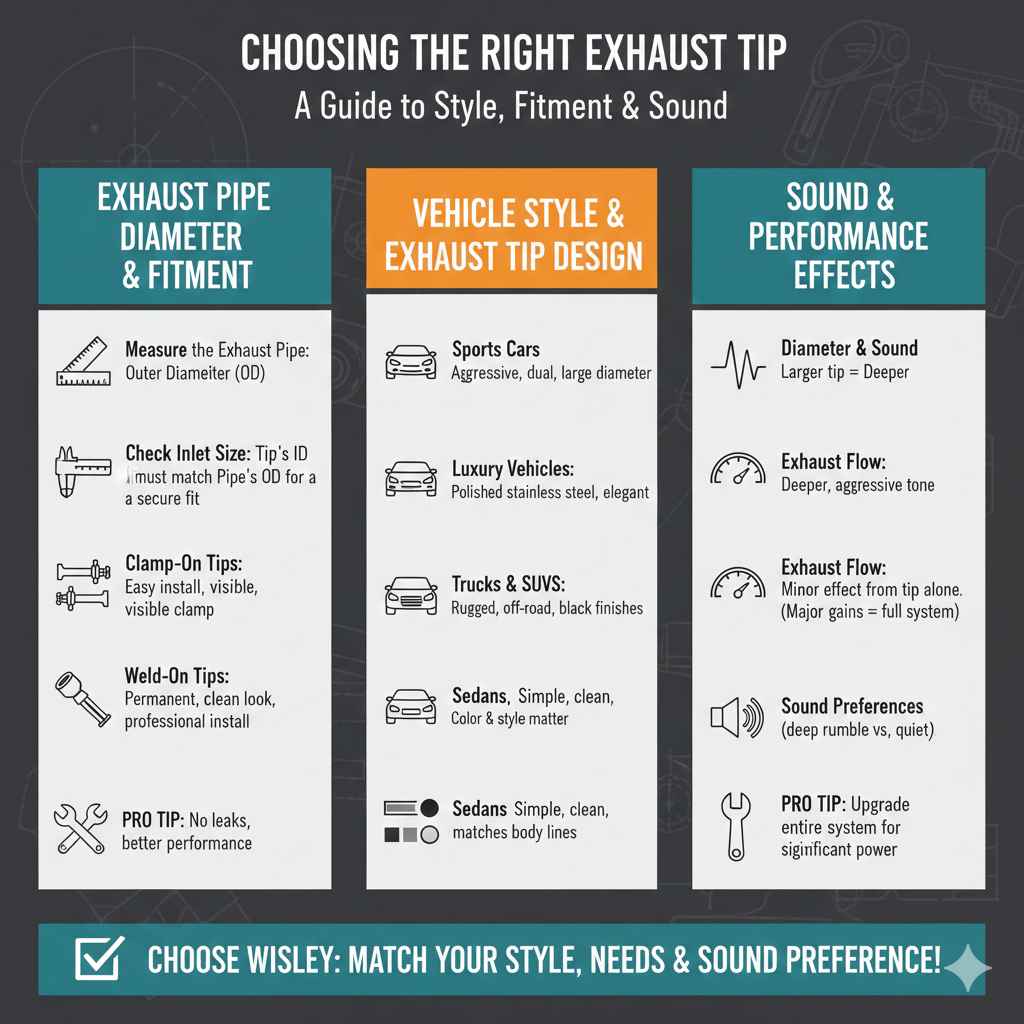
The first step is determining your existing exhaust pipe diameter. This is the most critical element, as the exhaust tip must fit securely onto your exhaust system. Measuring is simple: use a ruler or tape measure to find the outer diameter (OD) of your exhaust pipe. You need this number to ensure the tip clamps properly. Also, know the inlet diameter, which is the inner diameter of the exhaust tip where it connects to your existing exhaust. You’ll find these measurements very important when you start shopping for options. Ignoring these details can lead to leaks, poor performance, or the tip simply not fitting.
- Measure the Exhaust Pipe: Using a ruler or tape measure, measure the outside diameter (OD) of your exhaust pipe to the nearest millimeter or inch.
- Check the Inlet Size: Ensure the exhaust tip’s inlet diameter matches your exhaust pipe’s outer diameter. A secure fit is essential for good performance.
- Consider Weld-On Tips: If you’re willing to weld, weld-on tips offer a very secure and often more custom fit.
Understanding the connection point is also key. Exhaust tips can use clamps, which allow for a simple bolt-on installation, or they can be welded onto the exhaust pipe. Clamp-on tips are easier to install and replace. Weld-on tips provide a more permanent, secure fit, and look cleaner since there are no visible clamps. However, welding requires more time and perhaps professional help. Choose the method that best fits your skill level and preferences. Making sure that the exhaust tip fits your system will help the car sound and look better.
Vehicle Style and Exhaust Tip Design
The look of your car and what you are trying to achieve is key when picking an exhaust tip. Consider the car’s type, color, and other modifications. Sports cars often go with larger, more aggressive tips. Luxury vehicles tend to use polished stainless steel tips that are very elegant. Trucks or off-road vehicles may go with more rugged styles. This selection is highly personal, but it’s important to keep the car’s overall appearance in mind. Finding the right style is all about matching the tip to your vehicle’s look and creating a cohesive style.
- Sports Cars: Aggressive designs, such as dual tips or larger diameters, can be a great addition.
- Luxury Vehicles: Polished stainless steel or chrome tips add a classy, professional touch.
- Trucks and SUVs: Rugged, off-road styles, or black tips that fit with a more practical look.
- Sedans: Simple, clean designs that match the vehicle’s body lines and existing trim.
Examine the overall lines and style of your vehicle. A small, understated sedan might look strange with oversized, flashy exhaust tips. However, a sports car or modified truck is perfect for something bolder. Also, the shape of the tip makes a difference. Angle-cut tips give a sporty vibe, while straight-cut tips have a more classic look. The material also changes the look. Stainless steel is a popular and durable option. Black tips offer a modern, discreet look, and chrome adds a shiny classic look. Always match the exhaust tip’s design with your vehicle to ensure a good look.
Sound and Performance Effects
Exhaust tips are not just for looks; they can also alter the car’s sound and might even affect performance. The diameter of the tip, the design, and the overall exhaust system all play a role in how the vehicle sounds. A wider tip might give a deeper, more aggressive tone, and can also slightly change exhaust flow. However, changing the tip alone usually won’t cause major performance improvements. Sound is, though, an important factor, with many car owners wishing for a specific exhaust note. A good tip can enhance the car’s sound without going overboard.
- Diameter and Sound: A larger diameter often gives a deeper, more aggressive exhaust sound.
- Exhaust Flow: Although the exhaust tip alone doesn’t affect performance, improving the entire exhaust system (headers, cat-back) can do so.
- Sound Preferences: Determine the kind of exhaust note you prefer.
While an exhaust tip can’t add a ton of power, the design can slightly affect how the exhaust exits the car. For serious performance changes, you would want to look at a whole system upgrade. This could include headers, high-flow catalytic converters, and a larger exhaust system. These changes will have a more direct effect on the car’s performance. The tip mainly adds to the vehicle’s style and sound. Selecting the right tip to get your desired sound and overall look is still an essential part of the upgrade. Consider the effect on sound and performance as a nice bonus.
Materials, Finishes, and Durability
The material of the exhaust tip plays an important role in both its look and how long it will last. Quality materials are vital in any car modification. The tip must stand up to heat, rust, and the daily grind of driving. Each material has its own pros and cons in terms of appearance, cost, and longevity. The finish also matters, as the look of the exhaust tip changes the overall appearance of the car. Knowing these elements can help you choose an exhaust tip that will last a long time.
Common Materials: Stainless Steel, Aluminum, and Carbon Fiber
Stainless steel is a popular choice for exhaust tips. It is durable, rust-resistant, and can handle high temperatures well. Stainless steel tips can come in different finishes like polished chrome or matte black. Aluminum exhaust tips are also available, and are lighter than stainless steel, but aren’t as resistant to high temperatures. Carbon fiber tips are a premium option, offering a lightweight and modern look. They are usually more expensive, but can give a unique look.
- Stainless Steel: Long-lasting, resistant to rust, and can deal with high heat. It has many looks, from polished chrome to matte black.
- Aluminum: Lighter than steel. It isn’t as resistant to extreme heat. It can get damaged easier.
- Carbon Fiber: Lightweight, expensive, and gives a modern look. It is often combined with stainless steel for the best of both worlds.
The material impacts the look and use of the exhaust tip. Stainless steel is often the best choice for everyday drivers, since it is strong and can stand up to anything. Aluminum can be good for those looking for a weight saving, but you must know that it is not quite as strong. Carbon fiber is perfect for drivers who want a high-end, sporty look. It’s often used on performance cars. The choice of material affects the overall style. Think about the style of your car and choose the material that will look best and last long.
Finishes: Polished, Chrome, Matte Black, and More
The finish of the exhaust tip makes a big difference in how it looks. Common finishes include polished, chrome, and matte black. Polished stainless steel is very shiny and gives a clean, classy look. Chrome tips have a bright, reflective shine that adds a classic vibe. Matte black offers a more modern, discreet look, which is good for those wanting a more subtle style. Other options include brushed metal finishes that give a more textured look.
- Polished: Shiny and classy.
- Chrome: Bright, reflective, and classic.
- Matte Black: Modern and understated.
- Brushed: Textured look.
Choosing the right finish helps to match the exhaust tip to the car’s look. Polished and chrome tips go well with luxury vehicles or those with lots of chrome trim. Matte black tips are perfect for sports cars or those with a modern, sporty look. Consider the car’s overall style, trim, and color when making your selection. This includes wheels, grilles, and other details. The finish of the exhaust tip needs to be something that matches and upgrades the car’s design. This will give the vehicle a better, more complete look.
Durability and Maintenance Tips
Exhaust tips are exposed to the environment, so durability is key. High temperatures, road salt, and weather can cause damage. Regularly cleaning your exhaust tips can keep them looking good and also extend their life. Stainless steel is generally the most durable option because of its resistance to rust and high temperatures. Aluminum tips can be prone to dents. Carbon fiber tips can be scratched if not treated with care. Choosing quality materials is an investment for the long term, and will keep your exhaust tip looking its best for a long time.
- Regular Cleaning: Remove dirt and grime to keep it looking great and stop damage.
- Material Choices: Stainless steel is a popular choice because it resists rust.
- Protection: Wax or sealant to help with rust and scratches.
Regular maintenance ensures that your exhaust tip stays in good condition. You can keep your exhaust tips looking great by washing them often. Use soap and water or a specific metal cleaner to remove road grime and dirt. For stainless steel, applying a wax or sealant helps protect it from rust and corrosion. Aluminum tips can be polished to get rid of scratches, and carbon fiber tips should be treated with care to prevent scratches. Choosing a durable material and following these easy maintenance steps makes your exhaust tip last longer and maintain its appearance.
Sizing for Different Vehicle Types
Choosing the best exhaust tip size varies with the type of vehicle. What works for a small sedan won’t be the same for a truck. There are many general guidelines, but personal taste is important. The size and shape of the exhaust tip should match the car’s overall look. Matching the right size to the vehicle type enhances its style, and it also avoids issues with fitment. Below are some useful points for the most common vehicle types.
Sedans and Compact Cars
For sedans and compact cars, a more modest exhaust tip size is often best. Small to medium tip diameters, between 2.5 and 4 inches, usually look good without being overwhelming. The tip should match the car’s design, and you should consider the style of the vehicle. A subtle, well-designed tip can enhance the car’s clean lines. Avoid big or aggressive tips, as these can make the car look out of place. Selecting the right size makes sure that the car looks great. It is often better to keep it simple, and pick something that blends in.
- Tip Diameter: 2.5 to 4 inches.
- Style: Simple, elegant designs.
- Considerations: Match the tip to the vehicle’s body style and existing trim.
The goal is to enhance the car’s existing style. Look for exhaust tips that are not too flashy or too big. Tips with a straight or slight angle cut work well. Polished stainless steel or matte black finishes are perfect. Avoid loud colors or overly large sizes. These can take away from the car’s design. The key is to pick a tip that adds to the vehicle’s clean lines without being too much. It needs to look good and be in line with the vehicle’s overall look.
Trucks and SUVs
Trucks and SUVs can have larger exhaust tips, in the 3.5 to 6-inch range or more. The bigger size is okay, as it matches the car’s size and rugged look. These vehicles often have a more aggressive style that goes with larger tips. Dual tips can also look great. The materials often have a more rugged style, like black or stainless steel. When selecting, think about the overall design of the vehicle and what you want to achieve. Your tip should add to the car’s tough design.
- Tip Diameter: 3.5 to 6 inches, or larger.
- Style: Rugged designs, dual tips.
- Considerations: Match the tip to the vehicle’s design and the style of use.
Consider the vehicle’s purpose when choosing the best tip. A truck used for work may go with a simple, functional tip. An SUV designed for both on-road and off-road use might suit a dual-tip design. Materials should fit the overall theme. Black or stainless steel tips are popular. The tip should look good, be long-lasting, and match the car’s design. Choose something that adds to the vehicle’s tough style, and reflects how you use it.
Sports Cars and Performance Vehicles
Sports cars and performance vehicles often use larger, more aggressive exhaust tips. The size is often between 3.5 and 5 inches, or even bigger for high-performance cars. The purpose is to enhance the car’s sporty look and improve the sound. These vehicles might go with dual tips. The tip’s shape and material can reflect the car’s style. Angle-cut or carbon fiber tips give a high-performance look. Choose the tip based on the car’s style and performance goals. The best tips add to the vehicle’s style and sound.
- Tip Diameter: 3.5 to 5 inches or more.
- Style: Aggressive designs, angle-cut tips.
- Considerations: Focus on design and sound for higher performance.
Think about the car’s other modifications and design. A car with lots of performance upgrades may benefit from a bigger, more aggressive tip. Materials such as carbon fiber and stainless steel are very popular. Select the best shape and finish. Make sure the exhaust tip matches the car’s lines, creating a cohesive design. The ideal exhaust tip enhances performance, enhances style, and creates an overall look that’s unique to your car.
Installation and Considerations
Once you’ve chosen the ideal exhaust tip, think about the installation process. Although some tips can be bolted on, others require welding. Both options have pros and cons. It is important to know the steps, the required tools, and potential issues before starting. You also need to keep safety and local laws in mind. Choosing the right method will give your car the best look. Safe and correct installation is essential for a good result.
DIY vs. Professional Installation
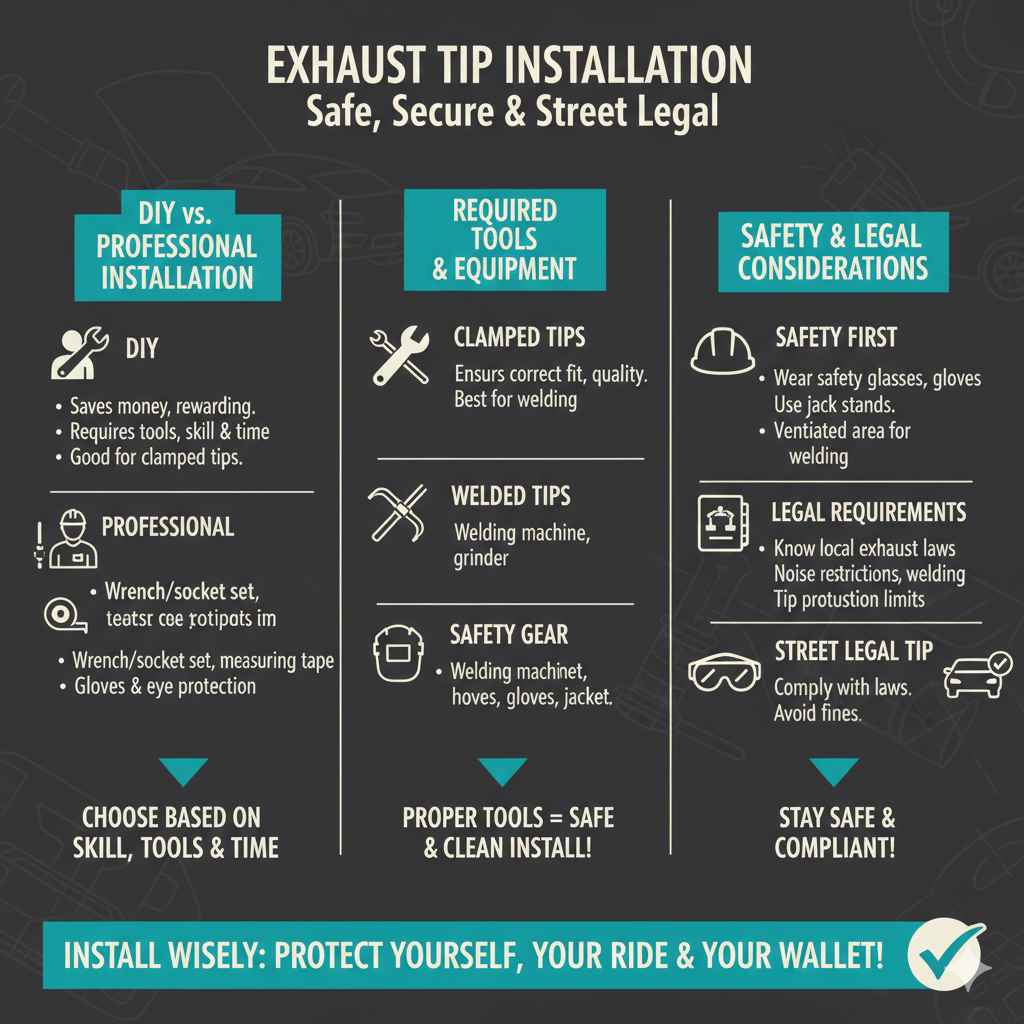
You can install exhaust tips by yourself or have them professionally installed. DIY installations are a good option for people who are good with cars and have the correct tools. Clamped tips are easier to install, since they use bolts to attach to the exhaust pipe. Welding gives a more secure fit, but requires more tools and skill. If you aren’t sure, it’s best to hire a professional. A professional will have all of the required tools and experience to ensure the tip is fitted correctly. This is particularly important for more complex installations or if welding is required. Each option has its own benefits, so make the best choice for you.
- DIY: Saves money, good for those who like to work on cars. Requires the right tools.
- Professional: Ensures correct fit, especially when welding is required. Costs more, but saves time.
Consider your skill level and how much time you want to spend when deciding. If you are handy with tools, installing an exhaust tip by yourself can be very rewarding. Clamped tips are a good place to start, as they can be installed with simple tools. Welding needs more expertise and special tools. A professional ensures that the job is done correctly. They have the experience to prevent problems. If you’re not comfortable with DIY, a professional installation is usually the best bet. Making the right decision depends on your level of skill, and the amount of time you are willing to spend.
Required Tools and Equipment
Whether you’re doing it yourself or hiring someone, having the right tools is important. For clamped tips, you’ll likely need a wrench or socket set, and maybe a measuring tape. For welding, you will need a welding machine, a grinder, and protective gear such as a helmet and gloves. Always have the right tools before you begin. Following the correct steps makes sure the job goes smoothly. Having the right tools makes the process easier and helps get the best results.
- Clamped Tips: Wrench or socket set, measuring tape.
- Welded Tips: Welding machine, grinder, protective gear.
- Safety Gear: Eye protection, gloves.
Before you begin, make sure you have all the tools. For clamped tips, double-check that you have the right size wrench or socket for the clamps. You can find this out from the instructions that come with the tip. Welding is more complex, and you need to know how to use the equipment safely. Always use the proper safety gear, including eye protection and gloves, no matter which option you choose. Proper preparation will ensure a smooth, safe installation. It also lessens the chances of errors and accidents, and you’ll get a professional result.
Safety and Legal Considerations
Safety is key when working on your car. Always wear protective gear, such as safety glasses and gloves. If you are welding, use a helmet and other gear to prevent injury. Be aware of your surroundings, and work in a well-ventilated area. Make sure your car is stable, using jack stands when working under it. Local rules might restrict exhaust modifications. Some areas have sound level limits, and restrictions on the position of the exhaust tip. Know your local rules before starting, to keep you safe and avoid problems.
- Safety Gear: Safety glasses, gloves, welding helmet.
- Ventilation: Work in a ventilated area.
- Legal Requirements: Know local exhaust laws and noise restrictions.
Safety comes first. Protect yourself by using the correct safety gear and working in a safe area. Always use jack stands when lifting your car. Welding produces fumes, so be sure that you work in an area with lots of air circulation. Study local exhaust laws. Some areas have noise limits, or restrictions on how the exhaust tip can stick out. Make sure your exhaust tip is legal in your area. Check local rules to make sure your modification is allowed. Following these points will make the process safe, and avoid any legal problems.
Frequently Asked Questions
Question: What’s the best way to measure my exhaust pipe for an exhaust tip?
Answer: Use a ruler or tape measure to find the outer diameter (OD) of your exhaust pipe. Make sure to get an accurate measurement in millimeters or inches.
Question: Can an exhaust tip improve my car’s performance?
Answer: An exhaust tip by itself usually doesn’t create major performance gains. But a good tip can slightly improve exhaust flow and, when combined with other upgrades, can contribute to overall performance.
Question: What’s the main difference between clamped and welded exhaust tips?
Answer: Clamped tips are easier to install and replace using clamps. Welded tips provide a more secure, permanent fit, but require welding.
Question: How often should I clean my exhaust tip?
Answer: Clean your exhaust tip regularly to remove dirt and grime. The frequency depends on how often you drive and the conditions you drive in.
Question: Are there any legal restrictions on exhaust tip modifications?
Answer: Yes, local laws may have noise restrictions, and rules on the placement of exhaust tips. Always check local laws before modifying your exhaust system.
Final Thoughts
Choosing the correct exhaust tip involves many factors, but it’s not hard when you know the basics. You have to consider the right size, material, and style to match your car and your personal preferences. Start by measuring your exhaust pipe and selecting an exhaust tip that fits the diameter, and choose a design that matches your vehicle’s style, whether it is a sporty look or a simple, classy look. Material is important too: stainless steel for long life and carbon fiber for a premium look are both great choices. Remember, the tip’s finish will make a difference, so be sure to clean your tip regularly to keep it looking great. The installation will also be important. Following these simple steps will make sure you are confident in your selection. Get started now and you will be on the right path to upgrading your car’s look and sound!
Related pick: Check today's price on Amazon