How Bigger Exhaust Tips Affect a Vehicle’s Performance?
Figuring out How Do Bigger Exhaust Tips Affect My Car? can seem tricky when you’re just starting. It’s common to feel a little lost with all the car talk. Don’t worry, we’ll break it down into easy steps. This article explains what these tips are all about and how they might change your car. We’ll explore everything you need to know, from looks to potential engine changes. Let’s get started.

Upower
Upower Exhaust Tips 4" Inlet 10" Outlet…
- 【4"x10"x15" Exhaust Tip】4 inch Inlet; 10 inch Outlet ; 15 inch Overall Length Muffler Tip
- 【Bolt On Exhaust Tip】Bolt On - Angled Cut-Rolled Edge Tail pipe Tip for Truck
- 【Stainless Steel Exhaust Tip】Upower exhaust pipe is made of high-quality stainless steel with black powder coated finished, ensuri…
As an Amazon Associate I earn from qualifying purchases.
What Are Exhaust Tips and Why Do They Matter?
Exhaust tips are the visible, decorative ends of your vehicle’s exhaust system. They extend from the muffler and are often seen at the rear of the car. Although their primary function is aesthetic, they can also influence exhaust flow to some degree. These tips come in various shapes, sizes, and materials, allowing vehicle owners to customize their car’s appearance. Bigger exhaust tips, in particular, often stand out and can significantly alter a vehicle’s overall look.
The significance of exhaust tips is twofold: appearance and potential performance enhancements. Drivers often choose larger tips to personalize their vehicles, making them more eye-catching. However, the size and design of an exhaust tip can also impact exhaust flow dynamics. These factors can affect engine sound and, in some cases, power output. Therefore, when considering “How Do Bigger Exhaust Tips Affect My Car?”, both aesthetics and functionality must be addressed.
Exhaust Tip Materials and Designs
Exhaust tips are made from several materials, each offering different benefits in terms of durability, appearance, and cost. Common materials include stainless steel, carbon fiber, and chrome-plated steel. Each material has unique properties that affect its appearance and performance. Designs range from simple round or oval shapes to more complex styles with angled cuts or dual-tip configurations. The choice of material and design impacts the tip’s resistance to corrosion, its heat tolerance, and, of course, its aesthetic appeal.
- Stainless Steel: Stainless steel is popular because of its resistance to rust and its durability. It maintains its appearance well and can withstand high temperatures. Stainless steel tips are a popular choice for their long-term value.
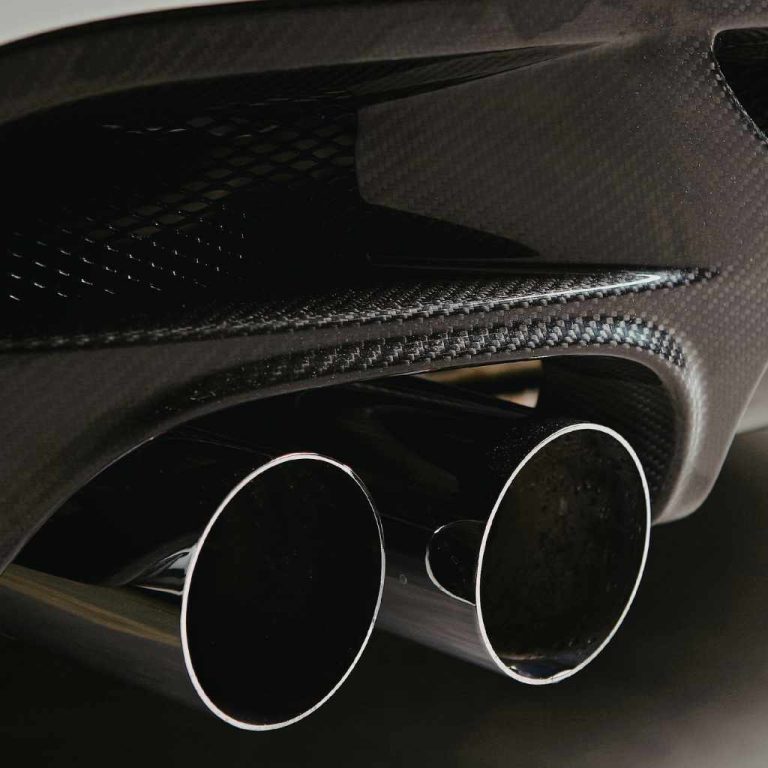
- Carbon Fiber: Carbon fiber tips are lightweight and add a sporty, high-tech look to the vehicle. They offer excellent heat resistance but can be more expensive. They are commonly associated with high-performance vehicles.
- Chrome-Plated Steel: Chrome-plated steel provides a shiny, reflective finish, enhancing the car’s visual appeal. However, it may be more susceptible to rust and corrosion than stainless steel. It’s a cost-effective option for adding a touch of elegance.
- Design Variations: Beyond material, exhaust tips come in many forms, like rolled, angle cut, or double-walled. Rolled tips offer a smooth, rounded edge, angle cuts present a sporty vibe, and double-walled tips add depth.
Aesthetic Considerations of Larger Tips
The visual impact of larger exhaust tips is a primary reason drivers upgrade. They can make a car appear sportier, more aggressive, or more luxurious, depending on their design. The shape and finish of the tip must also match the vehicle’s style, whether it is a subtle upgrade or a more noticeable change. Many prefer a cleaner look with tips that complement their vehicle’s body lines and overall theme. Careful consideration of these visual elements ensures the tips enhance, rather than detract from, the vehicle’s appearance.
- Vehicle Style Compatibility: Match the tip’s style to the car’s type. For example, a sporty car might suit an angular, carbon fiber tip, while a luxury sedan might benefit from a polished chrome tip. The goal is to create a cohesive look.
- Tip Size and Placement: Ensure the tip size is proportionate to the vehicle. A massive tip on a small car might look out of place. Consider how far the tip extends from the bumper; it shouldn’t obstruct the view or be a hazard.
- Color and Finish: The color and finish of the exhaust tip play a big role. Polished stainless steel, matte black, or even burnt titanium can greatly change the car’s appearance. Choose a finish that complements the car’s existing color scheme and other accessories.
- Overall Impact on Appearance: Consider the overall impact on the vehicle’s image. A well-chosen exhaust tip can dramatically improve its appearance, adding perceived value and style. Conversely, a poorly chosen tip can diminish its look.

The Impact on Exhaust Flow
Understanding how exhaust flow works is key to answering the question “How Do Bigger Exhaust Tips Affect My Car?” The exhaust system removes harmful gases from the engine. Exhaust flow directly affects how effectively this removal happens. The design of the exhaust tip can slightly alter this flow, although its impact is typically less significant than that of the muffler or the entire exhaust system. However, the size and shape of the tip can still change the exhaust’s speed and pressure.
The goal is to provide a smooth, unobstructed pathway for exhaust gases. This reduces backpressure, the resistance the exhaust gases face as they leave the engine. Reducing backpressure can improve engine performance, though the effect of the exhaust tip alone is often small. Other components in the exhaust system, like the catalytic converter and muffler, have a much greater effect on flow dynamics. Therefore, while exhaust tips play a role, their primary function is typically aesthetic.
Exhaust Backpressure Explained
Backpressure is a measure of the resistance the exhaust gases encounter as they exit the engine. Excessive backpressure can hinder engine performance by preventing the exhaust gases from leaving the cylinders quickly. This can reduce engine efficiency and power output. Minimizing backpressure is a target in performance exhaust system designs. This is where bigger exhaust tips come into play, potentially contributing to a slight decrease in backpressure if appropriately sized and designed.
- Impact on Engine Performance: Lower backpressure allows the engine to breathe more efficiently. This can result in improved horsepower and torque. A well-designed exhaust system, including the tip, helps in this regard.
- Factors Affecting Backpressure: Backpressure is influenced by factors like the size and design of the exhaust pipes, catalytic converters, and mufflers. The diameter of the exhaust system is important, as is the smoothness of the internal surfaces.
- Role of Exhaust Tips: Exhaust tips can influence backpressure. Bigger tips, if correctly sized, can help reduce backpressure. This is because they create a less restrictive exit for exhaust gases.
- Measuring Backpressure: Specialized tools are used to measure backpressure. Mechanics use pressure gauges to monitor exhaust system performance and diagnose any restrictions. This is a key step in evaluating exhaust modifications.
Effects of Tip Size on Flow Dynamics
Changing the size of an exhaust tip alters the exhaust flow dynamics. A larger tip generally reduces restriction at the end of the exhaust system. This is a critical factor when discussing “How Do Bigger Exhaust Tips Affect My Car?” However, the impact is more pronounced when combined with an appropriately sized exhaust system throughout. If the tip is larger than the rest of the exhaust system, it can still improve exhaust flow. However, the full potential of the larger tip may not be realized.
- Tip Diameter and Flow: A larger tip diameter generally provides a wider exit path for exhaust gases. This can reduce backpressure, allowing for more efficient exhaust flow. The increase in diameter also provides a visual cue that hints at enhanced exhaust performance.
- Tip Shape and Flow: The shape of the exhaust tip also affects flow. Smooth, rounded tips typically create less resistance than tips with sharp angles or internal obstructions. This can help to improve flow and potentially improve the sound of the exhaust.
- Tip Material and Flow: The material of the exhaust tip can also indirectly influence flow. Materials that resist corrosion can maintain the tip’s shape and integrity over time. This keeps the exhaust flow consistent.
- Overall System Compatibility: The exhaust tip should match the rest of the exhaust system. A tip that is too large or small compared to the exhaust pipes can create imbalances in the exhaust flow. A well-designed system, which is consistent from the engine to the tip, is the best.
Potential Performance Improvements and Limitations
When considering “How Do Bigger Exhaust Tips Affect My Car?” it’s crucial to understand the potential performance enhancements and their limits. Although larger exhaust tips can play a part, their influence on overall vehicle performance is typically minimal. The most significant gains come from a well-designed exhaust system. This includes the headers, catalytic converters, and mufflers.
The main performance benefits of larger exhaust tips relate to exhaust flow. Reducing backpressure can lead to slight improvements in horsepower and torque. These improvements are more noticeable with other exhaust system modifications. The sound of the exhaust might also change, adding to the perceived performance increase. However, the exhaust tip alone will not significantly increase a vehicle’s speed or acceleration.
Horsepower and Torque Gains
The impact of larger exhaust tips on horsepower and torque is often slight. As exhaust gases exit the system, bigger exhaust tips help reduce the resistance they face. The effect is more significant with comprehensive exhaust system modifications. Gains might be more noticeable in high-performance engines or in conjunction with other upgrades. For example, a larger exhaust tip may work well with an upgraded intake system and tuned engine management.
- Measuring Performance Gains: Measuring improvements can be done using a dynamometer, a machine that measures an engine’s power output. Changes can be small, and it is important to measure before and after the modification.
- Engine Type and Performance: The gains depend on the engine type and its configuration. Naturally aspirated engines may see more subtle gains than those with forced induction. It is wise to have realistic expectations for gains.
- Synergistic Effects of Modifications: The benefits are often amplified when used with other performance upgrades. For instance, a bigger exhaust tip can be paired with a cold air intake for better results. This makes the exhaust system more efficient overall.
- Exhaust System Optimization: A well-designed exhaust system works to maximize performance. This incorporates the right diameter pipes, the correct muffler design, and appropriate catalytic converters. The exhaust tip is one component in a system that works together.
Sound Changes and Their Significance
The sound change resulting from bigger exhaust tips is another factor to consider when evaluating “How Do Bigger Exhaust Tips Affect My Car?” The exhaust note may change, depending on the tip’s design, material, and the rest of the exhaust system. Changes can range from a slightly deeper tone to a more aggressive rumble. These sound modifications are often appreciated by vehicle owners, enhancing the overall driving experience. However, sound modifications must comply with local noise regulations.
- Factors Affecting Sound: The sound of the exhaust depends on the tip’s shape, the materials, and the presence of mufflers or resonators. Tips made of stainless steel tend to create a sharper tone, while carbon fiber tends to mellow the sound.
- Types of Sound Changes: The exhaust note can deepen, become more aggressive, or change in its overall character. Different exhaust tip designs can affect the sound quality. Angle-cut tips give a more aggressive sound, while rolled tips provide a smoother note.
- Legal Considerations: Make sure any exhaust modifications comply with local noise regulations. Some regions have strict limits on vehicle sound levels. Violating these regulations can lead to fines.
- Personal Preference: The perfect exhaust sound is a personal preference. Some drivers may prefer a subtle change, while others seek a louder, more noticeable sound. Consider how the sound suits your driving style.
Installation and Considerations
Knowing the installation process and practical considerations is essential when thinking about “How Do Bigger Exhaust Tips Affect My Car?” Installation can be easy if the tips are designed for the vehicle. More complex installations might require professional help. It is critical to take steps to ensure the new tips are secure, safe, and match the vehicle’s appearance and performance.
Safety is a priority. Make sure the exhaust tips do not interfere with other car parts or pose a risk to pedestrians. Also, consider the materials, ensuring they’re suitable for the environment and driving conditions. By following this guidance, you can make an informed choice. It can also ensure that the exhaust tips look good, perform well, and fit safely.
Installation Steps and Procedures
The installation of bigger exhaust tips often involves straightforward steps. The process can vary based on the vehicle and the tip design. These steps help with the installation procedure, minimizing the potential for problems. If you are not comfortable performing this task, it’s wise to hire a professional to avoid damaging your vehicle. For many, this process makes it simpler to understand “How Do Bigger Exhaust Tips Affect My Car?”.
- Preparation: Gather all the tools and materials needed, which might include a wrench, jack stands, and penetrating oil. Make sure the vehicle is parked on a level surface. Wear protective gear like gloves and safety glasses.
- Removal of Old Tips: Loosen the existing exhaust tips, which are often held in place by clamps or welds. Penetrating oil can assist with stubborn parts. For welded tips, a professional should remove and reinstall them.
- Tip Fitting: Carefully align the new exhaust tips with the exhaust pipe. Be sure to check the fit and alignment, ensuring they match the exhaust’s final placement. Make any adjustments needed before securing them.
- Securing the Tips: Secure the new exhaust tips with the provided clamps, bolts, or welds. Make sure the connection is strong and that there’s no movement. Regularly check the exhaust tips for tightness and any signs of rust or damage.
Safety and Legal Aspects
Safety and legal factors are extremely important when thinking about “How Do Bigger Exhaust Tips Affect My Car?”. Ensure the exhaust tips do not interfere with any car components or pose a safety hazard to pedestrians. Make sure the tips are installed correctly to prevent potential problems. It is necessary to comply with all regional and national regulations. These steps minimize risks and keep your vehicle operating safely and legally.
- Clearance and Obstruction: Make sure the exhaust tips don’t interfere with the vehicle’s suspension, fuel tank, or any other important components. The tips should not stick out too far from the bumper, reducing the risk of accidents.
- Material Safety: Choose exhaust tips that are made of durable, heat-resistant materials. This reduces the risk of the tips failing. Choose materials that can resist corrosion and other damage, prolonging their lifespan.
- Noise Regulations: Follow all local noise regulations. Excessive noise can lead to fines. Ensure any changes to the exhaust system comply with sound level limits in the area.
- Vehicle Inspection and Compliance: Be sure that exhaust modifications comply with local vehicle inspection requirements. Make sure the exhaust system is in good working order. This will help you pass the safety tests.
Maintenance and Long-Term Care
Knowing about maintenance and long-term care helps you maintain the value of bigger exhaust tips and keeps them in good condition. The maintenance needed for your tips will vary depending on the materials used. Regular cleaning and inspections are important to keeping them attractive and functional. Appropriate care protects your investment and ensures that the tips remain in excellent condition for years.
Routine care will keep the exhaust tips looking their best and will prevent any potential issues. By following these suggestions, you’ll protect the tips. You’ll also guarantee that they remain a stylish and functional element of your vehicle. Thinking about “How Do Bigger Exhaust Tips Affect My Car?” makes maintenance and long-term care even more important.
Cleaning and Inspection Tips
The upkeep of bigger exhaust tips includes regular cleaning and inspection. This process helps to preserve the tips’ appearance and overall condition. Cleaning also helps prevent the accumulation of dirt, debris, and corrosion. Periodic inspections can find any problems early and prevent further damage. Regular upkeep keeps your tips looking great and ensures long-term performance.
- Cleaning Frequency: Clean exhaust tips regularly, especially if you drive in harsh conditions. If you drive in the snow, salt, or areas with high pollution, clean them more often. This keeps the exhaust tips from looking worn out.
- Cleaning Methods: Use a soft cloth or sponge and mild soap. Avoid using abrasive cleaners that can damage the surface. For stubborn stains, use a cleaner designed for exhaust tips.
- Inspection for Damage: Inspect the exhaust tips for any damage, like rust, dents, or cracks. Early detection can prevent these issues from worsening and keep your car in better shape.
- Dealing With Corrosion: If you find rust or corrosion, treat it right away. Use a rust remover and then apply a protective coating. This can protect the tip and prolong its life.
Long-Term Care and Preservation
Long-term care involves taking steps to protect the exhaust tips. The choice of materials, how they are maintained, and how they are used will affect the tips’ lifespan and appearance. Appropriate care helps you to keep your exhaust tips in great condition for many years. This adds to the car’s visual appeal and will also help maintain the vehicle’s value.
- Material Selection: Choose exhaust tips made from durable materials. This is especially important if you live in a place with harsh weather conditions. Stainless steel is a popular and long-lasting choice.
- Protective Coatings: Use a protective coating to guard against corrosion and UV damage. This coating helps maintain the appearance of the tips. It will also help keep the tips in good shape.
- Regular Maintenance: Follow a routine maintenance plan, including cleaning and inspections. Regular maintenance prevents damage. It will also make sure the tips look good.
- Professional Help: For complex issues or repairs, hire a professional. Expert help guarantees any work is done correctly. It ensures that the tips remain safe and effective.

Frequently Asked Questions
Question: What’s the main function of exhaust tips?
Answer: The primary role is aesthetic, adding a custom look. They can also slightly influence exhaust flow.
Question: Can bigger tips improve performance?
Answer: They can contribute to minor exhaust flow improvements, especially when paired with other upgrades.
Question: What materials are exhaust tips made of?
Answer: Common materials include stainless steel, carbon fiber, and chrome-plated steel.
Question: How often should I clean my exhaust tips?
Answer: Regularly, especially in harsh conditions, to prevent the build-up of dirt and corrosion.
Question: Is professional installation needed?
Answer: It’s recommended if you aren’t comfortable with the installation process or for more complex setups.
Final Thoughts
In this article, we’ve explored the question of How Do Bigger Exhaust Tips Affect My Car? We’ve examined the purpose of exhaust tips, from how they impact your car’s look to their potential effect on exhaust flow. We discussed what they are made of, and the different designs available. The appearance and potential performance enhancements and their limitations were addressed. Installation, safety concerns, and steps for cleaning and maintenance were also covered.
Now that you know more about exhaust tips, you’re ready to make a decision about whether to upgrade. Think about the style of your car and what you are looking to achieve. Do you wish to improve the vehicle’s aesthetics, or are you hoping to slightly boost performance? Weigh the options and decide if larger exhaust tips are right for you. Make sure to consider safety, and follow all local rules. Enjoy the enhanced look and, if applicable, the enhanced exhaust sound!
Related pick: Check today's price on Amazon