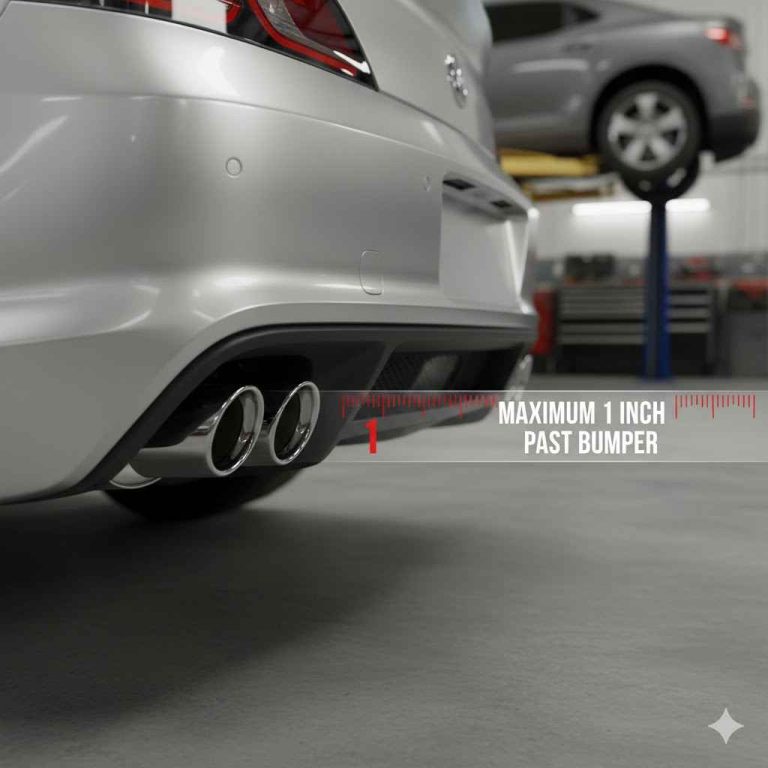
Does the Challenger Have Fake Exhaust Tips Really?
Figuring out if a car has fake parts can be tricky, especially for new car fans. The question, Does the Challenger Have Fake Exhaust Tips?, often comes up because exhaust tips are a cool visual touch. It’s a common question, and sometimes people feel confused by the design. No worries! This guide will break it down simply. We’ll explore the Challenger’s exhaust setup so you’ll know exactly what to look for. Let’s get started.

Vital All-Terrain
Active Exhaust Simulator Kit for 15-21 Dodge…
- Active Exhaust Simulator Kit
- For 15-21 Dodge Charger Challenger 5.7L, 6.2L, 6.4L
- Quality Aftermarket Part
As an Amazon Associate I earn from qualifying purchases.
Exhaust Tips Explained
Exhaust tips are those shiny, often chrome-plated or black, pipes that stick out the back of a car. They’re part of the exhaust system, which is responsible for getting rid of the gases produced by the engine. But what do they actually do? Exhaust tips are like the finishing touch on a car’s appearance. They can significantly change how a car looks from the rear. They can add a sporty feel, a touch of luxury, or a rugged vibe, depending on their style and design. Beyond just looks, exhaust tips can also play a role in directing exhaust flow, although the primary function is aesthetic.
The Purpose of Exhaust Tips
The primary job of exhaust tips is to enhance the car’s appearance. Many car makers use them to create a specific look or match the car’s overall style. However, they also serve a practical function. They guide the exhaust gases away from the car’s body, which helps prevent heat damage and keeps the car looking clean. In some performance cars, exhaust tips can be designed to improve exhaust flow, which can slightly boost engine performance. The placement and design of the tips can also alter the sound of the exhaust, which is a key reason why many car enthusiasts pay attention to them.
- Aesthetic Appeal: Exhaust tips contribute greatly to a car’s visual impact, enhancing its overall design.
- Heat Dissipation: They direct exhaust gases away from the car, protecting the body from potential heat damage.
- Sound Modification: The design of the tips can subtly change the exhaust sound.
- Aerodynamic Considerations: Some exhaust tips are designed to reduce drag.
- Brand Identity: Exhaust tips can become a signature design element for a car model.
Spotting Real vs. Fake Exhaust Tips
Telling the difference between real and fake exhaust tips can be easier than you think. There are several things to check when deciding if a car, like the Challenger, has genuine exhaust tips. One of the most important things to do is to check to see where the exhaust pipe ends. A genuine exhaust tip will be directly connected to the exhaust pipe. With a fake tip, the exhaust pipe will likely end before the tip. Another factor to consider is the design of the exhaust tip itself. Some fake tips are simply cosmetic, meaning they don’t have a real exhaust pipe connected to them. Pay attention to how the tips are attached to the car’s body. If they seem to be bolted on or attached in an unusual way, they may be fake. Also, check for any gaps between the tip and the car’s bumper; gaps could mean it’s not a real exhaust tip.

The Dodge Challenger’s Exhaust System
The Dodge Challenger is known for its powerful engines and aggressive styling. The car’s exhaust system plays a vital role in its performance and sound. Challengers have different exhaust systems based on their engine type and trim level. The exhaust system manages the flow of exhaust gases, reducing noise and emissions while optimizing engine performance. The exhaust system can impact factors like backpressure, which affects engine efficiency. Depending on the engine, the Challenger might have dual exhaust systems or larger pipes for better flow. The exhaust tips are an integral part of the overall design, contributing to the car’s tough image. Different models may have different exhaust tip designs, such as a single or dual-tip setup.
Challenger Engine and Exhaust Variety
The Dodge Challenger has multiple engine options, each paired with a unique exhaust configuration. The base models often have a more standard exhaust setup, while the higher-performance trims, such as the SRT versions, get more complex and high-flow systems. These high-performance versions often come with a more aggressive sound profile due to their exhaust designs. The exhaust systems on the Hellcat and Redeye models, for example, are made to handle a great deal of power and produce a distinct sound. Some models may have active exhaust systems, letting the driver change the exhaust note. The exhaust design is carefully matched to the engine to optimize performance and meet emissions standards.
- 3.6L V6 Engine: Typically has a dual exhaust system.
- 5.7L V8 Engine: Often features a more aggressive exhaust note.
- 6.4L V8 Engine: Comes with a high-flow exhaust for enhanced performance and sound.
- SRT Hellcat Engines: Are equipped with specialized exhaust systems designed to handle extremely high horsepower.
- Active Exhaust Systems: Some models have active systems which let the driver adjust the exhaust sound.
Examining Exhaust Tips on a Challenger
To really know whether the Challenger has fake exhaust tips, you need to get up close and personal with the car. First, inspect the exhaust tips for their connection to the exhaust pipe. Check to see if the tips are directly connected to the pipe or are separate elements. A genuine exhaust tip is usually welded or firmly attached to the exhaust pipe, forming a solid connection. Check for any gaps between the tip and the exhaust outlet. Next, explore the tip’s mounting. See how the tip is secured to the car’s body. Fake tips might be held in place with screws or clips rather than a permanent weld. Also, listen to the exhaust. A real exhaust will produce gases when the car is running, and the sound will come from the tips. You won’t hear anything from a fake tip.
A quick glance can be deceiving, so a thorough inspection is a must. If the tips look overly shiny or show signs of poor workmanship, they might not be factory original. It’s also smart to explore online forums and reviews. Often, other owners have already figured out the exhaust setup of their Challengers and can share their insights. These actions will help you get a clear answer and know if the Challenger’s exhaust tips are genuine or not.
Does the Challenger Use Fake Exhaust Tips?
Does the Challenger have fake exhaust tips? The answer isn’t simple, as it depends on the trim level and model year. Generally, most Challengers come with functional exhaust tips that are part of the car’s exhaust system. However, there are some situations where you may find that the exhaust tips look more cosmetic than functional. Specifically, some lower-trim models may have exhaust tips that are integrated into the rear bumper design, and although connected to the exhaust, they may seem more decorative. High-performance models, like the Hellcat, usually have true exhaust tips designed for both appearance and performance.
Challenger Trim Levels and Exhaust Design
The exhaust tip design on the Dodge Challenger is closely linked to its trim level. In the base models, the exhaust tips might be styled to fit seamlessly into the rear bumper, creating a clean look. These tips are usually functional, as they are part of the exhaust system. Stepping up to the higher trim levels, like the R/T, Scat Pack, and SRT models, you’ll see a shift in the exhaust tip design. These cars often have more pronounced exhaust tips, frequently with a wider diameter or a unique finish. The Hellcat and Redeye models, with their high-performance engines, are known for their distinctive exhaust tips, which often feature a larger size and a special design to handle the increased exhaust flow and improve the car’s performance. The exhaust systems on these high-performance models are made not just for appearance but also to improve engine efficiency.
- SXT and GT Models: Often have exhaust tips integrated into the bumper.
- R/T Models: Generally feature dual exhaust tips with a slightly more aggressive look.
- Scat Pack Models: Usually come with performance-oriented exhaust tips that enhance both sound and appearance.
- SRT Hellcat and Redeye Models: Have large, distinctive exhaust tips optimized for high-performance exhaust flow.
Factory vs. Aftermarket Exhausts
The presence of fake exhaust tips in a Dodge Challenger is also affected by whether the exhaust system is from the factory or has been changed. Factory exhaust systems, which come installed when the car is new, usually have genuine exhaust tips. These tips are made to match the engine and the car’s overall design. However, if a Challenger has an aftermarket exhaust, the situation might be different. Many car owners change their exhaust systems to boost performance, improve the sound, or change the look. Some aftermarket exhaust systems might include exhaust tips that are more for show than function.
This might mean the exhaust pipe ends before the tip, or the tip itself is attached in a cosmetic manner. When checking the exhaust, it is essential to explore whether the exhaust system is the original or has been modified. This will help you know whether the exhaust tips are factory-installed or an aftermarket addition.
Here’s an example: A driver of a base model Challenger might
Diagnosing and Assessing Exhaust Tips
Determining whether the Challenger’s exhaust tips are genuine requires a hands-on examination and the right tools. Start with a visual inspection of the tips. Look closely at how the exhaust tips are connected to the rest of the exhaust system. If the exhaust tips appear to be bolted on or attached with screws, it could be a sign that they’re not part of the standard exhaust setup. Then, explore the sound of the exhaust. Turn on the engine and listen closely to the sound coming from the exhaust tips.
The sound produced by genuine exhaust tips will be clear and consistent. If the sound is muffled or coming from an area other than the tips, there might be a problem. Lastly, make use of online resources. Dodge Challenger forums are a good place to find information. Members share pictures and information about exhaust setups. This can give you an excellent idea of what to expect.
Tools Needed for an Exhaust Inspection
To accurately assess the exhaust tips on a Dodge Challenger, you need a few essential tools and supplies. First, you’ll need a bright flashlight to inspect the tips, especially in low-light conditions or when the car is parked in a garage. A mechanic’s mirror is also very useful for seeing parts of the exhaust system that are hard to reach, like the underside of the car. It will help you explore the connection between the exhaust tips and the exhaust pipe. You might also want a set of gloves to keep your hands clean while inspecting the exhaust. If you are going to explore the underside of the car, you may need ramps or a jack and jack stands to safely raise the vehicle. Finally, it’s helpful to have a tape measure to check the exhaust tip diameters and other measurements. This will help you to verify whether the exhaust setup is what the manufacturer intended.
Common Scenarios and Solutions
Scenario: You notice that the exhaust tips on a base model Challenger seem to be part of the rear bumper design and don’t protrude much.
Solution: This is common. These tips are usually functional and connected to the exhaust pipe, although their appearance is more integrated into the bumper’s overall design.
Scenario: The exhaust tips on your Challenger look shiny and new, but there is a gap between the tip and the rest of the exhaust system.
Solution: This might mean the tips were installed aftermarket. Explore the exhaust system to confirm that they are connected properly.
Real-World Examples of Exhaust Tip Designs
Let’s look at a couple of real-world examples to help clarify this. First, imagine a base model Dodge Challenger, fresh from the factory. Its exhaust tips are built into the rear bumper design. They’re connected to the exhaust system, but their look is clean and integrated. This setup focuses on aesthetics, as well as functionality. The second scenario involves an SRT Hellcat. This model has large, prominent exhaust tips, designed for maximum exhaust flow and a strong, aggressive appearance. The tips are a key part of the Hellcat’s performance and overall look. These cases show how exhaust tip designs can vary significantly depending on the car’s model and trim level.
Case Study 1: Factory Exhaust Tips
A customer buys a new Dodge Challenger R/T. The car has dual exhaust tips with a chrome finish. These tips are made as part of the factory exhaust system. They are carefully welded to the exhaust pipes. The tips are not just for looks; they help to direct exhaust gases away from the car and improve the exhaust sound. After a year, the customer doesn’t notice any changes or issues with the exhaust tips. This shows that the factory-installed exhaust tips are reliable and designed to function correctly. This reinforces that authentic exhaust tips are made to be durable.
Case Study 2: Aftermarket Exhaust Systems
A car enthusiast who owns a Dodge Challenger SXT decides to upgrade the exhaust. They buy a new exhaust system with larger, black-finished exhaust tips. The old exhaust system is removed, and the new one is installed. The new system looks great and gives the car a more aggressive look and sound. But the aftermarket tips have a problem. After a few months, the finish starts to chip, and they become rusty. This case illustrates that quality matters. Although aftermarket tips can improve the appearance, you need to choose the best ones. It’s also wise to pick a system that is well-made to make sure it will last.

Frequently Asked Questions
Question: What’s the main function of exhaust tips?
Answer: Exhaust tips enhance a car’s appearance and direct exhaust gases away from the body.
Question: How can I tell if a Challenger has real exhaust tips?
Answer: Check for a direct connection to the exhaust pipe and consider the tip’s design and how it’s attached.
Question: Do all Challenger models have the same exhaust tip design?
Answer: No, the design varies based on the trim level; higher trims often have more aggressive tips.
Question: What do I need to inspect the exhaust tips?
Answer: You’ll need a flashlight, a mechanic’s mirror, gloves, and possibly a jack or ramps.
Question: Are aftermarket exhaust tips reliable?
Answer: The reliability of aftermarket tips varies; select high-quality products for longevity.
Final Thoughts
So, Does the Challenger Have Fake Exhaust Tips? Well, it depends! Most Challengers come with exhaust tips that are connected to the exhaust system. However, the design changes based on the model and trim level. Some Challengers have tips that are an integral part of the bumper. Others, especially the high-performance versions, have tips that are bigger and designed for better flow. To find out if a Challenger has genuine tips, check the connection to the exhaust pipe, explore the tip’s look, and consider if it’s a factory setup or an aftermarket add-on. Whether you are curious about a particular car or just love cars, exploring the exhaust system is a fun way to learn more. With a little looking, you can tell the difference and impress your friends with your knowledge!
Related pick: Check today's price on Amazon