Do You Break in Exhaust Tips? Essential Guide
No, you do not need to “break in” exhaust tips in the traditional sense like you would new engine parts. New exhaust tips don’t require a special break-in period; they are ready to be installed and used immediately after purchase. Their performance and appearance are not affected by a break-in process.

Dsycar
Dsycar Universal Stainless Steel 1.5" - 2.25"…
- 【 Measure Your Tailpipe Diameter】Please measure the outside diameter of your exhaust pipe before purchase, otherwise our product w…
- 【 Note 2 】Please check your original tailpipe's type. Straight tailpipe is for straight type, and curved tailpipe is for curved ty…
- 【 Note 3 】View product details image,Understand the installation and size of the product, can view the other seven exhaust pipe pr…
As an Amazon Associate I earn from qualifying purchases.
Welcome, fellow car lover! Ever looked at those shiny new exhaust tips and wondered if they need a special treatment before you can really show them off? It’s a common question, especially when you’re new to car care or looking to spruce up your ride. Many parts on a car, like new tires or even engine components, have a “break-in” period. This is to help them adjust and perform at their best. But what about exhaust tips? The idea of “breaking in” something as visible as your exhaust tips can be a bit confusing. You want everything to look and perform perfectly, right? Don’t worry! I’m here to clear things up. We’ll go through exactly what you need to know about exhaust tips and whether they need this special treatment. Let’s get your exhaust looking its best without any guesswork!
What Are Exhaust Tips, Anyway?
Before we dive into the “break-in” question, let’s quickly touch on what exhaust tips are. Think of them as the stylish end to your car’s exhaust system. They are the visible part that sticks out from under your bumper. While the rest of the exhaust system (like the muffler and pipes) is crucial for managing exhaust gases and noise, exhaust tips are mainly about aesthetics. They add a custom look, making your vehicle stand out. They come in tons of shapes, sizes, and finishes—from sleek chrome to rugged black—allowing you to personalize your car’s rear end.
Do You Break In Exhaust Tips? The Straight Answer
Let’s get straight to the point: No, you do not need to “break in” exhaust tips. This is a crucial distinction that often causes confusion. Unlike engine components that rely on friction and heat to settle their parts for optimal performance, or tires that need to shed a release agent from the manufacturing process, exhaust tips are purely cosmetic. They don’t have moving parts or critical surfaces that require a gradual introduction to their operating environment. Once they are manufactured, polished, and packaged, they are ready to be fitted onto your car and admired. There’s no performance benefit or longevity improvement to be gained from a special “break-in” period for exhaust tips themselves.
Why the Confusion? Understanding “Break-In” in Automotive Terms
The confusion often arises because many automotive parts do indeed require a break-in period. It’s helpful to understand why this is the case for other components, which might lead someone to assume exhaust tips need it too.
- Engine Components: New piston rings need to “seat” against the cylinder walls. This happens over the first few hundred miles. Running the engine under varying loads helps ensure a good seal.
- Brake Pads: New brake pads often need to be “bedded in.” This involves a series of controlled stops to transfer a thin layer of pad material to the rotor surface. This ensures optimal braking performance and prevents noise.
- Tires: Factory-new tires have a mold release agent on their surface. This makes them slippery. A short period of driving, typically 50-100 miles, helps wear this off, improving grip.
- Clutches: New clutch plates and flywheels can benefit from a gentle break-in period. This allows them to mate properly without rapid engagement or excessive slipping.
As you can see, these parts have specific functional requirements. They involve friction, heat, or mating surfaces. Exhaust tips, on the other hand, are essentially decorative sleeves fitted onto the end of your existing exhaust pipe. They don’t interact with other components in a way that requires wear-in. Their job is to look good!
Types of Exhaust Tips and Their Installation
Understanding how exhaust tips are installed can further clarify why they don’t need a break-in. The installation method usually dictates how they are attached, and none of these methods involve a “break-in” procedure.
Common Types of Exhaust Tips:
- Bolt-On Tips: These are the most common and easiest to install. They have a clamp or bolts that secure them directly onto the existing exhaust pipe.
- Weld-On Tips: These require welding to be permanently attached. They offer the most secure fit but necessitate professional welding equipment and skills.
- Interchangeable/Slip-On Tips: Some systems allow for tips to be easily swapped out, often secured by a screw or a specific fitting mechanism.
Installation: A Simple Process
For bolt-on and interchangeable tips, the process is usually straightforward:
- Ensure your existing exhaust pipe is clean and cool.
- Slide the new tip onto the exhaust pipe.
- Tighten the clamp or bolts to secure it in place.
For weld-on tips, a professional welder will ensure a strong, permanent bond by fusing the tip to the exhaust pipe. In neither case is there a step that involves “running the engine for X miles” or “avoiding hard acceleration.” The tip is immediately functional in its role as a decorative piece as soon as it’s securely attached.
What About the Finish? (Chrome, Black, Carbon Fiber)
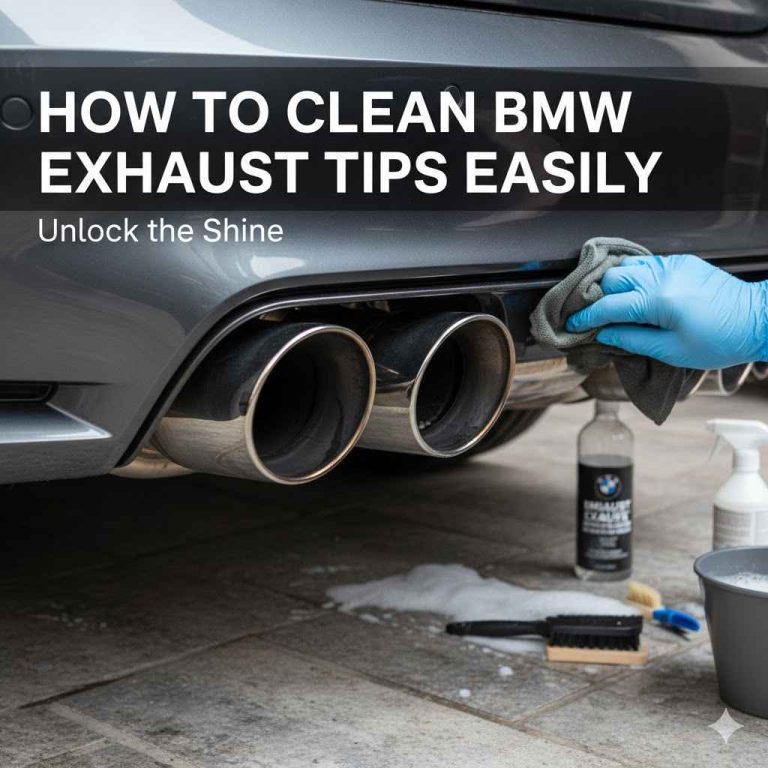
Perhaps the question about “breaking in” comes from a desire to protect the new finish of the exhaust tip. This is a valid concern because exhaust tips are exposed to harsh elements: heat, moisture, road salt, and exhaust byproducts. However, the “break-in” concept doesn’t apply here either. Instead, you should focus on proper care and maintenance to keep the finish looking its best.
Caring for Different Finishes:
- Chrome: Chrome tips are popular for their mirror-like shine. To maintain them, wash regularly with mild soap and water. For stubborn grime or water spots, use a dedicated chrome polish. Avoid abrasive cleaners or pads, which can scratch the surface.
- Powder-Coated Black: Black tips often have a durable powder coat finish. Clean them with a mild soap and water. Avoid harsh chemicals that could degrade the coating. If you notice minor scratches, some specialized touch-up paints are available.
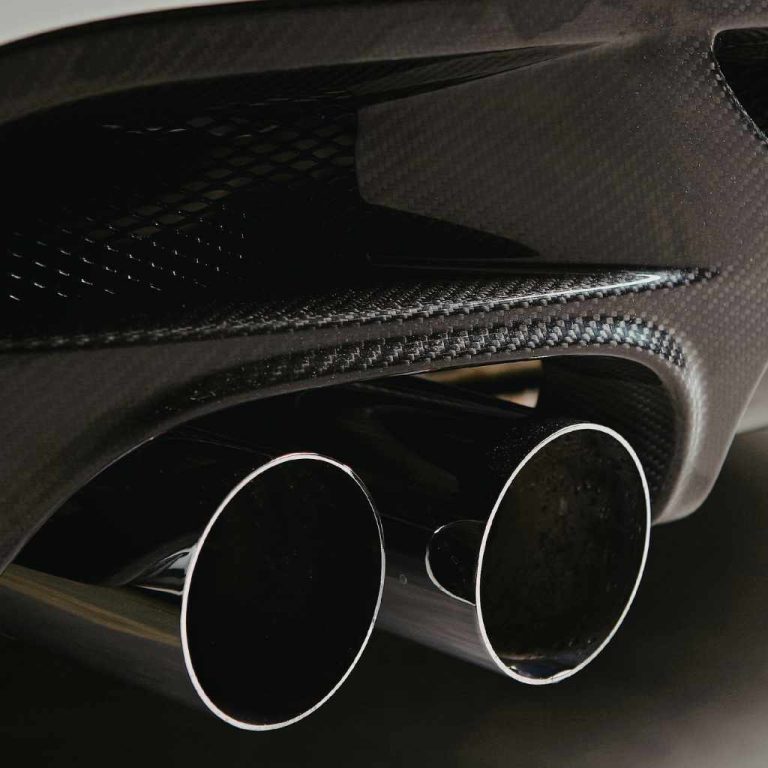
- Carbon Fiber: Authentic carbon fiber tips are lightweight and stylish. They are typically coated with a clear UV-resistant layer. Clean them with car shampoo and water. A good quality automotive wax or sealant can add an extra layer of protection and shine, but this is a maintenance step, not a break-in.
- Stainless Steel: Stainless steel is known for its corrosion resistance. Regular washing is usually sufficient. For a deeper clean or to remove discoloration, a stainless steel cleaner can be used.
The key to a long-lasting finish on any exhaust tip is consistent, gentle cleaning and protection, not a break-in period. Think of it like caring for new shoes – you wouldn’t “break them in” to make the leather shiny; you’d polish them.
Initial Heat Cycling and Exhaust System “Break-In” (A Different Concept)
It’s possible that the idea of “break-in” is being conflated with the initial heat cycling that some new exhaust systems might undergo, especially if new welds or coatings are involved. This is not about the tip specifically, but the entire assembly, and it’s more relevant for systems with critical new welds or muffler packing. However, for a simple exhaust tip replacement, this is almost never a concern.
If you were installing a completely new, aftermarket exhaust system from the muffler back, the manufacturer might recommend a gentle initial drive. This is usually to:
- Allow any new muffler packing material to cure or settle.
- Ensure new welds are thoroughly heated and cooled, which can sometimes strengthen them.
- Burn off any protective oils or residues from the manufacturing process on the pipes and muffler (which can cause temporary smoky smells).
A typical recommendation for an entire system might be something like:
- Drive for 10-15 minutes at moderate speeds.
- Avoid hard acceleration or prolonged idling for the first few hundred miles.
This is completely different from just changing the tips. Exhaust tips are typically made from pre-finished materials and are designed to be a cosmetic add-on. The heat and gases passing through them are the same as what the rest of your exhaust handles. There are no internal mechanical components within the tip that need to gradually adapt to operating temperatures.
Common Misconceptions and Why They Are Wrong
Let’s address some of the common misunderstandings:
Misconception 1: “My exhaust tip is new, it needs to get used to the heat.”
Reasoning: Exhaust tips are made from robust materials like stainless steel, chrome-plated steel, or carbon fiber, designed to withstand extreme temperatures from your engine’s exhaust. Repeated exposure to heat is what they are built for. They don’t have sensitive parts that get damaged by initial heat exposure.
Misconception 2: “There’s a coating on it that needs to burn off.”
Reasoning: While some entire exhaust systems might have manufacturing oils that burn off initially (causing smoke and smell), this is rare for just exhaust tips. If a tip does have a temporary coating, it’s usually to protect it during shipping. This coating would typically be removed during the cleaning process before installation, or it would burn off very quickly and harmlessly on the first drive.