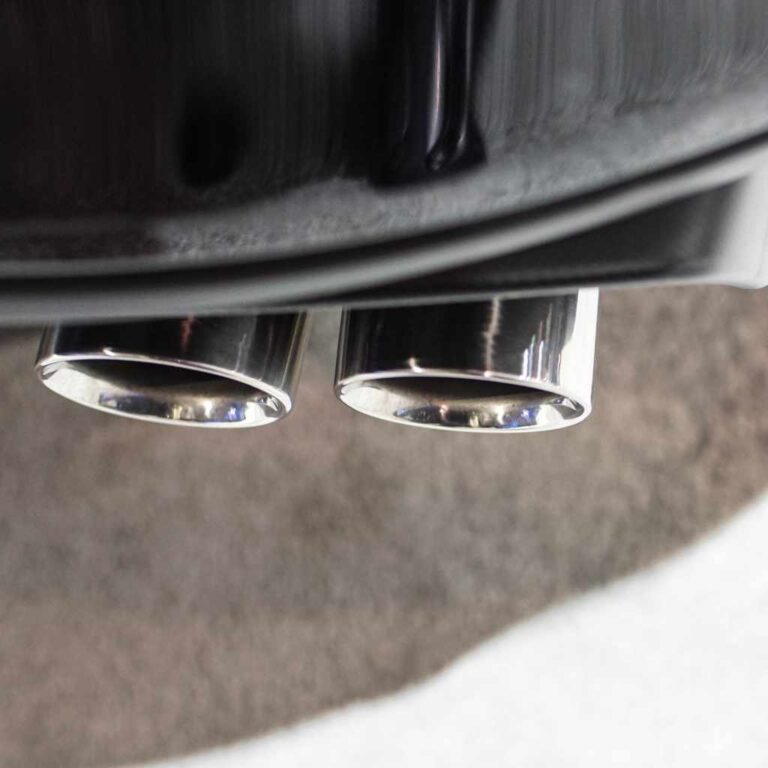
Do Wider Exhaust Tips Deepen Sound: Essential Guide
Generally, no. Wider exhaust tips alone don’t significantly deepen a car’s exhaust sound. While they can slightly alter the tone, the primary factors affecting sound depth are the muffler, exhaust pipe diameter, and engine. Changing tips is mostly an aesthetic upgrade, not a guaranteed method for a deeper rumble.
Ever wondered if those shiny, wide exhaust tips you see on some cars are the secret to that deep, powerful engine roar? It’s a common question among car lovers, and you’re not alone if you’re a bit confused. Many car owners want a sportier sound from their vehicle, and exhaust tips are one of the most visible aftermarket parts. But does simply swapping out your old tips for bigger ones actually make your car sound deeper and more aggressive? We’ll break it down in a way that’s easy to understand. You’ll learn what really makes an exhaust sound deep and how (or if) wider tips play a part. Let’s get your exhaust questions answered so you can make informed decisions for your ride!
Understanding Exhaust Sound: More Than Just Looks
The sound your car makes is a complex symphony produced by its engine and exhaust system working together. Think of the exhaust system as your car’s lungs and voice box. It starts at the engine, carrying away burnt gases, and ends at the tailpipe, where those gases are released. Along this journey, the exhaust gases pass through several key components that shape the sound.
When the engine fires, it creates pressure waves – essentially mini sound booms. These rushes of hot gas travel down the exhaust pipe. The real magic (and noise control) happens in the muffler. Its job is to quiet down these loud pressure waves. Mufflers use a combination of perforated tubes, baffles, and sound-absorbing materials to cancel out noise. The way a muffler is designed is the biggest factor in whether your car has a quiet hum or a throaty growl.
After the muffler, the exhaust gases continue through the rest of the exhaust piping and finally exit through the exhaust tips. While the tips are the last thing the sound encounters, they are generally the least influential component when it comes to the depth of the sound. They are primarily about aesthetics, directing the exhaust flow, and in some cases, adding a bit of character to the tone.
The Role of the Muffler
The muffler is the unsung hero (or villain, depending on your sound preference) of exhaust acoustics. It’s a baffled or chambered box designed to reduce the noise produced by the engine. There are a few main types:
- Chambered Mufflers: These use a series of precisely sized chambers that redirect exhaust gases. The redirecting process cancels out sound waves, much like noise-canceling headphones work. This design often produces a deeper, more aggressive tone.
- Straight-Through (Glasspack) Mufflers: These contain a perforated core surrounded by sound-absorbing material, like fiberglass or steel wool. Exhaust gases flow more freely through a straighter path, resulting in less muffling and often a louder, higher-pitched sound.
- Resonators: While not mufflers, resonators are also part of the exhaust system and work to cancel out specific frequencies, often high-pitched drones, to create a smoother, more desirable sound.
The size, shape, and internal design of the muffler have a far more significant impact on the exhaust note’s depth than the exhaust tips.
Exhaust Pipe Diameter: A Crucial Element
The diameter of the exhaust piping itself plays a significant role in sound quality and performance. Larger diameter pipes generally allow exhaust gases to flow more freely, which can lead to a deeper tone and increased horsepower. However, if the pipes are too large for the engine, they can sometimes lead to a loss of low-end torque and a less refined exhaust note.
Here’s a simple way to think about it:
- Smaller Diameter Pipes: Tend to create a higher-pitched, sometimes raspy sound. They can also restrict exhaust flow, potentially hindering performance.
- Larger Diameter Pipes: Can allow for better gas flow, potentially leading to a deeper, more resonant tone. They are often paired with high-performance engines that produce more exhaust volume.
While exhaust tips are connected to the exhaust pipe, their diameter is usually only a small portion of the entire system’s diameter. The main piping leading to the tips is what truly influences flow and sound resonance.
So, Do Wider Exhaust Tips Deepen Sound? The Verdict
Let’s get straight to the point: wider exhaust tips, by themselves, do not significantly deepen a car’s exhaust sound. While they can cause subtle changes, the impact on pitch and depth is minimal compared to other exhaust components.
Here’s why:
- Aesthetics Over Acoustics: Exhaust tips are primarily an aesthetic modification. They are the visible, stylish component at the end of the exhaust system. Manufacturers and aftermarket companies offer them in various sizes, shapes, and finishes (chrome, carbon fiber, black) to give your car a custom look.
- Minimal Impact on Gas Flow: The exhaust gases have already passed through the engine, catalytic converter, and most importantly, the muffler and piping before reaching the tips. The muffler has done the heavy lifting of shaping the sound. The small increase in diameter at the very end has very little effect on the overall flow characteristics or the sound waves already formed.
- Subtle Tone Alterations: What you might perceive as a deeper sound from wider tips could be a slight alteration in resonance or a change in how the sound waves dissipate. Think of it like changing the opening of a musical instrument – it can slightly change the sound, but it doesn’t fundamentally change the instrument’s tone. A wider tip might allow the sound pulse to expand slightly more, which could be interpreted as a bit more ‘boom,’ but it’s not a dramatic deepening.
- The Importance of the Muffler and Piping: As discussed, the muffler is designed to reduce noise. Its internal structure determines the pitch and depth. The diameter and length of the exhaust pipes before the tips also heavily influence how sound waves travel and resonate.
If you’re aiming for a deeper exhaust note, focusing on the muffler and potentially the exhaust piping diameter will yield much more significant results than just changing the tips. We’ll explore those options later.
What Can Affect Exhaust Sound? A Quick Comparison
To see why wider tips are low on the list, let’s compare what influences exhaust sound depth:
| Component/Factor | Impact on Sound Depth | Primary Role | Example of Change |
|---|---|---|---|
| Muffler Design | High | Noise reduction and sound shaping | Replacing a restrictive muffler with a performance muffler designed for deeper notes. |
| Exhaust Pipe Diameter | Medium to High | Gas flow and resonance | Upgrading to larger diameter piping (e.g., from 2.5″ to 3″) on a performance car. |
| Resonator Type | Medium | Reducing specific frequencies (like drone) | Removing a resonator can make the exhaust louder, but not necessarily deeper. Replacing it with a different type can fine-tune sound. |
| Engine Modifications | High | Volume and pitch of exhaust gases produced | Engine modifications like turbocharging or camshaft upgrades can change exhaust note characteristics. |
| Exhaust Tip Diameter | Low | Aesthetics and minor sound dispersal | Changing from a 2.5″ tip to a 4″ tip might cause a slight, nearly unnoticeable change in tone. |
As you can see, exhaust tips are at the very bottom of the list for influencing sound depth. Their primary purpose is to look good!
How to Get a Deeper Exhaust Sound: Real Solutions
If your goal is that satisfyingly deep rumble, don’t despair! While wider tips aren’t the answer, there are effective ways to achieve a more profound exhaust note. These usually involve modifications that affect how the exhaust gases are managed and how the sound waves are processed.
1. Upgrade Your Muffler
This is the most common and effective way to change your exhaust sound. Performance mufflers are designed to allow more exhaust flow while creating a deeper, more aggressive tone.
- Types: Look for “performance mufflers,” “deep tone mufflers,” or “sport mufflers.” Mufflers designed with larger internal chambers or straight-through designs (but engineered for tone, not just loudness) often deliver the desired sound.
- Consider a “Resonator Delete” (with caution): Some vehicles have a resonator specifically to quiet down certain frequencies or drone. Removing it can make the exhaust louder and sometimes deeper, but it can also introduce unwanted drone. This is often done in conjunction with a new muffler for finely tuned results.
- Research Specific Models: Many aftermarket muffler manufacturers offer different sound profiles for the same vehicle. Check reviews, YouTube videos, and manufacturer descriptions to find one that matches your desired depth.
2. Change the Exhaust Piping Diameter
As mentioned earlier, the diameter of your exhaust pipes plays a role. If your car has very small factory piping, upgrading to a slightly larger diameter (properly matched to your engine’s needs and other exhaust components) can help produce a deeper tone and potentially improve performance.
- Consult a Professional: Changing pipe diameter is a more involved modification. It’s best to consult with an exhaust shop. They can recommend the correct diameter for your car that won’t negatively impact performance or create excessive drone.
- Kit Availability: You can often buy complete cat-back or axle-back exhaust systems that include larger diameter piping and a performance muffler, offering a comprehensive sound upgrade.
3. Install a Performance Cat-Back System
A “cat-back” exhaust system replaces everything from your catalytic converter back to the tailpipe. These systems are engineered to improve exhaust flow and sound.
- Benefits: They typically include larger diameter piping, a performance muffler, and often sportier tips. This comprehensive approach ensures all components work together for optimal sound and potential performance gains.
- Cost: Cat-back systems can be more expensive than just replacing a muffler but offer a complete solution.
4. Consider Resonator Deletion (with a caveat)
Removing the resonator can sometimes make the exhaust sound louder and deeper. However, resonators are often there to eliminate specific, annoying frequencies (drones) that can make highway driving unpleasant. So, while you might gain depth, you could also gain an irritating drone.