

Are Exhaust Pipes Emit VOCs: Uncover the Truth
Have you ever wondered what exactly comes out of your car’s exhaust pipe? You might already know about the carbon dioxide and water vapor, but there’s something else lurking in those fumes—VOCs, or Volatile Organic Compounds.

LCGP
LCGP Universal 2.5" In/Out Crossover X Pipe…
- 2.5 inch inside diameter inlet/outlet, 12 inch overall length.
- Designed to channel out the emitted gas from the engine of the vehicle.
- Made of high quality Stainless Steel with strong anti-corrosive, Never Rusty.
As an Amazon Associate I earn from qualifying purchases.
VOCs are not only harmful to the environment but can also affect your health. Now, imagine the impact of millions of vehicles releasing these compounds daily. Curious about how this affects you and your surroundings? Stick around as we delve into the hidden world of exhaust emissions and reveal surprising truths you need to know.
Your understanding of exhaust pipes might just change forever!
.jpg&w=3840&q=75)
Credit: esg.tsmc.com
Exhaust Pipes And Voc Emissions
Exhaust pipes play a crucial role in vehicle emissions. They release various gases into the air. Among these gases are VOCs, or volatile organic compounds. VOCs can impact air quality and human health. Understanding VOC emissions from exhaust pipes is essential. It helps in managing environmental concerns.
What Are Vocs?
VOCs are organic chemicals. They evaporate easily at room temperature. These compounds can be natural or man-made. VOCs are found in many products, like paints and cleaning agents. In the air, they can form harmful pollutants. Some VOCs contribute to smog formation. Others may affect indoor air quality. Knowing about VOCs helps us reduce their impact.
Sources Of Vocs In Vehicles
Vehicles emit VOCs through exhaust pipes. The combustion of fuel produces these compounds. Incomplete burning of gasoline results in VOC emissions. Fuel evaporation also contributes to VOC levels. Older engines may emit more VOCs. Regular maintenance can help reduce emissions. Proper fuel management is crucial. It minimizes VOCs in vehicle exhaust.
Credit: www.klean-esp.com
Mechanisms Of Voc Emission
Exhaust pipes release VOCs into the air. These volatile organic compounds come from unburned fuel. They contribute to pollution and health issues. Understanding their emission helps in reducing environmental impact.
Understanding the mechanisms of VOC (Volatile Organic Compounds) emission from exhaust pipes can help you make informed decisions about vehicle maintenance and fuel choices. VOCs are a group of organic chemicals that can easily evaporate and enter the atmosphere. These emissions can impact air quality and contribute to environmental issues like smog and health problems. By knowing how they are emitted, you can take steps to minimize their release from your vehicle.
Combustion Processes
The combustion process in your vehicle’s engine plays a crucial role in VOC emissions. When fuel burns, it doesn’t always do so completely. This incomplete combustion can lead to the release of VOCs. Keep in mind that maintaining your vehicle’s engine and exhaust system can help improve combustion efficiency. Regular servicing not only reduces emissions but can also enhance your car’s performance.
Fuel Type And Quality
The type and quality of fuel you use can significantly influence VOC emissions from your exhaust pipe. High-quality fuels tend to burn more efficiently, resulting in fewer VOCs. On the other hand, lower-quality fuels might contain more impurities, leading to higher emissions. Consider using fuels with added detergents or those labeled as cleaner-burning to minimize these emissions. Have you ever noticed the difference in exhaust smell when using different fuel types? This could be a sign of varying VOC levels. Choosing the right fuel not only helps the environment but can also save you money by improving fuel efficiency. Being aware of these mechanisms helps you be a more responsible vehicle owner. Have you checked your vehicle’s emission levels recently? Taking small steps can make a big difference in reducing your carbon footprint.
Impact Of Vocs On Health
Exhaust pipes are infamous for releasing harmful substances into the environment, and one of the most concerning are volatile organic compounds (VOCs). These compounds not only contribute to air pollution but can also have significant impacts on your health. Understanding these effects is crucial for anyone who regularly encounters vehicle emissions.
Short-term Health Effects
Imagine walking down a busy street, inhaling the mix of scents and fumes. That discomfort you feel in your throat or the slight headache creeping in could be the result of exposure to VOCs. These compounds can irritate your eyes, nose, and throat.
Short-term exposure might also lead to symptoms like dizziness or skin irritation. Have you ever noticed feeling light-headed after spending time in a congested area? VOCs could be the culprit. This immediate impact raises questions about the environments we choose to spend our time in.
Long-term Health Consequences
While the short-term effects are unsettling, the long-term consequences of VOC exposure are even more alarming. Prolonged exposure can lead to more severe health issues such as respiratory problems and even certain types of cancer.
Consider the impact on those who work in environments with consistent exposure to vehicle emissions, such as traffic officers or urban delivery drivers. Are we adequately protecting these individuals from the dangers of VOCs? These compounds can also contribute to chronic conditions like asthma, making it harder for people to breathe easily.
Taking steps to reduce your exposure to vehicle emissions could safeguard your health in the long run. Could choosing alternative transportation methods or advocating for cleaner air policies make a difference in your life and your community?
Environmental Implications
Exhaust pipes emit volatile organic compounds (VOCs), which harm the environment. These emissions affect air quality and contribute to climate change. Understanding these impacts helps us protect our planet.
Air Quality Deterioration
VOCs from exhaust pipes worsen air quality. They mix with other pollutants. This forms smog. Smog reduces visibility and harms health. Breathing in polluted air causes respiratory problems. It affects children and the elderly most. VOCs also irritate eyes and throat.
Urban areas suffer the most. Traffic congestion leads to higher VOC levels. People in cities breathe more polluted air. This increases health risks. Reducing exhaust emissions improves air quality.
Contribution To Climate Change
Exhaust pipes release greenhouse gases. These gases trap heat in the atmosphere. VOCs contribute to this effect. They lead to global warming. Warmer temperatures affect ecosystems. Ice caps melt. Sea levels rise. Weather patterns change.
Climate change impacts agriculture. Crops fail with unpredictable weather. This threatens food security. Reducing VOC emissions helps slow climate change. Cleaner technologies and regulations are essential.
Regulations And Standards
Exhaust pipes can emit volatile organic compounds (VOCs), which are harmful pollutants. Regulations and standards aim to reduce these emissions. These guidelines help protect air quality and public health by controlling the levels of VOCs released into the environment.
When you think about exhaust pipes, you might not immediately consider the strict regulations and standards that govern their emissions. Yet, these rules play a crucial role in maintaining air quality and protecting public health. Understanding these regulations can help you make informed decisions about your vehicle and its environmental impact.
Government Policies
Governments worldwide have implemented policies to limit the emission of volatile organic compounds (VOCs) from vehicles. These policies aim to reduce air pollution and its associated health risks. For instance, the Environmental Protection Agency (EPA) in the United States sets stringent emission standards for new vehicles, ensuring they emit fewer harmful pollutants. Europe also follows strict regulations under the Euro emission standards, which get progressively tighter over time. These standards push manufacturers to design cleaner engines. Are you aware of the emission standards in your country?
Industry Standards
Aside from government regulations, industry standards also play a significant role in controlling VOC emissions from exhaust pipes. Automotive manufacturers adhere to these standards to ensure their vehicles meet legal requirements and customer expectations. One prominent example is the ISO standards, which provide guidelines for measuring and controlling emissions. By following these standards, companies can improve vehicle efficiency and reduce environmental impact. Do you check if your car manufacturer complies with these standards? Keeping up with these regulations and standards can be challenging, but it’s essential for a cleaner future. What steps can you take to reduce your vehicle’s emissions?
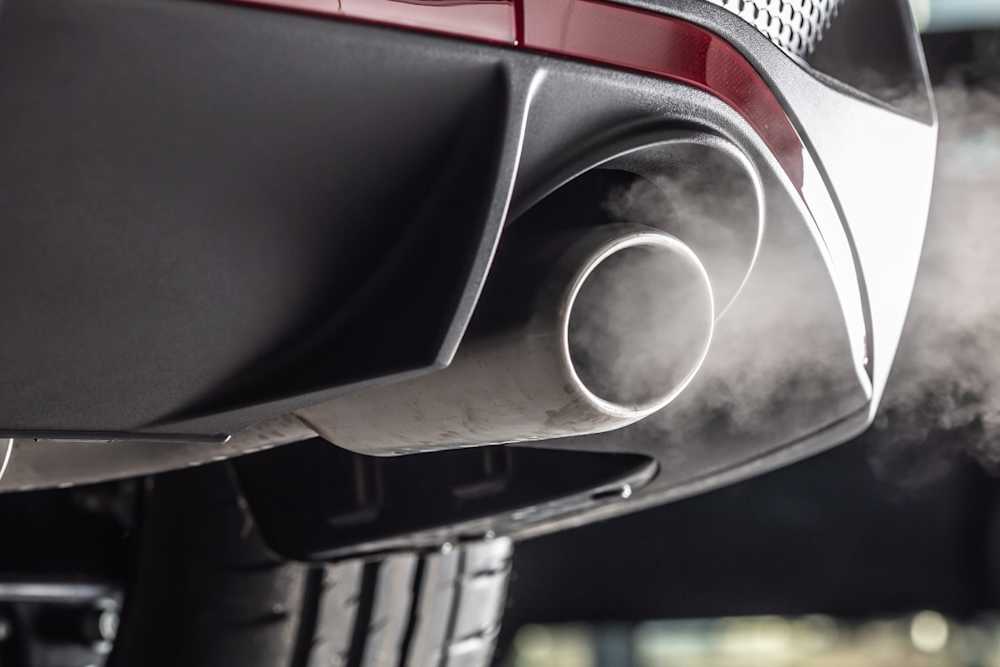
Credit: measurlabs.com
Technological Innovations
Exhaust pipes release volatile organic compounds (VOCs) into the air. These compounds contribute to pollution and health problems. Reducing VOC emissions is crucial for a cleaner environment.
Technological innovations are changing the landscape of exhaust pipes and their impact on the environment. As the world becomes more conscious of air quality, it’s crucial to explore how technology is reshaping emissions. From reducing harmful pollutants to exploring alternative fuels, innovation is key to creating a cleaner future.
Emission Reduction Technologies
Modern exhaust systems are equipped with advanced catalytic converters. These devices transform toxic gases from your vehicle into less harmful substances. Did you know that many cars now have oxygen sensors? These sensors help optimize fuel combustion, reducing emissions even further. Some manufacturers are introducing particulate filters. These filters capture soot and other particles before they escape into the atmosphere. Imagine driving a car that cleans the air instead of polluting it. That’s the direction we’re heading with these technologies.
Alternative Fuels
Have you considered the impact of the fuel you use? Electric vehicles (EVs) are gaining popularity as a clean alternative to gasoline. They produce zero emissions, making them an attractive option for eco-conscious drivers. Another exciting development is hydrogen fuel cells. Vehicles powered by hydrogen emit only water vapor, offering a promising glimpse into a sustainable future. Biofuels, derived from plants, are also on the rise. They can be used in existing engines, reducing reliance on fossil fuels. If you had the choice, would you switch to an alternative fuel? The options are growing, giving you the power to make environmentally friendly decisions. These technological innovations are paving the way for cleaner and more sustainable exhaust systems. As you consider your next vehicle, think about how these advancements can make a difference in the air you breathe.
Future Directions
Exploring the emissions from exhaust pipes reveals that volatile organic compounds (VOCs) are indeed present. These compounds can affect air quality and health. Future research aims to minimize these emissions and develop cleaner automotive technologies.
As the world shifts towards sustainability, the future of exhaust pipe emissions and VOCs (Volatile Organic Compounds) is a hot topic. The changes in vehicle technology could significantly reduce the environmental impact of these emissions. How do advancements in technology shape this future?
Advancements In Engine Design
Engine designs are rapidly evolving. Manufacturers are now focusing on reducing emissions at the source. New engines aim to burn fuel more efficiently, minimizing VOCs. Some car manufacturers are developing engines with improved combustion processes. These engines create fewer harmful byproducts, contributing to cleaner air. Advanced filters and catalytic converters further reduce VOC emissions. By capturing and breaking down pollutants before they exit the exhaust, these devices play a crucial role. Are you ready to see how these innovations can transform the air we breathe?
Role Of Electric Vehicles
Electric vehicles (EVs) are gaining momentum. They offer a promising solution to the VOC emission problem. With no exhaust pipes, EVs eliminate VOC emissions entirely. This change drastically improves urban air quality. Are you considering an EV for your next vehicle purchase? The charging infrastructure for EVs is expanding. More charging stations mean more convenience for EV owners. As you consider an EV, think about how this shift might impact your daily life and the environment. Electric vehicles are not just a trend; they are shaping the future of transportation. Their ability to cut VOC emissions to zero is a significant step forward. How will you contribute to this greener future?
Frequently Asked Questions
Do Exhaust Pipes Emit Vocs?
Yes, exhaust pipes can emit volatile organic compounds (VOCs). These are harmful pollutants released from vehicle emissions. VOCs contribute to air pollution and smog formation. Regular vehicle maintenance can help reduce VOC emissions.
How Do Vocs Affect Health?
Exposure to VOCs can lead to health issues like headaches and respiratory problems. Long-term exposure may increase cancer risk. It’s crucial to minimize exposure to VOCs for better health. Well-maintained vehicles emit fewer VOCs.
Can Vehicle Maintenance Reduce Voc Emissions?
Proper vehicle maintenance can significantly reduce VOC emissions. Regular checks ensure efficient combustion and minimize harmful pollutants. Keeping your engine clean and well-tuned helps in reducing emissions. It’s a simple way to contribute to cleaner air.
Are Vocs Harmful To The Environment?
Yes, VOCs are harmful to the environment. They contribute to air pollution and smog formation. VOCs can affect plant life and water quality. Reducing VOC emissions is essential for environmental protection.
Conclusion
Exhaust pipes emit VOCs into the air. These gases impact our health. They also harm the environment. Reducing VOC emissions is crucial. We can choose cleaner transportation options. Electric cars offer a greener choice. Regular vehicle maintenance helps too. It reduces harmful emissions.
Supporting eco-friendly policies also makes a difference. Every small action counts. By staying informed, we help protect our planet. Let’s aim for cleaner air and a healthier future. Our choices today shape tomorrow’s world.
Related pick: Check today's price on Amazon


