Are All Oxygen Sensors The Same? A Beginner’s Guide To O2 Sensors
What Is an Oxygen Sensor?
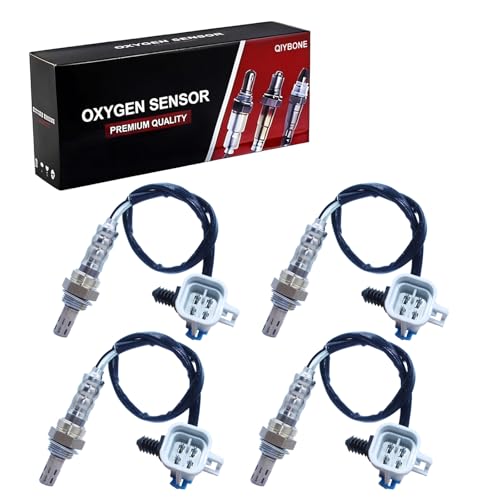
QIYBONE
4PCS Oxygen O2 Sensor Upstream Downstream 234-4668…
- 【Vehicle Fitment】Chevy/Chevrolet Silverado 1500 5.3L 2003-2005, Tahoe 5.3L 2003-2005, Avalanche 1500 5.3L 2003-2005, Suburban 1500…
- 【Reference Number】Part Number or OE Number: Oxygen O2 Sensor Upstream Downstream: 234-4668, 15284, 21546, SG1857, 8125731670, 1258…
- 【Product Features】Our oxygen sensors are made of stainless steel and high temperature resistant materials, double protection with…
As an Amazon Associate I earn from qualifying purchases.
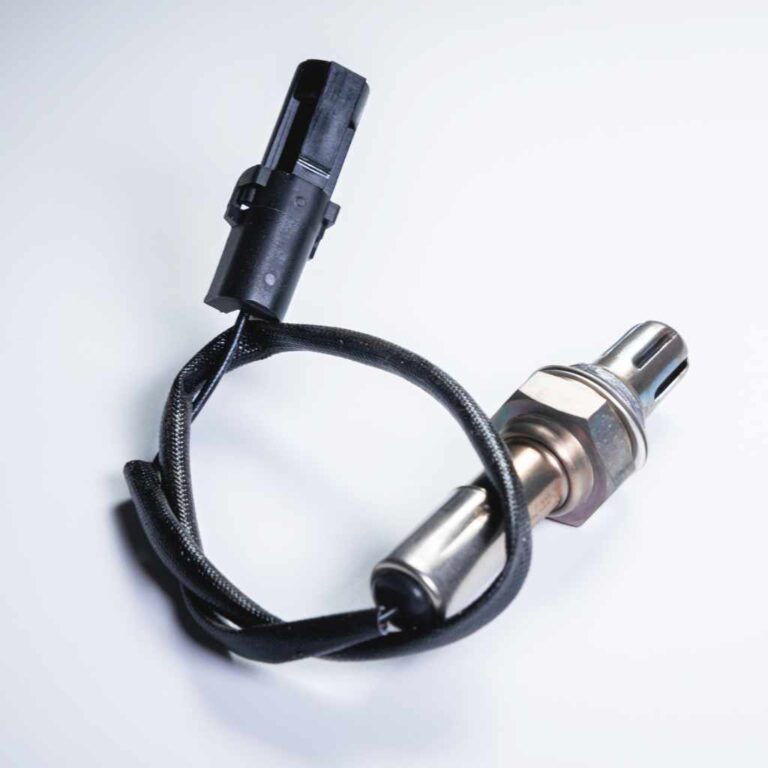
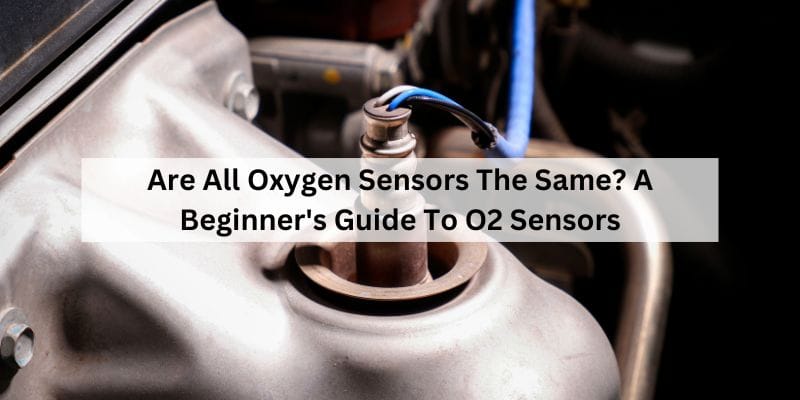
An oxygen sensor, or O2 sensor, is a small gadget in your car’s exhaust system. It measures how much oxygen is in the exhaust gases. Think of it like a nose that sniffs the air to tell your car’s computer if the engine is burning fuel properly. If the mix is too rich (not enough oxygen) or too lean (too much oxygen), the sensor helps adjust it. This keeps your car running smoothly, saves gas, and cuts down on pollution. Pretty cool, right?
Why Aren’t All Oxygen Sensors The Same?
I used to think all O2 sensors were like interchangeable Lego bricks. Nope! While they all measure oxygen, they differ in design, function, and fit. Here’s why:
- Types of Sensors: There are narrow-band and wide-band sensors. Narrow-band ones flip between rich and lean signals, while wide-band sensors give a more precise reading for better fuel control.
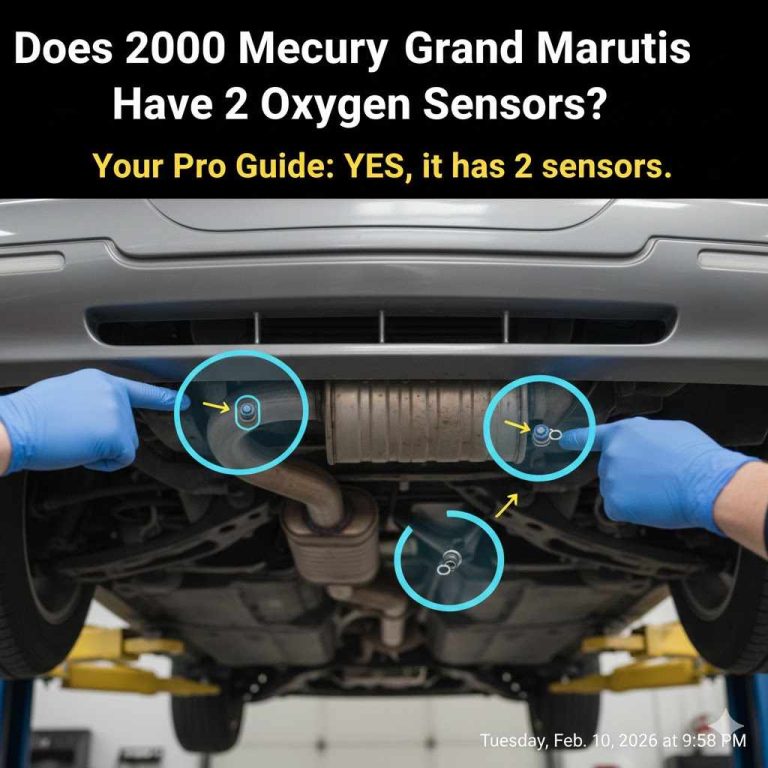
- Location Matters: Cars have upstream sensors (before the catalytic converter) and downstream sensors (after it). Each has a specific job, so you can’t swap them.
- Car Make and Model: Every car is unique. A sensor for a Honda might not fit a Ford due to different connectors, wiring, or thread sizes.
- Heated vs. Unheated: Older sensors (unheated) rely on exhaust heat to work. Newer heated sensors warm up faster, making them more efficient.
When I replaced my truck’s sensor with a cheap universal one, it didn’t fit right, and my check engine light stayed on. Lesson learned: always match the sensor to your car’s specs!
How to Choose the Right Oxygen Sensor
Picking the right O2 sensor is like choosing the perfect pair of shoes—you need the right size and style. Here’s a simple step-by-step guide:
- Check Your Car’s Manual: Look up the exact sensor type in your owner’s manual or online. It’ll list the part number and whether it’s upstream or downstream.
- Use a VIN Lookup: Your car’s Vehicle Identification Number (VIN) can help you find the exact sensor on sites like AutoZone or RockAuto.
- Avoid Universal Sensors: These might save a few bucks, but they often don’t fit perfectly. Stick with OEM (original equipment manufacturer) or trusted brands like Bosch or NGK.
- Match the Connector: Make sure the sensor’s plug matches your car’s wiring harness. A mismatched connector is a recipe for trouble.
Tools You’ll Need to Replace an O2 Sensor
Replacing an oxygen sensor is a fun DIY project if you’ve got the right tools. Here’s what you need:
- O2 Sensor Socket or Wrench: A special 7/8-inch or 22mm socket makes removal easy.
- Penetrating Oil: This loosens rusted sensors stuck in the exhaust.
- OBD-II Scanner: Checks error codes to confirm the sensor is bad.
- Gloves and Rags: Keeps your hands clean and safe from hot parts.
I keep a basic toolbox in my garage, and these tools made my last sensor swap a breeze. You can find them at any auto parts store for about $20-$50 total.

Table 1: Comparing Oxygen Sensor Types
| Sensor Type | Pros | Cons | Best For |
|---|---|---|---|
| Narrow-Band | Cheap, simple | Less precise | Older cars |
| Wide-Band | Very accurate | More expensive | Newer cars |
| Heated | Works fast | Can have electrical issues | Modern vehicles |
| Unheated | Low cost | Slow to warm up | Classic cars |
Caption: This table helps you pick the right sensor type for your car’s needs.
Benefits and Drawbacks of Oxygen Sensors
Oxygen sensors are awesome for keeping your car efficient and eco-friendly. They help save gas, reduce emissions, and keep your engine happy. For example, a good sensor can boost fuel economy by up to 40%, according to the EPA! But there are some downsides. Sensors can get dirty from oil or coolant leaks, and they wear out over time (usually every 60,000-100,000 miles). A bad sensor might make your car guzzle gas or fail an emissions test. Trust me, I’ve been there—it’s no fun!
Common Mistakes to Avoid
When I started working on cars, I made some rookie errors. Here are three mistakes to dodge:
- Buying a Cheap Universal Sensor: They might not fit or work right, causing more problems.
- Not Checking the Wiring: A damaged connector can mimic a bad sensor. Inspect it first!
- Over-Tightening the Sensor: This can strip the threads, making future replacements tough.
Table 2: Cost Comparison of Oxygen Sensors
| Sensor Brand | Price Range | Warranty | Where to Buy |
|---|---|---|---|
| Bosch | $30-$100 | 1-2 years | AutoZone, Amazon |
| NGK/NTK | $40-$120 | 1 year | RockAuto, eBay |
| OEM (e.g., Ford) | $80-$200 | 2-3 years | Dealership |
Caption: Compare prices and warranties to find the best deal for your budget.