Could A Bad Water Pump Affect Oxygen Sensors? Essential Guide
Yes, a failing water pump can indirectly impact your oxygen sensors, leading to performance issues and warning lights. It affects engine temperature regulation, a crucial factor for oxygen sensor accuracy and function.
Ever notice your car acting a bit strange, maybe the check engine light flickers on, but you’re not sure why? It can be frustrating when your car doesn’t communicate clearly what’s wrong. Sometimes, problems in one part of your engine can cause headaches in another. Today, we’re going to explore a connection that might surprise you: your car’s water pump and its oxygen sensors. While they don’t seem directly linked, a water pump on its last legs can definitely throw a wrench into how your oxygen sensors work. Stick around, and we’ll break down exactly how this happens and what you can do about it. We’ll guide you through understanding the signs and what steps to take to keep your car running smoothly.
Understanding the Water Pump and Oxygen Sensors
Before we dive into how they might be connected, let’s get a basic understanding of what each part does. Think of your car’s engine as a hard-working athlete. It generates a lot of heat, and just like an athlete, it needs to stay at the right temperature to perform its best. Too hot, and things can get damaged. Too cold, and it won’t run efficiently.
What is a Water Pump?
The water pump is like the engine’s personal cooling system manager. It’s responsible for circulating coolant (a mix of antifreeze and water) throughout your engine. This coolant flows through passages in the engine block and cylinder head, absorbing heat. Then, the water pump pushes this warmed coolant to the radiator, where it’s cooled by airflow before being sent back into the engine. This continuous cycle keeps your engine from overheating.
A typical water pump has a spinning impeller inside. As the engine runs, a belt turns the pulley attached to the water pump shaft, spinning the impeller. This action moves the coolant around. If the water pump isn’t doing its job properly, the coolant won’t flow, and the engine will start to overheat.
What are Oxygen Sensors?
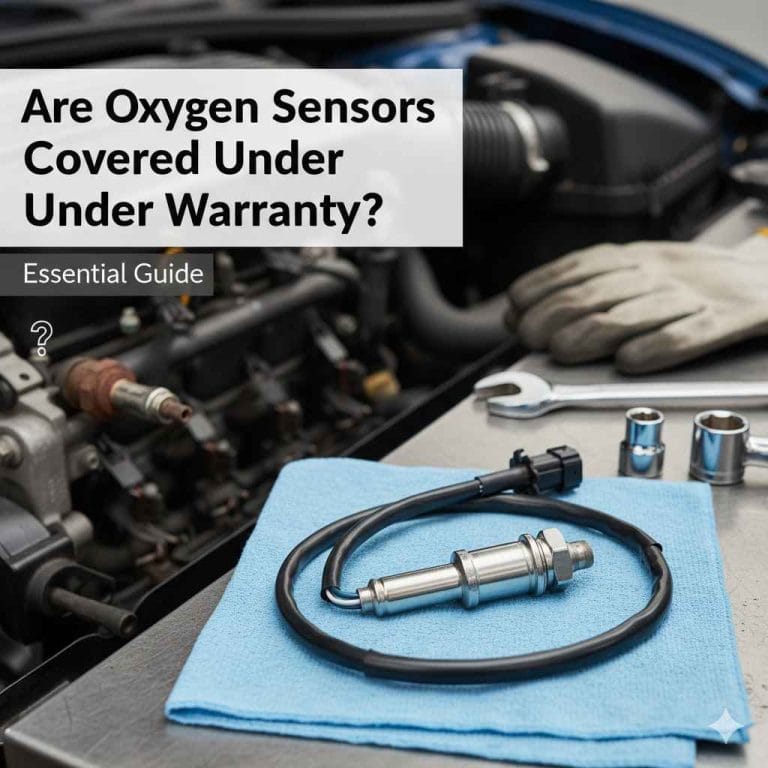
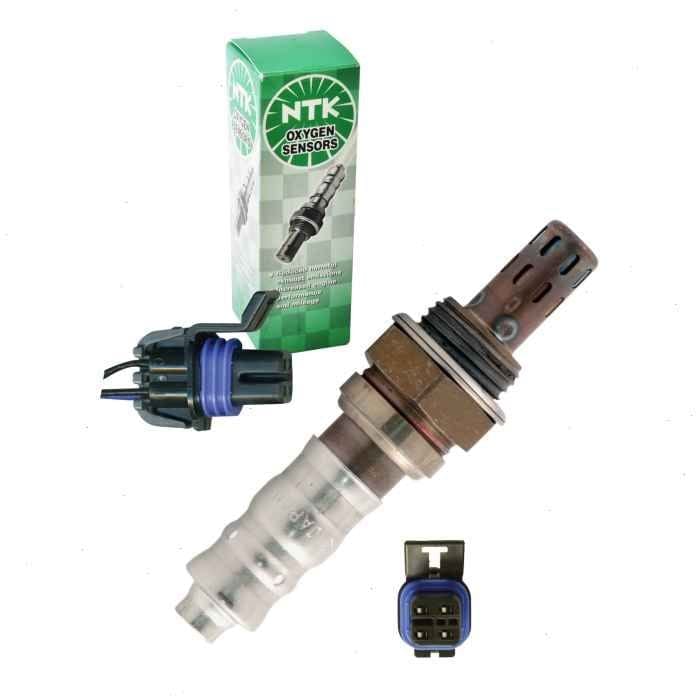
Oxygen sensors, also known as O2 sensors, are vital components of your car’s exhaust system. They are located in the exhaust manifold, before the catalytic converter, and sometimes after it. Their main job is to measure the amount of unburned oxygen in your exhaust gases. This information is critical for your car’s computer, known as the Engine Control Module (ECM) or Powertrain Control Module (PCM).
The ECM uses the O2 sensor data to fine-tune the air-fuel mixture going into the engine. A perfect air-fuel ratio ensures that your engine burns fuel as efficiently as possible, minimizing emissions and maximizing performance. If the O2 sensors send inaccurate readings, the ECM can’t make the proper adjustments, leading to:
- Poor fuel economy
- Reduced engine power
- Rough idling
- Increased emissions
- Illuminated check engine light

How a Bad Water Pump Can Affect Oxygen Sensors
Now, let’s connect the dots. A direct link isn’t the case. A bad water pump won’t physically damage an oxygen sensor. However, its malfunction can create conditions that negatively impact the O2 sensor’s ability to function correctly and provide accurate readings.
Overheating and Engine Temperature
The most significant way a bad water pump affects O2 sensors is through engine overheating. Oxygen sensors are designed to operate within a specific temperature range. When an engine overheats:
- Sensor Accuracy Suffers: Extreme heat can affect the sensor’s internal components and coatings, leading to inaccurate readings. It might report more or less oxygen than is actually present.
- ECM Confusion: The ECM relies on a stable engine temperature to make optimal fuel mixture decisions. When the temperature fluctuates wildly due to cooling system failure, the ECM can become confused. It might try to compensate by adjusting the fuel mixture based on faulty O2 sensor data, exacerbating performance problems.
- Sensor Damage: While less common, prolonged extreme overheating can potentially damage the O2 sensor’s heating element or its ceramic structure, shortening its lifespan.
Incorrect Engine Operating Temperatures (Too Cold)
Sometimes, a failing water pump can also cause an engine to run too cool. This can happen if the thermostat is stuck open or if there’s insufficient coolant flow. While this might seem less problematic than overheating, it also affects O2 sensors:
- Rich Fuel Mixture: When an engine is too cold, the ECM often signals to inject more fuel (a “rich” mixture) to help the engine warm up faster. The O2 sensors will detect this rich condition, but their readings might be skewed because the overall combustion process isn’t happening at optimal temperatures. This can lead to poor fuel economy.
- Reduced Efficiency: The engine simply won’t run as efficiently when it’s too cold. The combustion process is less complete, producing more pollutants. O2 sensors try to relay this information, but the ECM’s ability to manage the situation is hindered by the suboptimal operating temperature.
Contaminated Coolant
A failing water pump can sometimes lead to coolant contamination. For example, if the water pump shaft seal begins to fail, oil can sometimes leak into the coolant, or coolant can leak out externally. A degraded water pump might also allow rust and debris from the cooling system to circulate more freely.
If contaminated coolant circulates through the engine and towards the exhaust system, some contaminants could potentially affect the delicate internal components of the oxygen sensor over time, leading to premature failure or inaccurate readings. However, this is a less direct and less common effect compared to temperature-related issues.
Symptoms of a Failing Water Pump
Recognizing the signs of a failing water pump is crucial. Catching it early can prevent more severe engine damage and the cascade of problems that affect other components like your O2 sensors.
Common Signs of a Failing Water Pump
- Overheating Engine: This is the most obvious sign. The temperature gauge climbs into the red zone.
- Leaking Coolant: You might see puddles of coolant (often green, orange, or pink) under your car. A common spot for leaks is from the water pump’s weep hole.
- Whining or Grinding Noise: A worn water pump bearing can make a high-pitched whining or a grinding noise, especially when the engine is running. This sound might get louder as you accelerate.
- Corrosion or Rusty Puddles: If you see rust-colored residue around the water pump, it indicates a leak or internal corrosion.
- Steam or Smoke from Under the Hood: This is a serious sign of severe overheating, often caused by a completely failed water pump.
- Check Engine Light: While this light can mean many things, it can come on if the engine temperature is too far out of range, or if other systems like the O2 sensors are reporting abnormal values due to temperature issues.
Symptoms That Might Indicate an O2 Sensor Issue (Potentially Related to Water Pump Problems)
If your water pump is failing and causing temperature issues, you might experience symptoms that seem like O2 sensor problems, but are actually a consequence of the bad pump:
- Check Engine Light (again!): This is the BIG one. Codes related to O2 sensor performance (e.g., P0130-P0167 range) or catalytic converter efficiency (e.g., P0420-P0430) can be triggered by incorrect air-fuel mixtures caused by O2 sensors reporting wrongly due to bad engine temps.
- Poor Fuel Economy: The ECM tries to compensate for inaccurate readings by adjusting fuel delivery, often leading to a richer mixture and more gas burned.
- Rough Idling or Stalling: An imbalanced air-fuel mixture can cause the engine to run unevenly.
- Decreased Engine Performance: You might feel a lack of power or sluggish acceleration because the engine isn’t getting the optimal fuel mixture.
- Failed Emissions Test: If the engine isn’t burning fuel efficiently due to incorrect air-fuel mixtures (influenced by faulty O2 sensor data from temperature problems), your car might fail an emissions test.
Can You Diagnose Both at Once?
Yes, when troubleshooting, it’s smart to consider how these systems interact. If you’re getting a check engine light with O2 sensor codes, but you also notice signs of engine overheating or a coolant leak, the water pump should be high on your suspect list.
Diagnostic Steps
Here’s a basic way to approach diagnosing potential issues:
- Check the Temperature Gauge: Is it consistently reading high or abnormally low?
- Inspect for Leaks: Look for any signs of coolant puddles or residue around the engine, especially near the water pump area.
- Listen for Unusual Noises: Pay attention to any whining, grinding, or squealing sounds coming from the front of the engine.
- Scan for Codes: Use an OBD-II scanner to see if there are any diagnostic trouble codes (DTCs) stored in the ECM. Many auto parts stores offer free code scanning.
- Check Coolant Level: Ensure the coolant reservoir is at its proper level.
If you have codes pointing to O2 sensors (like P0131, P0132, P0133, etc.) AND you see signs of cooling system trouble, focus on the cooling system first. Fixing the cooling system issue might resolve the O2 sensor codes. If the codes persist after the cooling system is repaired, then you can focus more on replacing the O2 sensors.
Tools You Might Need for Water Pump Inspection/Replacement
If you’re comfortable with some DIY, you might need a few basic tools. If not, a mechanic will have these readily available.
| Tool | Purpose |
|---|---|
| Socket Set & Ratchet | For removing bolts holding the water pump and accessory components. |
| Wrenches | Assorted sizes for various nuts and bolts. |
| Drain Pan | To collect old coolant when draining the system. |
| Pliers | For hose clamps. |
| Scraper/Gasket Remover | To clean old gasket material from the mounting surface. |
| Torque Wrench | Essential for tightening bolts to the manufacturer’s specifications, preventing leaks or damage. |
| Safety Glasses & Gloves | For personal protection. |
| Shop Rags | For cleaning up spills. |
What if the Water Pump is Bad? Repair or Replacement?
If your inspection confirms a failing water pump, replacement is almost always necessary. Water pumps are mechanical components that wear out over time. Seals fail, bearings seize, and impellers can corrode.
Water Pump Replacement Process (Simplified)
While this can vary significantly by vehicle, here’s a general overview:
- Drain the Cooling System: Safely drain most of the coolant into a suitable container.
- Remove Obstructions: This might involve removing drive belts, fan shrouds, or other engine components to access the water pump pulley and housing.
- Remove the Old Water Pump: Unbolt the water pump from the engine block. Be prepared for residual coolant to spill out.
- Clean the Mounting Surface: Thoroughly clean the engine block where the new pump will attach. Remove all old gasket material to ensure a good seal.
- Install the New Water Pump: Apply a new gasket (or sealant, depending on the pump design) and bolt the new water pump into place. Tighten bolts in the correct sequence and to the manufacturer’s specified torque.
- Reassemble: Put back any components that were removed.
- Refill and Bleed the Cooling System: Add new coolant, following the manufacturer’s recommended type. It’s crucial to bleed any air pockets from the system to prevent airlocks, which can lead to overheating.
- Test for Leaks and Proper Operation: Start the engine, let it warm up, and check for any leaks. Monitor the temperature gauge to ensure it stays within the normal range.
Note: Depending on your vehicle, this can be a straightforward job or quite involved. Some water pumps are located behind the timing belt, making replacement much more labor-intensive.
Important Safety Note: When working with engine coolant, always wear gloves and eye protection. Coolant is toxic. Dispose of old coolant responsibly at an authorized recycling center or auto shop.
Related Systems and Components
When you’re dealing with cooling system issues or O2 sensor problems, it’s helpful to know what other parts are involved and how they can also contribute:
Cooling System Components
- Radiator: The main component where coolant releases heat. A clogged or damaged radiator can impair cooling.
- Thermostat: Controls the flow of coolant to the radiator, regulating engine temperature. A stuck-open thermostat causes the engine to run too cool, while a stuck-closed one causes rapid overheating. See how a faulty thermostat can impact O2 sensor readings.
- Radiator Fan: Pulls air through the radiator when the vehicle is stationary or moving slowly. A malfunctioning fan leads to overheating at low speeds.
- Hoses: Carry coolant between the engine, radiator, and heater core. Cracks or collapses can restrict flow.
- Coolant Reservoir/Expansion Tank: Holds excess coolant and allows for expansion as the engine heats up.
Exhaust System Components (Related to O2 Sensors)
- Exhaust Manifold: Collects exhaust gases from the cylinders and directs them to the exhaust pipe. O2 sensors are typically mounted here.
- Catalytic Converter: Converts harmful exhaust gases into less harmful ones. O2 sensors help monitor its efficiency.
- Exhaust Leaks: Leaks before or around the O2 sensor can introduce extra air, causing the sensor to report a lean condition inaccurately. A post-catalytic converter O2 sensor can also be affected by leaks. You can often spot exhaust leaks by a hissing sound or black soot around the pipe connections.
Preventative Maintenance is Key
The best way to avoid problems like a bad water pump affecting your O2 sensors is through regular maintenance.
- Follow Your Vehicle’s Maintenance Schedule: Adhere to the manufacturer’s recommended intervals for coolant flushes and replacements. This keeps the coolant clean and circulating properly.
- Regular Inspections: During oil changes or other routine checks, visually inspect the cooling system for leaks, corrosion, or damaged hoses.
- Address Warning Lights Promptly: Don’t ignore your check engine light or temperature gauge warnings. The sooner you address a potential issue, the less likely it is to cause secondary problems.
- Listen to Your Car: Pay attention to any new noises or changes in how your engine performs.
Performing these simple checks can alert you to early signs of water pump trouble before it escalates into a costly repair involving multiple components.

FAQ
Q1: Can a clogged radiator cause O2 sensor problems?
A: Yes, a clogged radiator can lead to engine overheating. As we’ve discussed, overheating affects the accuracy of O2 sensors, potentially triggering check engine lights and performance issues. So, indirectly, a clogged radiator can impact your O2 sensors.
Q2: How long does a water pump typically last?
A: Water pump lifespan can vary greatly depending on vehicle make and model, as well as driving conditions. However, many water pumps are designed to last between 60,000 to 100,000 miles (about 97,000 to 160,000 kilometers) or around 5-10 years. Regular coolant flushes help extend its life.
Q3: If my car is overheating, should I replace the water pump first?
A: Not necessarily. Overheating can be caused by several issues, including a faulty thermostat, a bad radiator fan, a coolant leak, or a failing water pump. It’s important to diagnose the specific cause of overheating. However, if you find coolant leaks around the pump or hear noises from it, the water pump is a prime suspect.
Q4: How do I know if my O2 sensor is bad?
A: Common signs of a bad O2 sensor include a lit check engine light, reduced fuel economy, rough idling, poor acceleration, and failed emissions tests. A diagnostic scan will usually reveal specific O2 sensor trouble codes.