Do Mercury 4-Stroke Outboards Have Oxygen Sensors
When you’re new to boating or working on your Mercury 4-stroke outboard, you might wonder about specific parts. A common question that pops up is Do Mercury 4-Stroke Outboards Have Oxygen Sensors? It can seem a bit confusing because not all engines have them, and knowing if yours does is important for maintenance and understanding how it runs. Don’t worry, we’re going to break this down in a super simple way.
We’ll show you exactly what to look for and why it matters, making it easy to figure out. Get ready to understand your outboard better, step by step.
Understanding Oxygen Sensors In Outboards
Many people ask, “Do Mercury 4-Stroke Outboards Have Oxygen Sensors?” This question comes up because oxygen sensors are a key part of modern engine control systems, helping engines run cleaner and more efficiently. For boaters, especially those new to maintaining their own engines, knowing if their Mercury 4-stroke has one can be a bit puzzling. It’s not always obvious, and the information can seem technical.
However, understanding this isn’t as complicated as it sounds. We will explore what an oxygen sensor is, why it’s used, and most importantly, how to determine if your specific Mercury 4-stroke outboard is equipped with one. This knowledge can help you with troubleshooting, maintenance, and even understanding your engine’s performance.
What Is An Oxygen Sensor And Why Is It Used?
An oxygen sensor, also known as an O2 sensor, is a crucial component in an engine’s exhaust system. Its main job is to measure the amount of unburned oxygen present in the exhaust gases. This measurement is vital for the engine’s computer, called the Engine Control Module (ECM) or Powertrain Control Module (PCM), to adjust the air-fuel mixture.
Think of it like this: the engine needs the right balance of air and fuel to burn efficiently. Too much fuel and not enough air, and the engine runs rich, wasting fuel and creating more pollution. Too much air and not enough fuel, and the engine runs lean, which can cause overheating and poor performance. The O2 sensor gives the ECM real-time feedback on how well the fuel is burning. If it detects too much oxygen (meaning the mixture is too lean), the ECM will add more fuel. If it detects too little oxygen (meaning the mixture is too rich), the ECM will reduce the fuel.
This constant adjustment helps the engine:
- Achieve optimal fuel economy.
- Reduce harmful emissions.
- Maintain smooth performance.
- Prevent engine damage from running too lean.

Do All Mercury 4-Stroke Outboards Have Oxygen Sensors?
This is where the question gets a little nuanced. The answer is not a simple yes or no. Do Mercury 4-Stroke Outboards Have Oxygen Sensors? depends largely on the age, size, and emissions standards the engine was designed to meet.
In general, newer Mercury 4-stroke outboards, especially those with higher horsepower ratings and those designed to meet stricter emissions regulations (like those in California or Europe), are more likely to be equipped with oxygen sensors. These advanced systems allow for more precise fuel control, which is essential for meeting these tough standards.
Older models, or smaller horsepower engines, might not have oxygen sensors. In the past, these components were not as common or as necessary for meeting emissions targets for smaller engines. The ECMs in these older engines might rely on other sensors or pre-programmed fuel maps to manage the air-fuel ratio.
So, while many modern Mercury 4-strokes do have them, it’s not a universal feature across all models and years.
Factors Influencing Oxygen Sensor Presence
Several factors determine if a Mercury 4-stroke outboard will have an oxygen sensor:
- Emissions Standards: Engines built for regions with strict emissions regulations are almost always equipped with O2 sensors.
- Engine Size/Horsepower: Larger, more powerful engines often use O2 sensors for better performance and fuel efficiency tuning. Smaller engines may not.
- Model Year: As technology advances and regulations tighten, O2 sensors became more prevalent in newer models.
- Engine Management System: The sophistication of the engine’s computer system plays a role. Advanced ECMs benefit from O2 sensor input.
How To Find Out If Your Mercury 4-Stroke Has An Oxygen Sensor
Determining if your specific Mercury 4-stroke outboard has an oxygen sensor is a practical step for any owner. Here are a few straightforward ways to check:
1. Visual Inspection Of The Exhaust System
This is often the most direct method. You’ll need to locate the exhaust manifold or exhaust system components of your outboard.
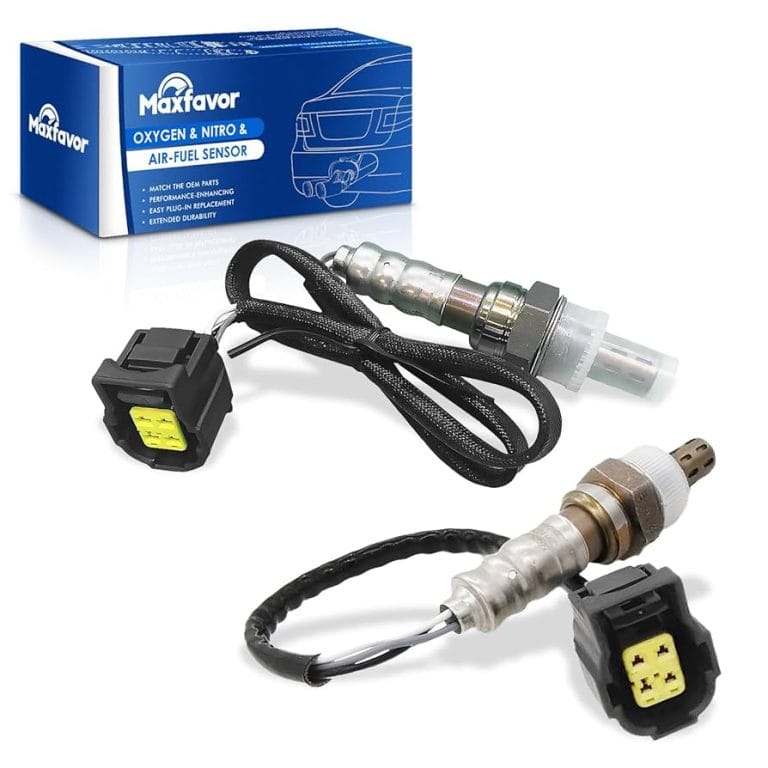
What to look for: An oxygen sensor typically looks like a small metal probe, often with a ceramic tip, that screws into the exhaust stream. It will have a wire harness connecting it to the engine’s electrical system.
Where to look: The O2 sensor is usually found in the exhaust manifold or the exhaust elbow, which is part of the system that channels exhaust gases out of the engine. It’s a good idea to consult your outboard’s service manual for the exact location.
Be cautious: Ensure the engine is off and cool before inspecting any parts of the exhaust system.
2. Check Your Engine’s Service Manual
Your Mercury outboard’s service manual is the definitive source of information for your specific model.
Locate the sensor section: The manual will have diagrams and descriptions of all the sensors on your engine. Look for a section on “Sensors,” “Fuel System,” or “Exhaust System.”
Part numbers: If you find a part number listed for an oxygen sensor, you can use that to confirm its presence.
Diagrams: Service manuals usually include detailed diagrams of the engine components, clearly showing the location of each sensor.
3. Consult Your Outboard’s Model Number Or Serial Number
You can often find this information online or by contacting a Mercury dealer.
Online resources: Many Mercury outboard parts websites allow you to enter your model or serial number to view diagrams and parts lists. Search for “oxygen sensor” within the results.
Mercury Marine support: Contacting Mercury Marine directly or a certified Mercury dealer with your engine’s serial number will give you precise information about its configuration. They can tell you definitively whether your engine came with an oxygen sensor from the factory.
4. Look For The Wiring Harness
If you can trace the wiring harness from your engine’s ECM, you might be able to spot a connection leading to an oxygen sensor.
ECM connections: The ECM is the engine’s brain. Sensors connect to it to provide data.
Wire color and type: Oxygen sensors typically have specific types of wiring harnesses, often with multiple wires (usually four in modern systems).
Signs Your Oxygen Sensor Might Need Attention
If your Mercury 4-stroke does have an oxygen sensor, it’s good to know the signs that it might be malfunctioning or failing. A faulty O2 sensor can lead to several performance issues.
Check Engine Light: This is the most common indicator. The ECM will detect a problem with the sensor’s readings and illuminate the check engine light on your dashboard.
Poor Fuel Economy: If the sensor is not accurately reporting oxygen levels, the ECM might over-fuel the engine, leading to significantly worse gas mileage.
Rough Idling or Stalling: An incorrect air-fuel mixture caused by a bad O2 sensor can result in the engine running unevenly, especially at low speeds or when idling.
Increased Emissions: A failing sensor means the engine isn’t optimizing its burn, which can lead to higher levels of pollutants in the exhaust.
Hesitation or Poor Acceleration: The engine might feel sluggish or hesitate when you try to accelerate if the air-fuel mixture is not being controlled correctly.
Black Smoke: While not always the case, rich conditions due to a faulty O2 sensor can sometimes result in black smoke from the exhaust, indicating unburned fuel.
If you notice any of these symptoms, and you know your Mercury 4-stroke has an O2 sensor, it might be time to have it checked or replaced.
The Role Of Oxygen Sensors In Modern Outboards
Modern Mercury 4-stroke outboards are sophisticated pieces of engineering designed for efficiency, reliability, and reduced environmental impact. The oxygen sensor plays a critical role in achieving these goals.
Optimizing Performance And Efficiency
By providing constant feedback on the exhaust gases, the O2 sensor allows the ECM to make minute adjustments to the fuel injection and ignition timing. This precise control ensures the engine operates at its peak efficiency under various conditions, from trolling at slow speeds to wide-open throttle. This translates directly to better fuel economy for the boater.
Meeting Emissions Regulations
Environmental regulations for marine engines are becoming increasingly strict worldwide. Oxygen sensors are essential tools for Mercury to meet these standards. By enabling the engine to achieve a more complete combustion, they significantly reduce the output of harmful emissions like carbon monoxide (CO), hydrocarbons (HC), and nitrogen oxides (NOx). This is crucial for protecting our waterways and air quality.
Diagnostics And Engine Health
The O2 sensor’s data also aids in engine diagnostics. The ECM uses this information not only to control the engine but also to monitor its health. If the sensor’s readings fall outside expected parameters, it can be an early warning sign of other potential issues, such as problems with fuel injectors, spark plugs, or air intake leaks.
Replacing A Mercury Outboard Oxygen Sensor
If you’ve confirmed your Mercury 4-stroke has an oxygen sensor and suspect it needs replacement, it’s a task that many DIY boaters can handle. However, always refer to your specific service manual for detailed instructions and safety precautions.
Gather your tools: You’ll typically need a specialized oxygen sensor socket wrench, a ratchet, and possibly some anti-seize compound for the new sensor.
Locate the old sensor: As described earlier, find the sensor in the exhaust system.
Disconnect the wiring: Carefully unplug the electrical connector.
Remove the old sensor: Use the socket wrench to unscrew the old sensor. It might be tight due to heat and corrosion.
Prepare the new sensor: Apply a small amount of anti-seize compound to the threads of the new sensor. Be careful not to get any on the sensor tip.
Install the new sensor: Screw the new sensor into place by hand first to avoid cross-threading, then tighten it with the socket wrench to the manufacturer’s specified torque. Do not overtighten.
Connect the wiring: Plug the electrical connector back in securely.
Test: Start the engine and check for any warning lights. Sometimes, the ECM might need a few heat cycles to recalibrate.
If you’re not comfortable with this procedure, it’s always best to have a qualified marine mechanic perform the replacement.

Frequently Asked Questions
Question: How often should I check my oxygen sensor?
Answer: It is a good practice to inspect your oxygen sensor visually during routine maintenance checks. If your engine is equipped with one, consult your service manual for specific inspection intervals, but generally, a visual check for damage or corrosion during your annual service is recommended. Malfunctions are often indicated by the check engine light rather than a strict time interval.
Question: Can I run my Mercury outboard without an oxygen sensor?
Answer: If your engine is designed to have an oxygen sensor and it is removed or faulty, the engine may run, but it will likely not run efficiently. The engine’s computer will revert to a default fuel map, which is less precise. This can lead to poor fuel economy, increased emissions, and potentially suboptimal engine performance or even long-term damage.
It’s best to replace a faulty sensor promptly.
Question: What does a “lean” or “rich” fuel mixture mean for my outboard?
Answer: A “lean” mixture means there is too much air relative to fuel. This can cause the engine to run hot and potentially damage components. A “rich” mixture means there is too much fuel relative to air.
This leads to wasted fuel, poor performance, increased emissions, and can foul spark plugs.
Question: Are oxygen sensors the same for all Mercury 4-stroke models?
Answer: No, oxygen sensors are not universal. They are designed specifically for certain engine models and control systems. Using the wrong type of sensor can lead to incorrect readings, poor engine performance, and potential damage.
Always use the part number specified in your engine’s service manual or consult a dealer.
Question: If my check engine light comes on, is it always the oxygen sensor?
Answer: Not necessarily. While a faulty oxygen sensor is a common cause for a check engine light, other issues can trigger it. These include problems with spark plugs, fuel injectors, ignition coils, or other sensors.
It’s important to have the diagnostic codes read from the ECM to pinpoint the exact cause of the warning light.
Final Thoughts
Many Mercury 4-stroke outboards do have oxygen sensors, especially newer and larger models designed for better efficiency and lower emissions. If your engine is equipped with one, it helps the computer fine-tune the air-fuel mix for optimal performance and economy. Checking your service manual or doing a visual inspection are the best ways to confirm if your specific outboard has this part. Keep an eye out for signs of a failing sensor, like poor fuel economy or a check engine light, and address issues promptly. Knowing about your oxygen sensor helps you maintain your engine well.