Does a 1984 El Camino Have Oxygen Sensors? Details Explored
Figuring out something like Does a 1984 El Camino Have Oxygen Sensors? can seem tricky, especially if you’re just starting out with cars. It involves knowing a bit about engine technology, which can seem complicated. Don’t worry, though! We’re here to help you break it down, step by step, making it super easy to grasp. We’ll explore the basics and give you a straightforward answer. Next, we’ll look at the specific parts and systems involved.

Marketplace Auto Parts
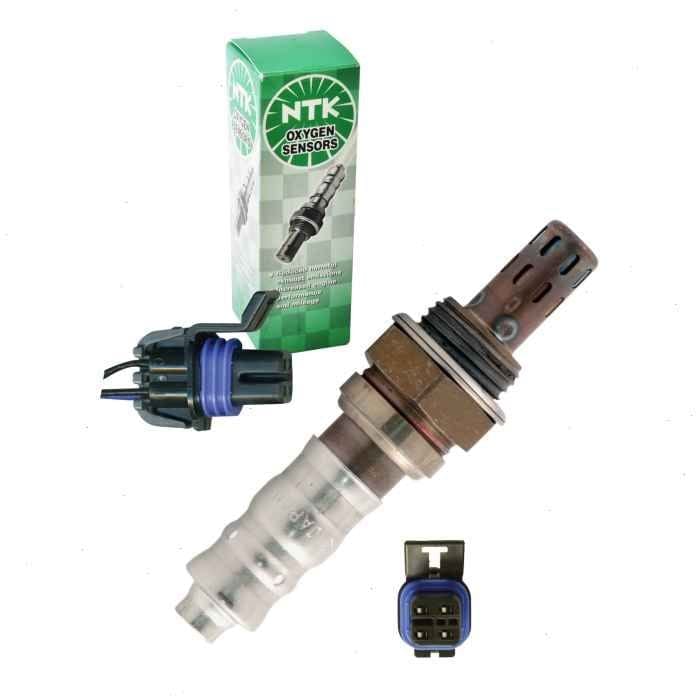
Upstream Oxygen Sensor - Compatible with 1982,…
- Compatible with or fits: (Position: Upstream Left) 1992 - 1993 Chevy Corvette Base 5.7L V8 VIN: P FI Naturally Aspirated GAS
- Compatible with or fits: (Position: Upstream Left) 1990 - 1991 Chevy Corvette Base 5.7L V8 VIN: 8 FI Naturally Aspirated GAS
- Compatible with or fits: (Position: Upstream Right) 1992 - 1993 Chevy Corvette Base 5.7L V8 VIN: P FI Naturally Aspirated GAS
As an Amazon Associate I earn from qualifying purchases.
Engine Basics and Oxygen Sensors
To really answer Does a 1984 El Camino Have Oxygen Sensors?, we need to first cover some basic engine concepts. Engines use fuel and air to make power. The air is drawn in, mixed with fuel, and ignited, pushing pistons up and down, which turns the crankshaft. The exhaust gases are then removed. A lot of sensors help the engine run correctly. Oxygen sensors play a key role in this process by monitoring the exhaust gases.
What is an Oxygen Sensor?
An oxygen sensor, or O2 sensor, is a tiny device that tells the car’s computer how much oxygen is in the exhaust. It’s usually placed in the exhaust manifold or catalytic converter. The sensor’s job is to send a signal to the car’s computer, telling it if the air-fuel mixture is too rich (too much fuel) or too lean (not enough fuel). The computer then adjusts the fuel flow to keep the engine running smoothly and efficiently. They are made from ceramic materials and precious metals, such as platinum.
- Sensor Function: The primary function of an oxygen sensor is to measure the amount of oxygen that is present in the exhaust gas of an engine. This information is then used to determine if the air-fuel mixture is optimized for combustion. When an engine runs, it needs a specific ratio of air to fuel for the engine to operate efficiently and with minimal pollution.
- Feedback Loop: Oxygen sensors create a feedback loop. This loop allows the engine’s computer to adjust the air-fuel mixture in real time. The sensor tells the computer the current oxygen level. The computer then adjusts how much fuel goes into the engine. This makes the engine run smoothly.
- Material Composition: Oxygen sensors typically consist of a ceramic element, often zirconium dioxide (zirconia), which is coated with platinum electrodes. The ceramic element is sensitive to changes in oxygen concentration. This design ensures accuracy and longevity, even in the harsh conditions of the exhaust system.
Air-Fuel Ratio
The air-fuel ratio is the ratio of air to fuel entering the engine’s cylinders. A correct air-fuel ratio ensures the engine runs efficiently, produces less pollution, and delivers optimal power. It is measured by weight. The ideal air-fuel ratio for most gasoline engines is about 14.7 parts air to 1 part fuel, often written as 14.7:1. If there’s too much fuel, it is “rich,” and if there isn’t enough, it is “lean.”
- Stoichiometric Ratio: This is the ideal air-fuel mixture (14.7:1) for complete combustion in gasoline engines. Running at this ratio allows the catalytic converter to work at its best. It minimizes harmful emissions like carbon monoxide, hydrocarbons, and nitrogen oxides.
- Rich Mixture: A rich mixture has more fuel than air. This can happen if the oxygen sensor detects a lack of oxygen in the exhaust. Too much fuel can cause incomplete combustion. This leads to carbon buildup, reduced fuel economy, and higher emissions.
- Lean Mixture: A lean mixture has more air than fuel. This is usually due to a lack of fuel. While it can improve fuel economy, a lean mixture can cause the engine to run hot and potentially damage engine components. It can also cause engine knocking.
Catalytic Converters
Catalytic converters use a catalyst to convert harmful pollutants in the exhaust gas into less harmful substances. They’re placed in the exhaust system downstream of the engine. A catalytic converter consists of a ceramic honeycomb structure coated with precious metals like platinum, palladium, and rhodium. These metals trigger chemical reactions to reduce harmful emissions. They are essential for cleaner exhaust.
- Three-Way Catalytic Converters: These converters reduce three main types of pollutants: hydrocarbons, carbon monoxide, and nitrogen oxides. They use oxidation and reduction reactions to change these harmful emissions into carbon dioxide, water, and nitrogen gas. They often rely on data from oxygen sensors for efficient function.
- Operating Conditions: Catalytic converters operate best at high temperatures. They need to get hot to start the chemical reactions. When the engine is running, the exhaust gas heats up the converter. Catalytic converters also need a precise air-fuel ratio. This is usually monitored and controlled by the car’s computer.
- Common Problems: Catalytic converters can get blocked or damaged. This can reduce engine performance and increase emissions. They can also fail due to overheating, damage from physical impacts, or contamination. Replacing a catalytic converter is an expensive repair.

Oxygen Sensors in Older Vehicles: The Technology Question
The development of oxygen sensors and their incorporation into automotive systems was a gradual process. In the late 1970s and early 1980s, these sensors were starting to appear in cars, but they weren’t universal. Automakers started integrating oxygen sensors to meet stricter emission standards. They were designed to help improve fuel efficiency and reduce harmful emissions. Not all older cars came with oxygen sensors.
Pre-Computer Control Systems
Before engine control units (ECUs) became common, cars used carburetors and mechanical systems to manage engine functions. These systems were not as advanced as modern computerized systems. Engines that used these older systems did not have oxygen sensors because they did not have the ability to make real-time fuel adjustments. These types of cars were less efficient and produced more emissions.
- Carburetor Systems: Carburetors mix air and fuel mechanically. The fuel ratio is set based on how the carburetor is built and tuned. There is no continuous adjustment, which is different from modern fuel injection systems. The carburetor-based vehicles could not adjust for changing conditions.
- Early Fuel Injection: Even the early fuel injection systems weren’t as sophisticated as today’s systems. They might use a few sensors but did not have the complex real-time fuel adjustments enabled by oxygen sensors and ECUs. These early fuel injection systems offered some improvements over carburetors but still weren’t as refined.
- Mechanical Governors: Mechanical governors controlled engine speed and other functions in some older vehicles. These systems were not able to respond to data from oxygen sensors. Instead, they relied on fixed settings. These often led to less efficient engine performance.
How Computerized Systems Changed the Game
The introduction of ECUs in cars was a major turning point. These systems enabled the use of oxygen sensors and other sensors to give feedback to the engine. The ECU could receive data from the oxygen sensor and adjust the fuel-air mixture on the fly. This system allowed for more precise control and improved fuel efficiency and lower emissions. Oxygen sensors are a good addition to any car.
- Engine Control Unit (ECU) Functions: The ECU is the brain of the engine management system. It processes data from sensors like the oxygen sensor, crankshaft position sensor, and throttle position sensor. The ECU then adjusts fuel injection, ignition timing, and other functions to optimize engine performance. This makes modern cars run very efficiently.
- Closed-Loop Systems: Cars with oxygen sensors use closed-loop systems. The oxygen sensor provides feedback to the ECU about the exhaust’s oxygen content. The ECU then adjusts the fuel-air mixture to keep it at the ideal level. This loop allows the engine to run efficiently and adapt to various conditions.
- Sensor Integration: The integration of multiple sensors with the ECU allows the engine to adapt to different driving conditions. For example, during cold starts, the ECU may enrich the mixture. At high speeds, it may adjust the timing. This integration gives the best fuel economy and performance.
1984 El Camino Specifics
So, Does a 1984 El Camino Have Oxygen Sensors? The answer depends on the exact engine and specifications. Some El Caminos from that model year came with oxygen sensors, and others did not. Generally, models with catalytic converters and fuel injection are more likely to have an oxygen sensor. Carbureted models usually did not have them. The easiest way to know for sure is to look at the exhaust system.
- Engine Types: The 1984 El Camino offered different engines, ranging from V6 to V8. The engine type is a major factor. Some engines came with carburetors, while others were equipped with fuel injection. Fuel-injected engines were much more likely to have an oxygen sensor.
- Emission Regulations: The emission regulations at the time varied by state. Car companies needed to make sure their cars met these regulations. Some El Caminos sold in areas with stricter regulations would have included an oxygen sensor to help control emissions.
- Visual Inspection: A visual inspection of the exhaust system is the best method to confirm the presence of an oxygen sensor. Look for a sensor screwed into the exhaust manifold or catalytic converter. If you see it, then your El Camino likely has an oxygen sensor. If it doesn’t have fuel injection or a catalytic converter, it probably does not.
Troubleshooting Oxygen Sensor Issues
If your 1984 El Camino has an oxygen sensor, you might run into some problems. Common issues include a malfunctioning sensor or problems related to the sensor’s wiring. Many problems result in poor engine performance. Diagnosing and repairing oxygen sensor issues can help keep your car running well and reduce emissions.
Common Problems
Oxygen sensors can fail over time due to high temperatures, exposure to exhaust gases, and general wear and tear. Symptoms of a bad oxygen sensor include a check engine light, poor fuel economy, rough idling, and hesitation during acceleration. If you notice these symptoms, it might be an oxygen sensor.
- Sensor Failure: Oxygen sensors can wear out. They can become contaminated, or their heating elements may fail. This causes incorrect readings. The most common cause is age, high mileage, and exposure to contaminants in the exhaust. The sensor’s ability to send proper signals declines.
- Wiring Issues: Problems in the sensor’s wiring can also cause issues. This includes frayed wires, corrosion, or loose connections. These issues can disrupt the signal from the sensor to the ECU. Inspect the wiring and connectors around the sensor for any damage.
- Contamination: Oxygen sensors can be contaminated. This can happen if the engine burns oil or coolant, or if there is excessive fuel in the exhaust. Contamination can cause the sensor to provide incorrect readings. This can also cause damage to the sensor.
Diagnostics and Testing
To diagnose oxygen sensor problems, you can use several methods. A diagnostic scan tool can read the sensor’s output and any trouble codes from the ECU. You can also use a multimeter to check the sensor’s voltage and resistance. Checking the voltage from the sensor is useful. These tools allow a proper test.
- Scan Tool Diagnosis: A scan tool connects to the car’s diagnostic port and allows you to read fault codes and sensor data. This can help identify the sensor that’s causing trouble. Look for codes related to the oxygen sensor, such as “Bank 1 Sensor 1.”
- Multimeter Testing: A multimeter can test the sensor’s output voltage. With the engine running, you can monitor the voltage readings of the oxygen sensor. A functioning sensor should cycle between rich and lean readings. This ensures it’s working properly.
- Visual Inspection: Look at the oxygen sensor itself. Check for damage or wear. Examine the wiring and connectors to ensure they are in good condition. Look for signs of oil or coolant contamination. This will help you know the problem.
Replacement and Maintenance
Replacing an oxygen sensor is a task that many people can do at home, but it’s important to do it correctly. Follow the right steps to remove the old sensor and install the new one. Use the right tools, and make sure to select the correct replacement sensor for your vehicle. Make sure you use the right one.
- Sensor Removal: Disconnect the electrical connector from the sensor. Use a special oxygen sensor socket or wrench to loosen the sensor from the exhaust manifold or catalytic converter. Be careful, as the sensor can be difficult to remove if it is corroded.
- Installation: Apply anti-seize compound to the threads of the new sensor to prevent it from seizing in the exhaust system. Install the new sensor using the socket or wrench. Tighten the sensor to the specified torque.
- Post-Replacement: After installing the new sensor, reconnect the electrical connector. Clear any fault codes using a scan tool. Start the engine and check for any check engine light or performance problems. Make sure the new sensor is functioning properly.
Benefits of Proper Oxygen Sensor Operation
Having a properly functioning oxygen sensor can improve your car’s performance and also help it last longer. It is a key part of the engine’s system. It can save money on fuel by helping the engine operate efficiently. It also reduces pollution, which is better for the environment. These sensors are helpful.
Fuel Efficiency
Oxygen sensors help ensure the engine uses the right amount of fuel. When the sensor is working, the ECU can adjust the fuel-air mixture as needed. This leads to better fuel efficiency. A well-tuned engine, using feedback from the oxygen sensor, burns fuel more efficiently. You can see a big difference in fuel costs.
- Optimal Air-Fuel Mixture: The oxygen sensor helps maintain the ideal air-fuel ratio. This ensures efficient combustion in the engine cylinders. Proper air-fuel ratios improve the amount of power and use fuel wisely. It can also save money.
- Reduced Fuel Waste: A malfunctioning sensor can cause the engine to run rich. It will use more fuel than needed. A functioning sensor prevents this, leading to lower fuel consumption. Proper operation avoids unnecessary fuel consumption.
- Improved Mileage: With a working sensor, you may see better gas mileage. This can lead to significant savings. Improved fuel efficiency also reduces the amount of greenhouse gas emissions. You will get more distance from a tank of gas.
Reduced Emissions
A properly working oxygen sensor plays a key role in reducing emissions. It ensures the catalytic converter can work correctly. The catalytic converter turns the bad gases from the engine into cleaner ones. Good oxygen sensors will reduce the amount of air pollution from your vehicle. It is good for the environment.
- Catalytic Converter Performance: The oxygen sensor helps the catalytic converter function efficiently. It provides the information needed to convert harmful exhaust gases into less harmful ones. A well-functioning catalytic converter reduces pollutants.
- Lower Pollutant Levels: Oxygen sensors help reduce harmful emissions, such as carbon monoxide, hydrocarbons, and nitrogen oxides. By managing the air-fuel ratio, these emissions are kept at levels that meet environmental standards. This makes your car cleaner.
- Environmental Benefits: Reduced emissions contribute to cleaner air. This can improve air quality and help protect the environment. Using and maintaining the oxygen sensor in your car makes a positive impact. You can breathe cleaner air.
Engine Longevity
Oxygen sensors are crucial to the engine’s long-term health. By ensuring proper fuel combustion, they prevent problems that could cause damage. When the engine runs correctly, there is less wear and tear on important parts. The oxygen sensors help your engine run smoothly.
- Preventing Carbon Buildup: A properly tuned engine produces less carbon buildup. Carbon buildup can affect engine performance. The oxygen sensor helps prevent an over-rich fuel mixture. Over time, it can cause problems.
- Reducing Wear on Components: Proper combustion reduces wear and tear on internal engine components. This helps extend the life of parts. This prevents costly repairs and keeps your engine running. It can save you money.
- Maintaining Performance: A functional oxygen sensor helps maintain consistent engine performance over the long term. This results in smoother operation, better power delivery, and improved reliability. You get a better car for longer.

Frequently Asked Questions
Question: What happens if the oxygen sensor fails?
Answer: If the oxygen sensor fails, it can cause several issues, including poor fuel economy, rough idling, a check engine light, and increased emissions. The engine may not run as smoothly or efficiently.
Question: How often should I replace my oxygen sensor?
Answer: It’s often best to replace your oxygen sensor every 60,000 to 100,000 miles, although some can last longer. Check your vehicle’s manual for specific guidelines for your car.
Question: Can I drive my car with a bad oxygen sensor?
Answer: You can, but it is not recommended. Driving with a bad oxygen sensor can lead to decreased fuel efficiency, higher emissions, and potential damage to your catalytic converter. It is important to fix this problem.
Question: What tools do I need to replace an oxygen sensor?
Answer: You’ll need an oxygen sensor socket or wrench, a ratchet, a jack, jack stands, and potentially some anti-seize compound. Always follow the right safety measures when working on your car.
Question: Can I clean my oxygen sensor instead of replacing it?
Answer: No, it is generally not possible to clean an oxygen sensor and make it work properly again. Oxygen sensors are designed to be replaced when they fail. Any problems are better fixed by replacing them.
Final Thoughts
So, Does a 1984 El Camino Have Oxygen Sensors? Now you know it depends on the exact model and engine type. Generally, if your El Camino has fuel injection, it’s more likely to have an oxygen sensor. Now, you know why oxygen sensors are so important for keeping your car running well and staying clean. Remember that having a healthy oxygen sensor means better fuel economy, lower emissions, and longer engine life. If you’re a car owner, understanding this key part of your engine’s operation is something that can save you money. Be proactive about checking and keeping this part maintained.
Related pick: Check today's price on Amazon