Why Some Oxygen Sensors Don’t Function Properly in Cars
Figuring out Why Some Oxygen Sensors Don’t Work Well in Vehicles can be tricky, especially when you’re just starting. It’s like learning a new language – there’s a lot to take in! Don’t worry, though. This guide will break down the problem step-by-step. We’ll explore the common reasons behind oxygen sensor problems and offer clear solutions. Next, you’ll discover how to identify and solve these issues easily.
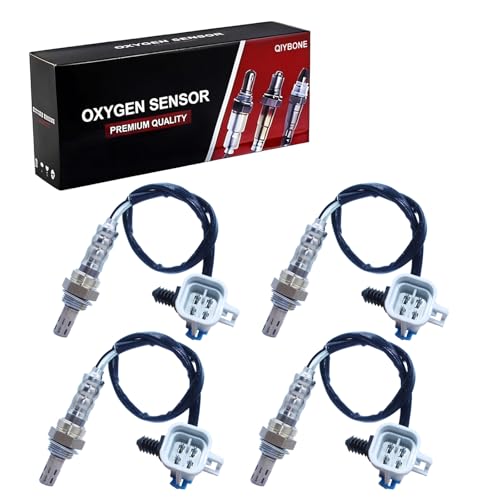
QIYBONE
4PCS Oxygen O2 Sensor Upstream Downstream 234-4668…
- 【Vehicle Fitment】Chevy/Chevrolet Silverado 1500 5.3L 2003-2005, Tahoe 5.3L 2003-2005, Avalanche 1500 5.3L 2003-2005, Suburban 1500…
- 【Reference Number】Part Number or OE Number: Oxygen O2 Sensor Upstream Downstream: 234-4668, 15284, 21546, SG1857, 8125731670, 1258…
- 【Product Features】Our oxygen sensors are made of stainless steel and high temperature resistant materials, double protection with…
As an Amazon Associate I earn from qualifying purchases.
What Causes Oxygen Sensors to Fail?
Oxygen sensors are essential components in your car’s engine system, acting as the eyes and ears of the vehicle. They monitor the oxygen levels in the exhaust, sending information to the engine control unit (ECU). This data is used to adjust the air-fuel mixture for optimal performance and efficiency. However, these sensors can fail for several reasons. Understanding these causes is the first step toward better vehicle maintenance.
Contamination and Damage
Oxygen sensors can be easily damaged or contaminated, leading to malfunction. Contamination can come from various sources, including oil leaks, coolant leaks, or silicone from aftermarket sealants. These substances can coat the sensor element, preventing it from accurately detecting oxygen levels. Damage can also occur due to physical impact, like hitting road debris or during maintenance. These issues are common, and regular checks can help prevent major problems.
- Oil Contamination: If oil enters the exhaust system (perhaps due to a worn valve seal or a faulty PCV valve), it can coat the oxygen sensor. This coating prevents the sensor from properly reading oxygen levels, leading to incorrect fuel mixture adjustments. The result is poor engine performance, increased fuel consumption, and potential damage to the catalytic converter.
- Coolant Contamination: Coolant leaks into the exhaust system can also damage oxygen sensors. Coolant contains chemicals that can harm the sensor element, leading to inaccurate readings and causing the ECU to make wrong fuel adjustments. This can lead to engine misfires and a decrease in fuel efficiency.
- Silicone Contamination: Using silicone sealants near the oxygen sensor can cause trouble. The silicone fumes can contaminate the sensor, causing it to read incorrectly. Always use the correct sealants and keep them away from the exhaust system components.
- Physical Damage: Oxygen sensors can get damaged if they hit road debris or during maintenance. This can cause cracks in the sensor housing or damage to the sensor element inside, leading to failure. Regularly inspect the sensor for any signs of physical damage.
Carbon Buildup and Aging
Over time, oxygen sensors can accumulate carbon deposits, reducing their effectiveness. Carbon buildup can hinder the sensor’s ability to accurately measure oxygen levels, affecting fuel efficiency and emissions. Additionally, sensors degrade naturally with use. Their response time slows, and their accuracy declines as they age. Replacing them at the recommended intervals is essential for proper engine function.
- Carbon Fouling: This happens when excessive carbon deposits accumulate on the sensor tip. This often occurs because the engine burns oil or runs rich (too much fuel). The buildup insulates the sensor, reducing its ability to detect oxygen and causing the engine to run poorly.
- Sensor Aging: Like all parts, oxygen sensors wear out. The heating element, which is critical for their operation, degrades over time. As the sensor ages, its response time slows down, making it less effective at providing accurate readings. This decline in performance can lead to a decrease in fuel efficiency and increased emissions.
- High Mileage: As a vehicle racks up miles, the oxygen sensors are constantly exposed to high temperatures and harsh exhaust gases. This continuous exposure can cause the internal components of the sensor to degrade and eventually fail. Monitoring the sensor’s performance over time is essential, especially on vehicles with high mileage.
- Exposure to Lead and Other Contaminants: Using leaded fuel, if it’s even possible in your vehicle, or exposure to certain exhaust additives can poison the sensor’s internal components. This poisoning can render the sensor useless and can result in significant damage to your vehicle’s engine and exhaust system.
Electrical Problems and Faulty Wiring
The performance of oxygen sensors is also dependent on the electrical connections. Wiring issues, such as broken wires, corrosion, or poor connections, can disrupt the signals sent to the ECU. These electrical faults can lead to incorrect readings or complete sensor failure, resulting in poor engine performance and emissions issues. Regularly checking the wiring and connectors is important.
- Wire Damage: Wires exposed to high heat or physical stress can break or become frayed, disrupting the signal from the oxygen sensor to the ECU. Wires close to the exhaust system are especially vulnerable.
- Corrosion: Corrosion on the sensor’s connectors can disrupt the electrical connection. This corrosion increases resistance, which degrades the signal and causes incorrect readings. Inspecting and cleaning connectors regularly can prevent this problem.
- Poor Connections: Loose or poorly connected wiring can also cause the sensor to malfunction. Vibration and temperature changes can cause connections to loosen over time. Ensuring that the connections are secure is essential for reliable sensor operation.
- Internal Sensor Failure: Sometimes, the electrical components inside the oxygen sensor can fail. This could be the heating element, the internal wiring, or other parts that affect how the sensor sends information to the ECU. These failures result in incorrect signals and affect engine performance.

Common Symptoms of Failing Oxygen Sensors
Identifying the symptoms of failing oxygen sensors is critical to address problems early. Various signs can indicate sensor malfunction, affecting engine performance, fuel efficiency, and emissions. Recognizing these symptoms helps you diagnose problems before they turn into major issues.
Poor Fuel Economy and Performance
One of the first signs of a faulty oxygen sensor is a decrease in fuel economy. The engine may consume more fuel than usual as the ECU struggles to maintain the correct air-fuel mixture. Additionally, you may experience reduced engine power and acceleration. The car may feel sluggish, and you may notice rough idling.
- Reduced Fuel Efficiency: A faulty oxygen sensor can cause the engine to run rich or lean, consuming more fuel than necessary. You might notice the fuel gauge dropping faster than usual, and your mileage will be lower. This wastes money and increases emissions.
- Loss of Power: A malfunctioning oxygen sensor can lead to a loss of engine power. The engine may struggle to accelerate or feel sluggish, making it difficult to merge onto highways or climb hills. This is because the engine’s air-fuel mixture is not optimized.
- Rough Idling: A failing oxygen sensor can cause the engine to idle roughly. You might feel vibrations, or the engine speed may fluctuate. This occurs because the engine cannot maintain a stable air-fuel ratio when the sensor gives inaccurate readings.
- Engine Misfires: In severe cases, a bad oxygen sensor can lead to engine misfires. These misfires can cause the engine to run very poorly and could cause damage to the catalytic converter. You may notice a bucking or jerking sensation, especially under acceleration.
Increased Emissions and Check Engine Light
A failing oxygen sensor often leads to increased emissions. This is because the engine’s air-fuel mixture is not optimized, resulting in a higher concentration of pollutants in the exhaust. The check engine light, or malfunction indicator lamp (MIL), is a clear sign that something is amiss. It’s triggered by the ECU when it detects a problem with the oxygen sensor.
- Failed Emissions Tests: A faulty oxygen sensor can cause a vehicle to fail emissions tests. The increased emissions of pollutants like hydrocarbons (HC), carbon monoxide (CO), and nitrogen oxides (NOx) will not meet regulatory standards. This can lead to costly repairs and retesting.
- Check Engine Light: The check engine light will illuminate on the dashboard when the ECU detects a problem with the oxygen sensor. This could be due to inaccurate readings, a slow response time, or a complete failure of the sensor. Ignoring this light can cause further damage to the engine.
- Increased Pollution: A malfunctioning oxygen sensor can cause the engine to release more harmful emissions into the atmosphere. This increased pollution can contribute to smog and other environmental problems. Fixing the sensor helps keep the vehicle’s emissions under control.
- Catalytic Converter Damage: A failing oxygen sensor can cause the catalytic converter to work harder than it should. The converter’s primary job is to reduce emissions. When the air-fuel mixture is not properly balanced, the converter can get damaged.
Unusual Smells and Sounds
Besides poor performance and increased emissions, you may notice other signs. A failing oxygen sensor can cause unusual smells, such as the smell of rotten eggs, as the catalytic converter struggles to function correctly. You might also hear unusual sounds from the exhaust system or experience misfires.
- Rotten Egg Smell: A failing oxygen sensor can cause a rotten egg smell, which is usually associated with the catalytic converter. The sulfur in the exhaust gases is not being processed correctly, resulting in this odor.
- Exhaust System Noises: You might hear popping or hissing sounds from the exhaust system. This can occur when the engine is misfiring or when the catalytic converter is damaged.
- Misfires Under Load: The engine may misfire when accelerating or under heavy load. This happens because the air-fuel mixture isn’t correct. The engine might jerk or hesitate when you step on the gas.
- Hesitation: The engine might hesitate when you try to accelerate. This means there’s a delay when you press the gas pedal. This hesitation is because the engine is not getting the correct fuel mixture.
Diagnosing Oxygen Sensor Problems
Accurately diagnosing oxygen sensor issues involves using the proper tools and following specific steps. This process will help you confirm whether the sensor is faulty and identify the root cause of the problem. Using diagnostic tools, examining the sensor, and checking the wiring are all parts of the process.
Using Diagnostic Tools
Modern vehicles use electronic control units that provide diagnostic trouble codes (DTCs). These codes point to specific problems within the system. Reading these codes with a scan tool is an excellent first step in diagnosing oxygen sensor failures. A scan tool gives valuable information on sensor operation.
- Scan Tool: A scan tool connects to the vehicle’s diagnostic port (usually an OBD-II port) and reads the trouble codes stored in the ECU. These codes can help you pinpoint which oxygen sensor has a problem and what kind of fault it has.
- Live Data Analysis: A scan tool can show live data, including the voltage readings from the oxygen sensors. By observing the sensor’s voltage fluctuations, you can tell if it’s responding to changes in exhaust oxygen levels.
- Code Interpretation: After obtaining the DTCs, it’s essential to understand what they mean. Consult your vehicle’s repair manual or search online resources for information on specific codes. This will help you know the sensor’s issue.
- Freeze Frame Data: Many scan tools can show freeze frame data, which captures the engine conditions at the time the DTC was stored. This can help you figure out what was happening when the sensor fault was detected.
Visual Inspection and Testing
After using a scan tool to identify possible issues, a thorough visual inspection and physical testing are crucial. This will help you determine the physical condition of the sensor and related components. Checking the sensor for visible damage, carbon buildup, and wire integrity can provide more context to confirm whether it is defective.
- Sensor Examination: Remove the oxygen sensor and inspect it for physical damage, carbon buildup, or other signs of contamination. The tip of the sensor should be clean and free of deposits. Check the threads for damage.
- Wiring Inspection: Examine the wiring and connectors connected to the oxygen sensor. Look for signs of damage, corrosion, or loose connections. Make sure that the wires are properly routed and protected from heat and physical damage.
- Voltage Testing: Use a multimeter to test the voltage output of the oxygen sensor. Connect the multimeter to the sensor’s signal wire, start the engine, and observe the voltage readings. The voltage should fluctuate as the engine runs.
- Resistance Testing: Check the resistance of the oxygen sensor’s heater circuit. Using a multimeter, measure the resistance between the heater terminals on the sensor. If the resistance is outside the specified range, the heater may be faulty.
Testing the Sensor’s Heater Circuit
Many modern oxygen sensors have a heating element, which helps them reach operating temperature quickly. Testing the heater circuit is essential. A faulty heater can affect sensor performance and delay the engine’s ability to enter closed-loop operation. This can lead to increased emissions and poor fuel economy.
- Locate the Heater Wires: Oxygen sensors usually have a separate pair of wires for the heater circuit. Identify these wires using the sensor’s wiring diagram.
- Check Heater Resistance: Disconnect the sensor and use a multimeter to measure the resistance across the heater terminals. Refer to your vehicle’s repair manual for the correct resistance specifications. If the resistance is outside the specified range, the heater is faulty.
- Check Power to the Heater: With the sensor connected, check if the heater circuit is receiving power when the engine is running. Use a multimeter to check the voltage on the heater wires. If there is no power, check the fuse, relay, and wiring related to the heater circuit.
- Confirm Heater Function: Use a scan tool to monitor the oxygen sensor’s heater operation. Some scan tools will show whether the heater is functioning correctly, allowing you to confirm that the heater is working properly and is helping the sensor reach its operating temperature quickly.
Solutions and Preventive Maintenance
Addressing oxygen sensor problems involves several methods, from replacing damaged components to adopting maintenance practices. Taking care of your car can keep the oxygen sensors working as they should. You can prevent issues and maintain your vehicle’s performance and emissions efficiency.
Replacing Faulty Sensors
When an oxygen sensor is confirmed to be faulty, replacing it with a new one is often the best solution. It’s important to select the correct sensor for your vehicle. Proper installation is also essential for ensuring the new sensor works correctly. The best approach to this fix is to use the right parts and to install the replacement correctly.
- Choose the Right Sensor: Use the manufacturer’s part number or vehicle make and model to find the correct replacement sensor. Using the wrong sensor can cause engine problems. Ensure that the new sensor matches the specifications of the original.
- Sensor Removal: Disconnect the electrical connector and carefully remove the old sensor. Use an oxygen sensor socket or wrench for removal. Be careful when handling the old sensor to prevent damage to the wires.
- Sensor Installation: Install the new sensor, threading it in by hand before tightening it with the socket or wrench. Be careful not to overtighten, as this can damage the sensor or the exhaust manifold.
- Clear the Codes: After replacing the sensor, clear any stored diagnostic trouble codes using a scan tool. Start the engine and verify that the check engine light does not return. Ensure that the new sensor is functioning correctly.
Regular Maintenance and Fuel System Cleaning
Preventative maintenance plays a key role in keeping oxygen sensors working correctly. Regular fuel system cleaning can remove deposits. Checking and replacing air filters, along with using high-quality fuel, can keep your car working correctly. Regular upkeep will make your sensors last longer.
- Fuel System Cleaning: Regularly use a fuel system cleaner to remove deposits from the fuel injectors and combustion chambers. This can prevent carbon buildup, which can affect oxygen sensor performance. Follow the cleaner’s instructions carefully.
- Air Filter Replacement: Replace the air filter as recommended in your vehicle’s maintenance schedule. A clean air filter helps to maintain the correct air-fuel mixture, reducing the chance of carbon buildup and sensor contamination.
- Use Quality Fuel: Use the fuel recommended for your vehicle. Low-quality fuel can contain additives that can harm the oxygen sensor. Use fuel from a reputable brand to avoid potential problems.
- Exhaust System Inspection: Regularly inspect the exhaust system for leaks or damage. Leaks can cause oxygen sensors to misread exhaust conditions. Fixing any leaks or damage quickly will prevent sensor issues.
Addressing Underlying Issues
Sometimes, oxygen sensor problems are caused by underlying issues. Fixing problems like oil leaks, coolant leaks, or rich running conditions will help ensure the longevity of oxygen sensors. Addressing the root cause of the problems can prevent similar issues.
- Fixing Oil Leaks: Repair any oil leaks from the engine, such as leaks from the valve cover gaskets, oil pan gaskets, or other seals. Oil contamination can damage the oxygen sensor. Replacing worn seals and gaskets will prevent oil from entering the exhaust system.
- Coolant Leak Repair: Address coolant leaks from the engine. Coolant contamination can also harm oxygen sensors. Inspect the coolant system for leaks. Repairing leaks from the water pump, hoses, or other coolant components prevents this problem.
- Repairing Rich Running Conditions: If the engine is running rich (too much fuel), address the problem. Check for issues like faulty fuel injectors, a malfunctioning mass airflow sensor, or a faulty fuel pressure regulator. Repairing these problems will ensure that the engine runs at the correct air-fuel mixture.
- Catalytic Converter Inspection: If the catalytic converter is failing, replace it. A failing catalytic converter can put undue stress on oxygen sensors and cause them to fail prematurely. Replacing the converter can restore proper emissions performance.
| Problem | Symptom | Solution |
|---|---|---|
| Sensor Contamination | Poor Fuel Economy | Sensor Replacement, Fuel System Cleaning |
| Wiring Issues | Rough Idling | Wiring Repair/Replacement |
| Sensor Aging | Check Engine Light | Sensor Replacement |
Here are some real-life cases, or examples of the kind of results you might achieve:
- John, a car owner, noticed his fuel economy was getting worse. His mechanic diagnosed a faulty oxygen sensor and replaced it. After the replacement, John’s gas mileage improved by about 15%, saving him money on fuel costs.
- Mary’s car failed an emissions test due to high exhaust emissions. After diagnosing a malfunctioning oxygen sensor, her mechanic replaced it. The car passed the emissions test immediately after, and Mary experienced smoother engine performance.
In this quick example, you can see how things can play out:
- If your check engine light comes on and your car runs rough, it could be the oxygen sensor.
- If you see a drop in your gas mileage and your car is hesitating, it might be the sensor.

Frequently Asked Questions
Question: What does an oxygen sensor do?
Answer: An oxygen sensor measures the amount of oxygen in your car’s exhaust to help the engine control unit adjust the air-fuel mixture for the best performance and emissions.
Question: How often should I replace my oxygen sensor?
Answer: Most oxygen sensors need to be replaced every 60,000 to 100,000 miles, but it is best to check your car’s manual for the specific recommendation.
Question: What are the main causes of oxygen sensor failure?
Answer: Common causes include contamination from oil or coolant, carbon buildup, aging, and electrical issues like faulty wiring.
Question: What happens if I ignore a bad oxygen sensor?
Answer: If you ignore a bad oxygen sensor, you may face poor fuel economy, increased emissions, engine damage, and even failure of your catalytic converter.
Question: How can I tell if my oxygen sensor is bad?
Answer: Common signs include a check engine light, decreased fuel efficiency, rough idling, unusual smells, and failure in an emissions test.
Final Thoughts
Dealing with Why Some Oxygen Sensors Don’t Work Well in Vehicles isn’t as complicated as it seems. It can be caused by various issues, including contamination, wear and tear, and electrical problems. By knowing the warning signs, like a check engine light or reduced fuel efficiency, you can spot these problems early on. Properly diagnosing the issue with tools and a visual inspection can help you ensure your vehicle runs smoothly and efficiently. Using quality parts and regular maintenance, you can help keep your vehicle on the road and reduce potential expenses.
Related pick: Check today's price on Amazon