Do Denso Oxygen Sensors Include Anti Seize

Do Denso Oxygen Sensors Include Anti Seize

When you’re fixing your car, you want to get it right. A common question for folks new to DIY car repairs is: Do Denso Oxygen Sensors Come With Anti-Seize Compound? It might seem like a small detail, but getting this right helps make sure your new sensor works well and is easier to remove later. We’ll clear this up super fast with simple steps.

Let’s see what comes in the box.

Denso Oxygen Sensors And Anti Seize

Many car owners wonder if they need to buy anti-seize compound separately when installing a new Denso oxygen sensor. This is a very practical question. Oxygen sensors screw into your exhaust system, which gets very hot.

Over time, the heat can cause the threads to fuse, making them hard to remove during future repairs. Anti-seize compound is designed to prevent this. It’s a special grease that coats the threads, making them slippery.

This coating helps prevent the metal threads of the sensor from binding to the metal threads in the exhaust pipe. Denso is a well-known brand for automotive parts, including oxygen sensors. People trust Denso for quality.

So, it makes sense to ask if they include this helpful little packet of anti-seize with their sensors. This can save you a trip to the auto parts store and a bit of extra money.

Let’s break down what Denso typically provides and what you might need to do to ensure a smooth installation. Knowing this upfront can save you time and frustration when you’re under your car.

Denso Oxygen Sensors And Anti Seize

What Is Anti Seize Compound

Anti-seize compound, also known as anti-seize lubricant or anti-seize paste, is a type of lubricant used to prevent parts from seizing or binding. Seizing happens when two metal surfaces corrode and fuse together. This is common in environments with high heat, pressure, or exposure to moisture and chemicals.

The compound is usually made of a blend of solid lubricants, such as graphite, copper, or aluminum particles, suspended in a grease or oil base. When applied to the threads of a bolt, nut, or sensor, it creates a protective barrier.

This barrier serves several purposes:

  • Prevents Galling: It stops the metal threads from scratching and deforming under pressure, which can lead to them locking up.
  • Reduces Friction: It makes it easier to tighten and, more importantly, loosen fasteners later.
  • Resists Corrosion: It shields the threads from rust and other forms of corrosion caused by water and road salt.
  • Withstands High Temperatures: Many anti-seize compounds are formulated to remain effective even at very high temperatures found in exhaust systems.

For oxygen sensors, which are screwed directly into the hot exhaust manifold or pipe, anti-seize is highly recommended. It ensures that the sensor can be removed cleanly for future maintenance or

Need to understand more about Oxygen Sensors? This post might help you. Does Chevron Techron Concentrate Harm Oxygen Sensors

Do Denso Oxygen Sensors Come With Anti Seize Compound

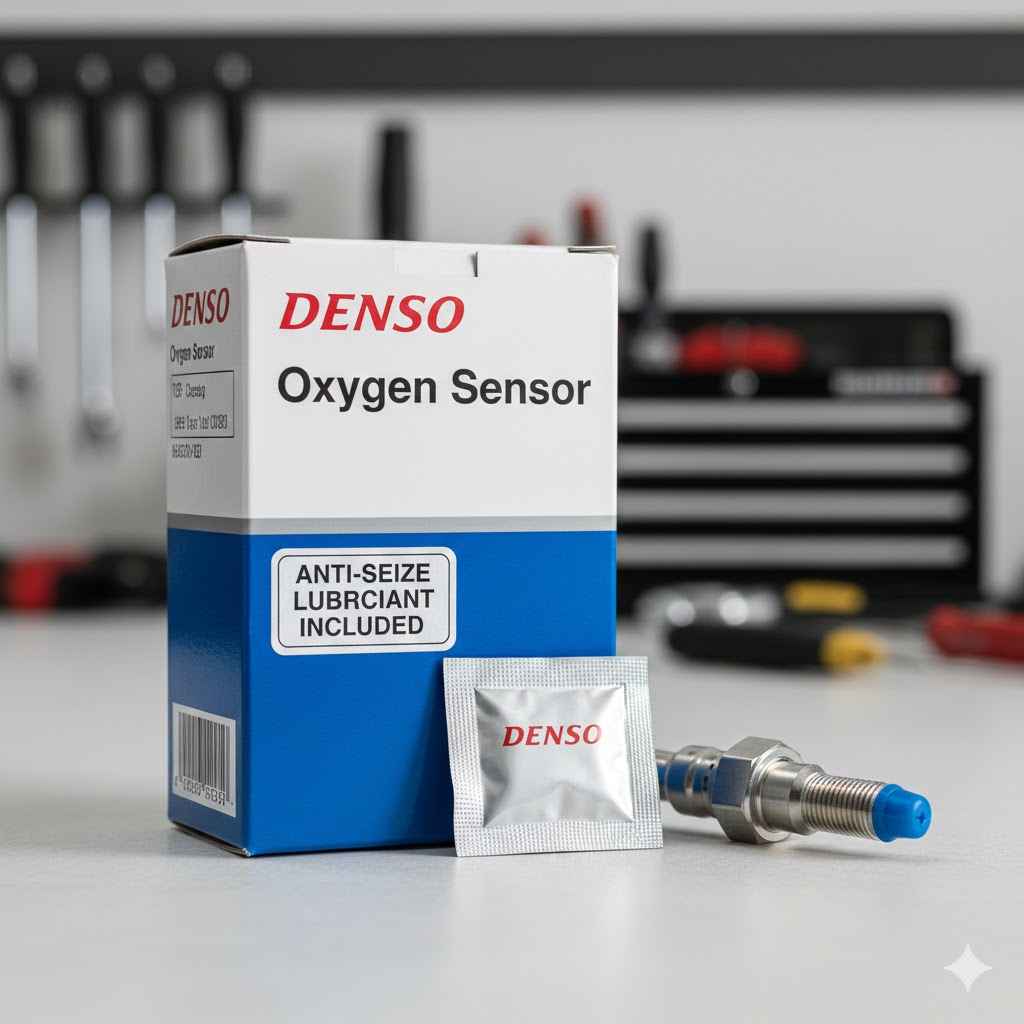
Now, to the main question: Do Denso Oxygen Sensors Come With Anti-Seize Compound? The answer, for the most part, is no, they typically do not.

Denso usually sells their oxygen sensors as the sensor unit itself, often with a pre-attached electrical connector. While they are a high-quality manufacturer, they generally do not include anti-seize compound as a standard part of their oxygen sensor kits for the aftermarket. This means that if you are purchasing a Denso oxygen sensor for your vehicle, you will most likely need to purchase anti-seize compound separately.

There might be rare exceptions or specific bundled kits from certain retailers, but as a general rule from Denso’s direct manufacturing and packaging, assume you will need to get your own anti-seize. This is a common practice across many automotive part manufacturers for this type of component.

Why might they not include it? One reason could be cost. Including a small packet of anti-seize for every sensor would add to the manufacturing and packaging costs, which would ultimately be passed on to the consumer.

Another reason could be standardization; they focus on producing the sensor itself to the highest quality standards. Also, there are different types of anti-seize for different applications, and they might prefer users to select one appropriate for high-heat exhaust environments.

Why Anti Seize Is Important for Oxygen Sensors

Oxygen sensors are critical components of your car’s exhaust system. They monitor the amount of oxygen in the exhaust gases and send this information to your car’s computer (ECU). The ECU then uses this data to adjust the air-fuel mixture, ensuring your engine runs efficiently and produces fewer emissions.

The sensor itself screws into a threaded port in the exhaust manifold or pipe. This area is constantly exposed to:

  • Extreme Heat: Exhaust gases can reach temperatures of over 1,000 degrees Fahrenheit (538 degrees Celsius).
  • Corrosive Elements: Moisture, combustion byproducts, and road grime can lead to corrosion.
  • Vibration: The engine and exhaust system experience constant vibration.

Over time, the combination of heat and moisture can cause the sensor’s threads to rust and bond tightly to the exhaust component. If you try to remove a sensor without anti-seize that has been subjected to these conditions, you risk:

  • Stripping the threads of the sensor, making it impossible to remove.
  • Damaging the threads in the exhaust manifold or pipe, which is a much more expensive repair.
  • Breaking the sensor off, leaving part of it stuck in the exhaust.

Applying anti-seize compound to the threads of a new oxygen sensor before installation creates a protective layer. This layer prevents the extreme heat and corrosive elements from causing the threads to seize. When it’s time to replace the sensor again in the future, it will be much easier to unscrew.

Discover more interesting content on Oxygen Sensors by reading this post. Does Denso Make Chevy Oxygen Sensors?

Choosing the Right Anti Seize Compound

Not all anti-seize compounds are created equal. For oxygen sensors in exhaust systems, you need a high-temperature anti-seize. Look for products specifically designed for exhaust applications or high-heat environments.

Common types of anti-seize include:

  • Copper-based anti-seize: This is very common and effective for high temperatures. It’s made from copper particles mixed in a grease base. It’s good for temperatures up to around 1,800 degrees Fahrenheit (982 degrees Celsius).
  • Aluminum-based anti-seize: Also effective at high temperatures, often mixed with other materials.
  • Nickel-based anti-seize: Used for extremely high temperatures and corrosive environments.
  • Ceramic-based anti-seize: These are good for high temperatures and are often recommended when copper or aluminum might cause issues with certain metals (like stainless steel).

For typical automotive exhaust systems, a good quality copper-based or aluminum-based high-temperature anti-seize will work perfectly fine for your Denso oxygen sensor.

Popular brands that offer suitable anti-seize compounds include Permatex, Loctite, and Never-Seez. When you visit your local auto parts store, ask for their high-temperature anti-seize, and they will point you in the right direction. A small tub or tube is all you need, and it will last you for many future repairs.

How to Apply Anti Seize Compound

Applying anti-seize is a simple process, but doing it correctly ensures it provides the best protection.

Here’s how to do it:

  1. Clean the Threads: Ensure the threads on the new oxygen sensor are clean and free of any manufacturing residue or debris.
  2. Apply a Thin Layer: Dip a small brush or your finger (wear gloves if you prefer) into the anti-seize compound. Apply a thin, even layer to the threads of the new oxygen sensor. You want to coat the threads thoroughly, but avoid excess compound that could squeeze out and contaminate the sensor’s tip or the exhaust opening.
  3. Avoid the Sensor Tip: Make sure no anti-seize compound gets on the actual sensing element of the oxygen sensor. This is usually the ceramic tip at the end. Contamination can affect its performance.
  4. Thread the Sensor: Carefully thread the sensor into the exhaust port by hand first. This helps to prevent cross-threading. It should screw in smoothly.
  5. Tighten to Spec: Once hand-tight, use your wrench to tighten the sensor to the manufacturer’s specified torque. If you don’t have a torque wrench, snug it up firmly but do not overtighten. A general rule of thumb for most oxygen sensors is about a quarter to half a turn after it seats hand-tight. Check your vehicle’s repair manual for exact specifications.

Remember, the anti-seize compound is there to help with future removal, not to act as a sealant. You want a good seal from the crush washer or the fit of the threads themselves.

Discover more interesting content on Oxygen Sensors by reading this post. Do Mercury 4-Stroke Outboards Have Oxygen Sensors

What If My New Denso Oxygen Sensor Comes With Anti Seize Pre-Applied

While it’s uncommon for Denso brand oxygen sensors sold in the aftermarket to come with pre-applied anti-seize, it’s not impossible, especially with some specialized or OEM (Original Equipment Manufacturer) direct-fit parts, or if purchased as part of a kit from a specific retailer. If you unbox your Denso oxygen sensor and notice that the threads already have a grayish or coppery coating on them, it’s very likely anti-seize.

In this situation, you don’t need to apply more. The manufacturer has already done it for you. Just proceed with installation as normal.

However, always inspect it closely. If you’re unsure, a quick call to the retailer or a look at the product description online might clarify. But generally, if it looks like it’s coated with a paste, it is.

Alternatives to Anti Seize

While anti-seize is the most common and recommended solution, some mechanics might use high-temperature copper grease or even a bit of engine oil in a pinch. However, for long-term protection against extreme heat and corrosion in exhaust systems, a dedicated high-temperature anti-seize compound is the best choice.

Some exhaust components might even come with a specific type of thread lubricant from the manufacturer. Always check the product packaging or manual if you are unsure. But for a standard Denso oxygen sensor purchase, buying your own anti-seize is the safest bet.

Alternatives to Anti Seize

Frequently Asked Questions

Question: Do all Denso oxygen sensors come with anti-seize compound

Answer: No, typically aftermarket Denso oxygen sensors do not come with anti-seize compound included. You will most likely need to purchase it separately.

Question: Why do oxygen sensors need anti-seize

Answer: Oxygen sensors screw into hot exhaust systems. Anti-seize prevents the threads from rusting and fusing together due to heat and corrosion, making future removal much easier.

Question: What kind of anti-seize should I use for an oxygen sensor

Answer: Use a high-temperature anti-seize compound, such as copper-based or aluminum-based, designed for exhaust or high-heat applications.

Question: Can I use regular grease instead of anti-seize

Answer: Regular grease is not recommended as it cannot withstand the high temperatures of an exhaust system and will likely burn off, offering no protection.

Question: Where can I buy anti-seize compound

Answer: Anti-seize compound is readily available at most auto parts stores, hardware stores, and online retailers. Ask for high-temperature anti-seize.

Interested in more about Oxygen Sensors? Here's an article you might find helpful. Does Ethanol Destroy Oxygen Sensors

Final Thoughts

When you are installing a new Denso oxygen sensor, remember that it likely won’t come with anti-seize compound. This helpful substance is key to preventing future installation headaches. You’ll need to pick some up separately.

Look for a high-temperature version. Apply it thinly to the threads before screwing in your new sensor. This simple step ensures your repair is successful and makes the next one easier.

Similar Posts