Do Separate Oxygen Sensors Monitor Different Fuel Banks?
Figuring out if Do Separate Oxygen Sensors Monitor Different Fuel Banks? can be tricky when you’re just starting. It’s common to get confused by all the car parts and what they do! Don’t worry, though; it’s simpler than it seems. This guide will help you explore the world of oxygen sensors and fuel systems. We’ll break down everything step-by-step so you can easily figure out how these sensors work in your car. Next, we will learn how to identify what the sensors monitor.
What Are Oxygen Sensors and Why Are They Important?
Oxygen sensors, also called O2 sensors, are like the lungs of your car’s engine. They check how much oxygen is in the exhaust gases. This information is key for the car’s computer, the Engine Control Unit (ECU), which adjusts the fuel mixture to make sure the engine runs efficiently. Oxygen sensors are a small but significant part that helps the car run smoothly. They make sure the car doesn’t waste fuel or pollute the air. Without oxygen sensors, your car wouldn’t run as well and might even damage the engine over time.
Oxygen sensors are located in the exhaust system, typically before and after the catalytic converter. They’re built to withstand extreme heat and harsh conditions. They send signals to the ECU, which uses the data to maintain the correct air-fuel ratio. This proper ratio is generally about 14.7 parts air to 1 part fuel, making sure the engine operates at its best. Oxygen sensors ensure the engine performance is good, emissions are low, and the car can perform as expected. Because of this, when your car’s check engine light comes on, it might be due to a faulty oxygen sensor.
The Main Function of Oxygen Sensors
Monitoring Exhaust Gas: Oxygen sensors constantly check the amount of oxygen in the exhaust. They’re always working to measure the exhaust gases and send that information to the engine computer.
Oxygen sensors work by comparing the amount of oxygen in the exhaust to the outside air. The sensors use this difference to produce a voltage signal. This is how the ECU is able to read the levels of oxygen present. The data from the oxygen sensor lets the ECU know if the fuel mixture is too rich (too much fuel) or too lean (not enough fuel). The engine computer then makes the required adjustments to maintain the best air-fuel mixture. They keep your engine running efficiently.
Fuel Mixture Adjustment: The ECU uses the sensor’s data to change the amount of fuel sprayed into the engine. This process, also known as closed-loop operation, is critical for optimal engine performance.
The ECU has a specific range it is looking for from the O2 sensor. When the oxygen sensor signal shows too much oxygen, the ECU adds more fuel. If there’s not enough oxygen, the ECU reduces the fuel. This adjustment cycle helps the car to find the right balance between power and economy. The goal is to keep the engine running smoothly. The ECU is always making these changes to keep the engine working correctly.
Catalytic Converter Health: They make sure the catalytic converter works correctly.
Oxygen sensors monitor the emissions before and after the catalytic converter. The first sensor, called the upstream sensor, helps the engine run efficiently. The second sensor, downstream, checks the catalytic converter’s performance. They make sure the catalytic converter is working correctly. They help to reduce harmful emissions.

How Fuel Banks Work in Engine Systems
In many modern engines, especially those with V-shaped or horizontally opposed cylinder configurations, the fuel system is often split into fuel banks. A fuel bank is a collection of cylinders that share a common set of fuel injectors and an oxygen sensor. Fuel banks allow the engine to monitor and adjust fuel delivery more precisely. This is more useful for engine performance and emissions control. This setup ensures that each part of the engine gets the right amount of fuel.
Engines with two or more fuel banks are common in V6 and V8 engines. One bank might serve the cylinders on one side of the engine, while the other serves the cylinders on the other side. Each bank often has its own set of injectors and an oxygen sensor to monitor the exhaust gases. This split setup allows the ECU to manage each side of the engine separately. This helps to balance performance and reduce emissions. When something goes wrong in a bank, the system can detect and fix it more quickly, so the engine keeps working well.
Understanding the Role of Fuel Injectors and Sensors
Fuel Injectors: Fuel injectors spray the exact amount of fuel into the engine cylinders. They are key to the correct air-fuel mixture.
Fuel injectors are precision parts that are controlled by the ECU. They spray the fuel into the engine, making sure it mixes with the air. There’s often one injector for each cylinder, or sometimes a group of injectors for a bank of cylinders. The ECU determines the length of time the injectors are open, controlling the amount of fuel delivered. This ensures the engine gets the right amount of fuel. They’re a fundamental part of a working engine system.
Oxygen Sensors: As explained, these check the amount of oxygen in the exhaust, sending info to the ECU. The ECU then uses this data to adjust the fuel mixture.
Oxygen sensors provide the ECU with the data it needs to know how the engine is performing. They provide a lot of data to the ECU to help it make adjustments. They’re placed in the exhaust stream to read how much oxygen remains after combustion. This information helps the ECU fine-tune the fuel mixture. Having a healthy oxygen sensor is key to having a smooth running engine.
Engine Control Unit (ECU): The ECU is the brain of the engine. It receives signals from the sensors and controls the fuel injectors. It’s an important part of making the system work.
The ECU makes sure that all of the engine’s components work together. It uses all the data from the oxygen sensors and other sensors to determine the optimal engine settings. The ECU controls fuel injectors, spark plugs, and other parts of the engine. The engine is tuned for efficiency and good performance.
Do Separate Oxygen Sensors Monitor Different Fuel Banks?
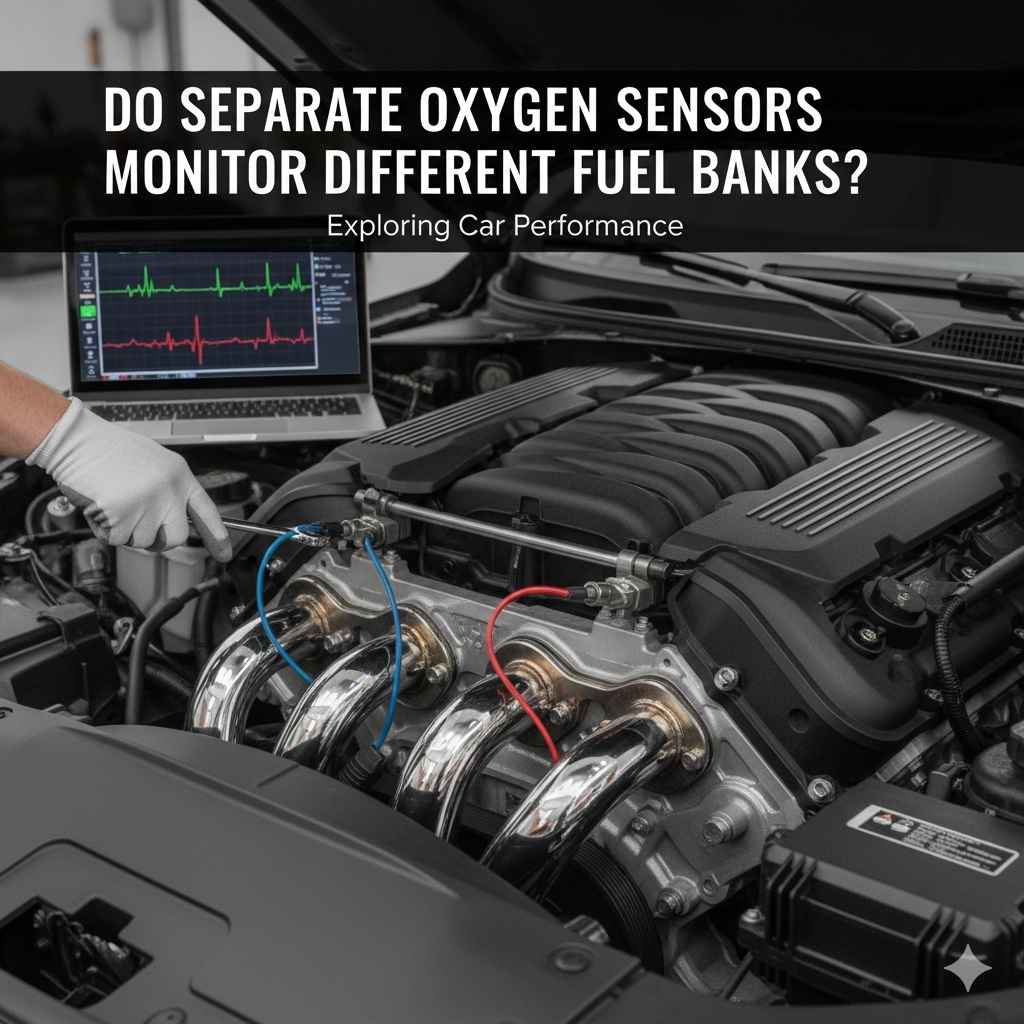
The answer to the question, Do Separate Oxygen Sensors Monitor Different Fuel Banks? is generally yes, in many modern vehicles. Engines with multiple fuel banks, such as those found in V6 or V8 configurations, often have dedicated oxygen sensors for each bank. This allows for more precise control over fuel delivery and emissions. Having a separate sensor per bank is very useful for getting the best performance and making sure the engine follows emission standards. This setup helps improve engine efficiency and reduce harmful emissions.
Some vehicles may have only one oxygen sensor located upstream of the catalytic converter. This type of setup is common in older engines or inline engine configurations. In these cases, the single sensor monitors the combined exhaust from all cylinders. In more advanced setups, there may be multiple sensors. The additional sensors will give more data to the ECU. This will ensure each cylinder or group of cylinders is working correctly.
Real-World Examples of Sensor Configurations
V6 Engine: Most V6 engines have two fuel banks. One bank serves the cylinders on one side of the engine, and the other bank serves the cylinders on the other side. Each bank typically has its own oxygen sensor. This means there’s a sensor for each cylinder bank to measure the exhaust gases. This setup allows the ECU to tune each bank separately for better performance and lower emissions.
For example, if one bank of cylinders is running slightly rich (too much fuel), the oxygen sensor detects this. The ECU then adjusts the fuel injectors on that bank. This adjustment ensures the air-fuel mixture is optimized. The engine is running efficiently. It also allows the ECU to maintain a balanced engine performance.
V8 Engine: V8 engines also usually have two fuel banks. Each bank corresponds to a set of four cylinders. As with the V6, each bank has its own oxygen sensor. There’s an oxygen sensor for each side of the engine.
This configuration helps in keeping the engine tuned correctly. For instance, if one bank is having a problem due to a faulty fuel injector, the oxygen sensor on that bank will detect the issue. The ECU can adjust the fuel mixture for that bank. This adjustment is all done while the other bank runs properly. The system makes it easier to diagnose and fix engine issues quickly.
Inline Engine with One Sensor: Some older inline engines might have only one oxygen sensor. This sensor is located in the exhaust manifold, which collects exhaust gases from all cylinders. This setup is less precise than a multi-sensor system. It cannot adjust fuel mixtures individually for different banks.
In this case, the ECU adjusts the fuel mixture based on the single sensor’s readings. If any cylinder is not working correctly, the single sensor may not accurately detect the issue. This simpler design is not as efficient. It can make it more difficult to diagnose and fix problems, but it is common in older cars.
How to Identify Oxygen Sensor Placement
Understanding where oxygen sensors are placed in a vehicle is important for troubleshooting engine problems. The sensor’s location can vary based on the car’s make and model, but some common patterns exist. Learning how to locate these sensors can help you to diagnose issues. Then, you will know if there is a problem with the oxygen sensors.
In most modern vehicles, you can locate the oxygen sensors in the exhaust system. There are typically sensors before and after the catalytic converter. The upstream sensor is usually close to the engine and monitors the exhaust gases right after combustion. The downstream sensor is located after the catalytic converter. This sensor monitors the exhaust after it has been filtered. Knowing these locations is a key step to identifying any problem.
Tools and Methods for Locating Oxygen Sensors
Consult the Vehicle’s Service Manual: The service manual is the best resource for sensor locations.
The manual is the most detailed source. It has the exact locations for your specific car model. It may also have detailed diagrams and steps. This will make it easier to find the sensors. A service manual will save you time and help you to avoid errors.
Inspect the Exhaust System Visually: You can often see the sensors by looking under the car.
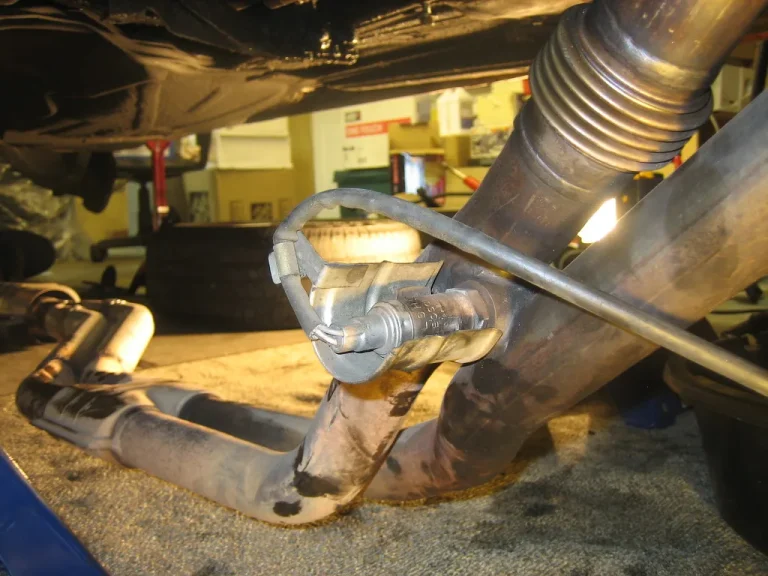
Oxygen sensors are small, threaded devices that are screwed into the exhaust pipes. Check the exhaust manifold near the engine. Look for the sensors that are threaded into the exhaust pipes. They’re usually easy to spot because of the electrical wires connected to them. This can also help you understand their layout and which cylinders or banks they monitor.
Use an OBD-II Scanner: An OBD-II scanner can help you identify sensor readings and potential problems.
An OBD-II (On-Board Diagnostics II) scanner plugs into a port in your car. It will give you information about the engine. The scanner will show the sensor readings. If the check engine light is on, the scanner can show which sensors are causing the problem. They are a good option for diagnostics.
Check the Catalytic Converter Area: Oxygen sensors are often near the catalytic converter.
The catalytic converter is located in the exhaust system. Look for sensors before and after the converter. The upstream sensor monitors the gases before the converter. The downstream sensor monitors after the converter. They help the car’s engine run efficiently.
According to the Environmental Protection Agency (EPA), properly functioning oxygen sensors can reduce vehicle emissions by up to 90%. This shows how important it is to keep your oxygen sensors in good condition.
Troubleshooting Oxygen Sensor Issues
If you suspect an oxygen sensor problem, there are ways to check and see what’s wrong. You might notice a drop in fuel efficiency, a rough engine idle, or even the check engine light turning on. These are all signs that your oxygen sensors might not be working correctly. The following steps will help you explore the issue and discover if you need to take action.
You can start by inspecting the sensors visually for damage or corrosion. Then, you can use an OBD-II scanner to read any error codes. A scanner can show if the sensor is sending the right signals to the ECU. Also, you can check the wiring and connectors for any damage. If you notice any of these problems, you might need to change the sensors. Addressing the oxygen sensor issues will help improve your car’s performance. It will also help the engine run smoother.
Common Signs of Oxygen Sensor Problems
Check Engine Light: If the check engine light comes on, it’s often due to a problem with the oxygen sensors.
The check engine light can be caused by various issues, including oxygen sensor problems. When the ECU detects a fault, it will light up the warning light. Use an OBD-II scanner to read the code. The code will give a clear indicator of the problem. This will help you know if there is a problem with the oxygen sensors.
Poor Fuel Economy: A faulty oxygen sensor can make the engine use more fuel.
If the oxygen sensors are not working correctly, the engine may not get the right air-fuel mixture. The engine might run rich (using too much fuel) or lean (not enough fuel). If you notice your car is using more fuel than usual, there could be a problem with the oxygen sensors. This will save you money at the gas pump if fixed.
Rough Engine Idle: A bad sensor can affect how the engine idles.
Oxygen sensors are important for maintaining a smooth engine idle. If the sensors aren’t working, the engine might run roughly or stall at idle. This is because the ECU can’t properly adjust the fuel mixture. If you notice a rough idle, checking the oxygen sensors is a good step.
Failed Emissions Test: Sensors are necessary for meeting emission standards.
Oxygen sensors play a key role in controlling emissions. A bad sensor can cause your car to fail an emissions test. The sensors make sure the catalytic converter works correctly. If the sensors are bad, your car’s emissions may be too high. This is why you need to maintain your sensors.
According to a study by the Car Care Council, regular maintenance, including checking oxygen sensors, can improve fuel efficiency by up to 40%.
Comparing Oxygen Sensor Types and Their Roles
There are several types of oxygen sensors, and each has a different role. The main types include narrowband and wideband sensors. Understanding the key differences will help you learn about what oxygen sensors do in your car. Both sensors collect data, but the data is collected in different ways and is useful in different situations. Understanding their differences will help you understand your car’s engine.
Narrowband sensors are the most common. They send a simple signal to the ECU. Wideband sensors provide a more detailed measurement of the air-fuel ratio. They are used in high-performance engines to better control fuel mixture. No matter what kind of car you have, knowing the key features of the sensors can make you a more knowledgeable driver.
Narrowband vs. Wideband Oxygen Sensors
| Feature | Narrowband Oxygen Sensor | Wideband Oxygen Sensor |
|---|---|---|
| Air-Fuel Ratio Range | Only measures around the stoichiometric point (14.7:1) | Measures a wider range of air-fuel ratios (e.g., 10:1 to 20:1) |
| Output Signal | Simple, two-state signal (rich or lean) | Provides a continuous signal showing the exact air-fuel ratio |
| Placement | Typically upstream of the catalytic converter | Can be upstream or downstream; often used for tuning |
| Cost | Less expensive | More expensive |
| Usage | Common in older vehicles and standard applications | Often used in performance vehicles and for precise tuning |
Narrowband oxygen sensors have a single role. They are used in most engines. They give basic information to the ECU. Wideband sensors provide precise measurements of the air-fuel ratio. They are often used in cars that are tuned for higher performance.

Frequently Asked Questions
Question: Can I drive my car with a bad oxygen sensor?
Answer: It’s possible to drive your car, but it is not advised. The car’s fuel efficiency will be lower, and emissions will increase. You might also damage the catalytic converter and engine.
Question: How often should I replace my oxygen sensors?
Answer: It’s generally a good idea to replace them every 60,000 to 100,000 miles, but follow your car’s maintenance schedule.
Question: What happens if I don’t replace a faulty oxygen sensor?
Answer: Over time, not replacing a faulty sensor can damage your catalytic converter. It can also lead to decreased fuel economy and poor engine performance.
Question: Are all oxygen sensors the same?
Answer: No, there are different types, like narrowband and wideband sensors. The design and function are different.
Question: Can I clean my oxygen sensors?
Answer: Cleaning oxygen sensors is generally not recommended, as they can be easily damaged. It’s usually better to replace them if they are faulty.
Final Thoughts
You now have a better idea of how oxygen sensors and fuel banks work together in your car. You’ve explored how Do Separate Oxygen Sensors Monitor Different Fuel Banks? and why they are important for engine performance, fuel efficiency, and emissions. You’ve learned how the ECU uses data from these sensors. This data is the key to tuning the engine correctly. The insights can help you understand your vehicle’s systems. You can also troubleshoot issues.
If you’re unsure about any issues, it’s always best to consult a professional mechanic. They have the tools and experience to diagnose and fix the problems. Keeping your car’s oxygen sensors in good condition will help the car run smoothly. Doing this will improve fuel efficiency and make your car run in good condition for many years to come.
Related pick: Check today's price on Amazon