Do Oxygen Sensors Make Your Car Run Better? Exploring Car Performance
So, you’re curious about cars and wondering, Do Oxygen Sensors Make Your Car Run Better? It’s a question many people have when they start learning about how their vehicle works. The idea of these sensors and their role can seem tricky at first, but don’t worry! This post will break down how oxygen sensors function and what they do for your car in a way that’s easy to follow. We’ll examine the details step-by-step, making it simple to grasp even if you’re new to car maintenance. Next, we will discuss the different kinds of oxygen sensors and their roles.

Sangyue
Sangyue 4X Oxygen O2 Sensor
- One Year Unlimited Mileage Quality Guarantee
- Fit 2001-2003 Toyota Highlander 2.4L;
- 4pcs; Upstream + Downstream
As an Amazon Associate I earn from qualifying purchases.
The Function of Oxygen Sensors in Your Vehicle
Oxygen sensors are tiny but mighty components in your car’s exhaust system. They’re like little detectives, constantly checking the air that comes out of your engine. Their main job is to measure how much oxygen is left in the exhaust gases. This information is then sent to the car’s computer, which uses it to make adjustments. The computer regulates how much fuel goes into the engine. This makes sure the engine runs smoothly and efficiently. Without these sensors, your car wouldn’t run as well.
How Oxygen Sensors Work
Oxygen sensors use a ceramic element, typically made of zirconia. This element is heated to a high temperature by the exhaust gases. When the oxygen sensor gets hot, it compares the amount of oxygen in the exhaust with the air outside. Based on this comparison, it sends a voltage signal to the engine control unit (ECU). The ECU is your car’s main computer. It’s in charge of managing the engine’s performance. The voltage signal tells the ECU whether the air-fuel mixture is too rich (too much fuel) or too lean (not enough fuel). The ECU then adjusts the fuel injectors to give the engine the right fuel mix. This is vital for optimal performance.
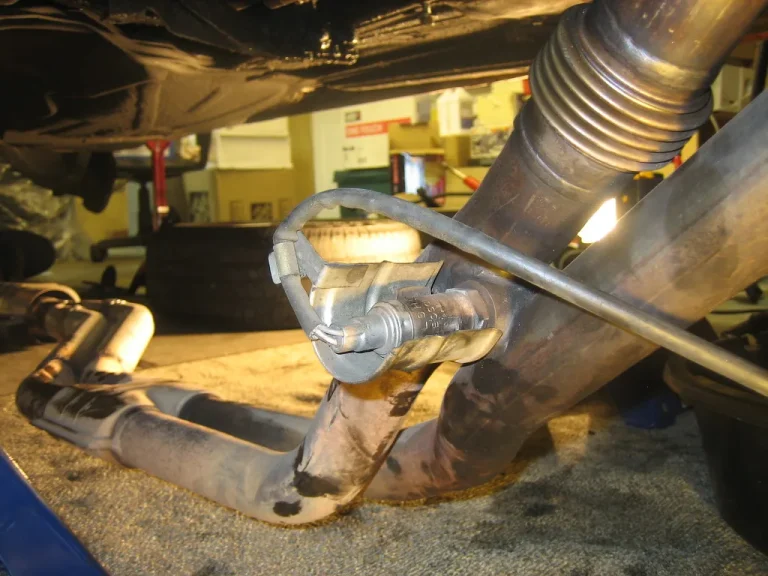
- Sensor Placement and Monitoring: Oxygen sensors are generally placed in the exhaust manifold and/or catalytic converter. This placement allows the sensors to measure the gases before and after the catalytic converter. This helps the ECU monitor the performance of the converter.
- Voltage Signals Explained: The voltage signal the sensor sends varies based on the oxygen levels. A higher voltage often suggests a rich mixture. A lower voltage indicates a lean mixture. Modern oxygen sensors provide very precise data. They allow the ECU to make the needed small changes to keep the engine running perfectly.
- Closed-Loop System: The entire process forms a closed-loop system. The oxygen sensor detects the exhaust gases. The ECU gets the information and changes the fuel supply. This makes the engine’s performance better.
The Impact of Sensor Data on Engine Operation
The data from the oxygen sensor has a big impact on the way your engine runs. The ECU uses this data to adjust the air-fuel mixture. The perfect mixture is around 14.7 parts air to 1 part fuel. This ratio is important for engine efficiency. It also reduces emissions. If the mixture is too rich, it means your car uses too much fuel. The engine could run roughly and waste fuel. Too much fuel can also cause damage to the catalytic converter. If the mixture is too lean, the engine might lose power. It also runs hotter, which can cause damage to engine parts.
- Fuel Efficiency: Proper oxygen sensor function helps improve fuel efficiency. The engine burns fuel more completely. This results in better gas mileage and helps save you money.
- Emissions Control: Oxygen sensors play a vital role in reducing emissions. They ensure the catalytic converter can do its job. It converts harmful gases like carbon monoxide and hydrocarbons into less harmful ones.
- Engine Performance: The correct air-fuel mixture is essential for engine performance. It ensures smooth acceleration and optimal power. A failing sensor can cause rough idling, hesitation, or stalling.

Different Kinds of Oxygen Sensors and Their Roles
There are several types of oxygen sensors. Each kind plays a key role in making sure your car runs well. The differences between these sensors come down to how they’re made and where they are located. Each type offers specific benefits in terms of measuring oxygen levels in the exhaust. They help the car’s engine control system adjust the fuel mixture and maintain engine performance. Knowing about these different kinds and what they do is helpful for keeping your car in tip-top shape.
Heated Oxygen Sensors (HO2S)
Heated oxygen sensors (HO2S) are the most common type. They have a heating element inside to help them heat up faster. This is important because the sensor has to reach a certain temperature to start working accurately. The heating element helps the sensor reach this temperature quickly. This lets the ECU control the air-fuel mixture sooner after the engine starts. It’s often located before the catalytic converter. These sensors are important for monitoring the air-fuel ratio. This makes sure the engine is running efficiently. It also makes sure the emissions are controlled.
- Heating Element: The heating element helps the sensor reach operating temperature quickly. It is essential for accurate readings when the engine is cold.
- Placement: Generally installed in the exhaust manifold or near the engine to monitor the exhaust gases.
- Functionality: Provides data on the oxygen content to help with fuel efficiency and lower emissions.
Wideband Oxygen Sensors
Wideband oxygen sensors, or air-fuel ratio sensors, offer more precise readings than standard HO2S. They can measure a wider range of air-fuel ratios. This is especially useful for high-performance engines. These sensors are typically located before the catalytic converter. They provide more detailed information to the ECU. This allows for more precise control over the air-fuel mixture. This is useful for improving engine performance. Wideband sensors provide more data over a wider range. This is important for optimal engine operation.
- Precise Measurement: Wideband sensors can measure a wide range of air-fuel ratios. This is much better than traditional sensors.
- Design: These sensors use a special design to measure the amount of oxygen in exhaust gas accurately.
- Applications: They are most commonly used in high-performance engines or in vehicles that need careful tuning.
Downstream Oxygen Sensors
Downstream oxygen sensors are positioned after the catalytic converter. Their main job is to monitor the performance of the catalytic converter. They compare the oxygen levels before and after the converter. This lets the ECU check if the converter is doing its job of cleaning the exhaust. They are important for emissions control systems. Downstream sensors help ensure your car meets emission standards. If the downstream sensor detects a problem, it can trigger the check engine light.
- Monitoring Catalytic Converter: These sensors check the effectiveness of the catalytic converter. They make sure it’s working properly.
- Location: Placed in the exhaust system after the catalytic converter.
- Diagnostics: Used to diagnose problems with the converter. This allows the car’s computer to identify issues.
Signs of Failing Oxygen Sensors and Troubleshooting
A failing oxygen sensor can cause several issues. These issues can affect your car’s performance, fuel economy, and emissions. Understanding the symptoms of a bad sensor helps you diagnose problems. It helps you decide when to have it checked or replaced. Common signs include a decrease in fuel efficiency. Your car may also have rough idling or a check engine light. Knowing the symptoms can help you prevent further engine problems.
Common Symptoms of a Failing Oxygen Sensor
Recognizing the signs of a faulty oxygen sensor is important. It helps you address issues before they cause more damage. Common symptoms include decreased fuel efficiency. Your car might start using more gas than usual. Another symptom is a check engine light. This is often the first warning sign. It signals that there is an issue with the emissions system. Other issues include rough idling and misfires. These problems are often due to an incorrect air-fuel mixture. Ignoring these signs can lead to more serious problems.
- Check Engine Light: A lit check engine light is often the first sign of a failing oxygen sensor. The light alerts you that something is wrong. The light may come on if the sensor sends incorrect data.
- Reduced Fuel Economy: If your car’s oxygen sensor is faulty, it can lead to worse gas mileage. The engine might run rich or lean. This can waste fuel.
- Rough Idling and Misfires: A bad sensor can throw off the air-fuel mixture. It leads to rough idling and misfires. These problems can make your car feel sluggish.
Diagnosing and Testing Oxygen Sensors
Diagnosing oxygen sensor issues involves several steps. You can start by using an OBD-II scanner. The scanner can read trouble codes stored in your car’s computer. These codes can tell you if there’s a sensor issue. Checking the sensor’s voltage output with a multimeter is another test. A healthy sensor will produce a varying voltage signal. This shows it’s responding to the changing oxygen levels in the exhaust. It’s also important to inspect the sensor itself. Look for physical damage, such as cracks or corrosion.
- Using an OBD-II Scanner: An OBD-II scanner can read trouble codes related to the sensor. This helps identify the problem.
- Voltage Testing with a Multimeter: You can test the sensor’s voltage output to see if it’s working. The voltage should vary as the engine runs.
- Visual Inspection: Check the sensor for signs of damage or wear. This includes cracks or corrosion.
When to Replace Oxygen Sensors
Oxygen sensors don’t last forever. They wear out over time. It’s important to replace them as needed. The usual time to replace them is every 60,000 to 100,000 miles. This is a general guideline. However, the exact lifespan can vary depending on driving conditions and the quality of the sensor. If your car shows signs of sensor failure, such as poor fuel economy or rough running, it’s best to have them checked. Delaying replacement can cause more serious engine damage. It will also cause increased emissions. Keep in mind that replacing the sensors helps maintain the car’s efficiency.
- Mileage-Based Replacement: Generally, replace oxygen sensors every 60,000 to 100,000 miles.
- Symptom-Based Replacement: Replace the sensor if you experience symptoms. This can include reduced gas mileage, rough running, or a lit check engine light.
- Consult a Professional: It’s helpful to consult a mechanic. They can confirm the diagnosis and replace the sensor.
Can Oxygen Sensors Make Your Car Run Better? Improved Performance
Absolutely! When oxygen sensors function correctly, they significantly contribute to the performance of your car. By providing the ECU with accurate data about the exhaust gases, they ensure the engine runs at its best. This means the car uses fuel efficiently. It also produces the right amount of power. It’s true that the sensors themselves don’t create power directly. They make sure the engine gets the right amount of fuel and air. This leads to optimal combustion and better performance.
Improving Fuel Efficiency with Oxygen Sensors
One of the main benefits of properly working oxygen sensors is improved fuel efficiency. By providing accurate information, the sensors allow the engine to maintain the ideal air-fuel ratio. This ensures the engine burns fuel completely. This can lead to significant savings at the pump. When oxygen sensors fail, the engine may run too rich or too lean. This will lead to poor gas mileage. Replacing faulty sensors often restores fuel efficiency.
- Optimal Air-Fuel Ratio: Oxygen sensors help maintain the perfect air-fuel mixture. This leads to efficient fuel combustion.
- Reduced Fuel Waste: Sensors help prevent the engine from running too rich. This reduces fuel waste.
- Long-Term Savings: Improving fuel economy can lead to cost savings over time.
Enhancing Engine Power and Responsiveness
Properly functioning oxygen sensors are essential for peak engine performance. The sensors enable the ECU to adjust the fuel delivery. This allows the engine to deliver power smoothly. When the air-fuel mixture is optimized, the engine can produce maximum torque and horsepower. This results in better acceleration and improved responsiveness. If the sensors are bad, the engine may struggle to deliver consistent power. The car may feel sluggish. Replacing faulty sensors can bring back the engine’s power.
- Optimal Combustion: Sensors ensure that the engine burns fuel efficiently. This leads to better power delivery.
- Improved Acceleration: Properly working sensors help improve acceleration. This is often noticed right away.
- Smoother Operation: Sensors help the engine run smoothly. This will eliminate hesitation or stalling issues.
Reducing Emissions and Environmental Impact
Oxygen sensors are also vital for reducing emissions and lessening the environmental impact of your car. By controlling the air-fuel mixture, the sensors make sure the catalytic converter works efficiently. The converter removes pollutants from the exhaust. This will help the car meet emission standards. By keeping your oxygen sensors in good condition, you help lower the amount of harmful gases released into the air. This plays a role in keeping the air cleaner.
- Catalytic Converter Performance: Proper sensor function helps the catalytic converter to work effectively. It converts harmful exhaust gases into less harmful ones.
- Compliance with Emission Standards: Working sensors help your car meet government emission requirements.
- Environmental Responsibility: Proper maintenance can help your car run more cleanly. This contributes to a healthier environment.
| Aspect | Without Working Oxygen Sensors | With Working Oxygen Sensors |
|---|---|---|
| Fuel Efficiency | Reduced, potentially wasting fuel | Optimized, leading to better mileage |
| Engine Power | May be reduced, with rough running | Optimal, with smooth operation and responsiveness |
| Emissions | Increased, potentially failing emission tests | Reduced, helping to protect the environment |

Frequently Asked Questions
Question: Why is the check engine light on in my car?
Answer: The check engine light can be caused by many things, including a faulty oxygen sensor. It signals that your car’s computer has detected a problem that needs to be checked.
Question: How often should I replace my oxygen sensors?
Answer: Most sensors should be replaced every 60,000 to 100,000 miles. However, it’s a good idea to check your car’s manual for the manufacturer’s suggestions.
Question: What happens if I ignore the check engine light?
Answer: Ignoring the check engine light can lead to more serious issues. The problems could worsen over time. This can cause more damage to your engine. It can also lead to higher repair costs.
Question: Can I replace oxygen sensors myself?
Answer: Yes, it is possible. It might require special tools. You’ll need to know your car’s make and model. If you’re not comfortable, you should go to a mechanic.
Question: Can a faulty oxygen sensor cause my car to fail an emissions test?
Answer: Yes, a faulty sensor can lead to increased emissions. This may cause your car to fail an emissions test.
Final Thoughts
In short, the answer to Do Oxygen Sensors Make Your Car Run Better? is a definite yes. They are key parts of your car’s engine. They help your car burn fuel efficiently, reduce emissions, and keep the engine running smoothly. Knowing how they work and what to look for can help you maintain your car. Keeping an eye on your car’s performance and addressing any warning signs is a smart choice. Regular maintenance, including checking and replacing sensors when needed, will help keep your car in top shape. Doing this can also save you money on fuel. It also helps to lessen the impact on the environment. Making a few simple checks can keep your car running well for years to come.
Related pick: Check today's price on Amazon