Do Oxygen Sensors Wear Out Over Time? What You Should Know
Figuring out if your car’s oxygen sensor is still working can seem tricky. Many people ask, Do Oxygen Sensors Wear Out Over Time?. This is common because these sensors are hidden under your car and aren’t always easy to understand. But don’t worry! We’ll break it down into simple steps. We will explore how oxygen sensors work, why they are important, and how to tell when they need replacing. Let’s get started, so you can keep your car running smoothly!
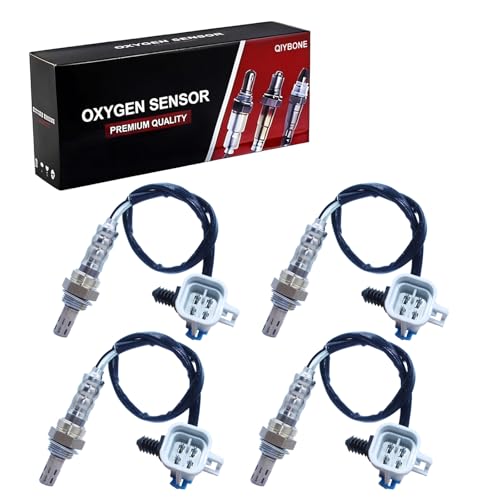
QIYBONE
4PCS Oxygen O2 Sensor Upstream Downstream 234-4668…
- 【Vehicle Fitment】Chevy/Chevrolet Silverado 1500 5.3L 2003-2005, Tahoe 5.3L 2003-2005, Avalanche 1500 5.3L 2003-2005, Suburban 1500…
- 【Reference Number】Part Number or OE Number: Oxygen O2 Sensor Upstream Downstream: 234-4668, 15284, 21546, SG1857, 8125731670, 1258…
- 【Product Features】Our oxygen sensors are made of stainless steel and high temperature resistant materials, double protection with…
As an Amazon Associate I earn from qualifying purchases.
The Essential Role of Oxygen Sensors in Your Vehicle
Oxygen sensors are super important parts of your car’s engine system. They’re like the lungs of your car, constantly checking the air that goes into the engine and how it burns with the fuel. They do this by measuring the amount of oxygen in the exhaust gases. This information is sent to your car’s computer, called the Engine Control Unit (ECU). The ECU then makes adjustments to the fuel mixture to make sure your engine is running efficiently. This also helps reduce harmful emissions that pollute the air. When an oxygen sensor is working correctly, your car runs smoother, uses fuel more effectively, and produces fewer pollutants. If it fails, you might notice issues with performance, like rough idling or decreased gas mileage.
Oxygen sensors are critical for the correct operation of the car’s engine. Without them, the engine may not run efficiently, causing wasted fuel. Oxygen sensors help keep the car’s engine running well. These sensors provide vital data to the car’s computer about the exhaust gases. This is what allows your car to run smoothly and efficiently. This information helps the car’s computer adjust the air-fuel mixture for the engine.
How Oxygen Sensors Function
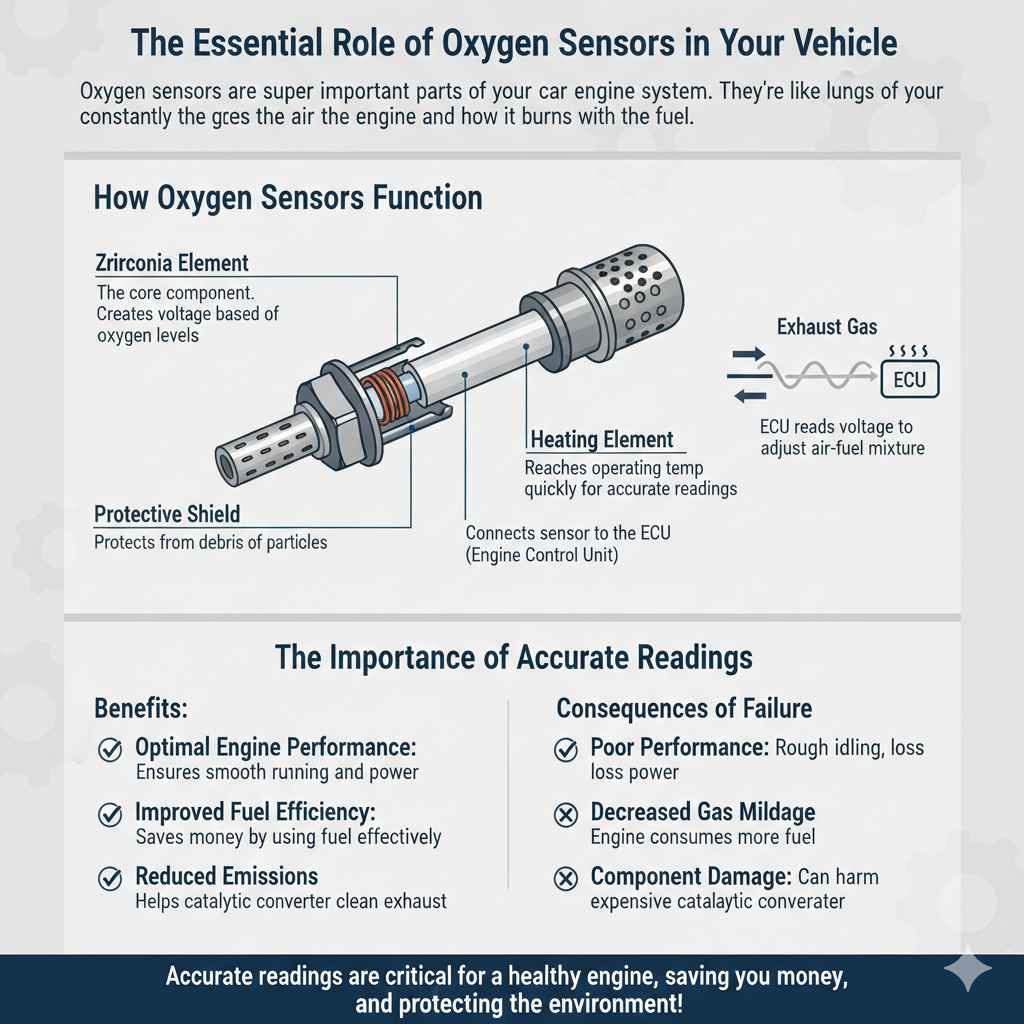
Oxygen sensors work using a small ceramic element made of zirconia. This element is heated to a high temperature, around 600 degrees Fahrenheit (315 degrees Celsius), which is achieved by the exhaust heat. The heated ceramic element has a special coating that reacts with oxygen. When the sensor is exposed to exhaust gas (which contains oxygen) and the outside air, it creates a voltage. This voltage varies depending on how much oxygen is present in the exhaust. The ECU reads this voltage to determine if the air-fuel mixture is rich (too much fuel) or lean (not enough fuel).
Zirconia Element: This is the core component. It is a ceramic material that changes its electrical properties based on the amount of oxygen around it.
The zirconia element is the heart of an oxygen sensor. When exposed to hot exhaust gases and outside air, it creates a voltage that the ECU interprets to assess the air-fuel mixture.
Heating Element: Many oxygen sensors have a built-in heating element. This helps the sensor reach its operating temperature quickly.
The heating element is used because it allows the oxygen sensor to get up to its operational temperature faster, especially during engine start-up, which is important for accurate readings.
Protective Shield: A protective shield covers the sensor to prevent damage from debris.
The protective shield is really useful, because it protects the sensor from getting damaged by particles or debris. This helps to keep the sensor working for a longer time.
Wiring Harness: The wiring harness connects the sensor to the ECU.
The wiring harness helps connect the oxygen sensor to the vehicle’s computer. This lets the sensor send the information it gathers about the exhaust to the car’s computer.
The Importance of Accurate Readings
Accurate readings from the oxygen sensor are essential for several reasons. Firstly, they ensure the engine operates at its peak efficiency. This means your car uses fuel effectively, saving you money at the pump. Secondly, they help reduce harmful emissions. A properly functioning oxygen sensor helps the catalytic converter do its job of cleaning the exhaust gases. This helps to reduce the amount of pollutants released into the environment. Accurate readings help maintain optimal engine performance and minimize environmental impact.
If the oxygen sensor malfunctions and provides incorrect data, several problems can occur. The car’s computer may make inaccurate adjustments to the air-fuel mixture, leading to poor engine performance. The engine might run rough, idle poorly, or experience a loss of power. Another consequence of a faulty oxygen sensor is a decrease in fuel efficiency. The engine may consume more fuel than necessary. Additionally, a failing oxygen sensor can damage other components, such as the catalytic converter, which is an expensive part to replace.
Does the Oxygen Sensor Wear Out Over Time? Factors Affecting Lifespan
Yes, Do Oxygen Sensors Wear Out Over Time? is a valid question because they do. Like all car parts, oxygen sensors have a lifespan. Their performance decreases over time due to wear and tear from use, exposure to extreme temperatures, and the harsh environment of the exhaust system. This wear can result in inaccurate readings, which can affect the car’s performance. Several factors can influence how long an oxygen sensor will last. The quality of the sensor, the conditions under which the vehicle is driven, and maintenance all play a role. Understanding these factors can help you anticipate when your oxygen sensor may need replacing.
Oxygen sensors are designed to last a good amount of time, but they aren’t permanent. Typically, an oxygen sensor will function correctly for many miles. The lifespan of an oxygen sensor is affected by the vehicle’s driving conditions and maintenance. Regular inspection and replacement as needed is critical. When a sensor fails, it can create a range of problems. So it is essential to watch out for the signs of a failing sensor and replace it when needed to make sure your car runs smoothly.
Driving Habits and Their Impact
How you drive can significantly impact the lifespan of your oxygen sensor. Aggressive driving habits, such as rapid acceleration and sudden braking, can put extra stress on the engine and exhaust system. This can lead to increased temperatures and pressure within the exhaust system, which in turn can accelerate the wear of the oxygen sensor. Consistent high-speed driving and frequent stop-and-go traffic also contribute to this wear. These types of driving increase the stress on the sensor.
Aggressive Acceleration: Repeatedly flooring the gas pedal can increase exhaust temperatures and stress the sensor.
Pushing your car to accelerate quickly causes high exhaust temperatures. High temperatures decrease the sensor’s lifespan.
Frequent Braking: Sudden braking can cause fluctuations in the engine’s operating conditions.
Constant, hard braking can stress the engine and exhaust system, potentially affecting sensor performance.
City Driving vs. Highway Driving: City driving with frequent stops and starts tends to wear out sensors faster than steady highway driving.
City driving exposes the sensor to more stop-and-go conditions, which can accelerate wear and tear.
Idling: Prolonged idling can cause the sensor to overheat and fail prematurely.
Long periods of idling can make the sensor overheat. Overheating can damage the sensor and make it stop working correctly.
Environmental Conditions and Sensor Life
The environment your car operates in affects how long the oxygen sensor lasts. Cars driven in areas with extreme temperatures may experience increased wear on the sensor. Extreme heat can cause the sensor’s internal components to degrade faster. Likewise, cold temperatures can affect the sensor’s ability to warm up and function properly. Additionally, driving in areas with poor air quality or heavy pollution can expose the sensor to contaminants. These can affect its performance over time. These harsh conditions can lead to sensor failure.
The type of fuel your car uses also plays a role in sensor lifespan. Using low-quality fuel or fuel with additives can contaminate the sensor. These contaminants can coat the sensor’s sensing element. This can cause inaccurate readings. Regular exposure to such conditions can lead to premature failure of the oxygen sensor.
Maintenance and Its Effects
Regular maintenance is a key element in keeping your oxygen sensor working well. Routine tasks like changing your car’s oil and filters can directly affect the engine’s performance. This also helps extend the life of the oxygen sensor. Regularly replacing the air filter prevents dirt and debris from entering the engine. This can contaminate the exhaust system and damage the sensor. Following the manufacturer’s recommended maintenance schedule helps prevent issues that can affect sensor life.
Ignoring maintenance can lead to a variety of problems, including sensor failure. Issues such as leaking oil can get into the exhaust system. This can coat the sensor and interfere with its ability to measure oxygen levels. Another critical maintenance task is to check the engine’s health. Fixing any mechanical problems can prevent early sensor failure. Make sure to choose the right fuel for your vehicle and avoid poor-quality fuels or fuel additives that can damage the sensor.
Symptoms of a Failing Oxygen Sensor
Knowing the signs of a failing oxygen sensor is important to maintain your car’s performance and fuel efficiency. A malfunctioning sensor can cause various issues that can affect how your car runs. If you know what to watch for, you can detect problems early and get your car repaired. Recognizing these warning signs can prevent more serious engine damage. This will also help you save money on fuel and keep your car running smoothly.
A failing oxygen sensor can cause your car to use more fuel than usual. It also leads to rough idling, or the engine may run unevenly. These issues show the sensor isn’t correctly controlling the air-fuel mixture. Also, when the sensor is not working well, it can reduce the performance of the engine. The car may accelerate slowly or lose power. Other indicators include the check engine light coming on and exhaust emissions becoming higher. Pay attention to these symptoms, and get your car checked if you notice them.
Check Engine Light and Other Indicators
One of the most common signs of a failing oxygen sensor is the illumination of the check engine light. Your car’s computer monitors various engine components, including the oxygen sensor. When the sensor’s readings are outside the expected range, the computer triggers the check engine light. This light acts as a warning system, alerting you to potential problems within your car. Ignoring the check engine light can lead to more significant issues down the line, so it’s critical to address it promptly.
Check Engine Light: A lit check engine light is the most obvious indication of an issue.
The check engine light comes on when the car’s computer detects a problem. This might be from the sensor not working right, or another issue. If you see this light, get it checked out.
Rough Idling: A failing sensor can cause the engine to idle roughly.
If the oxygen sensor is bad, the engine might not idle smoothly. This could mean the engine is shaking or running unevenly.
Poor Fuel Economy: The car may consume more fuel than usual.
A bad oxygen sensor can make the car waste fuel. This means you will need to fill the gas tank more often, costing you more money.
Loss of Power: The engine might feel sluggish or lose power.
The engine might not run as well as it used to, making it harder to accelerate or climb hills.
Failed Emissions Test: The car might fail an emissions test.
A faulty oxygen sensor can cause your car to fail an emissions test because of increased pollutants.
Fuel Economy and Performance Issues
A failing oxygen sensor often leads to a decrease in fuel efficiency. The sensor provides crucial information to the ECU. It uses this information to maintain the correct air-fuel mixture. When the sensor fails, the ECU may incorrectly adjust the fuel mixture. This can result in either too much or too little fuel being used. This affects your car’s fuel economy. If your car is using more fuel than usual, there might be a problem with the oxygen sensor.
Performance problems are another common sign of a failing sensor. The engine may run rough, and the car may have a sluggish response when accelerating. A bad oxygen sensor can also cause the engine to misfire or stall. If you notice a change in your car’s acceleration or if the engine feels less responsive, it could be a sign of a failing sensor. Get the car checked if you feel any issues. The problem might be caused by a sensor failing to give the right information.
Exhaust Emissions and Smell
A faulty oxygen sensor can significantly affect the exhaust emissions produced by your car. The sensor plays a crucial role in controlling the emissions. It ensures that the catalytic converter can properly reduce pollutants before they are released. When the sensor is not working, the catalytic converter may not function correctly. This can cause an increase in the harmful emissions exiting the exhaust pipe. You may also notice an unusual smell coming from the exhaust. This can be caused by the engine running too rich or too lean.
If you see a lot of smoke coming from the exhaust pipe, there could be a problem with the oxygen sensor. A car emitting excessive exhaust fumes or having a strong fuel smell is a clear sign. You might also notice that your car fails an emissions test. These are all signs the sensor is not doing its job correctly.
Replacing Your Oxygen Sensor
When you have determined that your oxygen sensor is bad, replacing it is often necessary. The
Before you begin the replacement process, gather the needed tools and parts. You will need the correct oxygen sensor for your vehicle. You may need tools like a wrench or socket to remove the old sensor. You may need penetrating oil to loosen the sensor if it is stuck. Make sure the engine is cool. Disconnect the negative battery cable before you begin to work on the sensor. This helps to make sure you stay safe and prevents electrical problems.
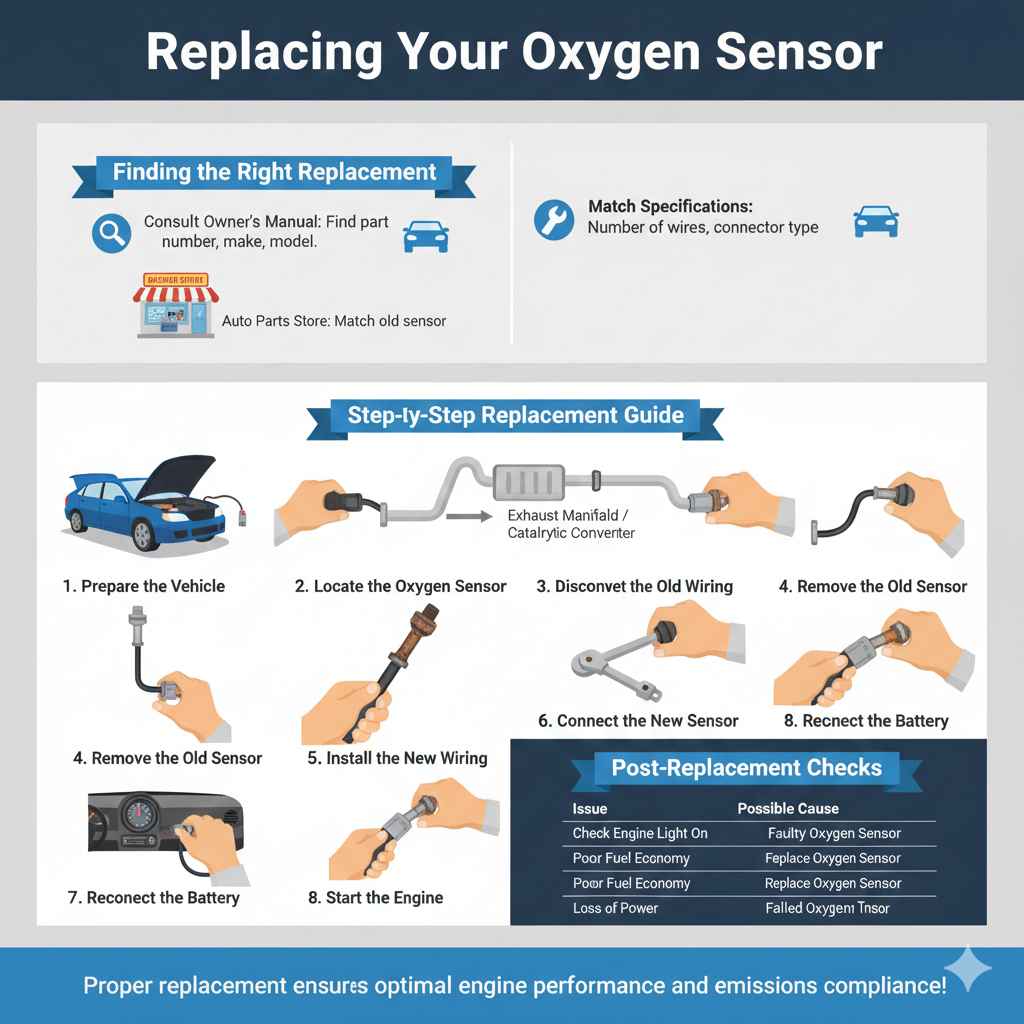
Finding the Right Replacement
Selecting the correct oxygen sensor for your vehicle is key to ensuring its proper function and your car’s performance. Oxygen sensors are not the same across all car models. There are different types and specifications based on the car’s make, model, and year. Incorrect sensors will not work correctly, potentially causing performance problems and incorrect readings.
One way to find the right sensor is to consult your vehicle’s owner’s manual or a reliable online parts catalog. These resources will give you the part number and specifications for your car’s sensor. You can find the correct part based on your car’s information. Make sure the new sensor matches the specifications of the old sensor, including the number of wires and connector type. You can also take the old sensor to an auto parts store to make sure you find the right one. Replacing the sensor with the correct part will make sure your car runs correctly.
Step-by-Step Replacement Guide
Replacing an oxygen sensor can be done with a bit of car knowledge. However, if you are not comfortable working on your car, it is best to have a professional do it for you. This will make sure the job is done correctly. If you decide to do it yourself, it is important to follow all the steps carefully.
Prepare the Vehicle: Before you begin, park your car on a level surface and allow the engine to cool down completely. Disconnect the negative battery cable to prevent electrical problems. This will make sure your vehicle is safe to work on.
Prepare the car for the replacement by ensuring it is parked safely and that the engine is cool. Disconnect the battery to prevent any electrical issues during the replacement process.
Locate the Oxygen Sensor: Oxygen sensors are typically located in the exhaust manifold or near the catalytic converter. They look like a metal cylinder with wires connected to them. They screw into the exhaust pipe.
Locate the oxygen sensor, often found in the exhaust system. The sensor usually screws into the exhaust manifold or near the catalytic converter, and it has wires.
Disconnect the Wiring: Unplug the electrical connector from the oxygen sensor. This can be difficult, so be careful. Make sure you fully understand how the connector comes off before trying to remove it.
Disconnect the electrical connector from the old sensor. The wires connect the sensor to the car’s computer, so you need to disconnect the wire before removal.
Remove the Old Sensor: Use a specialized oxygen sensor socket or wrench to loosen and remove the old sensor. This tool helps remove the sensor without causing damage. Use penetrating oil if the sensor is stuck.
Use an oxygen sensor socket or wrench to remove the old sensor from the exhaust pipe. You may need penetrating oil if the sensor is stuck.
Install the New Sensor: Carefully install the new oxygen sensor. Tighten it to the specified torque. Use a torque wrench. Do not overtighten it.
Install the new sensor. Tighten it to the manufacturer’s specifications. Make sure it is secure, but do not tighten it too much.
Connect the Wiring: Plug the electrical connector into the new sensor. Make sure it is fully connected and secure.
Connect the wiring harness to the new oxygen sensor, making sure it is properly connected.
Reconnect the Battery: Reconnect the negative battery cable.
Reconnect the negative battery cable, and you’re ready to start the car and see if the job was successful.
Start the Engine: Start your car and check for any exhaust leaks around the sensor. Make sure the check engine light is off. If the check engine light is still on, you will need to reset it.
Start the engine and watch for any exhaust leaks around the new sensor. Check if the check engine light is still on. If it is, then the job was not fully successful.
Post-Replacement Checks
After replacing your oxygen sensor, a few key checks are important to ensure everything is working correctly. Start by inspecting the area around the new sensor for any signs of exhaust leaks. Leaks indicate that the sensor may not be properly seated or sealed. Make sure the sensor is tight. A properly installed sensor should create a secure seal. This ensures the exhaust gases are measured accurately.
Drive your car for a short time after the replacement to see how it’s running. Listen for any unusual noises and watch how the engine performs under different driving conditions. If the check engine light was on before the sensor change, it may take some driving for the light to turn off. Also, if you use a scanner, you can make sure the sensor is providing the correct readings. If you are satisfied, the replacement was successful. This means the engine is running better and using fuel efficiently.
| Issue | Possible Cause | Solution |
|---|---|---|
| Check Engine Light On | Faulty Oxygen Sensor | Replace Oxygen Sensor |
| Poor Fuel Economy | Faulty Oxygen Sensor | Replace Oxygen Sensor |
| Rough Idling | Faulty Oxygen Sensor | Replace Oxygen Sensor |
| Failed Emissions Test | Faulty Oxygen Sensor | Replace Oxygen Sensor |
| Loss of Power | Faulty Oxygen Sensor | Replace Oxygen Sensor |
Frequently Asked Questions
Question: How often should I replace my oxygen sensor?
Answer: It’s best to replace your oxygen sensor every 60,000 to 100,000 miles. However, the exact time can vary depending on your car’s make, model, and the driving conditions you experience.
Question: Can I drive with a faulty oxygen sensor?
Answer: It’s not a good idea to drive with a faulty oxygen sensor for too long. While your car will still run, it may run poorly, consume more fuel, and release more emissions. This can also cause problems with your catalytic converter.
Question: Are there different types of oxygen sensors?
Answer: Yes, there are different types, including heated and unheated sensors. Heated sensors warm up faster to provide more accurate readings. Make sure to get the correct replacement sensor for your car’s model.
Question: Can I clean my oxygen sensor instead of replacing it?
Answer: Oxygen sensors are designed to be replaced, not cleaned. Attempts to clean them are usually ineffective and can damage the sensor. If your sensor is faulty, replacing it is the best solution.
Question: Will the check engine light go off after I replace the oxygen sensor?
Answer: It may take some driving for the light to turn off, if the problem was the sensor. If the light remains on, there may be another issue causing the light to be on, and a professional mechanic should diagnose the problem.
Final Thoughts
Do Oxygen Sensors Wear Out Over Time? Yes, they do, and keeping track of their health is important for your car’s performance and the environment. These sensors play a vital role in ensuring your engine runs efficiently. They help control emissions, and maintain good fuel economy. If your car is showing signs of a bad oxygen sensor, such as a check engine light or rough running, it is time to take action. Understanding how these sensors work, what affects their lifespan, and how to spot problems can help you keep your car running smoothly. Taking action quickly will help you avoid bigger problems.
If you’re unsure about replacing an oxygen sensor, it’s a good idea to ask a mechanic for help. Remember, regular maintenance and attention to your car’s needs go a long way. This includes paying attention to the check engine light and addressing any issues promptly. By taking these steps, you can help make sure your car runs well, saves fuel, and keeps the air cleaner. Taking good care of your car can help it last for a long time. It can also save you money in the long run. Drive safely!
Related pick: Check today's price on Amazon