Does Chevron Techron Concentrate Harm Oxygen Sensors
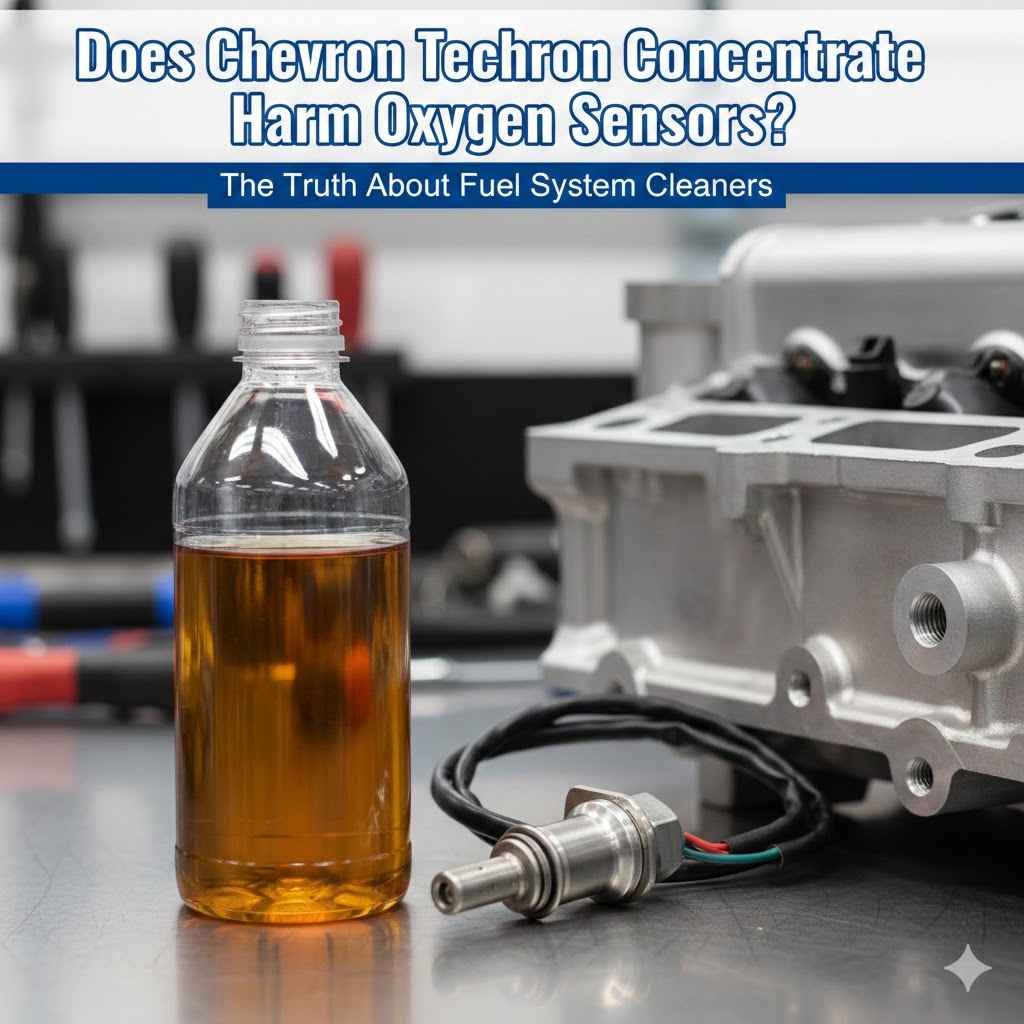
Many car owners wonder, Does Chevron Techron Concentrate Affect Oxygen Sensors? It’s a common question, especially for those new to car care. You want to keep your engine running well, but you don’t want to cause problems.
Chevron
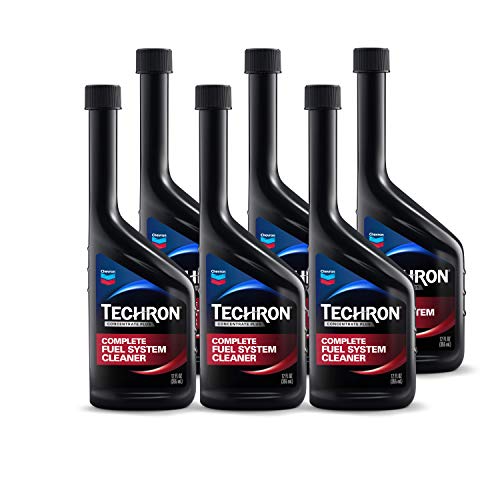
Chevron 67740-CASE Techron Concentrate Plus Fuel System…
- For best performance, follow the manufacturer's recommendations in your vehicle owner’s manual.
- Cleans, restores, protects the entire fuel system (fuel injectors, carburetors, intake valves and combustion chambers)
- Restores: lost power, acceleration, lost fuel economy, and operation of the fuel gauge sensor
As an Amazon Associate I earn from qualifying purchases.
This article breaks down the answer simply. We will look at what Techron does and how it interacts with your car’s oxygen sensors. Get ready for clear steps to help you understand this topic easily.
Chevron Techron Concentrate And Oxygen Sensors Explained
Many car owners use fuel additives to help keep their engines clean. Chevron Techron Concentrate is a popular choice. It is designed to clean fuel injectors, intake valves, and combustion chambers.
This can lead to better engine performance and fuel economy. However, a common concern is whether using such additives can harm sensitive parts of the exhaust system, like oxygen sensors. This article will explore Does Chevron Techron Concentrate Affect Oxygen Sensors?
What Are Oxygen Sensors?
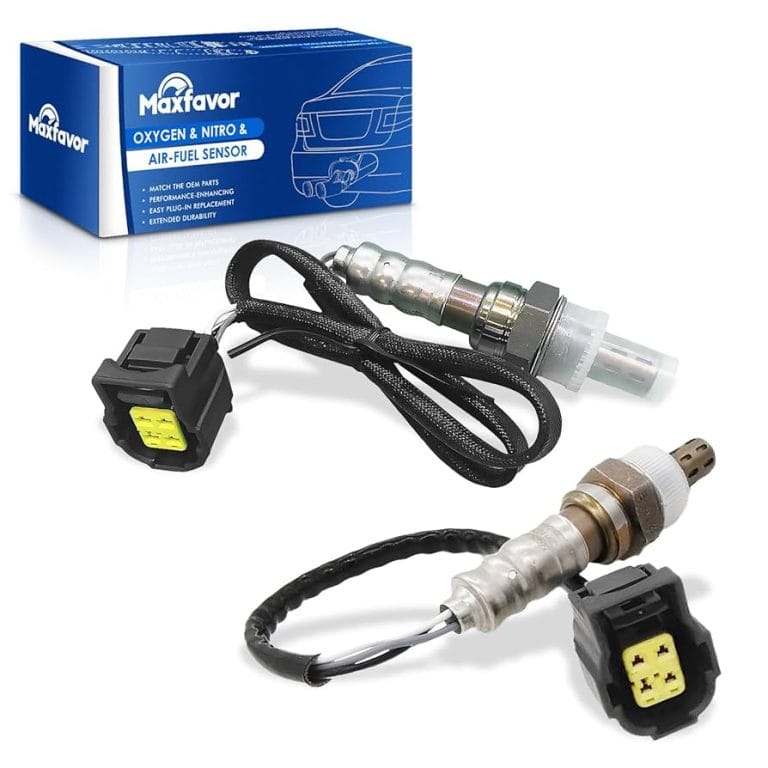
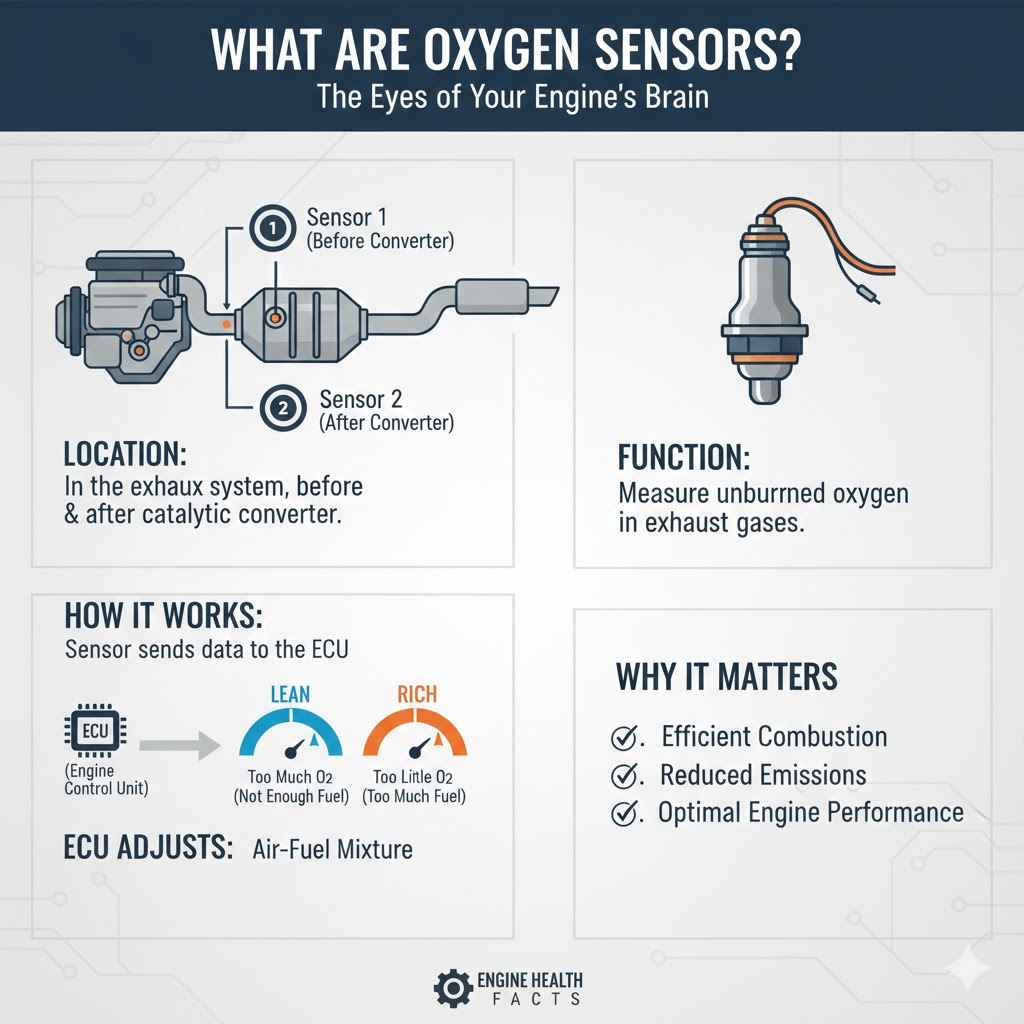
Oxygen sensors, also known as O2 sensors, are vital components in your car’s exhaust system. They measure the amount of unburned oxygen in the exhaust gases. This information is sent to the car’s computer, the Engine Control Unit (ECU).
The ECU then adjusts the air-fuel mixture. A proper air-fuel ratio is crucial for efficient combustion, reduced emissions, and optimal engine performance.
Think of O2 sensors as the eyes of your engine’s brain. They see how much oxygen is left after the fuel burns. Too much oxygen means the engine is running lean (not enough fuel).
Too little oxygen means the engine is running rich (too much fuel). The ECU uses this data to make tiny adjustments, ensuring the engine runs as smoothly and cleanly as possible.
There are usually one or more O2 sensors. Some are located before the catalytic converter, and some are after. The ones before the converter help the ECU control the air-fuel mix directly.
The ones after the converter monitor the catalytic converter’s performance.
How Do Oxygen Sensors Work?
Oxygen sensors work by detecting differences in oxygen levels. Most modern cars use zirconia-type sensors. These sensors have a ceramic element that generates a voltage based on the oxygen content.
When the exhaust gas has low oxygen (rich mixture), the sensor produces a high voltage. When the exhaust gas has high oxygen (lean mixture), it produces a low voltage.
The ECU interprets these voltage changes. It constantly signals the injectors to change the amount of fuel sprayed into the engine. This continuous adjustment creates a feedback loop that keeps the air-fuel ratio close to the ideal point.
This ideal point is often called stoichiometric. It’s the perfect balance for complete combustion and for the catalytic converter to work its best.
The O2 sensors need to be hot to work correctly. They have built-in heaters to speed up this process when the engine is first started. This is important because a cold O2 sensor won’t provide accurate readings, leading to less efficient engine operation and higher emissions until it warms up.
What Is Chevron Techron Concentrate?
Chevron Techron Concentrate is a fuel system cleaner. It contains powerful detergents that are designed to remove deposits from critical engine parts. These parts include fuel injectors, intake valves, and combustion chambers.
Over time, fuel and combustion byproducts can leave sticky residues on these components.
When fuel injectors get clogged, they can’t spray fuel evenly. This can lead to misfires, rough idling, poor acceleration, and reduced fuel economy. Intake valves can also get covered in deposits, restricting airflow into the engine.
Combustion chambers can build up carbon, which can lead to knocking or pinging sounds.
Techron Concentrate is formulated to dissolve these deposits. By cleaning these areas, it aims to restore the engine’s original performance and efficiency. It’s a popular additive because Chevron has a long-standing reputation for fuel system cleaning technology.
How Techron Works To Clean The Engine
The detergents in Techron Concentrate work by attaching themselves to the deposits. They then break down and lift these deposits away from the metal surfaces. The dissolved deposits are then carried through the engine and eventually burned off during combustion or expelled with the exhaust.
The cleaning process is gradual. It doesn’t happen instantly after adding the product to your fuel tank. For best results, it’s usually recommended to use it with a full tank of gasoline.
Driving your vehicle as you normally would allows the fuel and the additive to circulate and clean the system over time.
The effectiveness of Techron can vary depending on the severity of the deposits. For very heavily fouled engines, multiple treatments might be needed. It’s designed to be safe for most engines when used as directed.
Does Chevron Techron Concentrate Affect Oxygen Sensors?
This is the core question many car owners have. The short answer is that when used as directed, Chevron Techron Concentrate is generally considered safe for oxygen sensors. The formulation is designed to clean fuel and combustion system components, not to damage exhaust sensors.
Oxygen sensors are typically made of durable ceramic materials. They are exposed to high temperatures and harsh exhaust gases constantly. Fuel additives, if formulated correctly, should not leave behind residue that can coat or clog the sensor.
Techron’s detergents are meant to burn off cleanly.
However, it’s important to understand the context. If an oxygen sensor is already failing or is extremely old, any change in the exhaust gas composition might reveal its weakness. But this is not the same as the additive directly causing damage.
The Science Behind Additive Safety
Fuel additives work by interacting with fuel and deposits. The key is that they should not leave behind harmful byproducts that can coat or degrade sensor components. Many older or poorly formulated additives contained ingredients like metal-based friction modifiers or ash-producing compounds.
These could indeed foul oxygen sensors over time.
Chevron has engineered Techron Concentrate to avoid these issues. It uses modern detergent packages that are designed for high performance and clean combustion. The active ingredients are chosen because they are effective at removing deposits but then burn away without leaving problematic residues.
The science behind it is about clean burning. When the fuel treated with Techron burns, the cleaner additives are intended to be consumed in the combustion process. This means they are broken down into harmless gases like carbon dioxide and water, just like the fuel itself.
They shouldn’t leave behind metallic particles or heavy carbon deposits that could foul the sensitive elements of an oxygen sensor.
Potential Risks And What To Watch For
While Techron is generally safe, there are a few scenarios where problems might arise, though these are rare and often due to other factors:
- Overuse or Misuse: Using excessive amounts of any fuel additive, or using it more frequently than recommended, could potentially lead to unforeseen issues. Always follow the product instructions.
- Existing Sensor Problems: If your oxygen sensor is already on its way out, or has existing build-up from other issues, an additive might bring this to light. It’s like a weak bulb flickering when you turn on a brighter light. The additive isn’t the cause, but it might reveal the problem.
- Contaminated Fuel: If the fuel you are using is already contaminated with water or other debris, adding an additive might exacerbate existing issues.
- Older Vehicles With Different Technology: While Techron is designed for modern engines, extremely old vehicles might have different sensor types or materials that could react differently. However, most cars on the road today utilize similar O2 sensor technology.
It’s always wise to pay attention to your car’s behavior. If you notice any new warning lights or performance issues after using an additive, it’s best to have your car checked by a qualified mechanic. They can diagnose whether the additive played a role or if it’s an unrelated problem.
Comparing Techron To Other Additives
The market is flooded with fuel additives, and not all are created equal. Some additives might contain ingredients that are known to be harmful to oxygen sensors. For example, additives with high levels of phosphorus or sulfur can leave behind residues that can coat the sensor and reduce its effectiveness.
Some older formulations might have used metallic compounds as detergents or friction modifiers, which can foul sensors.
Techron Concentrate is often highlighted because Chevron has invested heavily in research and development to create a formulation that is effective for cleaning without causing harm. Their focus is on modern detergent technology that burns cleanly. This makes it a more trusted choice compared to generic or less reputable brands that might not have undergone the same level of testing.
When choosing a fuel additive, look for products that specifically state they are safe for oxygen sensors and catalytic converters. Reputable brands will usually make this clear on their packaging. Doing a little research on the ingredients or the brand’s reputation can save you potential headaches down the road.
How To Use Techron Concentrate Safely
Using Chevron Techron Concentrate correctly is key to ensuring it cleans your engine without harming your oxygen sensors or other components. The instructions are straightforward, and following them will give you the best results while minimizing any potential risks.
Step-by-Step Application
Here’s how to apply Techron Concentrate:
- Purchase the Correct Product: Make sure you are buying the “Chevron Techron Concentrate Plus Fuel System Cleaner” or a similar product from Chevron that is explicitly for cleaning the entire fuel system.
- Ensure You Have Enough Fuel: The product is designed to be used with a full tank of gasoline. If your tank is nearly empty, fill it up with gasoline first.
- Add The Concentrate: Pour the entire bottle of Techron Concentrate into your gasoline tank. The bottle usually contains enough for a full tank.
- Fill The Tank: After adding the concentrate, fill your fuel tank completely with gasoline. This helps to mix the additive thoroughly with the fuel.
- Drive Normally: Drive your vehicle as you normally would. The cleaning action begins as the treated fuel circulates through your fuel system. It may take a few driving cycles for the full effects to be noticed.
Do not exceed the recommended dosage. Using too much additive will not necessarily make it work better and could potentially cause issues. Stick to one bottle per treatment, or as specified on the product label.
Frequency Of Use
Chevron recommends using Techron Concentrate at least once every 4,000 to 5,000 miles. This interval helps to maintain the cleanliness of your fuel system and prevent the buildup of deposits. For some drivers, especially those who frequently drive in stop-and-go traffic or use lower-quality fuel, using it more often might be beneficial, but it’s best to consult the product guidelines or a mechanic.
If you are using a different Techron product, such as a fuel system cleaner that is part of a maintenance detergent in gasoline, the frequency might differ. Techron Concentrate Plus is a more potent, concentrated formula intended for periodic treatments rather than continuous use.
When To Consider Professional Advice
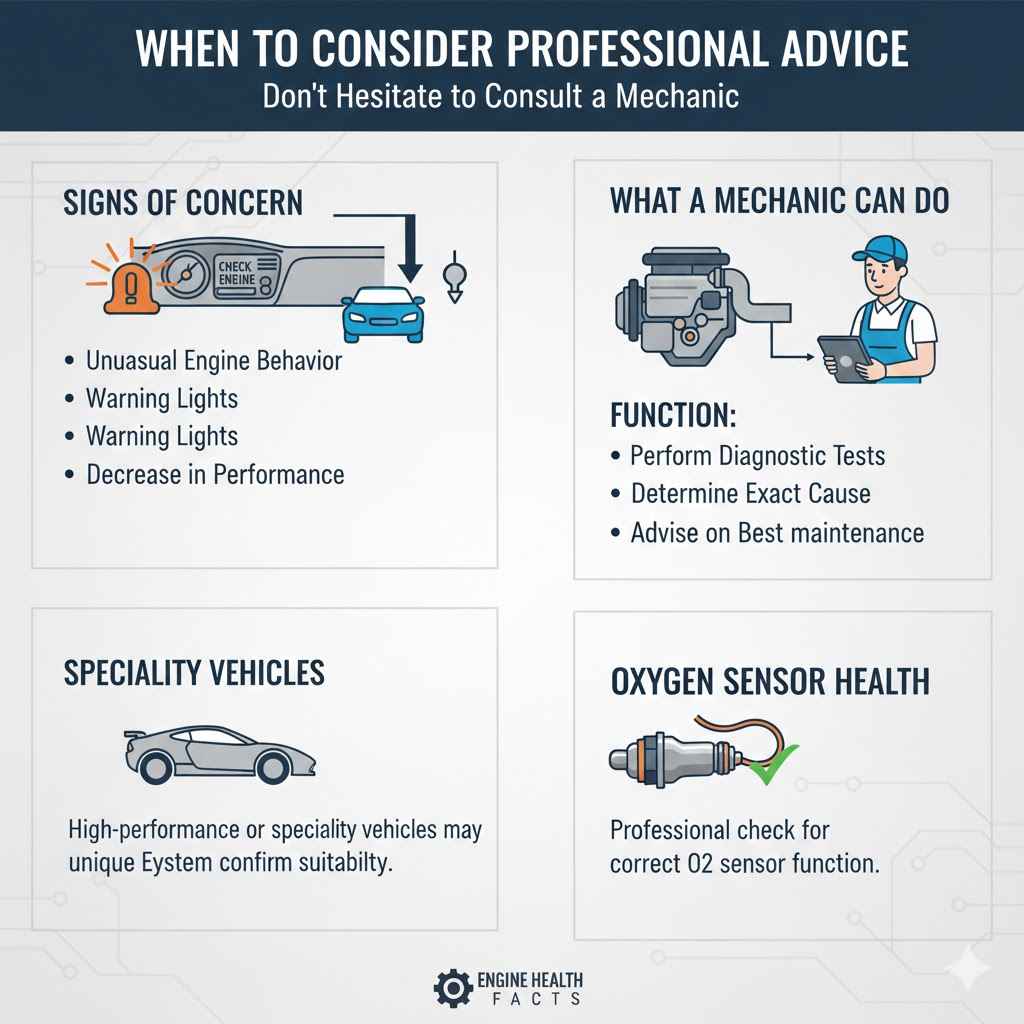
While Techron Concentrate is a DIY-friendly product, it’s always a good idea to consult a professional mechanic if you have any concerns. If you’ve used the product and notice any unusual engine behavior, warning lights, or a decrease in performance, get it checked. A mechanic can perform diagnostic tests to determine the exact cause of the problem.
They can also advise you on the best maintenance practices for your specific vehicle. Some high-performance or specialty vehicles might have unique fuel system requirements. A mechanic can help you understand if Techron Concentrate is suitable for your car and confirm if your oxygen sensors are functioning correctly.
Frequently Asked Questions
Question: Is it safe to use Techron Concentrate in a car with a high-mileage engine?
Answer: Yes, generally it is safe to use Techron Concentrate in high-mileage engines. In fact, it can be beneficial for older engines that may have accumulated more deposits over time. Always follow the product instructions for best results.
Question: Can Techron Concentrate help if my check engine light is on for an oxygen sensor issue?
Answer: If your check engine light is on specifically due to an oxygen sensor fault code, Techron Concentrate might help if the issue is caused by deposits on the sensor or in the fuel system affecting sensor readings. However, if the sensor itself is physically damaged or worn out, an additive will not fix it. It’s best to get the code read by a mechanic to diagnose the problem accurately.
Question: How long does it take to see results after using Techron Concentrate?
Answer: Results can vary, but you might start noticing improvements in engine performance, smoother idling, or better acceleration within a few tanks of fuel after using Techron Concentrate. The full cleaning effect can take some time as the treated fuel circulates.
Question: Does Techron Concentrate affect the catalytic converter?
Answer: No, Techron Concentrate is designed to be safe for catalytic converters. Its cleaning agents are formulated to burn off cleanly during combustion, without leaving behind harmful residues that could damage the catalytic converter.
Question: Can I use Techron Concentrate with premium gasoline?
Answer: Yes, you can use Techron Concentrate with any type of gasoline, including premium unleaded fuel. The additive is compatible with all grades of gasoline and works to clean your fuel system regardless of the octane rating.
Final Thoughts
So, Does Chevron Techron Concentrate Affect Oxygen Sensors? The evidence suggests that when used as directed, it does not harm your oxygen sensors. Techron is formulated with modern detergents that are designed to clean your engine’s fuel system and combustion chambers effectively.
These detergents are intended to burn off cleanly during combustion, leaving behind no harmful residues that could damage sensitive exhaust components like oxygen sensors or catalytic converters. By following the simple application instructions and recommended usage frequency, you can help maintain your engine’s performance and efficiency without worrying about negatively impacting your car’s vital sensors. Always refer to the product label for the most accurate usage guidelines for your specific Techron product.
Related pick: Check today's price on Amazon