Do Fuel Additives Affect Oxygen Sensors? Essential Truths
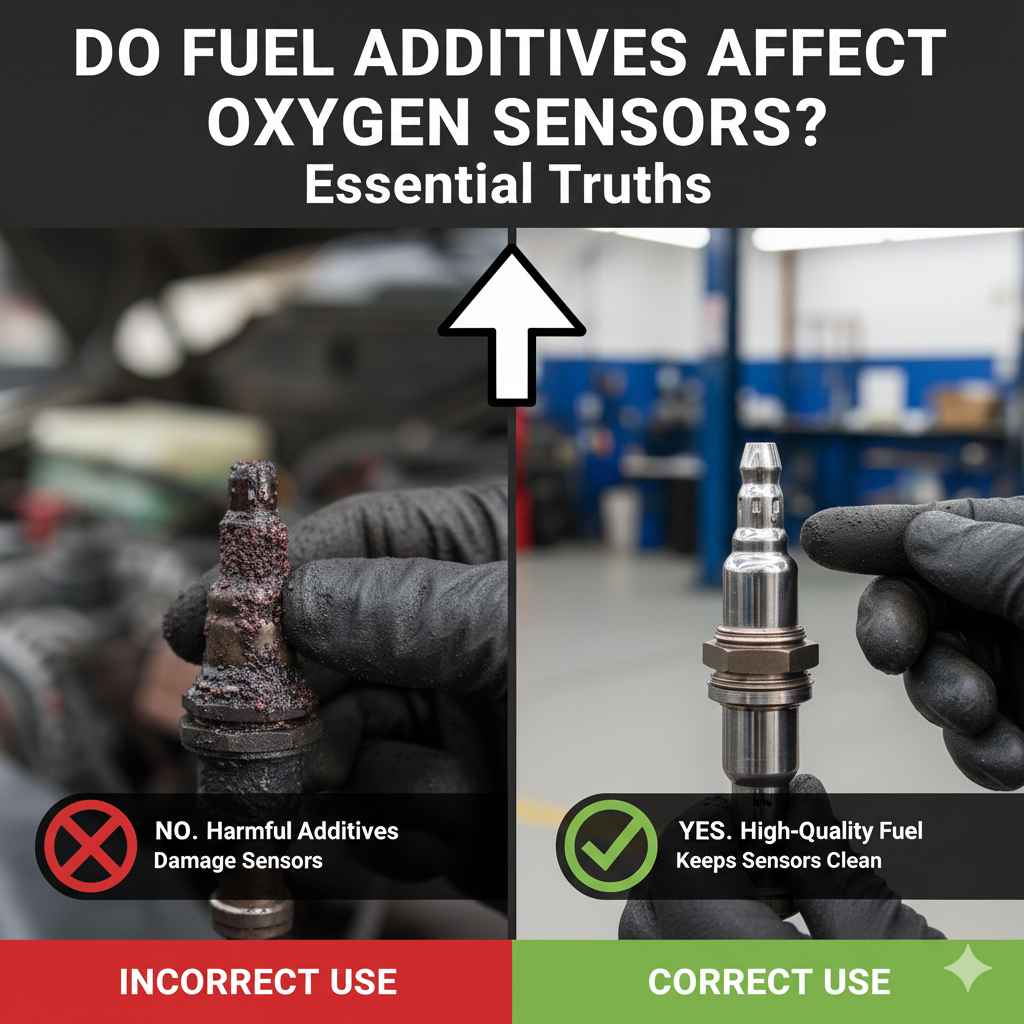
Yes, certain fuel additives can definitely affect oxygen sensors, especially those containing metallic components (like MMT/ferrocene). These additives leave deposits that foul the sensor, causing incorrect readings, poor performance, and triggering the Check Engine Light. Stick to reputable, detergent-based additives for cleaning, and avoid anything labeled “octane booster” unless verified safe.

The Fuel Ox
Fuel Ox Marine Complete Fuel Treatment Catalyst…
- INCREASES FUEL ECONOMY : Fuel Ox Marine contains a patented combustion catalyst that provides a more complete combustion. This all…
- PROTECTS AGAINST ETHANOL : Fuel Ox Marine coats fuel tank and system to prevent corrosion from ethanol found in gasoline.
- REMOVES WATER : Fuel Ox Marine is a demulsifier for the water that is in fuel. It will separate the water suspended in gas or dies…
As an Amazon Associate I earn from qualifying purchases.
Welcome! Keeping your engine running smoothly is easier than you think, but sometimes little components cause big worries. If you’ve noticed your Check Engine Light is on, or you are thinking about using a fuel cleaner, you might ask: “Do fuel additives affect oxygen sensors?” It’s a common concern because these sensors are crucial for efficiency. A faulty oxygen sensor tricks your engine into using too much fuel. Don’t worry; we will clear up the confusion. We’ll break down exactly how additives interact with these vital sensors. By the end, you’ll know which products are safe friends to your engine and which ones to skip. Let’s unlock the secrets to keeping all your emission parts happy and healthy!
Understanding the Oxygen Sensor: Your Engine’s Health Monitor
Before we discuss fuel additives, we need to understand the little hero sitting in your exhaust pipe: the oxygen sensor, or O2 sensor. Think of it as the nose of your car’s computer system.
What Does the O2 Sensor Actually Do?
The O2 sensor measures how much unburned oxygen is left in your exhaust gases after combustion. This information is vital. Your car’s computer (the ECU) uses this data to constantly adjust the fuel-to-air mixture entering the engine. This process is called “closed-loop operation.”
- Goal: Maintain the perfect ratio (stoichiometric ratio).
- Too Much Oxygen: Means the engine ran “lean” (too much air, not enough fuel). The ECU adds more fuel.
- Too Little Oxygen: Means the engine ran “rich” (too much fuel). The ECU cuts back on fuel.
When the sensor works correctly, your gas mileage stays good, and your emissions stay low. When it gets coated or fouled, it sends bad information, and your engine starts running poorly.
Where Do O2 Sensors Hang Out?
Most modern cars have at least two, sometimes four, O2 sensors, depending on how many catalytic converters you have:
- Sensor 1 (Upstream): Located before the catalytic converter. This is the primary sensor that controls the fuel mixture.
- Sensor 2 (Downstream): Located after the catalytic converter. This sensor checks how well the converter is cleaning the exhaust.
Because both sensors are sitting right in the path of whatever you pour into your fuel tank, they are highly susceptible to contamination.

The Core Connection: How Fuel Additives Interact with O2 Sensors
The fear that fuel additives might harm O2 sensors is not entirely unfounded. The interaction depends entirely on what the additive is trying to achieve and, more importantly, what chemicals it contains. Not all fuel additives are created equal.
The Good Guys: Detergent-Based Cleaners
Many popular fuel additives are designed to clean the fuel system. These are generally safe for your oxygen sensors, and often helpful!
These cleaners usually contain detergents like Polyetheramine (PEA). Their job is to scrub deposits off delicate components like fuel injectors and combustion chamber walls. They help restore proper spray patterns and prevent carbon buildup. Since they focus primarily on cleaning up carbon residue, they usually do not contain harmful metals.
Why Detergent Additives Are Generally Safe:
- They dissolve existing carbon and varnish.
- Their primary ingredients evaporate or burn cleanly.
- They improve combustion, which in turn keeps sensors functioning optimally by preventing carbon coating.
The Bad Guys: Metallic & Octane Boosters
This is where the trouble starts. Some additives, particularly older or cheaper “octane boosters,” contain metallic compounds. These metals are designed to raise the octane rating of the fuel, allowing for higher compression without knocking.
The most common culprits that damage O2 sensors are:
- MMT (Methylcyclopentadienyl Manganese Tricarbonyl): An older octane enhancer that leaves behind manganese oxide deposits.
- Ferrocene: Sometimes used as a fuel catalyst or octane booster, which deposits iron residue.
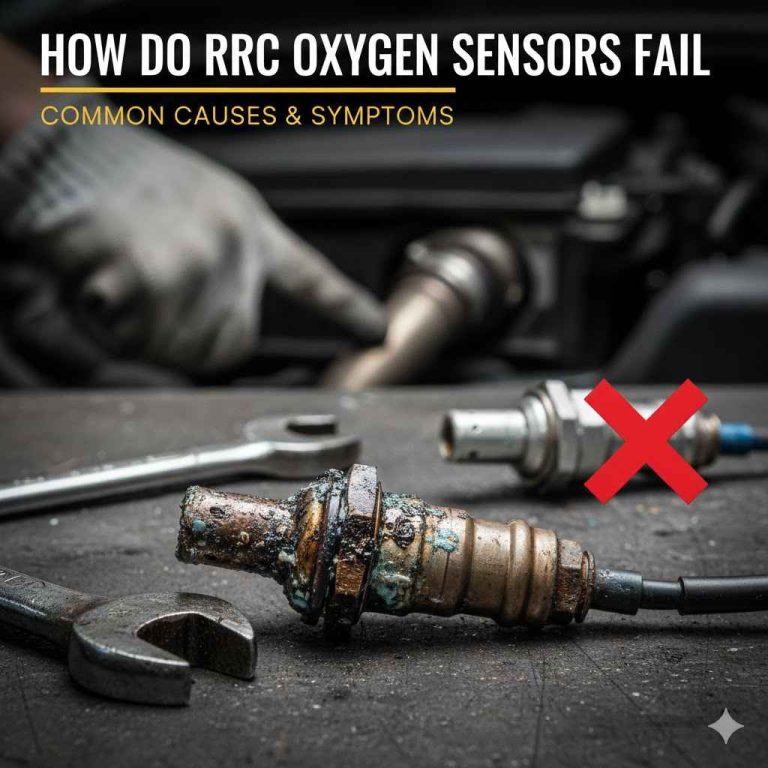
When these metallic compounds burn, they leave behind a sticky, insulating coating on the delicate ceramic element inside the O2 sensor. This coating prevents the sensor from accurately measuring oxygen content. Think of coating the sensor like putting a thick layer of silicone over a thermometer—it just stops working right.
For more information on how combustion byproducts affect catalytic converters and upstream sensors, you can refer to general studies on exhaust treatment systems published by organizations like the Environmental Protection Agency (EPA) regarding catalyst poisoning, though they typically focus on gasoline/diesel compositions.
Signs Your Additive Has Damaged an O2 Sensor
If you recently used a questionable additive and now your car is driving differently, you might be dealing with a fouled sensor. Here are the common symptoms:
- Check Engine Light (CEL) On: This is the most obvious sign. The code often points directly to efficiency issues (e.g., Bank 1, Sensor 1 Circuit Range/Performance).
- Poor Fuel Economy: The ECU defaults to a “safe rich” mixture when it can’t trust the sensor readings, dumping extra fuel into the engine.
- Rough Idling or Stalling: An incorrect fuel mixture makes the engine run unevenly, especially at low speeds.
- Fouled Spark Plugs: A rich condition caused by a bad sensor reading can lead to black, sooty spark plugs.
- Failing Emissions Test: High hydrocarbon (HC) and carbon monoxide (CO) readings are telltale signs of an overly rich mixture going unchecked.
How to Check Your O2 Sensors Before Adding Anything
It is smart to check the health of your existing sensors before introducing any chemical treatment to your fuel tank. This preventative step can save you money and frustration.
Method 1: Using an OBD-II Scanner (Best for Beginners)
You don’t need a professional mechanic to check basic sensor data. An inexpensive OBD-II code reader (available for under $50) gives you access to live data.
Steps to Check Live Data:
- Plug the scanner into the port, usually located under the driver’s side dashboard.
- Turn the ignition to the ON position, but do not start the engine yet (or follow your scanner’s specific startup instructions for live data).
- Navigate to the “Live Data” or “Data Stream” menu.
- Select the “Short Term Fuel Trim (STFT)” and “Long Term Fuel Trim (LTFT)” readings for both Bank 1 and Bank 2. These tell you how aggressively the ECU is trying to correct the mixture.
- Start the car and let it warm up to operating temperature (coolant temp above 180°F).
- Watch the Upstream (Bank 1, Sensor 1) voltage readings. A reading between 0.1 to 0.9 volts that swings rapidly (a fast wave pattern) indicates a healthy sensor.
If the upstream sensor voltage stays stuck high (near 1 volt) or stuck low (near 0 volts) and doesn’t react quickly to throttle input, the sensor might be sluggish or damaged.
Method 2: Visual Inspection (Physical Check)
If you are comfortable looking under the car (and it’s safely supported and cool!), you can visually inspect the sensor wiring and body.
- Locate the sensors threaded into the exhaust pipe or manifold.
- Look for excessive black soot or white/gray residue around the sensor tip. Soot suggests a rich running condition, possibly caused by a bad sensor or injector issue.
- Check the wiring harness for any signs of melting, fraying, or corrosion, as physical damage can mimic sensor failure.
Fuel Additive Compatibility Chart for Oxygen Sensors
To help you decide what to buy, here is a simple guide comparing common additive types and their risk level to your O2 sensors. Remember to always trust the manufacturer’s explicit statement about catalyst or sensor safety.
| Additive Type | Primary Ingredient Example | Purpose | O2 Sensor Risk Level |
|---|---|---|---|
| High-Strength Detergents | PEA (Polyetheramine) | Cleaning Injectors/Combustion Chamber | Low (Generally Safe) |
| Fuel Stabilizers | Hydrocarbons, Corrosion inhibitors | Preventing fuel degradation during storage | Very Low |
| Octane Boosters (Deterrent) | MMT (Manganese), Ferrocene (Iron) | Increasing octane rating artificially | High (Known to cause poisoning) |
| Lubricity Improvers | Oil-based carriers | Protecting injection pumps (Diesel) | Medium (Monitor buildup) |
The Right Way to Use Fuel Additives Safely
Using an additive when it’s needed—to clean, not to boost performance dramatically—is the key to O2 sensor longevity. As Monowar, I recommend approaching fuel treatments systematically.
Step-by-Step Guide to Using Safe Fuel Additives
Follow these steps only when you use a product specifically marketed for fuel system cleaning (containing detergents like PEA) and verified safe for emissions systems.
Step 1: Verify Need and Purchase Safety
Do not use an additive if your Check Engine Light is already on unless the light specifically points to injector fouling. If you buy a cleaner, check the bottle. Look for phrases like “Safe for Catalytic Converters” or “Meets or Exceeds OEM Standards.” Avoid any product that lists metals in its ingredients.
Step 2: Tank Preparation
Use the additive in a nearly empty fuel tank. This concentrates the cleaning chemical for maximum effect. For example, if a bottle treats up to 20 gallons, try to wait until you have 3–5 gallons left in your tank before adding it.
Step 3: Fill Up and Drive
Once the additive is in, immediately fill the tank completely with high-quality gasoline (Top Tier rated gasoline is always a good baseline). Fill it completely to mix the additive thoroughly throughout the fuel. After filling, drive the vehicle normally. Some technicians suggest driving at highway speeds (around 2,500 RPM) for 15–20 minutes to allow the treated fuel to cycle through the injectors and into the engine.
Step 4: Post-Treatment Monitoring
After using a cleaner, monitor your vehicle for the next 100–200 miles. If the rough running or hesitation you were experiencing improves, the additive did its job gently. If your symptoms worsen, or if a new issue arises, the additive may have dislodged a large piece of carbon that subsequently clogged a filter or sensor. Consult a professional if problems persist.
When Should You Avoid Additives Altogether?
There are times when pouring anything into the gas tank is a bad idea:
- If the CEL is already on: Diagnose the fault independently first. The underlying issue (like a slow sensor or a failing EVAP component) needs repair, not masking with an additive.
- When you have known fuel system leaks: Additives won’t fix leaky lines or injectors, and they might exacerbate the situation if components are already compromised.
- If your car is very old or has high mileage and has never used them: Introducing detergents suddenly could potentially loosen large chunks of debris, which might settle in the fuel pump screen or filter.
The Science of Sensor Poisoning: Beyond Additives
While fuel additives are a common concern, it is important to remember that oxygen sensors can fail due to many other issues related to combustion and maintenance. External factors often cause sensor poisoning just as easily as a bad additive.
Common Causes of O2 Sensor Failure (Not Additive Related)
| Cause | How it Damages the Sensor |
|---|---|
| Excessive Oil Burning | Silicates and metallic ash from burning oil coat the sensor tip, causing a slow, lazy response. |
| Coolant Leaks (Head Gasket) | Antifreeze contains ethylene glycol, which turns into sticky deposits when burned, insulating the ceramic element. |
| Rich Running Condition | Constant exposure to unburned hydrocarbons (due to a faulty spark plug or injector leak) over-saturates and fouls the sensor. |
| High Exhaust Temperatures | Extreme heat (often from severe detonation or a failing catalytic converter) physically damages the sensor’s internal structure. |
This context is vital because if you replace an O2 sensor, only to have it fail again quickly, the problem is likely external—perhaps an oil leak or a persistent rich running condition—not the fuel additive you used three months ago.
The Role of Exhaust Leaks
A critical, often overlooked factor involving O2 sensors is exhaust leaks. Did you know that air leaking into the exhaust system before the O2 sensor can trick it? If you have a tiny pinhole leak in your manifold or a loose header gasket, outside air rushes in. The sensor “sees” this extra oxygen and incorrectly reports a lean condition to the computer. The computer then adds fuel unnecessarily, leading to richer running conditions and potential damage down the line.
Always ensure your exhaust system is sealed tight, especially near manifolds and flex pipes, before blaming an additive for sensor failure.
Long-Term Maintenance: Protecting Your Sensors Proactively
The best way to ensure your fuel additives never harm your O2 sensors is to maintain high standards for your fuel system year-round. This proactive care keeps the sensors clean naturally.
Best Practices for Sensor Longevity:
- Use Top Tier Gasoline: Fuels labeled “Top Tier” meet rigorous standards for detergent levels. Using these regularly minimizes the need for aftermarket, concentrated additives.
- Change Fluids on Schedule: Regularly changing engine oil prevents oil (and its additives) from escaping into the combustion chamber and subsequently poisoning the exhaust sensors.
- Address Oil Consumption Early: If your car starts consistently using more oil between changes, investigate the cause (valve seals, piston rings). Burning oil is a swift destroyer of O2 sensors and catalytic converters.
- Never Ignore Misfires: A persistent engine misfire floods the exhaust system with unburned fuel, which can rapidly overload and destroy the catalytic converter and seriously foul the downstream O2 sensors.
When performance declines, always start troubleshooting at the engine (spark plugs, air filter) before assuming a fuel additive caused the problem. For comprehensive maintenance guides on common engine tune-ups, trusted sources like [SAE International] (a link to an SAE or similar engineering organization page regarding engine performance standards would fit well here, assuming a basic link structure) offer detailed resources.
Myths vs. Facts About Fuel Additives and Sensors
Let’s quickly clear up some common misconceptions I hear from drivers every week.
| Myth | The Truth |
|---|---|
| All fuel additives ruin O2 sensors. | Only additives containing metallic compounds (like MMT) are proven to poison sensors permanently. Quality detergents are generally safe. |
| Using an additive will always fix a Check Engine Light. | If the light is caused by a mechanical failure or a misfire, the additive will mask the symptoms or do nothing, but the underlying problem remains. |
| If my sensor fails, it must be the fuel. | O2 sensors have a lifespan (typically 60,000 to 100,000 miles). Failures are often simple wear-and-tear, heat fatigue, or damage from oil/coolant contamination. |
Frequently Asked Questions (FAQ) for Beginners
Q1: How long does it take for a bad fuel additive to damage an O2 sensor?
A: If the additive contains potent metallic poisons (like MMT), the damage can start showing within a single tank of gas, especially during high-load driving. If the sensor becomes coated, it may take several days or weeks of driving on the contaminated fuel before the ECU registers the failure and turns the light on.
Related pick: Check today's price on Amazon