Are Catalytic Converter Cleaners Safe? Essential Guide
Are catalytic converter cleaners safe? Yes, when used correctly according to product instructions, most reputable catalytic converter cleaners are safe for your vehicle’s exhaust system. They can help prevent or resolve issues caused by buildup, but are not a substitute for mechanical repairs.

MotorPower Care
MotorPower Care Catalytic Converter Cleaner 2-Pack —…
- ✅ Restores Engine Performance
- ✅ Compatible with Gasoline & Hybrid Vehicles
- ⚠️ Ensure the catalytic converter is intact. This product is highly effective for cleaning but will not repair a cracked, broken,…
As an Amazon Associate I earn from qualifying purchases.
Hey there, fellow car enthusiasts and everyday drivers! Ever notice your car acting a bit sluggish, or maybe a strange light blinking on your dashboard? Sometimes, this can point to a clogged catalytic converter. It’s a vital part of your car’s exhaust system, working hard to clean up those nasty fumes before they get into the air we breathe. When it gets clogged, your car’s performance can suffer, and it might even start costing you more in fuel. You might have heard about special cleaners that promise to fix this. But the big question on your mind is likely: are catalytic converter cleaners safe? Let’s dive in and find out. We’ll break it all down in a way that’s easy to understand, so you can make the best decision for your ride.
Understanding Your Catalytic Converter
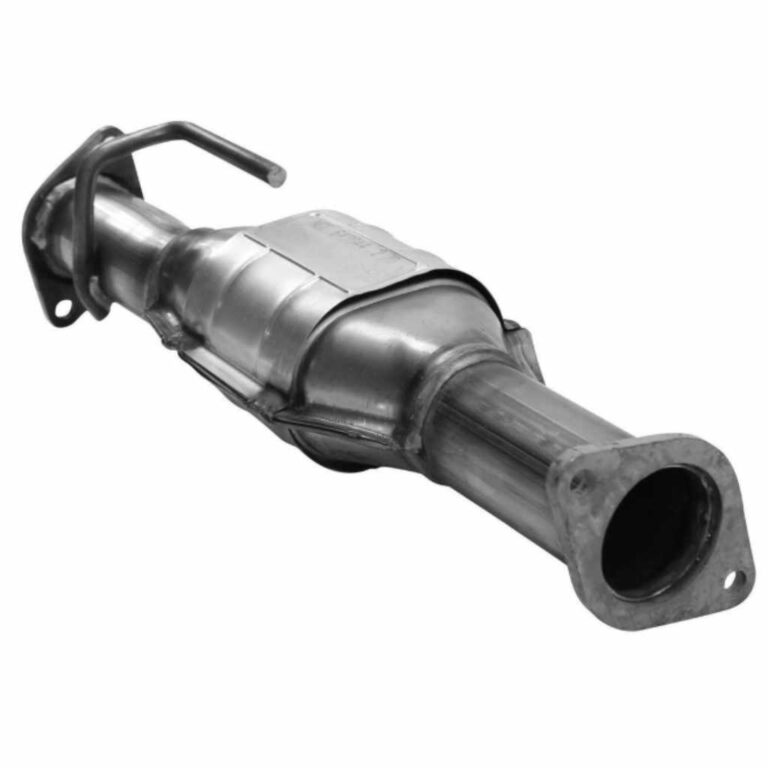
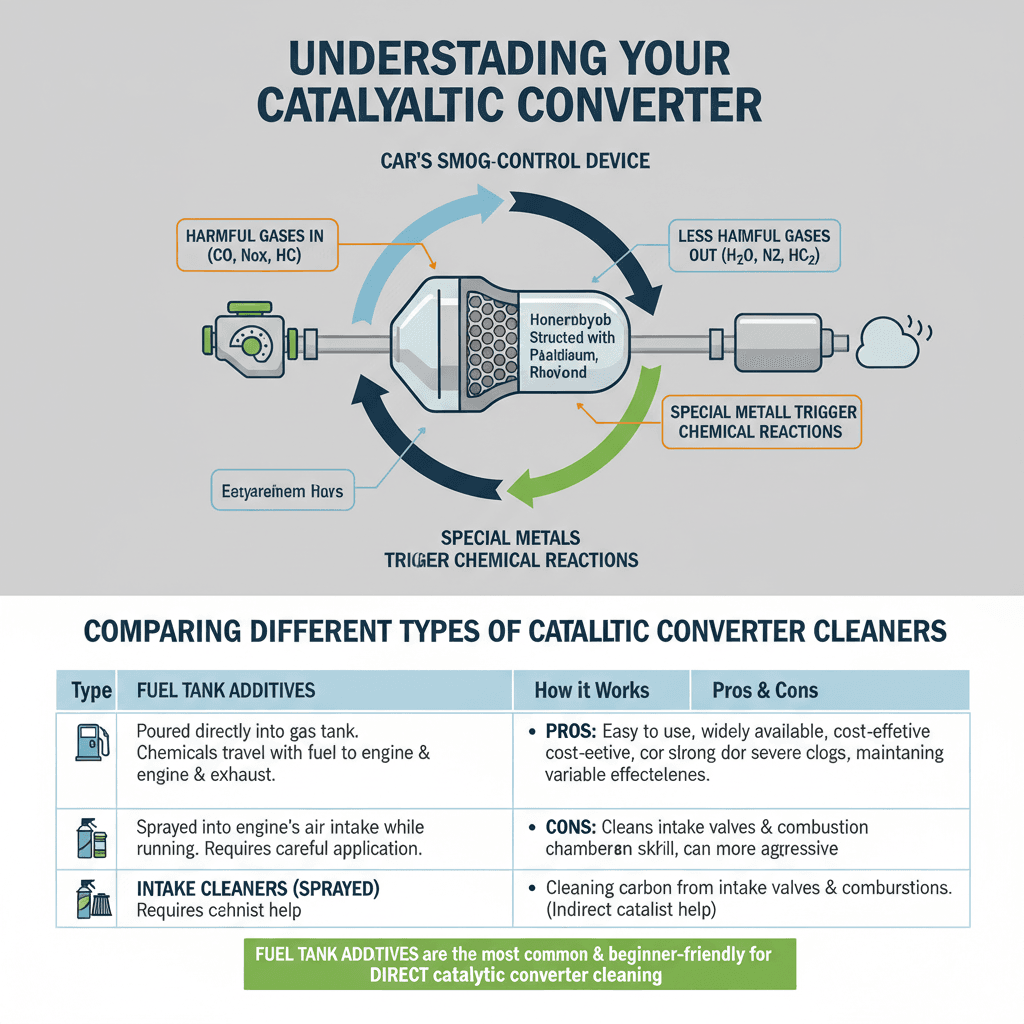
Before we talk about cleaners, let’s get a basic understanding of what a catalytic converter does. Think of it as your car’s smog-control device. It’s a metal canister, usually found under your car between the engine and the muffler, that contains a honeycomb-like structure coated with precious metals like platinum, palladium, and rhodium. When your engine burns fuel, it produces harmful gases like carbon monoxide, nitrogen oxides, and unburned hydrocarbons. As these gases pass through the catalytic converter, the special metals act as catalysts, triggering chemical reactions to convert these harmful gases into less harmful ones like water vapor, nitrogen, and carbon dioxide. It’s a pretty neat piece of engineering that helps keep our air cleaner!
Why Do Catalytic Converters Get Clogged?
Like any part of your car, catalytic converters aren’t immune to wear and tear, and they can become clogged over time. Several things can lead to this:
- Incomplete Combustion: If your engine isn’t burning fuel efficiently, unburned fuel can enter the exhaust system and burn inside the catalytic converter, leading to a buildup of carbon deposits. This can happen due to issues like faulty oxygen sensors, spark plugs, or ignition coils.
- Burning Oil or Coolant: If your engine is burning oil (indicated by blue smoke) or coolant (indicated by white smoke), these substances can coat the honeycomb structure inside the converter, restricting exhaust flow.
- Rich Fuel Mixture: Too much fuel and not enough air in the engine’s combustion creates a “rich” mixture. This excess fuel can overwhelm the converter, just like incomplete combustion.
- Engine Misfires: When a cylinder misfires, raw fuel can be dumped into the exhaust, potentially damaging and clogging the converter.
- Physical Damage: Catalytic converters are typically made of dense ceramic material. Rough terrain or impacts can physically break this material, leading to partial blockage from the broken pieces.
- Age and Mileage: Over many years and miles, the precious metal coatings can degrade, and the internal structure can become less effective or even break down.
Symptoms of a Clogged Catalytic Converter
Knowing the signs can save you a lot of trouble. Here’s what to look out for:
- Reduced Engine Performance: Your car might feel sluggish, have less power when accelerating, and generally feel weak.
- Poor Fuel Economy: A struggling engine works harder, meaning it burns more fuel. You might notice a significant drop in your miles per gallon.
- Check Engine Light: This is a common indicator. Modern cars have sensors that monitor exhaust gas flow. If they detect an issue, the “Check Engine” light will illuminate on your dashboard.
- Sulfur or Rotten Egg Smell: This is a classic sign. If your converter is struggling to process sulfur compounds in gasoline, you might notice a distinct smell, especially when the engine is hot.
- Misfiring Engine: As mentioned, a misfiring engine can contribute to converter clogs, and a clogged converter can also cause or worsen engine misfires.
- Difficulty Starting: In severe cases, a completely blocked converter can prevent exhaust gases from escaping, making it hard to start the engine.
What Are Catalytic Converter Cleaners?
Catalytic converter cleaners are chemical additives that you pour directly into your fuel tank. The idea is that as the gasoline mixes with the cleaner and is burned by the engine, the chemicals in the cleaner travel through the exhaust system, including the catalytic converter. These chemicals are designed to help break down or dissolve carbon deposits, soot, and other gunk that can accumulate on the internal surfaces of the converter. By cleaning out these obstructions, the aim is to restore proper exhaust flow and, in turn, improve engine performance and efficiency.
How Do They Work?
Most catalytic converter cleaners contain a blend of ingredients that work in different ways:
- Detergents: These help to lift and break apart carbon deposits and sludge.
- Solvents: These chemicals dissolve oil residues and other organic buildup.
- Lubricants: Some cleaners include additives that can help lubricate the fuel system components as the cleaner passes through.
- Combustion Improvers: Certain agents might aim to promote more complete combustion in the engine, reducing the amount of unburned fuel that reaches the exhaust.
When these chemicals flow through the catalytic converter, they interact with the buildup, making it easier for the exhaust gases to pass through the converter’s honeycomb structure. This process is intended to “regenerate” the converter’s effectiveness without needing to remove or replace it.
Are Catalytic Converter Cleaners Safe?
This is the million-dollar question! For the most part, yes, reputable catalytic converter cleaners are generally safe to use when applied as directed. They are designed to be consumed during the combustion process and pass through the exhaust system. However, “safe” comes with important caveats:
When Are They Safe?
- Reputable Brands: Stick to well-known brands that have been in the market for a while. These companies invest in research and development to ensure their products are effective and safe for modern vehicle components. If you see a cleaner from an obscure brand with outlandish claims, it’s best to be skeptical.
- Following Instructions Precisely: This is crucial. Cleaners are formulated for specific dosages. Using too much can be counterproductive and potentially harmful. Always use the amount recommended on the product label. This usually means adding one bottle to a full tank of gas.
- Using Them for Prevention or Minor Buildup: Catalytic converter cleaners are most effective when used as a preventative measure or to address very light carbon buildup and sludgy deposits. Regular use (e.g., every few thousand miles or as recommended by the manufacturer) can help maintain optimal performance.
- On Modern, Healthy Engines: They are generally safe for modern cars with well-maintained engines.
When Might They NOT Be Safe (or Effective)?
- Cracked or Physically Damaged Converters: If your catalytic converter has physically broken internal components or is cracked, a cleaner won’t fix that. In fact, the increased exhaust flow after a partial clean-out might even exacerbate issues caused by physical damage.
- Severe Clogging: If the converter is severely blocked with thickened sludge or melted materials due to prolonged engine issues (like burning oil or a severely rich fuel mixture), a cleaner might not be strong enough to dissolve the blockage.
- Using Excessive Amounts: Overdosing can lead to the cleaner’s chemicals creating a film or residue that exacerbates the problem, or it could potentially damage sensors or the converter itself.
- Using Cheap, Unbranded Products: Some lower-quality products may contain harsh chemicals that could potentially damage O2 sensors, the catalytic converter’s precious metal coating, or other exhaust components.
- If the Underlying Problem Isn’t Fixed: A cleaner is a temporary fix for symptoms, not a cure for the root cause. If your engine is misfiring, burning oil, or running rich, these issues will quickly re-clog the converter, rendering the cleaner’s benefits short-lived and potentially causing further damage.
For authoritative information on vehicle emissions and exhaust systems, you can refer to resources from the U.S. Environmental Protection Agency (EPA), which oversees emissions standards and technologies.
Benefits of Using Catalytic Converter Cleaners (When Safe)
When used correctly and for the right reasons, catalytic converter cleaners can offer several benefits:
- Improved Fuel Efficiency: A cleaner, more efficient converter allows the engine to run better, often leading to better gas mileage.
- Restored Performance: By removing restrictions, you might notice your car accelerating more smoothly and having its lost power back.
- Reduced Emissions: A properly functioning converter does a better job of cleaning exhaust gases, leading to lower emissions. This can be particularly helpful if you’re due for an emissions test.
- Preventative Maintenance: Regular use can help prevent minor carbon buildup from becoming a significant problem, extending the life of your catalytic converter.
- Cost-Effective Alternative: In some mild cases, a cleaner might help avoid the expensive cost of replacing a catalytic converter. A new catalytic converter can easily set you back hundreds or even thousands of dollars.
Potential Risks and Downsides
While generally safe, there are potential risks to be aware of before you pour that bottle into your tank:
- Ineffectiveness: The biggest downside is that they might simply not work for your specific problem, especially if the clog is severe or caused by physical damage.
- Masking Deeper Issues: A cleaner might improve performance slightly, giving you a false sense of security that the underlying engine problem has been resolved. This can lead to more significant and costly repairs down the line.
- Sensor Contamination: While rare with quality products, there’s a theoretical risk that some chemical residues could affect oxygen sensors (O2 sensors) or other emissions control components if the product isn’t formulated correctly or is used excessively.
- Temporary Fix: If the reason for the clog isn’t addressed (e.g., bad spark plugs, oil burning), the problem will return, and the cleaner will only provide a temporary improvement.
When to Avoid Catalytic Converter Cleaners and Seek Professional Help
Catalytic converter cleaners are not a magic bullet. There comes a point when mechanical diagnosis and repair are necessary. You should absolutely avoid relying solely on a cleaner and consult a mechanic if you experience any of the following:
- Persistent Check Engine Light: If the light stays on despite using a cleaner, or if it returns quickly, it’s time for a professional diagnosis. The code stored in your car’s computer will tell a mechanic exactly what’s wrong.
- Significant Loss of Power: If your car is extremely sluggish, can barely move, or the engine stalls, you likely have a severe blockage that a cleaner can’t fix. For example, a totally blocked converter can prevent your engine from running at all.
- Trouble Starting or Engine Stalling: These symptoms often indicate a serious exhaust restriction.
- Loud Noises from Exhaust: Rattling, hissing, or unusual sounds can point to physical damage within the converter or exhaust system.
- Visible Damage to Exhaust: Any dents, rust holes, or physical damage to the exhaust system should be inspected.
- Engine Burning Oil or Coolant: If you’re definitely burning oil or coolant, addressing this engine issue is paramount. Cleaners won’t help and can be overwhelmed by the contaminants.
- Failed Emissions Tests: If you’ve failed an emissions test, a cleaner might help, but it’s not a guaranteed fix, and a mechanic can pinpoint the exact cause.
A good mechanic has specialized tools like exhaust backpressure testers and scanners that can accurately diagnose issues with your catalytic converter and exhaust system. They can determine if it’s a minor clog fixable by a cleaner, a sensor issue, or if the converter itself needs replacement.
How to Use Catalytic Converter Cleaners Safely (Step-by-Step)
If you’ve decided a cleaner is right for your situation and you’ve chosen a reputable product, follow these steps for safe and effective use:
Step 1: Read the Product Label Carefully
This is the most critical step. Every cleaner is formulated differently. Pay close attention to:
- Dosage: How much to use per tank of gas.
- Frequency: How often it can be used. Some are for occasional use, others for regular maintenance.
- Instructions: Does it need to be added to a full tank? A near-empty tank?
- Warnings: Any specific precautions or vehicles it’s not recommended for.
Step 2: Ensure You Have the Right Amount of Fuel
Most cleaners require a certain amount of gasoline to be effective. Usually, this means adding the cleaner to a tank that is at least half-full, and ideally, a full tank of gas. Check the product instructions for specifics. Don’t use it on an empty tank!
Step 3: Add the Cleaner to Your Gas Tank
Simply unscrew the gas cap and pour the recommended amount of cleaner directly into the fuel tank. If the opening is narrow, you might use a funnel to avoid spills, though most bottles are designed to pour directly.
Step 4: Fill Your Tank with Gasoline
Once the cleaner is in, proceed to fill your fuel tank completely with gasoline. This helps to mix the cleaner thoroughly with the fuel.
Step 5: Drive Your Vehicle Normally
The cleaner works as you drive. There’s no special procedure needed. Just drive your car normally. For best results, some manufacturers recommend driving on the highway for a certain period (e.g., 15-20 minutes) to allow the engine to reach operating temperature and the exhaust system to get hot enough for the cleaner to work effectively. Others suggest a full tank’s use before refueling.
Step 6: Refuel as Usual
Once the tank with the cleaner is nearly empty, you can refuel as you normally would. If the product is designed for regular maintenance, you would repeat the process after a specified mileage interval.
Step 7: Monitor Your Vehicle
After using the cleaner, pay attention to your car’s performance. Notice if there’s any improvement in power, smoothness, or fuel economy. Also, keep an eye on your dashboard for any warning lights.
Comparing Different Types of Catalytic Converter Cleaners
The market offers a few different types of products aimed at cleaning the catalytic converter, though they all work by being introduced through the fuel system:
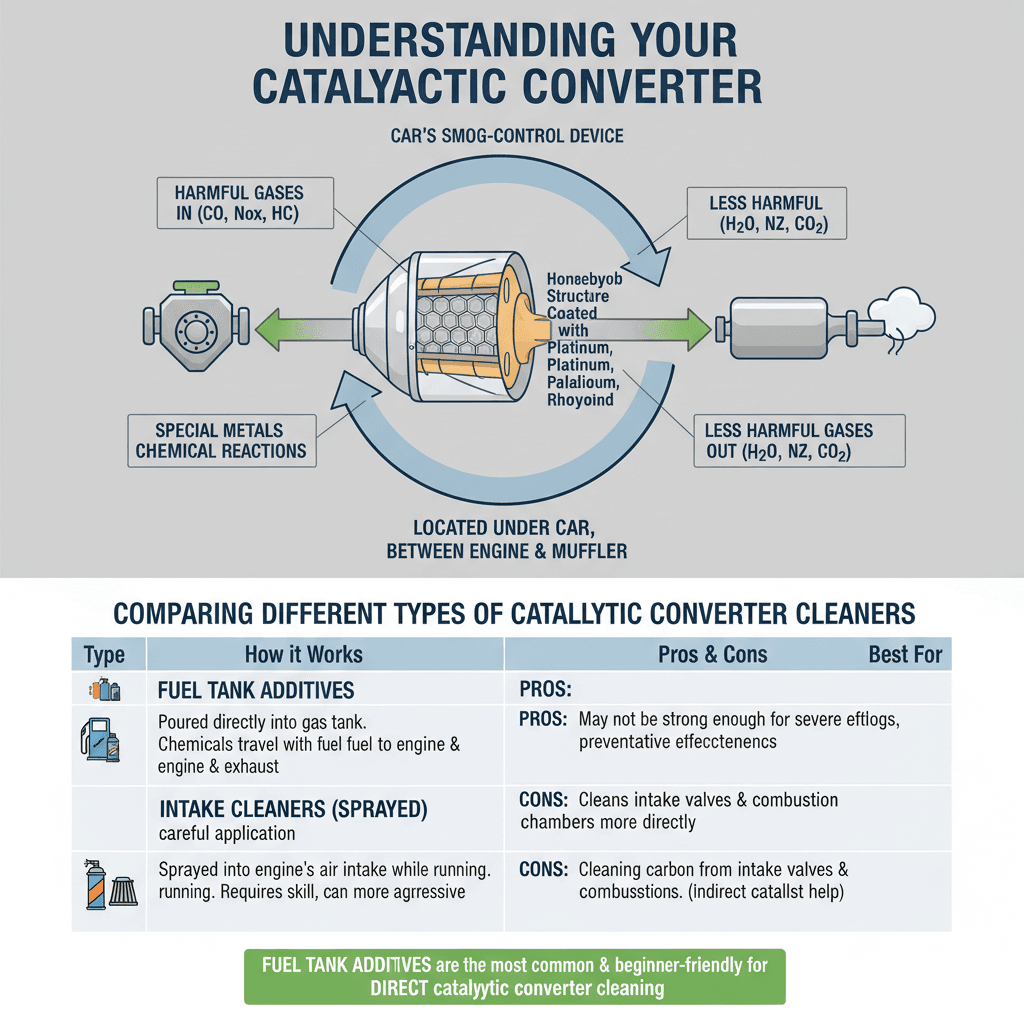
| Type | How it Works | Pros | Cons | Best For |
|---|---|---|---|---|
| Fuel Tank Additives | Poured directly into the gas tank with fuel. Chemicals travel with gasoline to the engine and exhaust. | Easy to use, widely available, often cost-effective, good for preventative maintenance. | May not be strong enough for severe clogs, effectiveness can vary by brand and formula. | Preventative maintenance, minor carbon buildup, maintaining optimal performance. |
| Intake Cleaners (Sprayed) | Sprayed into the engine’s air intake while the engine is running, often requiring careful application by a mechanic or experienced DIYer. | Can clean deposits more directly from intake valves and combustion chambers, potentially reaching the converter indirectly. | Requires more technical skill to apply correctly without stalling the engine or damaging components; can be more aggressive. | Cleaning carbon from intake valves and combustion chambers, which indirectly helps prevent converter clogs. (Less direct for catalyst cleaning itself). |
For the purpose of directly cleaning the catalytic converter, fuel tank additives are the most common and beginner-friendly option.
External Links for Further Reading
- U.S. Environmental Protection Agency (EPA) – Emission Control Systems: The EPA provides extensive information on vehicle emissions, catalytic converters, and the regulations surrounding them. Understanding these federal standards can offer valuable context on the importance of a functional catalytic converter. You can find information on their official website, epa.gov.
- National Institute for Automotive Service Excellence (ASE): ASE is a non-profit organization that tests and certifies automotive technicians. Their resources often provide insights into vehicle maintenance and repair best practices. While they may not sell products, their general guidance on exhaust systems is highly reliable.
Frequently Asked Questions (FAQ)
Q1: How often can I use a catalytic converter cleaner?
A: Most manufacturers recommend using a cleaner every 3,000 to 6,000 miles, or as part of a regular maintenance schedule, similar to an oil change interval. Always check the specific product’s label for recommended usage frequency. Overuse can be detrimental.
Q2: Will a catalytic converter cleaner pass my emissions test?
A catalytic converter cleaner might help, but it’s not a guaranteed fix for passing an emissions test. Here’s what you should know:
What it does: These cleaners are fuel additives designed to remove carbon deposits from the fuel system, combustion chambers, oxygen sensors, and sometimes the catalytic converter itself.
When it helps: If your car is failing emissions because of mild carbon buildup, dirty injectors, or slight efficiency loss in the converter, the cleaner may improve performance enough to pass.
When it won’t help: If your catalytic converter is already damaged, clogged, or chemically degraded, no cleaner will restore it—you’ll need a repair or replacement.
Timing matters: If you try a cleaner, run it through a full tank before the test, then drive the car long enough to let the catalytic converter reach full operating temperature.
So, a catalytic converter cleaner can sometimes help you pass emissions, but it’s not a reliable solution if the converter itself is failing.
Related pick: Check today's price on Amazon