Are Catalytic Converters Poisonous? Essential Facts
Are Catalytic Converters Poisonous? Essential Facts: Yes, the materials inside a catalytic converter can be harmful if ingested or improperly handled, particularly the precious metals like platinum, palladium, and rhodium, which are toxic in concentrated forms and can release harmful gases if the converter is damaged or burning. Proper disposal is crucial.
Hey there, car owners! Ever wondered about that bulky metal box tucked away in your car’s exhaust system? It’s called a catalytic converter, and while it does a super important job cleaning up your car’s emissions, you might have heard some whispers about it being, well, poisonous.
It’s a fair question, especially if you’re dealing with exhaust work or just curious about what’s under your ride. Don’t worry, we’ll break down exactly what you need to know in simple terms. We’ll cover what’s inside, why it matters for your health and the environment, and how to handle things safely. Stick around, and by the end of this, you’ll be an expert on catalytic converter safety!
What Exactly is a Catalytic Converter?
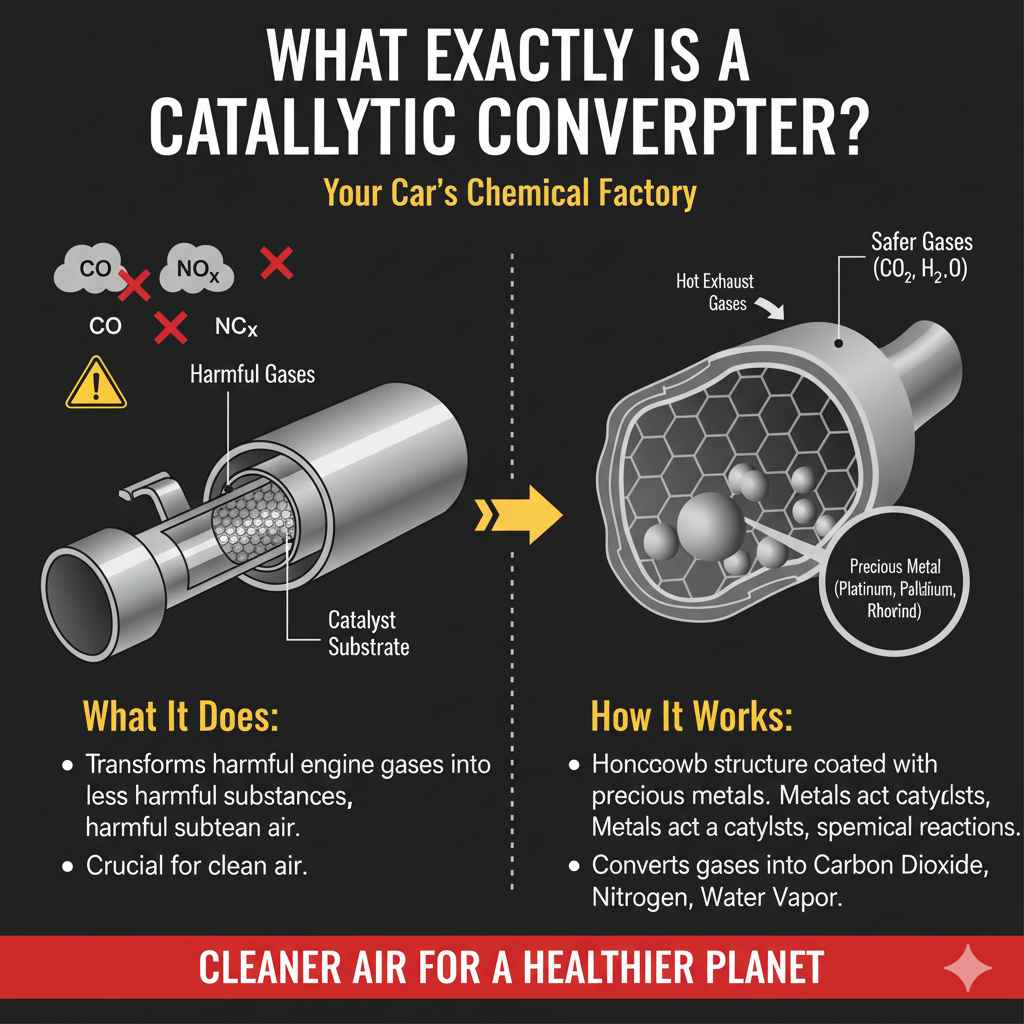
Think of your car’s catalytic converter as a tiny chemical factory working hard under your vehicle. Its main job is to take the harmful gases produced by your engine – like carbon monoxide, nitrogen oxides, and unburned hydrocarbons – and transform them into less harmful substances before they escape into the air. It’s a crucial part of your car’s emission control system, helping to keep our air cleaner.
This magic happens thanks to a honeycomb-like structure coated with precious metals. These metals, usually platinum, palladium, and rhodium, act as catalysts. They speed up chemical reactions without being used up themselves. When the hot exhaust gases flow over this coated surface, they react and change into safer gases like carbon dioxide, nitrogen, and water vapor.
The “Poisonous” Question: What’s Inside?
The concern about catalytic converters being poisonous comes from their internal components and the byproducts they deal with. It’s not that the entire converter is a toxic bomb waiting to explode, but certain elements and conditions can pose risks.
Precious Metals: The Core of the Converter
The primary concern regarding toxicity revolves around the precious metals used: platinum, palladium, and rhodium. While incredibly valuable and effective at their job, these metals, especially in concentrated forms or as fine dust, can be hazardous.
- Platinum: Can cause respiratory irritation and skin sensitization (allergies) upon prolonged exposure or inhalation of fine particles.
- Palladium: Similar to platinum, it can be an irritant. In powdered form, it’s a recognized health hazard.
- Rhodium: Also a potential irritant. While less common in general exposure discussions, it’s treated with caution in industrial settings.
Other Materials and Potential Hazards
Beyond the precious metals, several other components and conditions are worth noting:
- Ceramic Honeycomb: The structure itself is usually made of ceramic. While not inherently toxic, inhaling ceramic dust from a damaged converter could be harmful to the lungs.
- Metal Casing: The outer shell is typically stainless steel. This is generally safe but can become very hot.
- Soot and Carbon Deposits: Over time, the converter can accumulate soot and carbon. If a converter is severely damaged or overheated, these deposits could potentially combust, releasing smoke and irritants.
- Heavy Metals: Older converters and those in vehicles that haven’t been maintained well might contain trace amounts of other heavy metals that could be harmful.
When Can a Catalytic Converter Be Harmful?
Under normal operating conditions and when intact, a catalytic converter is not a direct poisoning risk. The harmful substances are contained and transformed. The risks arise in specific scenarios:
- Damage and Fragmentation: If the honeycomb structure inside breaks apart, it can create fine dust. Inhaling this dust, especially the metal filings, can be harmful.
- Overheating: A malfunctioning engine can cause the catalytic converter to overheat severely. This can lead to the release of noxious fumes and even internal combustion of the accumulated materials, causing smoke and further toxic emissions.
- Improper Handling and Disposal: Scrap metal dealers and mechanics need to handle old or damaged converters carefully. If they are cut open without proper precautions, dust and residues can become airborne. Improper disposal in landfills can also lead to environmental contamination over long periods.
- Direct Contact with Internal Materials: While unlikely for the average car owner, direct contact with the internal catalyst washcoat (the dusty material on the honeycomb) or broken ceramic pieces should be avoided without protection.
Understanding the Environmental Impact
While focusing on immediate health risks, it’s also vital to consider the environmental aspect. Catalytic converters are a massive environmental success story for reducing air pollution. Before their widespread adoption, vehicles were major contributors to smog and respiratory illnesses in urban areas. However, when they fail or are improperly disposed of, they can become a source of concern.
The precious metals themselves are valuable resources that should be recycled. Many automotive recycling centers specialize in recovering these metals from old converters. This not only prevents potential environmental leakage but also reduces the need for further mining, which has its own environmental costs. Organizations like the U.S. Environmental Protection Agency (EPA) provide extensive information on vehicle emissions and control technologies, highlighting the vital role of converters.
DIY Safety and Handling Tips
If your job involves working on or around catalytic converters, or if you’re curious about their maintenance, safety is paramount. As Monowar Shohag, I always emphasize caution and the right precautions.
Essential Safety Gear
Before you get close to a catalytic converter, especially if it’s being removed or is damaged, always wear the appropriate personal protective equipment (PPE).
- Gloves: Heavy-duty work gloves to protect your hands from sharp edges and potential irritants.
- Eye Protection: Safety glasses or goggles to prevent dust or debris from entering your eyes.
- Respirator/Mask: A N95-rated respirator or dust mask is crucial if there’s any chance of inhaling dust from the converter’s interior.
- Protective Clothing: Long sleeves and pants to prevent skin contact and protect from heat or debris.
Safe Handling Practices
- Work in a Well-Ventilated Area: Never work on exhaust systems in an enclosed space without proper ventilation.
- Allow to Cool: Catalytic converters get extremely hot. Always let the exhaust system cool down completely before touching it.
- Avoid Creating Dust: If the converter is broken, try to handle it with minimal disturbance to avoid releasing fine particles into the air.
- Proper Storage: If you need to store a removed converter, keep it in a sealed bag or container to prevent any dust or residue from escaping.
When to Call a Professional
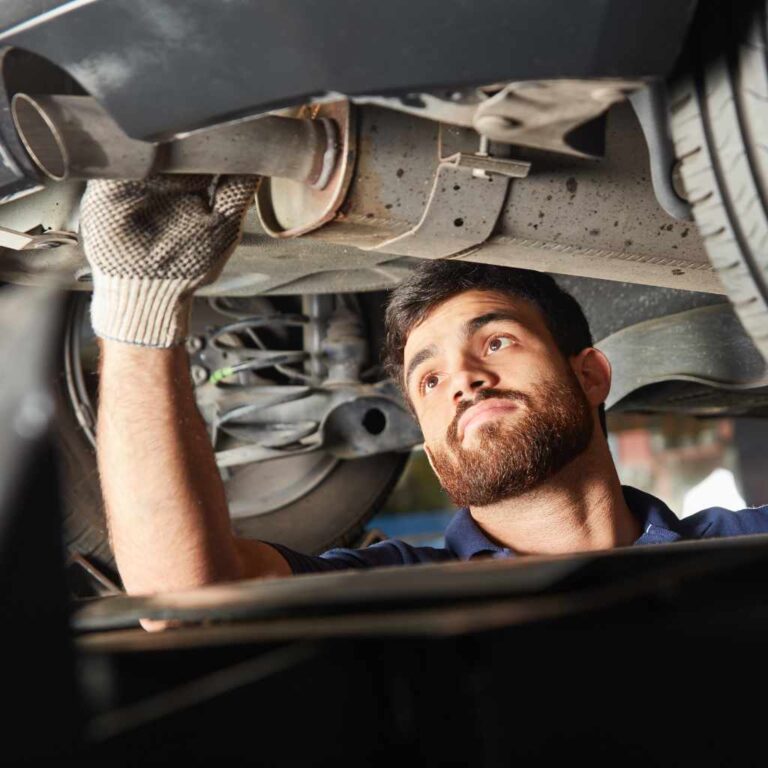
While some exhaust repairs are DIY-friendly, catalytic converter replacement or significant work is often best left to experienced mechanics. They have the tools, knowledge, and safety protocols to handle these components correctly. If you suspect your catalytic converter is failing, making strange noises, or has been damaged, consult a trusted auto repair shop.
Catalytic Converter Health: Pros and Cons
Let’s break down the “toxicity” of catalytic converters by looking at their benefits versus potential risks.
Pros (Why They Are Essential)
- Reduced Air Pollution: Dramatically cut down on harmful exhaust gases, making the air cleaner.
- Environmental Compliance: Required by law in most regions to meet emissions standards and pass inspections.
- Quieter Operation: They can also contribute to muffling exhaust noise slightly.
- Improved Engine Performance (Indirectly): A functioning converter ensures your engine runs efficiently by managing combustion byproducts.
Cons (Potential Hazards)
- Toxic Materials (Internal): Precious metals and ceramic dust can be harmful if inhaled or ingested.
- Risk of Overheating: Malfunctions can lead to extreme temperatures and fumes.
- Theft Target: Due to precious metal content, they are targets for theft, which can cause damage to the vehicle.
- Disposal Concerns: Require proper handling to avoid environmental contamination.
Catalytic Converter Materials and Their Toxicity: A Closer Look
To really understand the “poisonous” aspect, let’s dive a bit deeper into the materials themselves and where the risks lie.
The Washcoat and Precious Metals
The actual catalytic material isn’t just the metals; it’s a mixture. The honeycomb structure is coated with a “washcoat,” typically aluminum oxide (alumina). This porous layer vastly increases the surface area. Embedded within this washcoat are the precious metals: platinum, palladium, and rhodium. These are the active components that perform the chemical conversions.
Exposure risks come from:
- Inhalation of dust: If the ceramic honeycomb or the washcoat crumbles, fine particles containing these metals can become airborne.
- Ingestion: Though highly unlikely in everyday scenarios, direct ingestion of these materials would be harmful.
Heavy Metal Contamination
While modern converters are very clean, older vehicles or those with specific fuel additives might have trace amounts of other heavy metals. For instance, leaded gasoline, which was phased out for passenger cars decades ago, caused lead compounds to coat the catalysts, rendering them useless and creating a significant hazardous waste problem. Modern unleaded fuels are designed to be compatible with catalytic converters.
It’s also worth noting that if a converter is clogged or failing, it can cause a buildup of carbon in the exhaust system. While carbon itself isn’t acutely poisonous in this context, it’s a sign of poor combustion and inefficient operation.
Handling Different Types of Catalytic Converters
While the basic function is the same, there can be slight differences in construction and potential hazards depending on the vehicle type.
Passenger Cars vs. Heavy-Duty Vehicles
Catalytic converters in passenger cars are designed for gasoline engines. Heavy-duty vehicles (trucks, buses) often use diesel engines, which have different emission control systems. Diesel oxidation catalysts (DOCs) work similarly to gasoline converters but handle different emissions. They might contain different active metals or formulations, but the general safety principles regarding dust and handling remain similar.
New vs. Used vs. Damaged Converters
- New Converters: These are sealed and inert. No direct risk unless packaging is compromised and you handle the product.
- Used (Functional) Converters: Still contain active materials. Handle with care during removal and transfer, assuming some dust might be present.
- Damaged Converters: This is where the highest risk is. The honeycomb structure may be broken, leading to dust. These should be handled with maximum PPE and minimal disturbance.
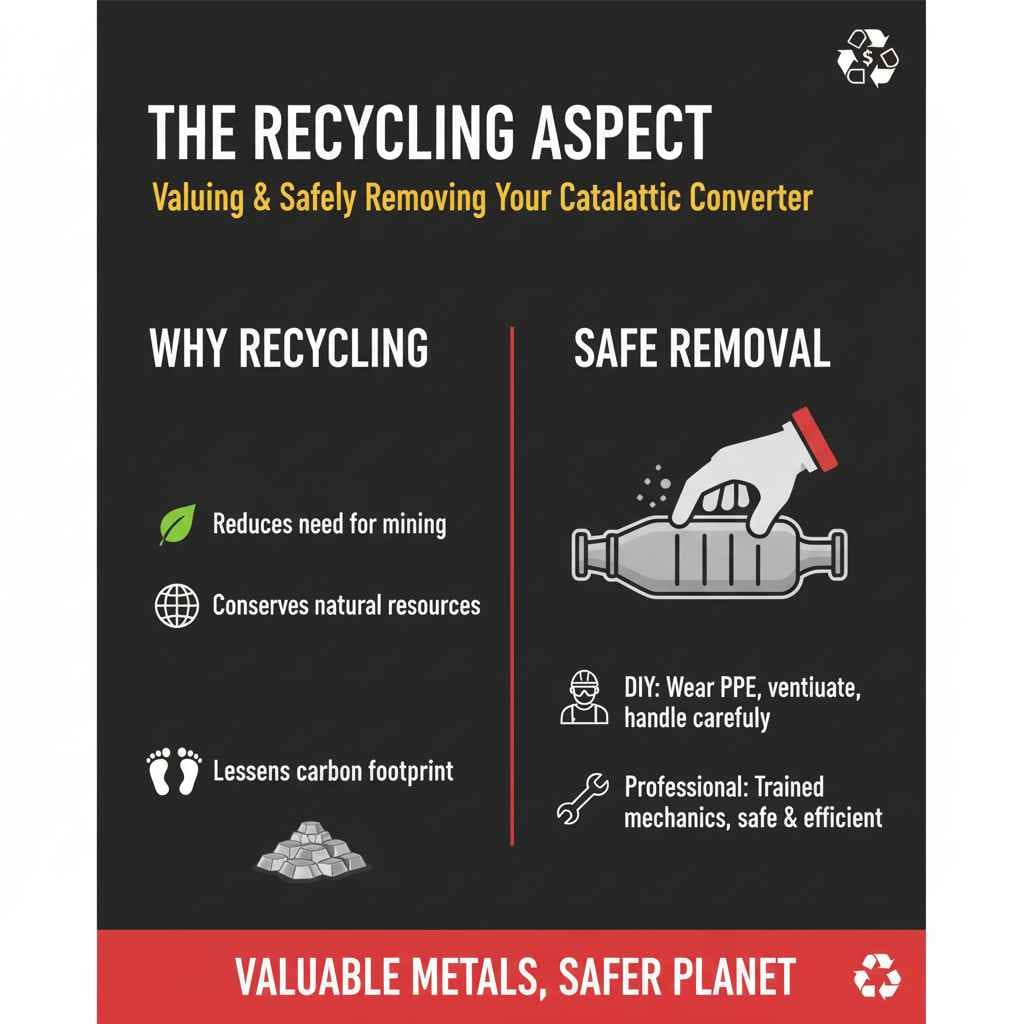
The Recycling Aspect: Valuing andsafely removing
Given the precious metals inside, catalytic converters are highly valuable in the scrap metal market. This has led to a rise in theft, but it also means efficient recycling is a significant industry. Reputable recyclers have specific processes to capture and extract these metals safely and effectively.
Why Recycling Matters
Recycling precious metals reduces the need for extensive mining operations, which can be environmentally destructive. It conserves natural resources and lessens the carbon footprint associated with extracting new materials.
Safe Removal for Recycling
If you’re removing a catalytic converter yourself for recycling, follow the safety tips mentioned earlier: wear PPE, work in a ventilated area, and handle it carefully to avoid creating and spreading dust. For professional removal, mechanics are trained to do this safely and efficiently.
Frequently Asked Questions (FAQ)
Q1: Is it safe to drive with a broken catalytic converter?
Answer: Driving with a broken catalytic converter is generally not recommended. It can lead to decreased engine performance, strange noises, a burning smell, and increased emissions of harmful pollutants. While not an immediate poisoning risk from the converter itself, the resulting fumes can be unhealthy, and the vehicle might not pass emissions tests.
Q2: Can touching a catalytic converter cause poisoning?
Answer: Direct skin contact with a healthy, intact catalytic converter is unlikely to cause poisoning. However, if the converter is damaged and has released dust, or if you handle the internal materials directly, it could cause skin irritation. Always wear gloves and avoid prolonged contact.
Q3: What happens if a child or pet ingests catalytic converter material?
<
Answer: Ingestion of catalytic converter material, especially the dust containing precious metals or ceramic, would be harmful and should be treated as a medical emergency. Contact poison control or seek immediate medical attention. This is why proper handling and secure storage are crucial.
Q4: How do I know if my catalytic converter is failing?
Answer: Signs of a failing catalytic converter include a check engine light, reduced engine performance, poor acceleration, increased fuel consumption, a rotten egg smell (sulfur), and rattling noises from underneath the car. If you notice these symptoms, get your vehicle inspected by a mechanic.
Q5: Are there any “universal” catalytic converters?
Answer: Yes, there are universal converters available, but they need to be matched to your vehicle’s engine size and emissions requirements. They are often a more affordable option than direct-fit replacements but can be more challenging to install correctly. Always ensure compatibility or consult a professional.
Q6: What is the value of a catalytic converter for scrap?
Answer: The value of a catalytic converter for scrap depends heavily on the vehicle it came from and the current market price of precious metals like platinum, palladium, and rhodium. Some can be worth over $100, while others might only fetch $15-$20. Specialized scrap yards can provide estimates.
Conclusion
So, to bring it all together: are catalytic converters poisonous? The answer is nuanced. While the intact unit in your car isn’t a direct health threat under normal operations, the precious metals and ceramic components inside can be harmful if inhaled as dust or ingested. The real risks emerge when a converter is damaged, overheated, or handled improperly during removal or disposal.
Your catalytic converter is a hero for our environment, silently working to make our air cleaner. Understanding its composition and how to handle it safely, especially if you’re doing any DIY exhaust work, is key. Always prioritize safety by using the right protective gear and working in well-ventilated areas. When in doubt, a qualified mechanic is your best bet. By being informed and cautious, you can ensure your vehicle’s exhaust system is both functional and safe for you, your family, and the planet.