Are Duramax Catalytic Converters Worth Essential
Are Duramax Catalytic Converters Worth Essential? Yes, for nearly all street-driven vehicles, the catalytic converter is essential. It cleans harmful exhaust gases to meet clean air standards, ensuring legal operation, engine health, and protecting the environment. While off-road racing bypasses this, daily driving requires a functioning converter.
If you own a Duramax diesel, you know these trucks are tough. They are built for pulling power and long hauls. Sometimes, folks wonder if the factory catalytic converter is really necessary. It seems like another part that can clog up or restrict performance, right?
It’s frustrating when you hear about performance gains from removing it. But what about the rules? What about your truck’s health? Don’t worry; we are going to break this down simply. You do not need to be a master mechanic to understand this important part. We will look at what the converter does, why people remove them, and if keeping it (or replacing it properly) is worth the trouble for your everyday driving needs. Let’s get everything clear so you can make the best choice for your Duramax!
What Exactly Is a Catalytic Converter in a Duramax?
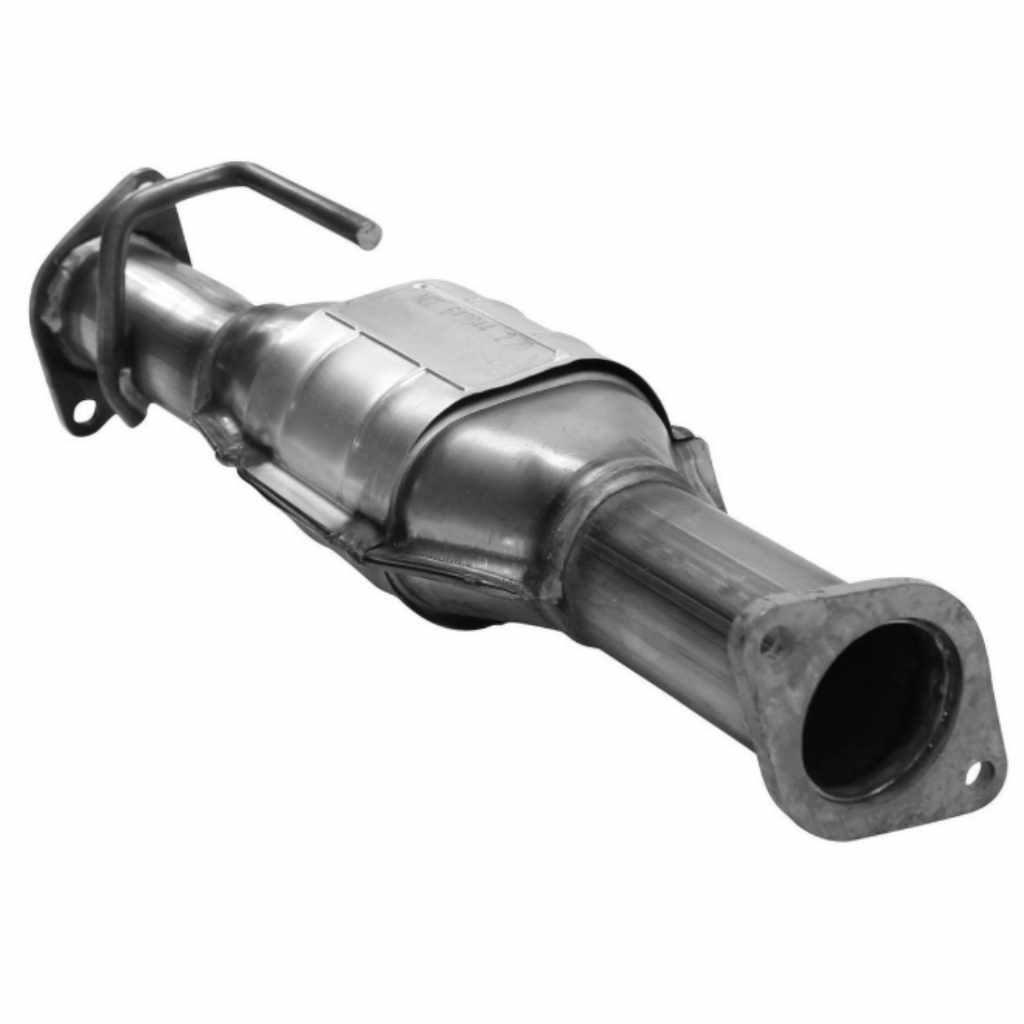
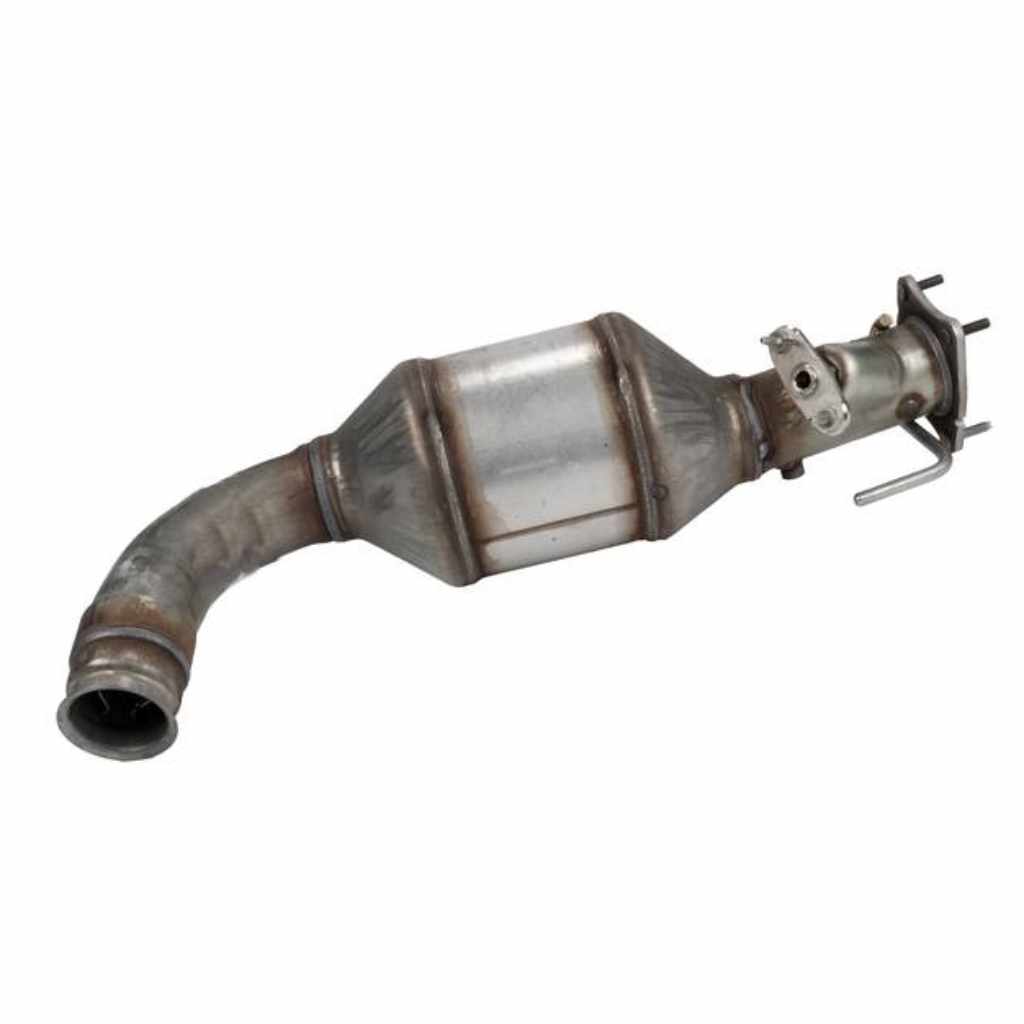
Think of the catalytic converter as the unsung hero of your Duramax’s exhaust system. It doesn’t add horsepower; its job is much more important for the world outside your truck.
The Diesel Difference: DPF vs. Catalytic Converter
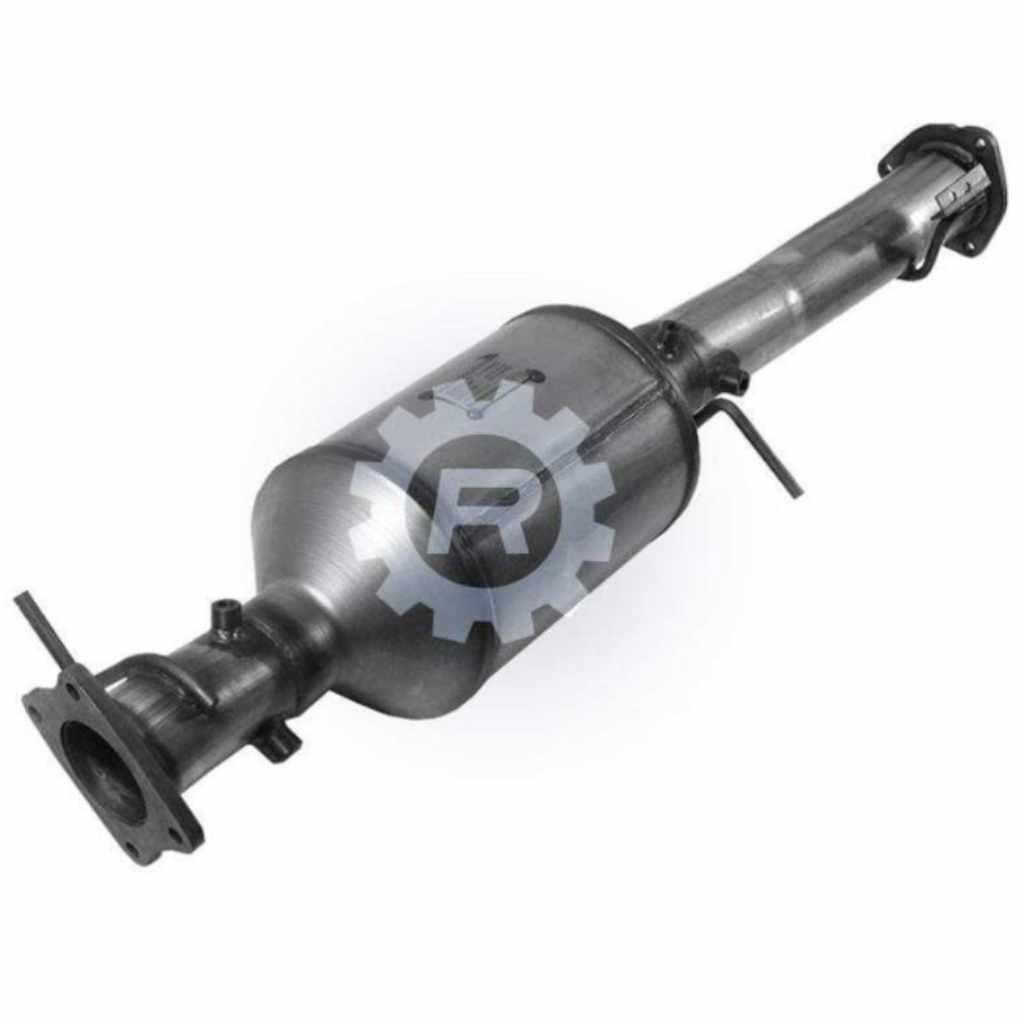
Modern diesel trucks, especially those made after recent EPA standards (like 2007.5 and newer Duramax LMM, LML, or L5P models), actually have two key emission control devices. It’s vital not to confuse them:
- Diesel Oxidation Catalyst (DOC): This is similar to the gasoline engine’s catalytic converter. It handles carbon monoxide (CO) and hydrocarbons (HC).
- Diesel Particulate Filter (DPF): This component traps the visible soot (particulate matter) that makes diesel exhaust smoky.
When people talk about “deleting” or removing emissions equipment on modern diesels, they usually mean removing both the DPF and the DOC/Catalytic Converter system. For older Duramax trucks (pre-2007), the system is simpler, focusing mostly on the traditional catalytic converter designed to reduce toxic gases.
How the Catalyst Cleans Your Exhaust
The magic happens inside the converter. It’s packed with precious metals—like platinum, palladium, and rhodium—that act as catalysts. These metals cause chemical reactions without being used up themselves.
When the exhaust gases pass over these elements, they convert harmful pollutants into less harmful substances:
- Carbon Monoxide (CO) becomes Carbon Dioxide (CO2).
- Unburnt Hydrocarbons (HC) become water vapor and CO2.
- Nitrogen Oxides (NOx) are reduced to Nitrogen (N2) and Oxygen (O2).
This process is essential for meeting federal and state air quality standards. To learn more about the standards these systems must meet, you can check resources from the U.S. Environmental Protection Agency (EPA) regarding vehicle emissions.
Why People Ask If Duramax Converters Are “Worth It” (The Arguments for Removal)
The main reason owners consider removing the catalytic converter or the entire emission system boils down to a few perceived benefits. If you’re tuning your truck for competition or heavy, specialized use, these factors matter.
Performance Myths vs. Reality
The primary driver for modification is the idea of more power. A clogged or inefficient converter can restrict exhaust flow. This restriction causes back pressure, making the engine work harder to push spent gases out.
- Reduced Back Pressure: Removing it instantly decreases exhaust restriction. This allows the turbocharger to spin up faster and might give a slight “seat-of-the-pants” perceived performance bump, especially on older, less sophisticated engines.
- Lower EGTs (Exhaust Gas Temperatures): In heavily tuned trucks running high fuel rates, better exhaust flow can help management temperatures, which is crucial for engine longevity under extreme load.
Fuel Economy Concerns
Some owners believe that by removing restriction, the engine doesn’t have to burn as much fuel to maintain speed. While a minor improvement might be seen under very specific, easy-driving conditions, for most people, the actual improvement due to converter removal is negligible compared to proper tuning and maintenance.
Cost and Replacement Hassle
OEM (Original Equipment Manufacturer) catalytic converters are expensive—often costing hundreds or even thousands of dollars to replace if they fail. If an older Duramax converter fails, some owners look at the high price tag and decide deleting it is cheaper.
The Hard Truth: Are Duramax Converters Essential? (The Risks of Removal)
For 99% of Duramax owners who drive on public roads, the answer is a resounding yes, they are essential. Removing or “deleting” these components leads to immediate legal, environmental, and mechanical consequences.
1. Legal Ramifications: It’s Probably Illegal
This is the biggest hurdle for most everyday owners. In the United States, tampering with or removing federally mandated emissions control equipment is illegal under the Clean Air Act. It violates federal law, which is enforced by the EPA and state-level environmental agencies (like the California Air Resources Board, or CARB).
What does this mean for you?
- Fines: You can face substantial fines if caught tampering (especially in states with strict inspection programs).
- Inspection Failures: Your truck will fail basic safety/emissions inspections required for registration renewal.
- Warranties: Tampering instantly voids any remaining powertrain or emissions warranty on your truck, even if the issue isn’t related to the exhaust.
The legality often hinges on your state. For example, some states follow EPA guidelines strictly, while others have looser inspection rules, but the federal law remains against removal unless the vehicle is strictly for competition use.
2. Engine Management Nightmares (Especially Modern Diesels)
Modern Duramax engines rely heavily on sensors before and after the emission devices to ensure efficient operation. If you remove the DOC or DPF:
- Check Engine Light (CEL): Your Powertrain Control Module (PCM) immediately detects the missing component (via oxygen sensors or back-pressure sensors). The Check Engine Light will stay on, often triggering “limp mode,” where the truck severely restricts power.
- Tuning Required: To run without failure codes, you must install an aftermarket “tuner” or “delete tune” to reprogram the computer to ignore the missing parts. This tuning itself is often illegal for street use.
For a beginner, jumping into electronic tuning just to keep the CEL off is complicated, expensive, and risky. It requires specialized knowledge that goes beyond simple maintenance.
3. Environmental Impact and Liability
While diesels are different from gasoline cars, they still produce significant pollution. The catalytic converter significantly reduces hazardous emissions. Choosing removal means you are purposely increasing the pollution output of your vehicle, which impacts local air quality.
4. Increased Risks for Your Engine
While many assume removal boosts engine life, the opposite can often be true, especially with modern systems:
- DPF Regeneration Issues: If you only remove the DPF but don’t tune properly, the truck may constantly try to enter a cleaning cycle (regeneration) because it can’t sense the required exhaust conditions, leading to excessive fuel usage and potentially overheating components.
- Soot Buildup: Without the full system working to manage gases, soot management can become erratic over time, impacting long-term component health.
Comparing Duramax Converter Solutions: Keep, Repair, or Replace?
If your factory converter is restricted or failing, you have several paths forward. Understanding the purpose of each option helps determine what is “worth it” for your situation.
Option 1: Keeping and Maintaining the Factory Converter
For street-driven Duramax trucks, maintaining the factory setup—DOC and DPF—is the safest, most legal, and often most reliable long-term choice, provided you drive it correctly.
When is the factory converter worth it?
- You drive primarily on roads and highways.
- You don’t want to deal with tuning or legal risks.
- Your truck is still under any applicable warranty.
- You perform regular maintenance (like proper DPF regeneration cycles for modern diesels).
Option 2: Replacing a Failed Converter with an OEM or EPA-Compliant Aftermarket Part
If your converter is physically damaged or the catalyst has failed (often indicated by strange smells or poor fuel economy), replacement is necessary.
Pros: Fully legal, restores factory efficiency, no tuning required.
Cons: High cost for OEM parts.
You can often source high-quality, EPA-certified aftermarket catalytic converters that meet performance standards without the high dealer price tag. Do your research here to ensure the replacement meets your local emission standards—never buy a “not for street use” converter for daily driving.
Option 3: Installing a High-Flow or Racing Converter (The Middle Ground)
Some performance shops offer “high-flow” catalytic converters. These use less dense catalyst material or different internal structures to reduce back pressure slightly compared to stock, while still converting most pollutants.
| Option | Legality (Street Use) | Cost Factor | Performance Impact | Best For |
|---|---|---|---|---|
| OEM Replacement | Fully Legal | Very High ($$$$) | Near Stock | Warranty protection; daily drivers |
| EPA Aftermarket | Legal (Check State) | Medium ($$$) | Near Stock to Minor Improvement | Cost-effective legal repair |
| High-Flow Unit | Varies (Often Questionable) | Medium-High ($$$) | Slight Flow Improvement | Mild street/strip use; buyers beware |
Even high-flow units walk a fine line regarding legality. They still contain catalysts, but their effectiveness might be slightly lower or they might not be certified for the density required in strict states.
Option 4: Removal/Delete (The Off-Road/Competition Route)
As discussed, this means completely removing the DOC/DPF system and reprogramming the computer via a specialized tune.
When might this be “worth it”?
- The vehicle is strictly used for closed-course competition (racing only).
- The truck is retired from street use entirely and lives on a farm or private property (consult local laws regarding this interpretation).
If your goal is maximum power and you do not care about street legality or emissions, removal offers the maximum exhaust flow improvement. However, for the typical Duramax owner, this is strongly discouraged.
Troubleshooting: Recognizing a Bad Duramax Converter
Before you spend money, make sure the catalytic converter is actually the problem. A sluggish Duramax often has other issues causing performance loss.
Common Symptoms of a Failing Converter/DOC
If your converter is plugged up or the catalysts have degraded, you might notice:
- Reduced Power Under Load: The truck feels weak, especially when accelerating hard onto a highway.
- Smell of Sulfur (Rotten Eggs): This classic sign means the converter is struggling to process hydrogen sulfide, often related to engine combustion problems.
- Exhaust Obstruction: A very high pitch or loud noise sometimes indicates internal collapse of the honeycomb structure inside the converter, blocking flow.
- Check Engine Light: Codes related to catalytic efficiency (like P0420 or P0430 on gasoline engines, or specific DOC/DPF efficiency codes on diesels).
- Overheating Converter: In extreme blockage cases, the converter body itself can glow red hot or cause extremely high exhaust gas temperatures behind it.
Diagnostic Steps for Beginners
Don’t assume the converter is the culprit immediately. Follow this safe diagnostic path:
- Scan Codes: Use an OBD-II scanner (even an inexpensive Bluetooth one linked to smartphone apps works for basic codes) to read what the computer is saying. This guides the diagnosis.
- Check Fuel System Integrity: Bad injectors or a weak fuel pump can cause the engine to run too rich, which damages the converter over time. Ensuring you have clean, reliable fuel is crucial.
- Inspect Sensors: Ensure your upstream and downstream oxygen sensors (or equivalent pressure sensors on a modern diesel) are reading correctly. Bad sensors can trigger false efficiency warnings.
If you use a tool like a pressure gauge to measure the difference in pressure before and after the catalytic unit while the engine is running, you can confirm a blockage. High pressure drop equals restriction, meaning the converter may need replacement.
Real-World Considerations for Modern Duramax Emission Systems
If you have a 2007.5 or newer Duramax, your concern isn’t just the converter (DOC), but heavily involves the DPF. Understanding how the DPF works helps you decide if retaining the stock equipment is worth the hassle.
DPF Maintenance and “Regeneration”
The DPF collects soot. To clean it, the truck must go through a DPF regeneration cycle, where exhaust temperatures are raised to burn off the soot, turning it into ash.
If you only drive short trips, the DPF can clog permanently because the truck never reaches the necessary temperature to clean itself.
If you notice frequent DPF light-ups or high exhaust temperatures, the issue might be maintenance, not component failure. Regular highway driving (30+ minutes at speed) is often enough to allow passive regeneration.
For official guidance on maintaining diesel emission systems, the Occupational Safety and Health Administration (OSHA) often references the need to control harmful exhaust exposure, reinforcing the purpose of these systems.
Frequently Asked Questions (FAQ) About Duramax Catalytic Converters
Q1: Can I legally remove the catalytic converter on my Duramax?
A: For street-driven vehicles, no. Removing or tampering with federally mandated emission control equipment is generally illegal under the U.S. Clean Air Act and can result in fines. It is only legal for specialized racing or competition vehicles.
Q2: Will removing the converter increase my fuel economy?
A: You might see a tiny, almost unnoticeable gain in fuel economy because of slightly reduced back pressure. However, this small gain is usually lost because you usually need an aftermarket tune to prevent the check engine light, which often negatively impacts real-world efficiency.
Q3: My Check Engine Light is on. Does that mean the converter is bad?
A: Not always. The light usually means the downstream sensors detect that the converter is not working efficiently enough. It could be a bad sensor, a leak in the exhaust, or a genuine failure of the catalyst material itself. You need a professional scan to confirm the exact code.
Q4: How much does a Duramax catalytic converter replacement cost?
A: Costs vary widely based on the model year. OEM replacements can run from $1,500 to over $3,500 for modern systems (especially if the DPF is bundled). Quality aftermarket, EPA-certified converters are significantly cheaper, often falling in the $500 to $1,200 range.
Q5: If I delete the system, how do I stop the Check Engine Light?
A: You must install a custom engine calibration (a “delete tune”) using an aftermarket programmer device. This software change tells the truck’s computer (PCM) to ignore the readings from the sensors that monitored the missing equipment. This tuning is strictly for off-road use.
Q6: Does a failing catalytic converter affect my truck’s performance immediately?
A: Yes. If the ceramic honeycomb structure breaks or melts, it creates a blockage, leading to power loss, surging, and high exhaust gas temperatures. This usually happens slowly over time unless the engine is running extremely rich due to other failures.
Q7: Which Duramax years have the most complex emission systems?
A: Generally, Duramax trucks from 2007.5 onward (LMM, LML, L5P) have the most complex systems because they combine the DOC (catalytic converter) with the DPF and often an Exhaust Gas Recirculation (EGR) system, requiring more complex monitoring.