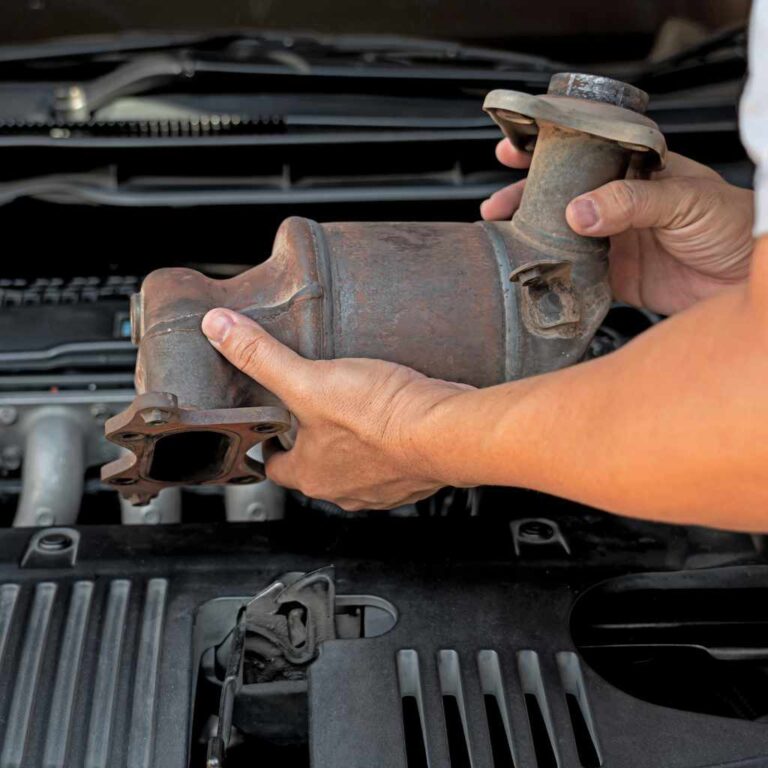
Are Catalytic Converters Traceable

Are Catalytic Converters Traceable? Proven Facts

Catalytic converters are not directly traceable by VIN or serial number like stolen phones, but they are significantly traceable through unique markings, theft databases, and the precious metals they contain. Professional recyclers and law enforcement use specialized methods to track stolen catalytic converters.

Are Catalytic Converters Traceable? Proven Facts for Car Owners

If you own a car, you’ve probably worried about unexpected theft and repair bills. Catalytic converters are a big target for thieves because they hold valuable metals like platinum and rhodium. This leaves many car owners wondering: are catalytic converters traceable if mine gets stolen?

It’s confusing, and the answer isn’t a simple yes or no. You might feel helpless after a theft, but understanding how these parts are tracked can make a big difference in protecting your vehicle and helping recover stolen property. I’m Monowar Shohag, and I want to show you exactly how law enforcement and recyclers track these vital exhaust components. We will break down the facts simply, so you gain confidence in protecting your ride.

Let’s dive into the different ways these parts are linked to specific vehicles and how thieves try to hide their tracks.

Why Catalytic Converters Are Stolen So Often

Before we talk about traceability, it helps to know why these parts are so popular with criminals. It comes down to simple supply and demand, driven by precious metal prices. Think of your catalytic converter as a small, hidden gold mine.

  • Precious Metal Content: Converters contain small amounts of rare and expensive metals: platinum, palladium, and rhodium. When the market prices for these metals spike, theft increases.
  • Ease of Access: They are bolted onto the exhaust system underneath the car, making them relatively easy for criminals to quickly saw off, even on modern vehicles.
  • High Resale Value: Scrap yards pay cash for these units because they can extract the valuable materials, creating a fast, illicit income stream.
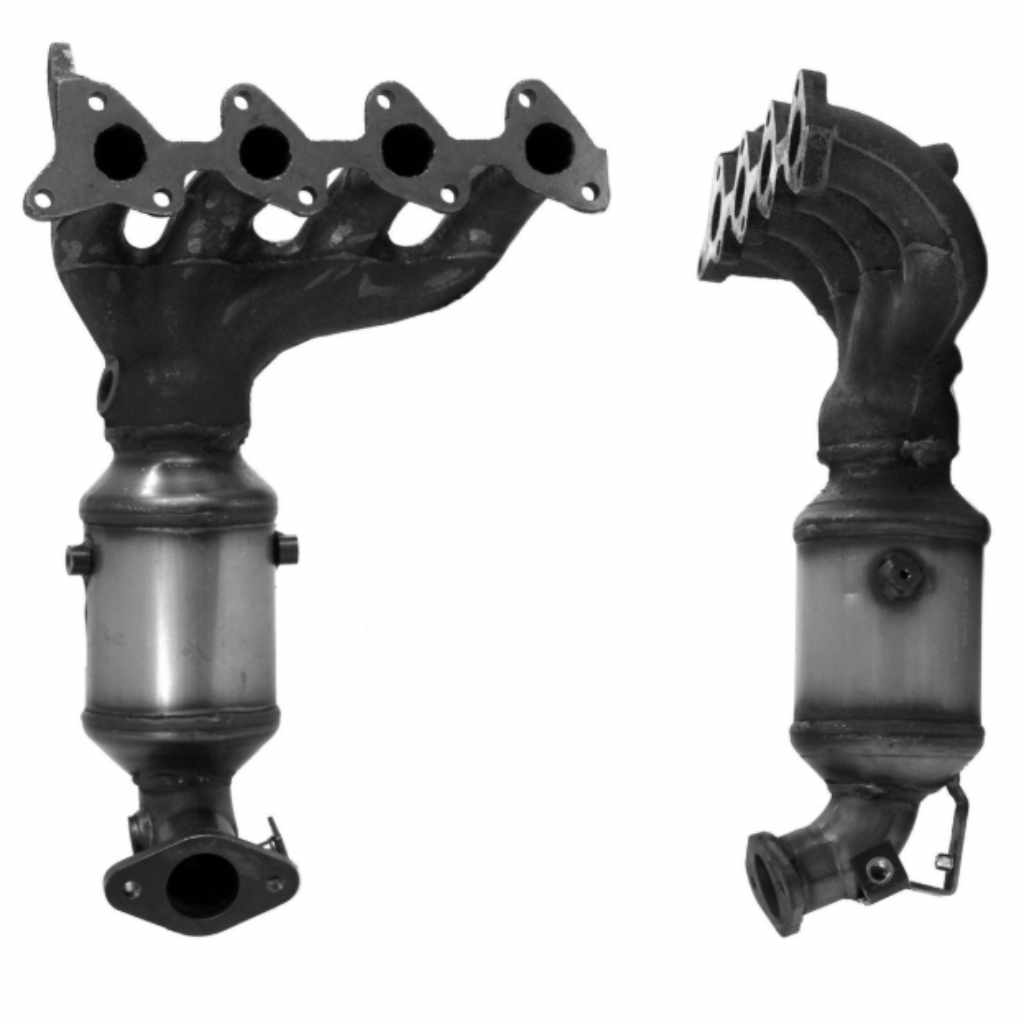
Why Catalytic Converters Are Stolen So Often

Expand your knowledge about Catalytic Converters with this article. Are Catalytic Converters Restrictive? Proven Drain

The Big Question: Are Catalytic Converters Traceable Directly?

When most people ask if a catalytic converter is traceable, they are usually asking if there is a hidden GPS tracker or a direct link, like a Vehicle Identification Number (VIN), stamped on it that connects it immediately to your specific car.

Direct VIN Stamping: Not Always Present

For many years, manufacturers did not stamp the VIN directly onto every single catalytic converter. This lack of a universal VIN stamp made tracking incredibly difficult for law enforcement.

However, the industry is slowly moving toward better tracking. Some newer domestic and imported vehicles are now coming from the factory with certain identifying markings. It’s important to check your specific model, but generally, you shouldn’t rely solely on finding a VIN under the car.

Serial Numbers and Part Numbers

Every legitimate catalytic converter has a unique part number molded or stamped onto its metal casing. These numbers tell recyclers and mechanics exactly what vehicle make, model, and year the converter belongs to.

If a converter shows up at a legitimate recycler, they use these numbers to verify its history. Because thieves often sell to unregulated buyers, these numbers are frequently ignored by the criminal element, but they are crucial for legitimate resale and inventory tracking.

Proven Traceability Methods Used by Authorities and Recyclers

Traceability doesn’t rely only on a large, obvious VIN. Authorities and honest businesses use a combination of markings, databases, and chemical analysis to trace these components back to their source.

1. Etching and Engraving Programs (The Best Deterrent)

One of the most effective modern methods involves using specialized kits to permanently mark the converter casing. These systems are voluntary programs supported by local law enforcement and industry groups.

How Etching Works:

  1. Application: A theft-deterrent epoxy, often containing microscopic, traceable identifiers (like a unique DNA code specific to the vehicle owner or VIN), is applied to the converter.
  2. Permanence: This etch is nearly impossible to remove without completely destroying the converter shell, making it worthless on the legal scrap market.
  3. Deterrence: Thieves avoid vehicles marked this way because the coating makes the unit traceable back to the original theft report.

If you live in an area with high theft rates, check with your local police department or a national program endorsed by agencies like the Department of Justice to see if marking services are available for your car. The National Highway Traffic Safety Administration (NHTSA) often promotes vehicle security measures, including these identification programs.

Find out more about Catalytic Converters by exploring this related topic. Are Duramax Catalytic Converters Retricing? Proven Fixes

2. Specialized “Secret” Markings and Audits

Many manufacturers employ proprietary, hard-to-see markings that act as batch identifiers. While thieves might not notice them, experienced scrap yard operators or investigators can find them under specific lighting or through chemical testing.

When police suspect a large cache of stolen converters, they often bring in experts who can use forensic tools to identify these subtle manufacturer-specific marks that correspond to seized vehicle parts inventory.

3. Scrap Yard Reporting and Regulation

This is where the system truly works to catch thieves. In many states and cities, scrap metal yards are required to follow strict “precious metal transaction laws.”

These laws force recyclers to keep detailed records, which is the primary way stolen converters are traced back into the system. Here is what a legitimate recycler must do:

RequirementPurpose
Photo/Video DocumentationCapture the complete unit, noting any unique markings or damage.
Seller IdentificationRequire government-issued ID from the person selling the converter.
VIN Recording (Often Required)Record the VIN from the vehicle the converter allegedly came from (if provided by the seller).
Holding PeriodHold the retrieved converter for a mandated period (e.g., 30 to 90 days) before processing, allowing police time to check stolen reports.

If an unlicensed or shady buyer purchases a converter, this step is bypassed. This is why working with reputable facilities is crucial for community safety.
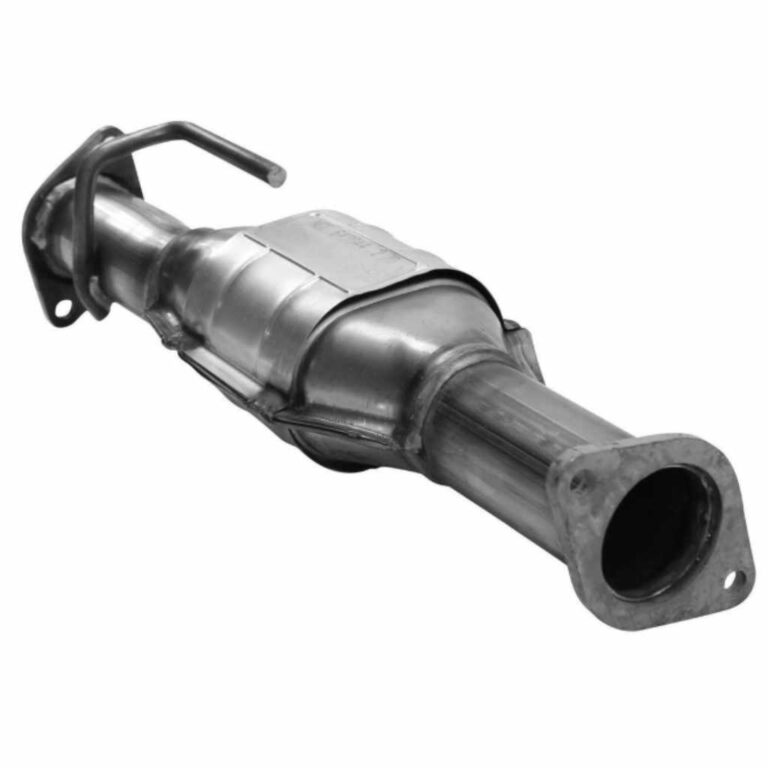
4. Chemical Fingerprinting (Rhodium Signatures)

This is one of the most fascinating and precise methods of traceability, used primarily after a large-scale bust.

The specific catalyst materials inside a catalytic converter (especially the precious metals) are mined from various geographic locations around the world. These locations have slightly different mineral compositions. Manufacturers use specific blends for specific models.

Forensic laboratories can perform X-ray fluorescence (XRF) analysis on the metal washcoat inside the converter. This chemical signature acts like an environmental fingerprint. If police find a large haul of converters and the records show a specific set of cars were just stolen, the chemical signature can often prove that the found parts match the missing parts from those specific vehicles.

Curious about Catalytic Converters? We've got more info in this linked article. Are High Flow Catalytic Converters Legal In California? Essential

How Thieves Try to Defeat Traceability

Thieves are smart, and they know about the tracking methods. Their main goal is to turn the converter into cash as quickly as possible, usually before the owner even notices it’s gone.

  • Rapid Disposal: They aim to sell the converter within hours of theft to buyers who do not ask questions and pay cash instantly.
  • Stripping the Markings: If they know a vehicle has an engraved tracking code, they might use abrasive tools to grind off the outer layer of the casing, hoping to remove the evidence. However, this is time-consuming and often leaves obvious grinding marks that look suspicious to legitimate buyers.
  • Targeting Older Vehicles: Converters from older cars (pre-2000s) often have less robust tracking or identification methods, making them a slightly safer target for less sophisticated thieves.

Beginner’s Guide: Protecting Your Converter from Theft

Since direct traceability relies heavily on external marking systems, the best defense is making your converter a “hard target.” Acting proactively builds confidence because you control the security measures.

Step-by-Step Protection Strategies

  1. Install a Cat Shield or Cage: This is a physical barrier installed around the converter. It’s usually made of sturdy, high-grade aluminum or stainless steel. A thief needs specialized tools and significantly more time (often several extra minutes) to get through this shield, which is usually enough time to scare them off.
  2. Use Etching Services: If available in your region, pay the small fee to have your converter marked with traceable identification fluid or smart etching.
  3. Park Smart: Whenever possible, park your vehicle in a well-lit, high-traffic area, or ideally, inside a locked garage. Thieves prefer working in the dark where they won’t be observed.
  4. Install Alarm Upgrades: Some newer vehicle alarms can detect sudden changes in the vehicle’s pitch or level (which happens when the car is jacked up) or even seismic activity (vibration from sawing). Check if your alarm system has tilt sensitivity.
  5. Document Everything: Take clear photos of the underside of your vehicle periodically, especially near the exhaust system. Knowing what your original converter looks like will help investigators immensely if theft occurs.
Protecting Your Converter from Theft

Need to understand more about Catalytic Converters? This post might help you. Are Honda Civic Catalytic Converters Stolen? Essential Guide

Frequently Asked Questions (FAQ) About Catalytic Converter Traceability

Q1: Can the police track a stolen catalytic converter using my license plate number?

A: No, the license plate is linked to the vehicle, not the exhaust part. The police connect the stolen converter to your car only if it has clear identifying marks (like an etching or VIN imprint) that match the report you filed.

Q2: If a mechanic finds a used converter, how do they know it’s not stolen?

A: Legitimate mechanics and recyclers usually check the part number against industry standards. If they are a registered dealer, they often have to report large purchases to local authorities. If the part is visibly scraped, aggressively tampered with, or doesn’t have clear markings, reputable shops will refuse to buy it.

Q3: Do thieves care if the converter has a serial number or etching?

A: Yes, they care, but they take risks. Thieves usually sell to “cash-for-metal” buyers who don’t follow the law. If a converter is heavily etched or covered in a proprietary security coating, the thief might have to discard it or sell it very cheaply, making the theft not worth the effort.

Q4: Is it true that some converters have “DNA” marking fluid on them?

A: Yes, this is true in many high-theft areas. This fluid contains microscopic synthetic DNA that is unique to your vehicle registration or VIN. If the converter is recovered, lab tests can confirm the fluid matches your vehicle’s registration database entry, making the trace definitive.

Q5: How can I tell if my catalytic converter has factory markings?

A: You usually need to crawl under the car safely (use jack stands!) or have a mechanic inspect it. Look for stamps, molded numbers (the OEM part number), or small labels near the body of the unit. If you have an etching kit, you’ll see the fluorescent or visible security code applied to the outside.

Q6: If my converter is stolen, what is the first thing I should do?

A: First, ensure your car hasn’t moved and call the police to file a report immediately. Be ready to describe the make, model, and year of your vehicle. Then, contact your insurance company to check your comprehensive coverage. Providing the police report number is mandatory for any insurance claim.

The Lifespan of a Stolen Converter in the Scrap Chain

Understanding how long a stolen converter stays “hot” helps emphasize why quick action after theft report matters for traceability.

Traceability Timeframe Comparison (Estimates)

ScenarioEstimated Time Before ProcessingTraceability Likelihood
Legitimate, Licensed Recycler30–90 Days (Mandatory Hold Period)High (Due to documentation)
Shady/Unlicensed Buyer1–24 HoursVery Low (Buyer destroys evidence)
Converter with Heavy EtchingIndefinite (Thief may discard it immediately)Medium-High (If found later, etching remains)

The biggest obstacle police face is the speed at which illegal operations can melt down or ship the raw materials overseas, making the original converter untraceable. This is why preventative marking is so important—it makes the part worthless before the thief gets a chance to sell it.

Curious about Catalytic Converters? We've got more info in this linked article. Are Jeep Wrangler Catalytic Converters Stolen: Essential Risks

Connecting Theft Reports to Recovery Efforts

Traceability isn’t just about finding your part; it’s about connecting multiple thefts to single criminal operations. Law enforcement agencies often work across jurisdictions by cross-referencing stolen reports with suspect buying activity.

When multiple converters are reported stolen in a short time frame with specific part numbers, investigators start looking for patterns. They monitor scrap yards known for lax regulations. If a yard suddenly brings in dozens of high-value, untraceable but intact converters, enforcement agencies might execute a search warrant based on the suspicion that these parts were illegally sourced.

Your detailed report—including the make, model, and especially any aftermarket security measures you’ve installed—gives officers the necessary data points to build a larger case against organized theft rings. You become a data point in a larger traceability network.

Conclusion: Gaining Confidence in Exhaust Security

So, are catalytic converters traceable? Yes, modern tracking methods, especially forensic chemical analysis and robust etching programs, make them traceable in the hands of honest recyclers or when recovered by law enforcement.

However, traceability is not automatic. It depends heavily on proactive steps you take, like installing shields and marking your property. If a thief manages to bypass your physical security and sells the part quickly to an unregulated buyer, direct traceability drops significantly.

As your automotive guide, my goal is to give you actionable steps. Don’t just worry about the problem; address it. By investing a little time and money into protective measures—like those excellent cat shields—you actively shift the risk away from yourself and toward the thief. Keep your vehicle components secure, stay informed about local protective programs, and confidently drive knowing you’ve done the best to protect your ride.

Similar Posts