Are Catalytic Converters A Law In VA: Essential Guide
Yes, catalytic converters are a legal requirement in Virginia for most gasoline-powered vehicles. Virginia follows federal emissions standards, which mandate the use of catalytic converters to control harmful exhaust pollutants. Failure to have a functioning catalytic converter can result in failed emissions inspections and legal penalties.
Navigating car maintenance can feel like a puzzle, especially when regulations are involved. If you’re a car owner in Virginia, you might be wondering, “Are catalytic converters a law in VA?” It’s a common question, and understanding the rules can save you headaches and potential fines. The good news is, we’re here to break it down in a way that’s easy to understand. We’ll cover what the law says, why it’s important, and what you need to know to keep your vehicle compliant and running smoothly.
Understanding Catalytic Converters and Virginia Law
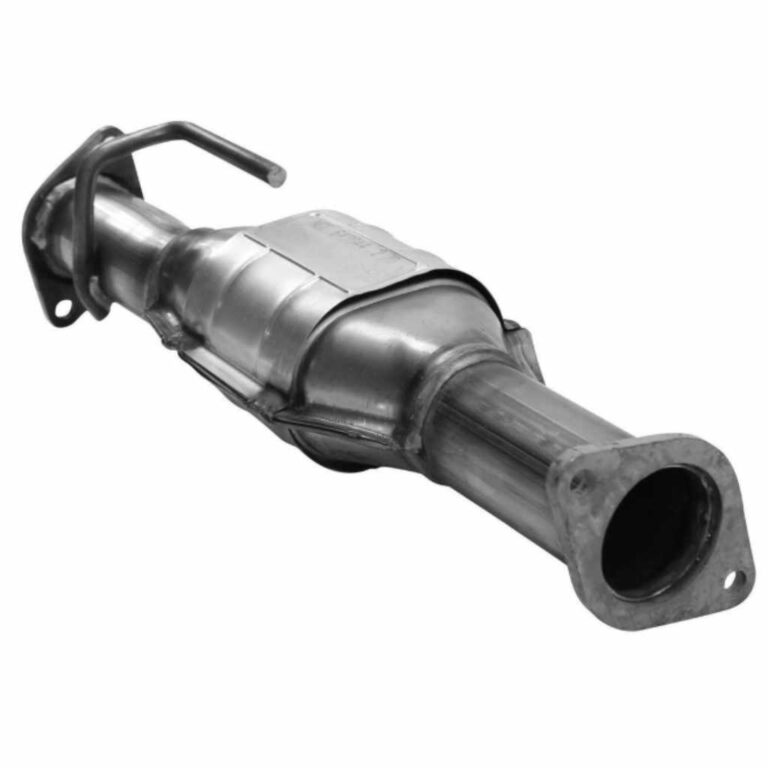
At its heart, a catalytic converter is a crucial part of your car’s exhaust system. Its main job is to clean up the fumes your engine produces before they go out into the air. Think of it as a filter, but one that uses special metals to chemically change harmful gases into less harmful ones. In Virginia, like in many other states, this isn’t just a suggestion—it’s mandated by law.
Why Are Catalytic Converters Required in Virginia?
Virginia adheres to federal Clean Air Act standards. These standards aim to reduce air pollution, which is essential for public health and the environment. Catalytic converters are a key technology for meeting these standards. Here’s why they are so important:
- Reducing Harmful Emissions: They convert toxic gases like carbon monoxide (CO), nitrogen oxides (NOx), and unburnt hydrocarbons (HC) into less harmful substances such as carbon dioxide (CO2), nitrogen (N2), and water (H2O).
- Improving Air Quality: By reducing these pollutants, catalytic converters play a significant role in preventing smog and respiratory problems.
- Vehicle Inspection Requirements: Virginia requires most vehicles to pass an emissions inspection. A missing or non-functional catalytic converter will prevent a vehicle from passing this inspection. This is enforced through the state’s vehicle inspection program. You can find more details about Virginia’s vehicle emissions inspection program on the Virginia Department of Environmental Quality (DEQ) website.

Federal Standards and State Compliance
The U.S. Environmental Protection Agency (EPA) sets the baseline for vehicle emissions. Since 1975, all new gasoline-powered vehicles sold in the United States have been required to have catalytic converters. States like Virginia implement these federal mandates through their own regulations and inspection programs. This means that even though Virginia has its own specific laws, they are all designed to meet or exceed the federal Clean Air Act requirements. The EPA’s Green Vehicles page offers more information on these standards.
Virginia’s Specific Requirements for Catalytic Converters
In Virginia, the law isn’t just about having a catalytic converter; it’s about having one that is functional and meeting emission standards. Here’s a closer look at what you need to know:
Vehicle Emissions Inspections in VA
Virginia has two types of vehicle inspections: a safety inspection and an emissions inspection. The emissions inspection is where catalytic converters come into play.
- Who Needs an Emissions Inspection? Most gasoline-powered passenger vehicles and light trucks. There are some exceptions, such as older vehicles (typically 25 years or older, though this age can change annually based on model year), electric vehicles, and certain types of heavy-duty vehicles. It’s important to check the current exemption rules.
- What Happens During the Inspection? A mechanic will use specialized equipment to measure the pollutants in your exhaust. They will also visually inspect the exhaust system, including the catalytic converter, to ensure it’s present, intact, and not tampered with.
- Passing vs. Failing:
If your vehicle emits too many pollutants or has a missing/damaged catalytic converter, it will fail the emissions inspection. You’ll receive a rejection sticker and have a limited time to make repairs and re-inspect.
Tampering Prohibitions
It is illegal in Virginia (and federally) to remove or tamper with a catalytic converter unless it’s being replaced with a new, compliant one. This is to prevent drivers from disabling the emission control system. You cannot legally drive a vehicle without a catalytic converter, even if it’s not causing any immediate performance issues.
Aftermarket Catalytic Converters
If your catalytic converter needs replacement, you have options. However, you must ensure any replacement unit is EPA-certified and meets California Air Resources Board (CARB) standards if your vehicle is registered in certain areas or requires them. For most of Virginia, EPA-certified aftermarket converters are sufficient. Using a non-certified or universal converter might lead to inspection failure or not effectively reduce emissions.
Consequences of Not Having a Functioning Catalytic Converter in VA
Ignoring the catalytic converter requirement in Virginia can lead to several undesirable outcomes:
Failed Emissions Inspections
As mentioned, this is the most immediate consequence. A failed inspection means you can’t get your registration renewed, and you’ll need to spend money on repairs to pass and get back on the road legally. The average cost to repair issues related to a catalytic converter can vary, but it’s often more affordable than dealing with legal fines.
Legal Penalties and Fines
Virginia law, in line with federal regulations, imposes penalties for tampering with or removing emissions control devices like catalytic converters. These penalties can include:
- Fines: You could face significant fines for driving a vehicle without a necessary emissions control system.
- Vehicle Impoundment: In some extreme cases, or for repeat offenses, law enforcement might have the authority to impound your vehicle.
- Inability to Register Your Vehicle: Without passing emissions, you cannot legally register your vehicle, rendering it unusable if you need to drive it regularly.
Environmental Impact
Beyond the legal and mechanical issues, there’s the environmental aspect. Catalytic converters significantly reduce the amount of harmful pollutants released into the atmosphere. Driving without one contributes to air pollution, which has negative impacts on public health and ecosystems.
A Quick Look at the Law: Catalytic Converters in VA
Here’s a simple table summarizing key points about catalytic converter laws in Virginia:
| Aspect | Virginia Law Details |
|---|---|
| Requirement | Mandatory for most gasoline-powered vehicles to meet federal emissions standards. |
| Purpose | Emission control, converting harmful gases to less harmful ones. |
| Enforcement | Through Virginia’s biennial emissions inspection program. |
| Consequences of Non-Compliance | Failed inspections, fines, inability to register vehicle, potential impoundment. |
| Tampering | Illegal to remove or tamper with a catalytic converter. |
| Replacement Parts | Must be EPA-certified; CARB-certified may be required in some situations. |
Maintaining Your Catalytic Converter for Compliance and Performance
Preventing issues with your catalytic converter is the best approach. Regular maintenance can help ensure it functions correctly and you remain compliant with Virginia law.
Signs of a Failing Catalytic Converter
Your car will usually give you some hints if the catalytic converter is acting up:
- Reduced Engine Performance: You might notice a significant loss of power, especially when accelerating.
- Check Engine Light: This is the most common indicator. Modern cars have oxygen sensors that monitor the catalytic converter’s efficiency. If it’s not working well, the check engine light will illuminate.
- Rotten Egg Smell: A sulfurous or “rotten egg” smell coming from your exhaust is often a sign that the catalytic converter is overheating or malfunctioning.
- Failed Emissions Test: As we’ve discussed, this is a direct sign something is wrong.
- Rattling Noises: If the internal honeycomb structure of the converter breaks down, you might hear rattling sounds from underneath your car.
Tips for Maintaining Your Exhaust System
Good maintenance practices for your vehicle’s exhaust system can prolong the life of your catalytic converter:
- Regular Inspections: Have your exhaust system checked during routine maintenance appointments. Look for signs of rust, damage, or leaks.
- Fix Engine Misfires Promptly: Unburnt fuel entering the exhaust can overheat and damage the catalytic converter. Address any engine misfires immediately.
- Use the Right Fuel: While less common now, using leaded gasoline can quickly destroy a catalytic converter. Ensure you are using the correct octane rating for your vehicle and avoid additives that aren’t recommended by your manufacturer.
- Address Leaks: Exhaust leaks before the catalytic converter can affect its performance and efficiency.
When to Replace Your Catalytic Converter
If your catalytic converter is diagnosed as faulty, replacement is usually necessary. It’s not typically a repairable part; it’s an assembly that needs to be swapped out. When choosing a replacement, consider:
- EPA-Certified Parts: Ensure the replacement is certified by the EPA for use in your state.
- Professional Installation: While some DIY mechanics might attempt this, it’s often best left to a qualified mechanic. Proper installation ensures no leaks and correct fitment.
- Cost: Catalytic converters can be expensive due to the precious metals (like platinum, palladium, and rhodium) they contain. Get quotes from a couple of reputable shops.
DIY vs. Professional Help for Catalytic Converter Issues
When it comes to catalytic converters, whether you’re dealing with a potential problem or a planned maintenance, knowing when to tackle it yourself versus calling a pro is key.
Can I Diagnose a Bad Catalytic Converter Myself?
For beginners, diagnosing a catalytic converter issue might be challenging. You can look for the obvious signs like the check engine light or unusual smells. However, definitively proving the converter is faulty usually requires specialized diagnostic tools that most home mechanics don’t have. For example, a mechanic will likely use a scan tool to read error codes (like P0420, which commonly indicates catalyst system efficiency below threshold) and may perform back pressure tests to confirm a blockage.