Are Catalytic Converters Restrictive? Proven Drain
Catalytic converters are designed to clean exhaust gases, not restrict flow excessively stock. However, highly clogged or poorly designed aftermarket units can create significant back pressure, which drains performance and efficiency. We will explore how to check for this drain and what your options are.

Walker
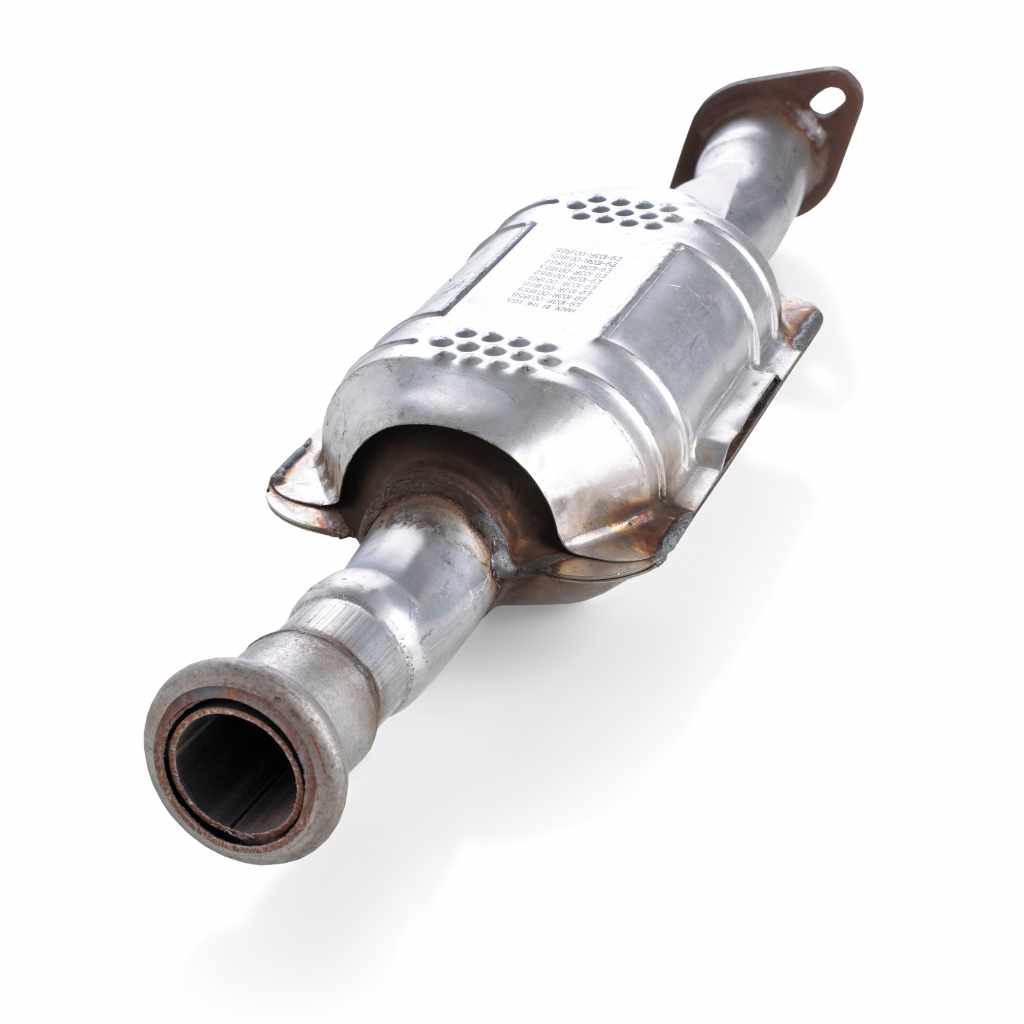
Walker Ultra EPA 15823 Direct Fit Catalytic…
- COMPATIBILITY – Fits 1996-2000 Isuzu Hombre; 1996-2003 Chevrolet S10; 1996-2003 GMC Sonoma
- GET THE RIGHT PART -- Before purchasing, please check the “Amazon Confirmed Fit” bar to ensure this part will fit your vehicle; en…
- EPA COMPLIANT -- For use on pre-OBDII vehicles, 1995 and older. Consult your state's aftermarket converter regulations for details…
As an Amazon Associate I earn from qualifying purchases.
Are you worried about your car feeling sluggish? Does your engine sound a bit choked, especially when you try to accelerate quickly? Many car owners wonder if the part hiding under your car—the catalytic converter—is the culprit. It’s true that this essential device cleans up harmful pollution, but sometimes, it feels like it’s also cleaning up your horsepower! As your trusted automotive guide, I want to show you exactly how restrictive these parts can be, why they cause a drain on your performance, and what simple steps you can take to check things out. We are going to tear down the mystery surrounding catalytic converter flow, step by clear step.
Understanding the Catalytic Converter: More Than Just a Smog Blocker
The catalytic converter is one of the most important parts of your modern engine’s exhaust system. Its job sounds simple: take nasty, toxic exhaust gases—like carbon monoxide and nitrogen oxides—and turn them into safer stuff, mainly water vapor and carbon dioxide.
It does this using a ceramic honeycomb structure coated with precious metals (like platinum and palladium). When hot exhaust gas hits these metals, a chemical reaction happens, cleaning the air before it leaves the tailpipe.
Why does this cause people to ask, “are Catalytic Converters restrictive?”
The answer lies in physics and design. Any time that hot gas has to squeeze through a material—even a clean one—it meets resistance. This resistance is called “back pressure.”
The Back Pressure Dilemma: Why Restriction Matters
Think about drinking a thick milkshake through a very tiny straw. You have to suck much harder. That “sucking harder” is exactly what your engine has to do when exhaust gas meets resistance.
When the exhaust can’t escape easily (high back pressure), it stays in the engine cylinder longer than it should. This process is a proven drain because:
- Reduced Fresh Air: Old, hot exhaust gas takes up space where fresh, oxygen-rich air needs to go for the next combustion cycle.
- Engine Strain: The engine has to work harder to push the spent gases out, wasting fuel and energy.
- Performance Loss: Less oxygen means less fuel can be burned efficiently, leading to a noticeable drop in horsepower and torque.
For most factory-installed converters, this restriction is minimal and safe. However, several things can make that restriction a real performance drain.
When Does a Catalytic Converter Become a Restriction Problem?
Not all restrictions are created equal. A brand-new, high-flow unit designed for performance driving will restrict less than a common stock unit. But the number one reason a stock converter restricts flow significantly is damage or age.
The Top 3 Culprits for Catalytic Converter Restriction
When you notice a drop in power, especially under acceleration, check these primary areas:
- Clogging (The Most Common Drain): Over time, oil, antifreeze, or unburnt fuel can leak into the exhaust system. These contaminants coat the delicate ceramic honeycomb inside the converter. Instead of a clean path, the exhaust gases encounter a thick, melted, or soot-covered mess. This blockage drastically increases back pressure—this is the classic “restriction.”
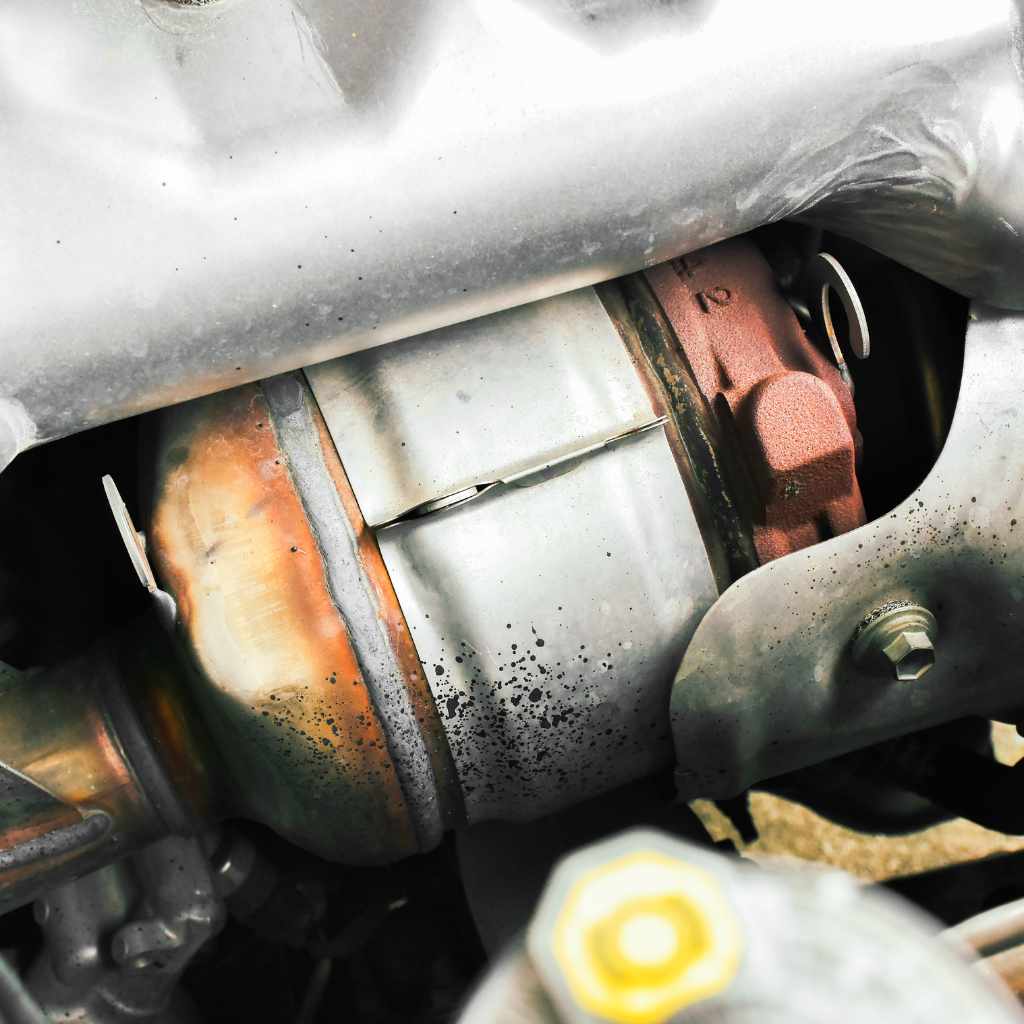
- Physical Damage: Sometimes, road debris or an incorrect jolt can physically shatter the internal honeycomb structure. These broken pieces then shift and block the flow path, acting like a full internal dam.
- Poor Aftermarket Design: While aftermarket catalytic converters often claim to be better, a cheap, poorly manufactured unit might use less advanced materials or have less open surface area than the factory part. This design choice can inherently create more back pressure, even when new.
To help you compare, here is a quick look at how different converters typically handle flow:
| Catalytic Converter Type | Typical Restriction Level | Best For |
|---|---|---|
| OEM (Factory Stock) | Low to Moderate | Everyday driving and emissions compliance. |
| High-Flow Aftermarket (Performance) | Very Low | Enthusiasts seeking maximum power output. |
| Clogged or Damaged Converter | Extremely High (Severe Drain) | Requires immediate replacement. |
How to Diagnose If Your Catalytic Converter Is Restricting Flow
If you suspect the converter is causing a performance drain, the key is confirming excessive back pressure. You don’t need to be a pro mechanic to check the basic signs, and we can walk through checking the pressure, too.
Step 1: Recognizing the Symptoms of Restriction
Before getting tools out, notice how the car behaves. These symptoms strongly point toward a clogged converter:
- Sluggish Acceleration: The car struggles to reach highway speeds, feeling weak past 3000 RPM.
- Reduced Fuel Economy: Since the engine is fighting the exhaust, it burns more fuel to maintain speed.
- Heat Build-Up: The floorboards or cabin might feel unusually hot because the excess heat has nowhere to escape easily.
- Foul Odor: Sometimes, if the converter isn’t working correctly (or is completely shot), you might smell raw fuel or sulfur (rotten eggs).
- Failure of Emissions Test: If the upstream oxygen sensor reads high oxygen content but the downstream sensor doesn’t change much, the converter isn’t cleaning the exhaust effectively. (You can learn more about O2 sensor function from resources like the U.S. Environmental Protection Agency—EPA).
Step 2: The Simple “Tap Test”
Sometimes, you can verify fragmentation right away.
- Wait until the car is completely cool.
- Locate the catalytic converter along the exhaust pipe (it’s usually the bulkiest section between your engine and muffler).
- Gently tap the converter housing with a rubber mallet or the handle of a screwdriver.
- If you hear a rattling sound, the internal structure may be broken, which causes flow issues.
Step 3: Measuring Exhaust Back Pressure (The Definitive Test)
This test directly measures the drain. It feels technical, but it’s straightforward if you have the basic tools. We measure the pressure before the converter and compare it to specifications.
Tools You Will Need:
- Exhaust back pressure gauge kit.
- Basic wrench set.
- Safety glasses and gloves.
The Procedure:
- Safety First: Park the car on a level surface, engage the parking brake, and allow the engine to cool completely. Always wear safety gear.
- Locate the Upstream Port: You need to install a sensor into the exhaust stream before the catalytic converter. The easiest place is usually an existing threaded port intended for an upstream oxygen sensor (O2 sensor). If no port exists, a small hole might need to be carefully drilled into the exhaust pipe just ahead of the converter.
- Install the Gauge: Screw the pressure sensor fitting into the port. Connect the gauge hose to the fitting.
- Test at Idle: Start the engine and let it idle. The pressure reading should be very low, usually 1 PSI (pound per square inch) or less.
- Test Under Load: Have a helper keep the engine speed steady at 2,500 RPM (or whatever your vehicle manual suggests for back pressure testing). Watch the gauge.
- Reading the Results: For most standard four-cylinder engines, anything over 1.5–2 PSI at 2,500 RPM suggests a definite restriction or clog that is causing a performance drain. Larger V6/V8 engines can tolerate slightly higher numbers, but generally, exceeding 3 PSI indicates a serious flow problem severe enough to warrant immediate attention.
If the numbers are high, you have confirmed that your catalytic converter is creating a restriction—a definite drain on your engine’s power!
Fixing the Drain: Options for Restrictive Converters
Once you confirm the converter is the source of your pressure problem, you have a few paths forward. Remember, the goal is to maintain safety and emissions compliance while reducing that frustrating restriction.
Option 1: Cleaning (Only for Light Clogs)
If the clog is due to mild operational issues (like using poor quality fuel or a temporary oil leak) rather than melted honeycomb, a chemical cleaning might help temporarily.
- Chemical Cleaners: There are specialized catalytic converter cleaner fluids you add to your fuel or spray directly into the system. These attempt to dissolve light carbon buildup.
- The Hard Reset: Sometimes, running the engine hard (safely on a highway) for 20 minutes at higher RPMs can burn off light deposits.
Warning: If the internal structure is melted or physically shattered, cleaning will not solve the problem. You must replace the unit.
Option 2: Replacing with an OEM or Direct-Fit Converter
This is the guaranteed safe route to restoring factory performance without worry.
- OEM (Factory): Guarantees perfect fit and optimal flow design for your car’s computer, ensuring no check engine lights.
- Direct-Fit Aftermarket: These are aftermarket units built specifically to match the original shape. They usually offer better performance than a failing converter and are often cheaper than OEM parts. Always choose reputable brands known for quality substrates.
Option 3: Upgrading to a High-Flow Performance Converter
If you are chasing performance, this is the choice for you. High-flow catalytic converters (often called “race cats”) use less internal material or a design that allows gases to pass through with minimal interference.
Pros of High-Flow Converters:
- Significantly reduced back pressure.
- Improved throttle response and horsepower gains (especially on tuned engines).
Cons of High-Flow Converters:
- They are typically more expensive.
- They may not scrub pollutants as completely as OEM units, which can sometimes lead to a Check Engine Light if the downstream O2 sensor detects a difference.
- Local emissions laws must be checked before installation. For example, California has very strict regulatory requirements (CARB compliance) for replacement converters.
The Legal and Safety Side of Converter Removal
When discussing restriction, the conversation often drifts to removing the converter entirely (known as “straight piping” or installing a “test pipe”). As your guide, I must stress that this is rarely a good idea for daily driven vehicles.
Why You Should Keep a Functional Converter
While removing the converter will certainly remove restriction and provide a “proven drain” solution for performance loss, the downsides far outweigh the minor performance gain for the average driver:
- Legality: In the United States, it is illegal under federal law to remove or tamper with any component that lessens the effectiveness of the emission control system (Source: U.S. Code Title 42, Section 7541). Many states enforce this strictly, especially during roadside inspections or safety checks.
- Emissions Test Failure: Your car will immediately fail any emissions test if the converter is missing or gutted.
- Noise and Smell: Exhaust gases will be loud, noxious, and smelly, which is unpleasant for you and everyone else sharing the road.
- Engine Tuning Issues: Modern cars rely on the readings from the downstream O2 sensor (which monitors the converter’s effectiveness) to adjust fuel mixtures. Removing the converter often confuses the engine computer, potentially causing it to run poorly or trigger persistent Check Engine Lights.
Maintenance Tips to Prevent Future Restriction
The best way to avoid performance drain from your catalytic converter is to keep it healthy. Since the converter fails due to issues upstream in the engine, prevention focuses on engine health.
Keep Your Engine Running Cleanly:
- Use Quality Oil: Using oil that meets your manufacturer’s specifications reduces burning oil, which is a major cause of converter coating.
- Fix Misfires Immediately: A cylinder misfire dumps raw, unburnt fuel directly into the exhaust. This fuel ignites inside the converter, causing extreme heat that melts the internal structure—this is the fastest way to destroy a cat.
- Address Coolant Leaks: Leaking head gaskets allow coolant into the combustion chamber. When this coolant vapor hits the hot catalyst, it leaves behind deposits that clog the pores, leading to restriction.
- Regular Maintenance: Keep up with spark plug changes and air filter replacements so the air/fuel mixture stays correct, preventing unnecessary carbon buildup.
Frequently Asked Questions (FAQ) About Catalytic Converter Restriction
Q1: How quickly does a clogged catalytic converter cause a performance drain?
A: If the clog is severe (like a completely melted catalyst brick), you can notice significant sluggishness immediately, often within a few days of the failure event (like a bad misfire). Mild clogging builds up slowly over months or years.
Q2: Can cleaning the catalytic converter restore lost horsepower?
A: Cleaning might restore some lost power if the restriction is caused by light carbon or fuel deposits. If the internal structure is physically melted or cracked, cleaning will not help at all, and replacement is necessary.
Q3: If my Check Engine Light is on, does that mean the converter is restrictive?
A: Not always. The code P0420 (Catalyst System Efficiency Below Threshold) usually means the converter isn’t scrubbing gas well enough, which can be due to slight restriction or just being old. However, codes related to oxygen sensor performance or rich/lean running conditions might point to an underlying issue causing the restriction.
Q4: Are performance “test pipes” a good replacement for a restrictive cat?
A: Test pipes remove all catalytic material, offering zero restriction, but they are illegal for street use in most places. They will cause you to fail emissions testing and create a much louder, smellier exhaust.
Q5: How long should a factory catalytic converter last?
A: With good engine maintenance, factory converters are often designed to last the life of the vehicle, typically 150,000 to 200,000 miles. Failure before this is usually due to an underlying engine issue.
Q6: Will installing a new aftermarket cat always solve my performance issue?
A: If you confirm the restriction by measuring back pressure, then yes, replacing the bad unit with a quality replacement (OEM or high-flow) should restore the lost power by eliminating the excessive back pressure drain.
Conclusion: Taking Control of Your Exhaust Flow
Understanding whether your catalytic converter is overly restrictive comes down to checking for excessive back pressure. It’s easy to blame the cat for poor performance, but often, a struggling engine causes the cat to fail. By recognizing the symptoms—sluggishness, poor fuel economy, and excessive heat—and using the simple pressure test, you gain the knowledge needed to fix the drain. Remember, while complete removal offers maximum flow, sticking to a quality OEM or high-flow replacement keeps your ride running strong, legally compliant, and enjoyable for everyone. Keep your engine healthy, and your catalytic converter will serve its vital role without draining your performance!
Related pick: Check today's price on Amazon