
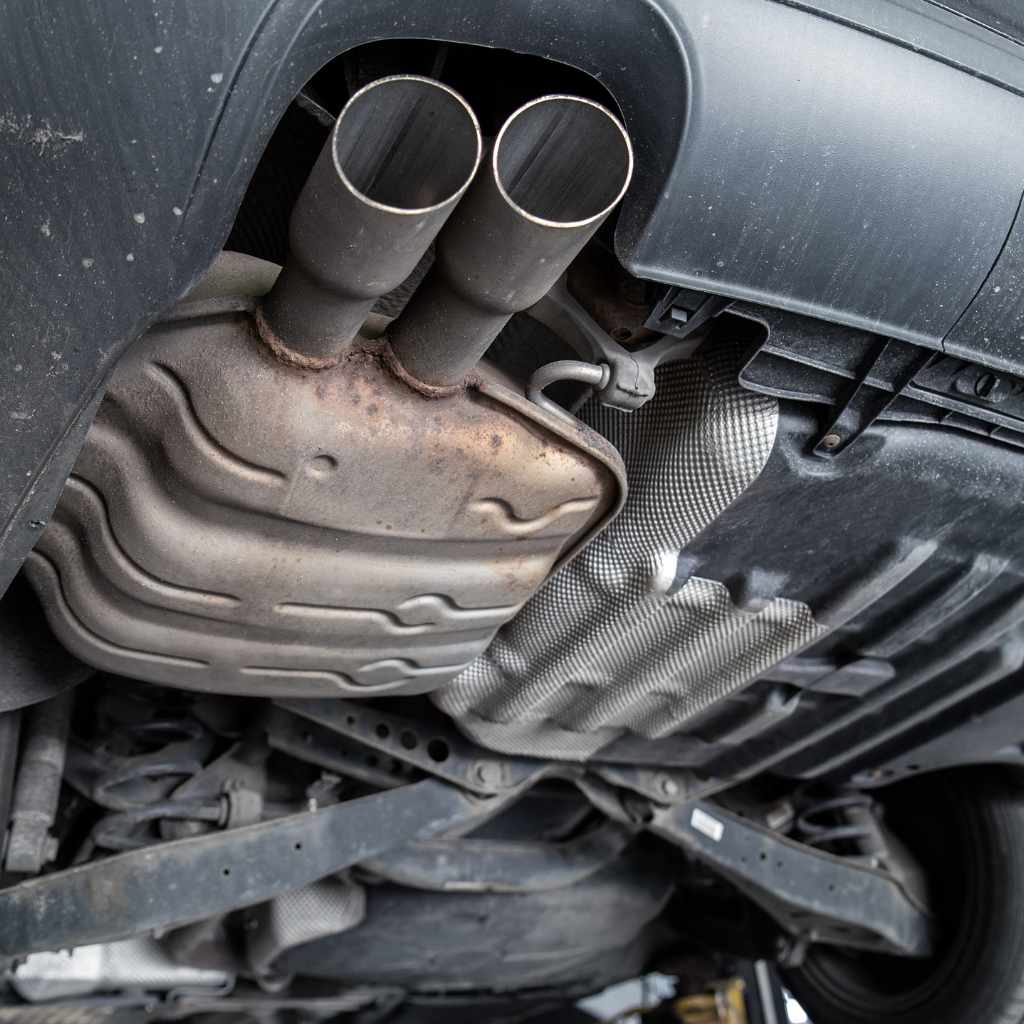
Are Kia Catalytic Converters Being Stolen? Essential Guide
Yes, Kia catalytic converters have been a frequent target for thieves due to the high value of precious metals inside. Specific Kia models are often targeted. This guide explains why and provides essential steps you can take right now to protect your vehicle and understand the signs of theft.
Hello there! I’m Monowar Shohag, and I understand how stressful it is when you worry about your car parts. Hearing stories about catalytic converter theft can certainly make any car owner nervous, especially if you drive a Kia. These thefts are frustrating because they can leave your car undrivable and cost a lot of money to fix. Don’t worry; we’re going to walk through exactly what’s happening with Kia models, how to spot if you’ve been hit, and the simple steps you can take to make your vehicle less appealing to thieves. Keeping your exhaust system safe doesn’t require a mechanic’s degree—just good information!
Why Are Kia Catalytic Converters Being Stolen So Often?
The short answer is simple: money. Catalytic converters clean up your car’s exhaust fumes, but they contain precious metals like platinum, palladium, and rhodium. These metals are very valuable on the scrap market, making the converter a prime target for thieves looking for a quick score.
The Theft Trend and Kia Models Targeted
Unfortunately, this isn’t just a minor problem; theft rates spiked significantly across the country over the last few years. Thieves look for vehicles that are easy to access underneath and those known to carry high amounts of these precious metals. Kia and Hyundai vehicles, especially certain older models, have become disproportionately targeted.
Why are specific Kia models popular targets?
- Ground Clearance: Many common Kia models have higher ground clearance than lower sports cars, making it easier for thieves to slide underneath quickly with a battery-powered reciprocating saw.
- Design Vulnerability: In some older models, the converter sits relatively close to the edge of the vehicle, making the bolts easier to reach.
- High Precious Metal Content: Certain engine types used during specific years in Kia/Hyundai production batches are known to have high concentrations of valuable rhodium, making them more lucrative targets.
If you own a Kia Sportage, Sorento, or Optima from the mid-2000s to the mid-2010s, you should be extra vigilant. Always check local police reports in your area to see which models are currently seeing the most activity.

How to Tell If Your Catalytic Converter Has Been Stolen
If you wake up to a quiet car, or if your usually quiet ride suddenly sounds like a loud race car, you might have a missing converter. Knowing the signs helps you react quickly.
The Immediate Warning Signs
The moment you start your car or try to drive, the difference is obvious. Here are the key giveaways:
- Extremely Loud Noise: This is the biggest sign. A healthy exhaust system is quiet. Without the muffler and converter, the engine sounds shockingly loud—like a muscle car revving, even when idling.
- Check Engine Light (CEL): Modern cars monitor the exhaust flow. If the converter is gone, sensors detect that the exhaust gases aren’t being cleaned, and the ECU (Engine Control Unit) will immediately trigger the CEL.
- Poor Performance: Your car might feel sluggish, hesitate when you accelerate, or overheat. The exhaust needs to flow correctly; blocking or severely cutting it disrupts engine balance.
- Visible Absence: If you can safely look under the vehicle (or have a family member peek), you will see a large, empty part of the exhaust piping where the converter used to be bolted or welded in.
If you suspect theft, do not drive the car far. The noise won’t just draw attention; it can cause further damage to your engine sensors. Call for a tow truck immediately. Driving without proper exhaust flow can lead to expensive repairs beyond just replacing the converter.
Your Action Plan: 5 Steps to Protect Your Kia Now
As a Kia owner, proactive steps are your best defense. Thieves look for easy targets. Making your car harder to cut or steal is the most effective deterrent. Here is my step-by-step guide to improving security immediately.
Step 1: Improve Lighting and Parking Habits
Thieves operate under the cover of darkness. Your first line of defense is visibility.
- Park Smart: Whenever possible, park in a well-lit area, preferably under a working streetlight.
- Garage It: If you have a garage, use it! Even if it’s just overnight.
- Proximity Matters: If street parking, park close to your home or in areas covered by security cameras.
Step 2: Install a Catalytic Converter Shield or Cage
This is the most popular and often most effective physical deterrent. A shield is a metal plate or cage that bolts around the converter, making it impossible or extremely difficult and time-consuming for a thief to reach and cut the unit out quickly.
| Shield Type | Pros | Cons |
|---|---|---|
| Metal Plates (Steel/Aluminum) | Relatively inexpensive; provides a physical barrier. | Can add weight; heat dissipation needs careful installation. Expect installation around $100–$300. |
| Wire Mesh Cages | Allows better airflow for cooling; visually protective. | Can be cut with heavy-duty bolt cutters if the metal is thin. |
| Bolt-On Catalytic Guards | Often high-grade, hardened steel; requires significant time to remove. | More expensive upfront; installation might require welding expertise depending on the design. |
When choosing a shield, look for one specifically designed to fit your Kia model, as fitment is crucial for coverage. You can find reputable options from manufacturers that adhere to safety standards. For instance, components used in high-security automotive applications often meet durability requirements specified by organizations like the National Institute of Standards and Technology (NIST) regarding material strength, though specific converter shields may not carry NIST certification directly.
Step 3: Consider Anti-Theft Alarms and Sensors
Modern alarms can be modified to protect your exhaust system specifically. These systems use vibration or tilt sensors designed to detect the cutting or rocking motion associated with a theft attempt.
- Vibration Sensors: These trigger the alarm if someone starts sawing or hitting the undercarriage.
- Height Sensors: Some advanced systems can detect when the vehicle is being jacked up, alarming before any tools are even applied to the converter.
Step 4: Engrave Your Converter
This step doesn’t prevent the theft, but it makes the stolen part much harder for scrap yards to cash in on and easier for police to trace back to you.
Have the Vehicle Identification Number (VIN) etched onto the catalytic converter using a special paint or engraving tool. Many local police departments or auto security companies offer free or low-cost VIN etching events. This step is highly recommended because scrap dealers are becoming more aware of marked parts.
Step 5: Talk to Your Mechanic About Welds and Bolt Security
Thieves often use simple sawzalls and can usually remove a converter in under three minutes if it’s bolted on. If you are due for an exhaust repair or install a new converter, talk to your trusted shop about these measures:
- Weld Instead of Bolt: If possible for your vehicle setup, having sections of the exhaust system welded permanently rather than just bolted dramatically increases the time and noise required to remove it.
- Use Security Bolts: Replace standard nuts and bolts with specialty locking bolts that require unique tools to undo.
Understanding Kia’s Response and Recalls
As the primary manufacturer whose vehicles have been heavily impacted, Kia has taken steps to address the vulnerability of certain models.
Are There Manufacturer Safety Recalls?
Yes. In response to the widespread theft crisis, some manufacturers, including Hyundai and Kia, have issued technical service bulletins (TSBs) and initiated recalls for certain model years. These actions often involve improving the vehicle’s security features or helping owners reinforce their converters.
These recalls often focus on:
- Installing anti-theft devices or shields provided by the manufacturer.
- Updating software or adding alarm components that activate under unauthorized jacking or cutting.
- Offering replacement parts that are harder to remove or contain fewer precious metals, in some cases.
It is crucial to check the National Highway Traffic Safety Administration (NHTSA) website using your Vehicle Identification Number (VIN) to see if your specific Kia model is part of any current safety campaigns or recalls related to catalytic converter theft protection. This is a free service provided by the U.S. government to ensure vehicle safety.
The Cost Factor: Repair vs. Prevention
While installing preventative measures costs money upfront, it is almost always cheaper than dealing with the aftermath of a theft. Understanding the financial scope helps put the investment into perspective.
What Does Replacement Cost?
The cost to replace a stolen catalytic converter on a Kia can range significantly based on the model, engine size, and whether you use an Original Equipment Manufacturer (OEM) part or an aftermarket replacement. Parts and labor are high.
| Component | Estimated Cost Range (Parts & Install) |
|---|---|
| Aftermarket Replacement (Parts Only) | $400 – $1,000+ |
| OEM Replacement (Parts Only) | $1,200 – $3,000+ |
| Mechanic Labor (Installation) | $200 – $500 |
| Prevention Shield Installation | $100 – $350 |
As you can see, spending a couple of hundred dollars on a shield upfront saves you thousands later, not to mention the inconvenience of being without your car for days or weeks while waiting for the specialized part to arrive.
What Happens If I Catch a Thief in the Act? (Safety First!)
If you hear noises under your car late at night and suspect a theft is happening, remember that safety is your absolute number one concern. These crimes are often carried out by individuals who might try to flee or become confrontational.
Here is what you should do:
- Do Not Approach Directly: Never confront someone cutting metal off your vehicle, especially if they are armed or if you cannot see how many people are involved.
- Call Emergency Services: Immediately call 911 (or your local emergency number). Tell the operator clearly that you witness property crime in progress and that the suspects are underneath a vehicle with power tools.
- Document From Safety: If you can safely do so from a window or a safe distance, try to note details like the vehicle they arrived in (license plate if visible), clothing, and the direction they flee. Do not put yourself at risk to get a license plate number.
- Wait for Police: Remain inside your secured home until the authorities arrive. They are trained to handle these situations safely.
Your vehicle can be replaced; your safety cannot. Never risk personal injury over property.

Frequently Asked Questions (FAQs) for Kia Owners
Q1: Will my car insurance cover a stolen catalytic converter?
A: It depends on your policy. Comprehensive coverage usually covers theft of vehicle parts like the catalytic converter. Standard liability coverage will not. You will likely have to pay a deductible, which might be high compared to the repair cost on older vehicles, so check your specific policy details.
Q2: Are newer Kia models still being stolen?
A: While the initial wave heavily targeted older models (pre-2020), thefts continue across many new makes and models. Manufacturers are implementing better factory security, but thieves adapt. Newer Kias with higher ground clearance are still at risk, making aftermarket shields a strong recommendation regardless of the vehicle’s age.
Q3: Can I drive my Kia if the catalytic converter is missing?
A: You can technically drive it, but it is highly discouraged. It is extremely loud, illegal in many states due to emission standards, and can damage your engine’s oxygen sensors and potentially the muffler system due to unburned fuel entering the exhaust stream.
Q4: Is it true that some Kia models have more precious metal than others?
A: Yes, this is part of why they are targeted. Certain engine types used by Kia/Hyundai in the past batches contained palladium and rhodium in ratios that made them extremely profitable targets for scrap dealers compared to other manufacturers that used different alloy blends.
Q5: If I install a shield, will it void my Kia warranty?
A: Generally, installing an aftermarket shield specifically designed for the converter should not void your entire powertrain warranty. However, if the shield interferes with a repair related to the exhaust system or causes overheating issues documented by the mechanic, the dealer might deny warranty coverage for that specific associated issue. Always use high-quality, name-brand shields designed for your model.
Q6: What is the absolute easiest first step I can take tonight?
A: The easiest step is parking strategy. Tonight, park in your garage, or if you must park outside, angle your car so the passenger side (which is usually closer to the road when parked curbed) is facing away from the curb, making it slightly harder to access the undercarriage from the roadside.
Conclusion: Taking Control of Your Vehicle Security
Dealing with the threat of catalytic converter theft can feel overwhelming, especially when it seems like your Kia is a favored target. However, I hope this guide has shown you that you are not powerless. By understanding why your vehicle is targeted—the simple economics of precious metals—you can implement layered security measures.
Remember, the goal isn’t to be impenetrable, but to be the least appealing target on the block. A $200 shield is much cheaper than a $2,000 repair bill and a week without transportation. Combine smart parking habits, consider VIN etching for traceability, and invest in a robust physical shield specifically matched to your Kia model. Stay aware of local news regarding theft trends, and address any necessary recalls promptly. With a little preparation, you can significantly lower the risk and drive your Kia with confidence, knowing you’ve done everything sensible to protect your exhaust system.


