Are Catalytic Converters Required in Nc: Essential Guide 2026
Are you wondering if catalytic converters are required in North Carolina? If you drive a car in NC, this question matters to you.

MagnaFlow Exhaust Products
MagnaFlow Direct-Fit Catalytic Converter 23226 (Federal/EPA Compliant)…
- Your trusted source for EPA-compliant catalytic converters providing assurance of genuine compliance while delivering quality that…
- High strength 16 gauge 409 stainless steel tubing for exceptional corrosion resistance and maximum service life
- Expertly crafted to replicate OEM-like flow dynamics maintaining factory performance and fuel efficiency
As an Amazon Associate I earn from qualifying purchases.
Catalytic converters help reduce harmful emissions from your vehicle, but do state laws actually make them mandatory? Understanding the rules can save you money, keep you legal, and protect the environment. Keep reading to find out exactly what North Carolina requires and how it affects your vehicle.
Don’t miss this essential information that every driver in NC needs to know.
Catalytic Converter Basics
Understanding catalytic converters helps you grasp their importance in vehicles. These devices reduce harmful gases from car exhaust. They play a key role in keeping the air clean.
This section explains what catalytic converters are, how they work, and the common types found in cars.
What Is A Catalytic Converter
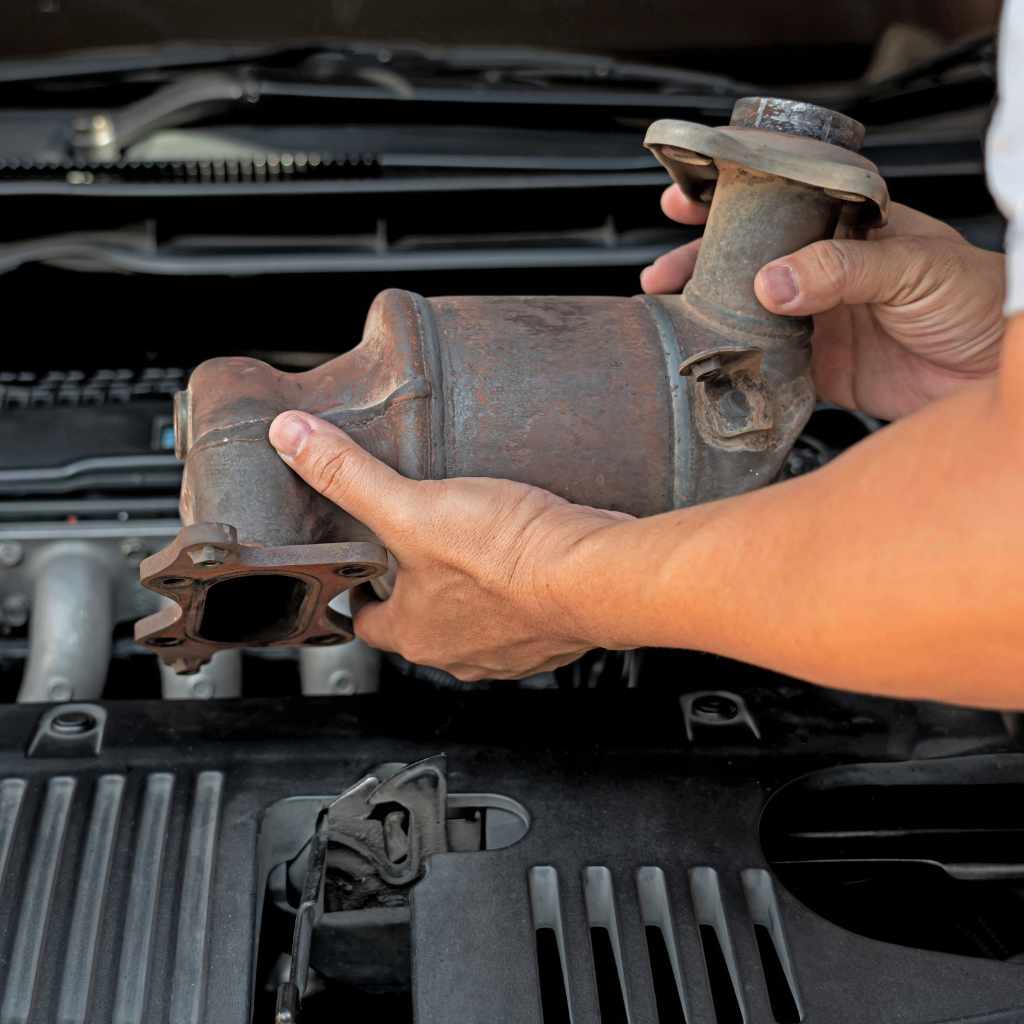
A catalytic converter is a car part attached to the exhaust system. It turns harmful gases into less harmful ones. It helps reduce pollution from cars.
How It Works
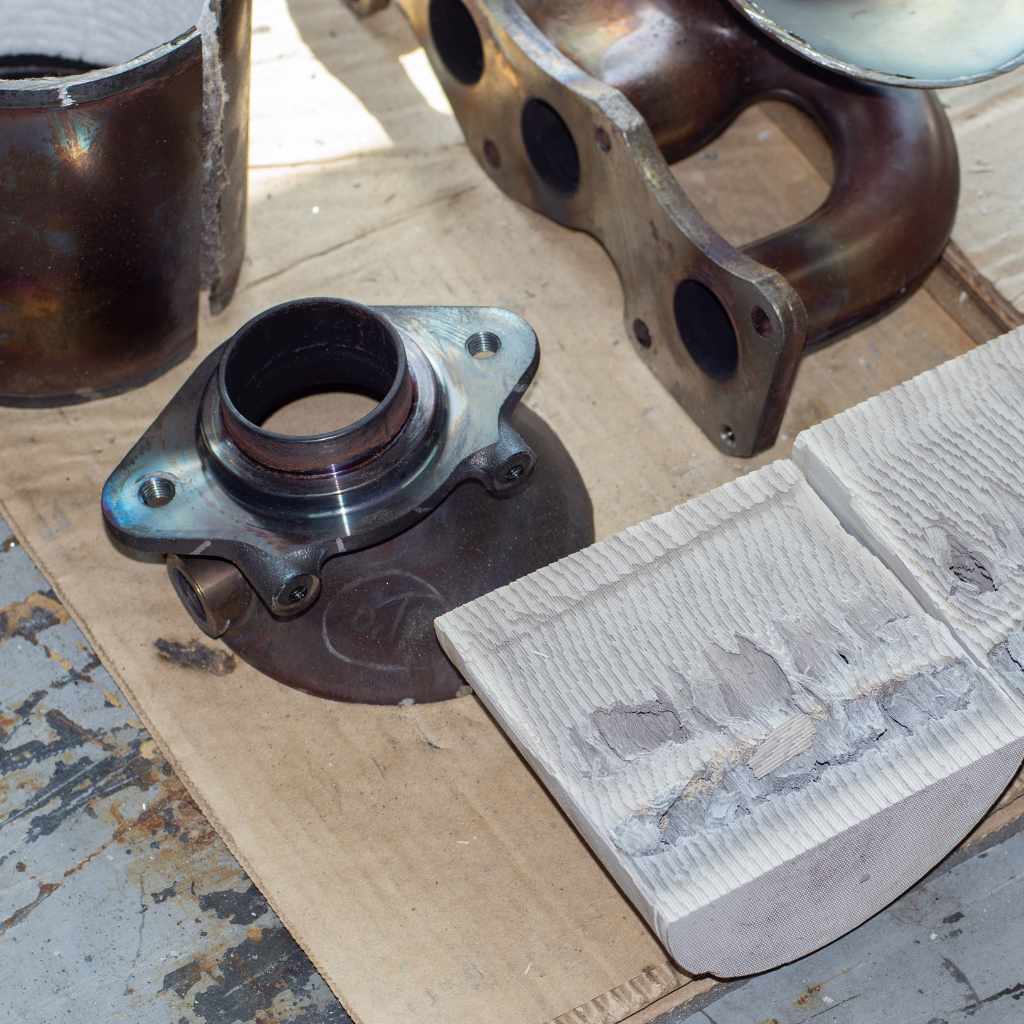
The converter uses a catalyst made of metals like platinum. It speeds up chemical reactions inside the device. These reactions change toxic gases into safer gases before release.
Harmful gases like carbon monoxide become carbon dioxide. Nitrogen oxides break down into nitrogen and oxygen. This process helps clean the air we breathe.
Common Types
There are mainly two types of catalytic converters. The two-way converter changes carbon monoxide and hydrocarbons. The three-way converter also reduces nitrogen oxides.
Most modern cars use the three-way converter. It is more effective in lowering pollution. Different cars may need different types depending on local laws.
Nc Emission Laws
North Carolina has specific emission laws to protect air quality. These laws regulate vehicle emissions to reduce pollution. Understanding these rules is important for car owners in the state.
State Regulations Overview
North Carolina follows state laws that control vehicle emissions. The goal is to limit harmful gases released by cars. Some counties require stricter rules due to higher pollution. These rules help keep the air clean and healthy.
Federal Vs State Requirements
Federal laws set basic emission standards nationwide. States can add stricter rules if needed. North Carolina enforces both federal and state standards. This ensures vehicles meet minimum pollution limits and sometimes higher ones.
Vehicle Inspection Rules
Certain areas in North Carolina require vehicle emission tests. These tests check if cars meet pollution limits. Vehicles failing tests may need repairs to pass. Regular inspections help keep harmful emissions low.
Catalytic Converter Requirements In Nc
Catalytic converters help reduce harmful gases from vehicles. North Carolina has rules to control vehicle emissions. These rules affect many drivers across the state. Understanding these rules is important for car owners. It helps keep the air clean and avoids fines. Here is what you need to know about catalytic converter rules in NC.
Which Vehicles Need One
Most gasoline-powered cars and trucks in NC must have a catalytic converter. Vehicles made after 1975 usually need one. This includes passenger cars, light trucks, and SUVs. Diesel vehicles have different rules. Some older cars may not require a catalytic converter. Check your vehicle’s model and year to be sure.
Exemptions And Exceptions
Some vehicles do not need catalytic converters. Antique cars over 35 years old may be exempt. Vehicles used only off-road or for farming might not need one. Also, some small engines and motorcycles have different rules. It is important to verify if your vehicle qualifies for an exemption. This avoids unnecessary repairs or costs.
Installation Standards
NC requires catalytic converters to meet specific standards. Only approved converters can be installed on vehicles. The converter must be designed for the vehicle’s make and model. Installing a non-approved converter can lead to penalties. Professional installation is recommended for best results. Proper installation ensures the converter works correctly and lasts longer.
Impact On Vehicle Performance
The catalytic converter plays a key role in how a vehicle performs. It changes harmful gases into less harmful ones. This process affects many parts of your car. Understanding these effects helps to see why catalytic converters matter in North Carolina.
Fuel Efficiency Effects
A catalytic converter can help keep fuel use steady. It allows the engine to burn fuel more cleanly. This means the car uses less gas for the same distance. Cars without it might waste more fuel. This leads to higher fuel costs over time.
Engine Health
The converter stops harmful gases from building up in the engine. This reduces the risk of damage to engine parts. A clean running engine lasts longer and needs fewer repairs. Removing the catalytic converter can cause engine problems. It can lead to poor performance and costly fixes.
Emission Reduction Benefits
Catalytic converters lower the amount of harmful gases released. This helps the environment and meets legal rules in North Carolina. Cars with converters produce less smog and pollution. This keeps the air cleaner and safer for everyone. Without them, pollution levels rise and health risks increase.
Replacement And Maintenance
Replacing and maintaining a catalytic converter keeps your car running clean and smooth. This part lowers harmful gases from your vehicle’s exhaust. Over time, it can wear out or get damaged. Knowing when and how to replace it helps avoid bigger problems.
Signs Of Failure
Check for a strong rotten egg smell near your car. The engine might run rough or lose power. Your vehicle may fail an emissions test. A warning light on the dashboard could also appear. These signs show the catalytic converter needs attention.
Cost And Installation
Replacing a catalytic converter costs between $500 and $2,500. The price depends on the car make and model. Installation usually takes one to two hours. Mechanics remove the old part and fit the new one. Regular maintenance can extend its life and save money.
Legal Considerations For Removal
In North Carolina, removing the catalytic converter is illegal. Cars must meet state emissions standards. Removing it can lead to fines and failed inspections. Some exceptions apply for certain off-road vehicles. Always check local laws before making changes.
Recent Updates For 2026
The year 2026 brings important changes to catalytic converter rules in North Carolina. These updates affect vehicle owners and businesses alike. Staying informed helps avoid fines and keeps vehicles compliant.
The new rules focus on cleaner air and better pollution control. They also encourage the use of newer technology in vehicles. Understanding these changes can save time and money.
New Regulations
North Carolina requires catalytic converters on most gasoline-powered vehicles. Starting in 2026, stricter standards will apply. These rules aim to reduce harmful emissions significantly.
Older vehicles without catalytic converters may face more inspections. Replacement parts must meet state-approved standards. This helps ensure all vehicles contribute to cleaner air.
Technological Advances
New catalytic converters are more efficient and last longer. Advances in materials reduce pollution more effectively. Some models now include sensors to monitor performance closely.
Technology also helps mechanics detect converter problems early. This reduces costly repairs and downtime. Cleaner engines improve fuel economy too.
Compliance Tips
Check your vehicle’s catalytic converter regularly. Use authorized shops for inspections and repairs. Keep all receipts and documentation for proof of compliance.
Replace damaged or old converters promptly with approved parts. Stay updated on North Carolina’s emission testing schedules. Following these steps prevents legal trouble and promotes a cleaner environment.
Penalties For Non-compliance
North Carolina requires catalytic converters on most vehicles to reduce pollution. Not following these rules leads to penalties. These penalties include fines, legal problems, and inspection failures. Understanding these consequences helps vehicle owners avoid trouble.
Fines And Legal Risks
Driving without a catalytic converter in North Carolina can cause fines. Authorities may charge vehicle owners for breaking emission laws. Fines can be expensive and increase with repeated offenses. Legal issues may arise if the vehicle causes pollution above limits. These risks can affect your driving record and insurance.
Inspection Failures
Cars in North Carolina must pass emissions tests to get a safety inspection. Vehicles without catalytic converters often fail these tests. Failing an inspection means you cannot register your vehicle. You must fix the problem before retesting. Failing inspections delays your ability to drive legally.
How To Avoid Issues
Always keep the catalytic converter in good condition. Regular maintenance helps your vehicle pass inspections. Replace damaged or missing converters quickly. Check your vehicle’s emission status before inspection day. Following these steps prevents fines and legal problems.
Frequently Asked Questions
Are Catalytic Converters Mandatory In North Carolina?
Yes, North Carolina requires catalytic converters on most vehicles to reduce harmful emissions. This helps improve air quality statewide.
What Vehicles Need Catalytic Converters In Nc?
Most gasoline-powered cars, trucks, and SUVs in North Carolina must have catalytic converters installed by law.
Can I Remove A Catalytic Converter In North Carolina?
No, removing a catalytic converter in NC is illegal and may result in fines and vehicle inspection failure.
How Does Nc Enforce Catalytic Converter Regulations?
North Carolina enforces these rules through vehicle inspections and emissions testing programs to ensure compliance and reduce pollution.
Conclusion
Catalytic converters are important for reducing car pollution in North Carolina. The state requires most vehicles to have them by law. They help keep the air cleaner and protect health. Removing or tampering with converters can lead to fines. Always check local rules before making changes to your car.
Staying informed helps you avoid trouble and support a cleaner environment. This small part plays a big role in keeping North Carolina’s air fresh. Choose to follow the rules and drive responsibly.
Related pick: Check today's price on Amazon