Are Catalytic Converters Required in Illinois: Essential Facts Revealed
Are you wondering if catalytic converters are required in Illinois? If you own a car or plan to buy one, this is something you need to know.
Catalytic converters play a key role in reducing harmful emissions from your vehicle. But does Illinois law make them mandatory? Understanding this can save you from fines and help you keep your car running smoothly. Keep reading to find out exactly what the rules are and how they affect you.
Catalytic Converter Laws In Illinois
Illinois has clear rules about catalytic converters. These rules help reduce air pollution. The state focuses on keeping vehicles clean and safe. Understanding these laws is important for all vehicle owners.
State Emission Standards
Illinois follows strict emission standards. Cars must limit harmful gases released into the air. Catalytic converters play a key role in meeting these limits. Without them, vehicles may not pass emission tests. These standards apply to most gasoline-powered cars.
Vehicle Inspection Requirements
Illinois requires regular vehicle inspections. These tests check if cars meet emission rules. Inspections often include checking the catalytic converter. A missing or broken converter can cause a vehicle to fail. Passing the inspection is needed to drive legally.
Legal Obligations For Vehicle Owners
Vehicle owners must keep catalytic converters intact. Removing or tampering with them is illegal. Illinois law protects these parts to reduce pollution. Owners may face fines or penalties if they break the law. Proper maintenance of the converter helps avoid legal trouble.
Role Of Catalytic Converters
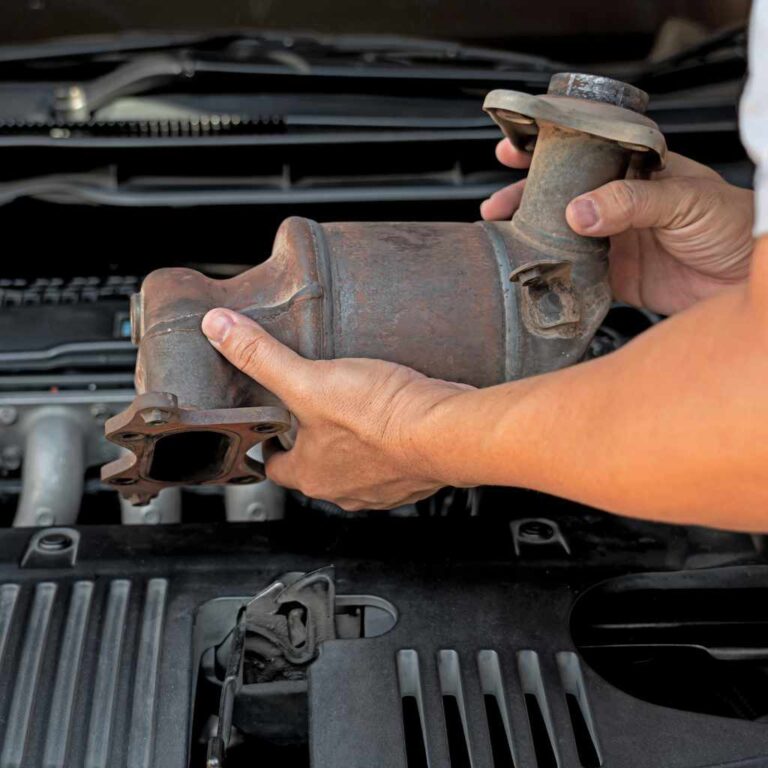
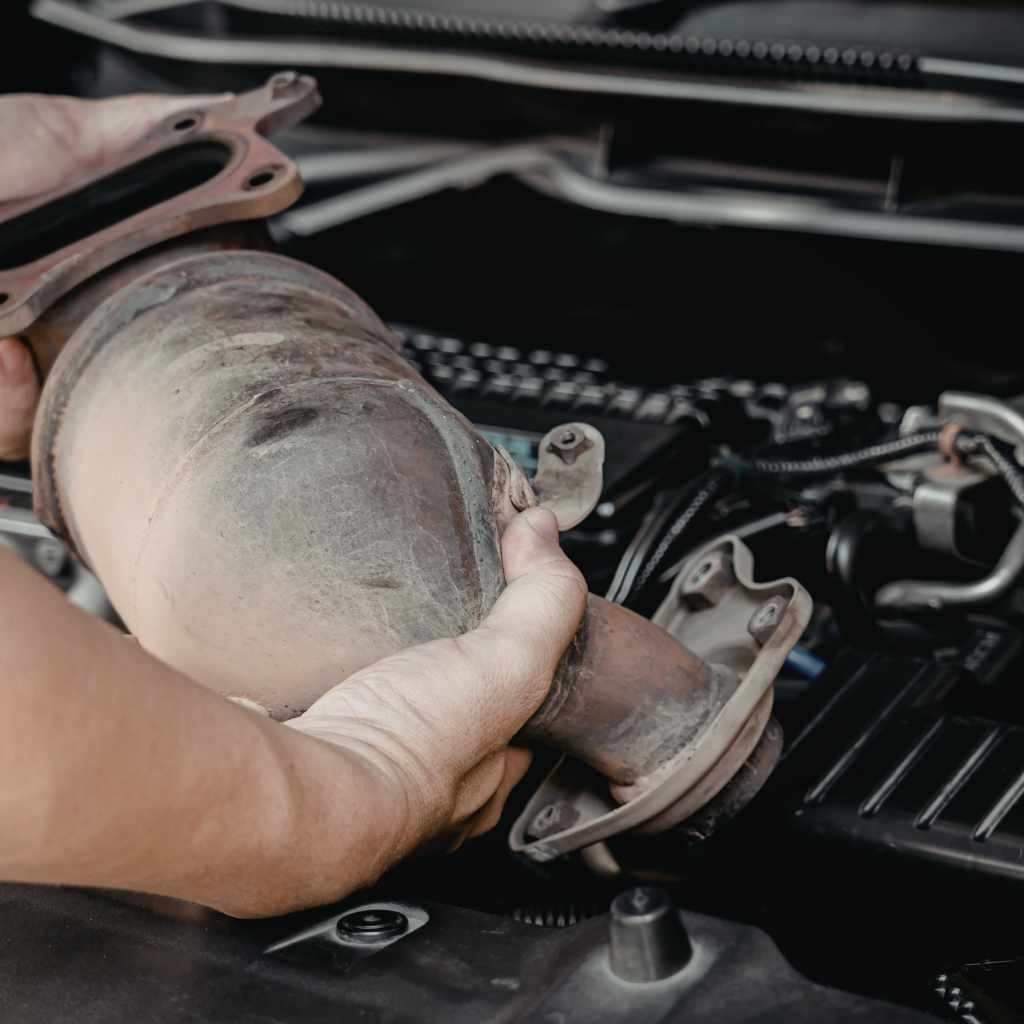
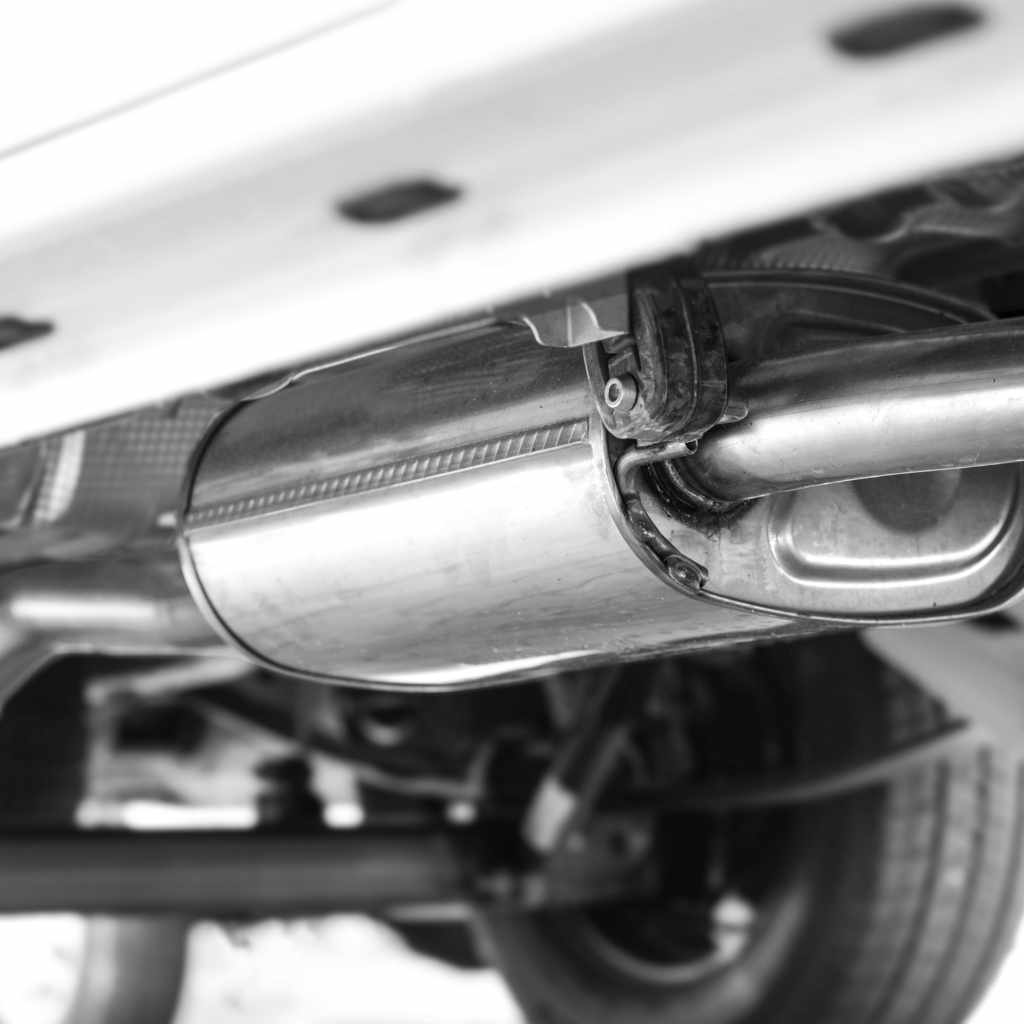
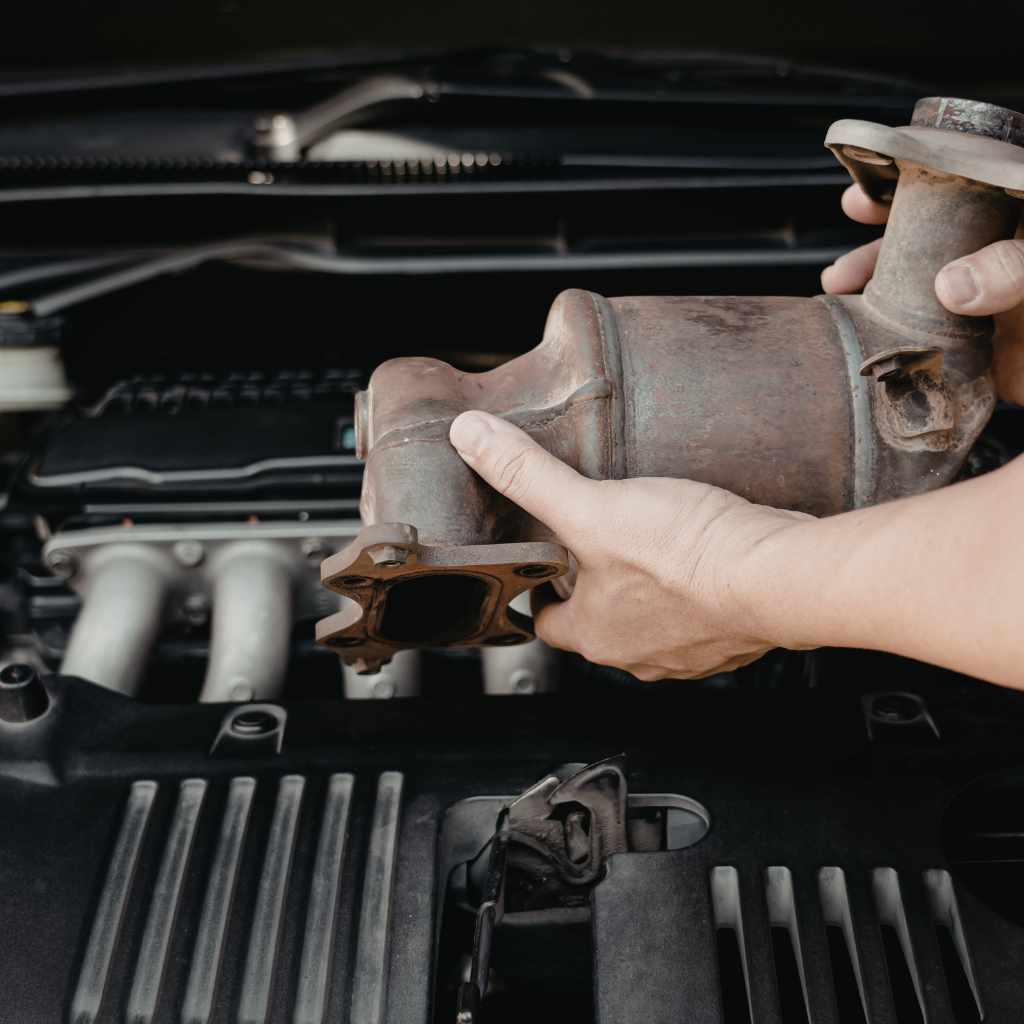
The role of catalytic converters is vital in reducing harmful gases from vehicles. These devices fit into a car’s exhaust system. They change dangerous gases into less harmful ones. This process helps protect the environment and human health.
How They Reduce Emissions
Catalytic converters use a special chemical process. They break down pollutants like carbon monoxide, nitrogen oxides, and hydrocarbons. These gases come from burning fuel in the engine. The converter turns them into carbon dioxide, nitrogen, and water vapor. This reduces the amount of toxic gases released into the air.
Environmental Benefits
By cutting down harmful gases, catalytic converters help protect nature. They reduce smog and acid rain, which damage plants and animals. Cleaner air supports healthy forests and water bodies. This helps all living things thrive and keeps ecosystems balanced.
Impact On Air Quality
Cars with catalytic converters produce less pollution. This improves the air we breathe in cities and towns. Better air quality lowers health risks like asthma and lung problems. It also creates a cleaner, fresher environment for people everywhere.
Enforcement And Penalties
Illinois enforces strict rules about catalytic converters on vehicles. These rules help reduce pollution and keep the air cleaner. The state uses inspections and penalties to make sure drivers follow these laws. Understanding enforcement and penalties helps vehicle owners avoid trouble and fines.
Inspection Failures And Consequences
Vehicles without working catalytic converters fail emissions tests. Failing the test means the car cannot be registered. Drivers must fix the problem before they can renew registration. Repeated failures may lead to more inspections or stricter checks. This system ensures cars meet pollution standards.
Fines And Legal Actions
Illinois fines drivers who remove or tamper with catalytic converters. Penalties can be heavy and increase with repeated offenses. Legal action may follow serious violations. Authorities may require repairs or replacement of the converter. Paying fines and fixing the vehicle avoids further legal problems.
Compliance Deadlines
The state sets deadlines to fix emissions problems after failing inspection. Drivers get limited time to repair and pass the test. Missing deadlines can lead to registration suspension. Early action helps avoid penalties and keeps the vehicle legal. Staying on time protects drivers from extra costs.
Exemptions And Special Cases
Illinois requires catalytic converters on most vehicles to reduce pollution. Yet, some vehicles do not need to follow this rule. These exceptions help owners of special cars or those in unique situations. Understanding these exemptions makes it clear who must comply and who does not.
Classic And Antique Vehicles
Cars over 25 years old often qualify as classic or antique. These vehicles may be exempt from catalytic converter requirements. This is because their original design did not include these parts. The state recognizes their historical value and allows this exception.
Non-operational Vehicles
Vehicles not in use or registered as non-operational do not need catalytic converters. This status applies when a car is stored and not driven on public roads. Owners must declare this status with the Illinois Secretary of State. It helps avoid unnecessary inspections and repairs.
Temporary Exemptions
Some vehicles may receive temporary exemptions for catalytic converter rules. This can happen during repairs or if a part is unavailable. The state may grant extra time to fix or replace the converter. Temporary exemptions ensure owners can comply without penalties.
Replacement And Maintenance Tips
Replacing and maintaining a catalytic converter is important for your car’s health. It helps keep the air clean and your vehicle running smoothly. Knowing when to replace and how to care for your converter saves time and money.
When To Replace A Converter
Signs of a bad converter include poor engine performance and a check engine light. Strange smells or louder exhaust noise also mean trouble. If your car fails an emissions test, replacement is needed. Avoid driving too long with a faulty converter to prevent damage.
Choosing The Right Converter
Select a converter made for your car’s make and model. OEM (Original Equipment Manufacturer) parts often work best. Look for converters that meet Illinois emission standards. Quality matters to ensure proper function and durability.
Maintenance Best Practices
Keep your engine tuned to avoid converter problems. Use the right fuel and change oil regularly. Avoid driving through water or rough roads that can damage the converter. Regular inspections help catch issues early. Clean parts help the converter last longer.
Future Of Emission Controls In Illinois
The future of emission controls in Illinois looks promising and focused on cleaner air. The state plans to keep updating rules to reduce vehicle pollution. These changes aim to protect health and the environment.
Illinois works with federal agencies to set new standards. The goal is to cut harmful gases from cars and trucks. Technologies also improve to make vehicles less polluting.
Upcoming Regulations
Illinois will introduce stricter emission limits for vehicles. New rules may require better pollution control devices. Older cars might face tougher inspections or restrictions. These laws support the state’s clean air goals.
Technological Advances
Car makers develop better catalytic converters and filters. Electric and hybrid vehicles gain popularity and reduce emissions. Sensors and software help engines run cleaner. These advances lower pollution from all types of vehicles.
Trends In Vehicle Emission Policies
Illinois follows national trends to reduce greenhouse gases. The state encourages using electric cars and public transit. Policies may include incentives for low-emission vehicles. Cleaner air and healthier communities remain the focus.
Frequently Asked Questions
Are Catalytic Converters Mandatory In Illinois?
Yes, catalytic converters are required on most vehicles in Illinois to reduce harmful emissions and comply with state regulations.
What Vehicles Need Catalytic Converters In Illinois?
Most gasoline-powered cars, trucks, and SUVs in Illinois must have catalytic converters installed by law.
Can I Remove A Catalytic Converter In Illinois?
No, removing a catalytic converter is illegal and can result in fines and vehicle inspection failure.
How Do Illinois Laws Enforce Catalytic Converter Use?
Illinois enforces catalytic converter requirements through vehicle inspections and emissions testing programs statewide.
Conclusion
Catalytic converters are required in Illinois for most vehicles. They help reduce harmful pollution and keep air cleaner. Without them, cars may not pass state emissions tests. This rule supports public health and the environment. Vehicle owners should check their cars regularly to ensure converters work well.