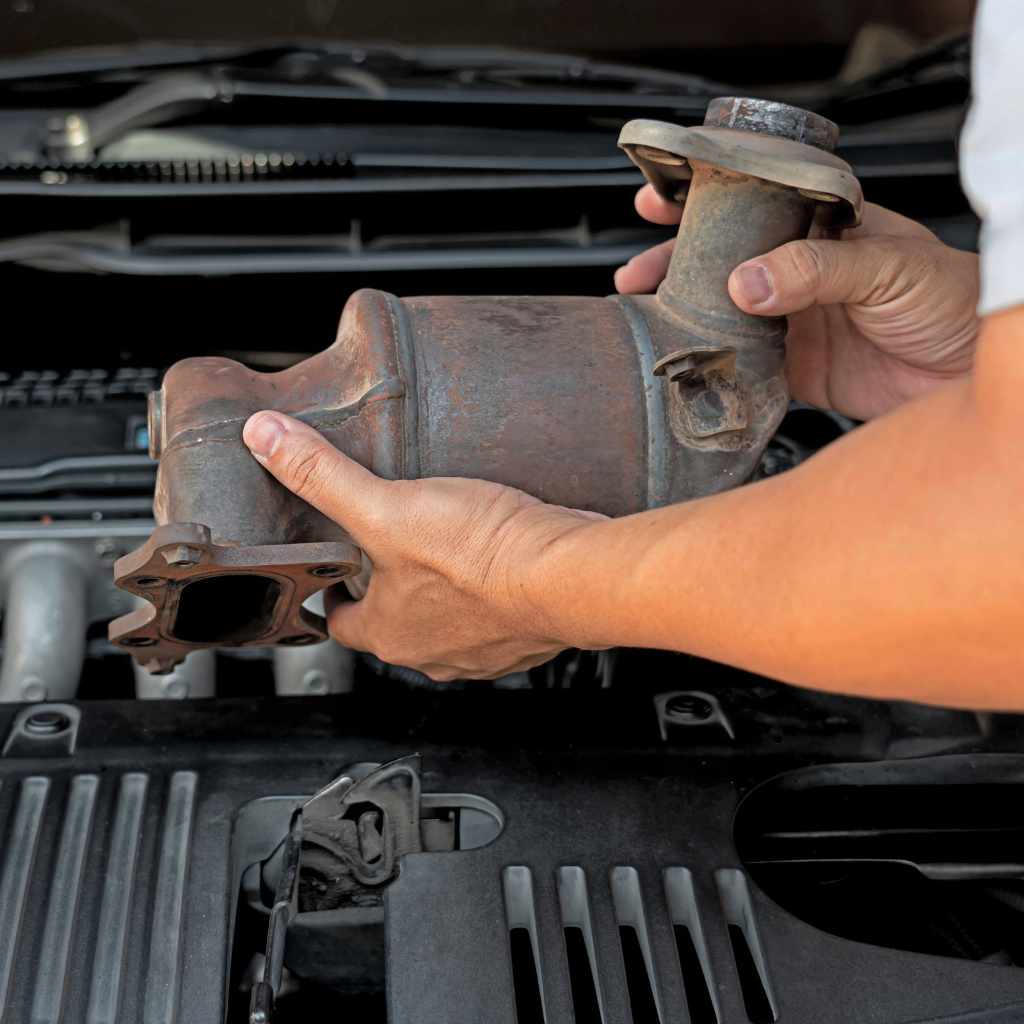
Are Duramax Catalytic Converters Retricing? Proven Fixes
Yes, Duramax catalytic converters can experience “retracing” or premature failure/low efficiency, often indicated by persistent check engine lights. Common causes include improper tuning, excessive soot from diesel systems, and internal substrate damage. We cover simple diagnostics and proven solutions to restore your system’s performance safely.
Welcome! If you drive a powerful Duramax diesel and your check engine light is suddenly telling you something is wrong with the converter, you are not alone. Diesel catalytic converters, especially on heavy-duty trucks, face tough conditions. Sometimes, they seem to fail too soon, or you might hear folks talking about them “retracing.” That term usually means the converter isn’t cleaning the exhaust as well as it should, often showing up as trouble codes related to emissions.
Don’t worry if this sounds confusing. As your trusted guide to exhaust systems, I’m here to break down exactly what “retracing” means for your Duramax, why it happens, and what simple, effective steps you can take to fix it. We will guide you through checking the symptoms and applying the right solutions, letting you get back to driving with confidence.
Understanding Catalytic Converter “Retracing” on Your Duramax
When we talk about a catalytic converter “retracing,” we are using a bit of shop talk that basically means the converter’s efficiency has dropped below the level required by your truck’s computer. For a Duramax, this isn’t usually a single failure; it’s a gradual loss of function. The converter needs to convert harmful gases (like NOx, CO, and unburnt hydrocarbons) into safer ones (like N2 and CO2).
What Does “Retracing” Actually Look Like?
In simpler terms, a retracing converter is one that is tired. It can no longer handle the high exhaust temperatures or the specific chemical makeup of modern diesel exhaust effectively. Here are the main signs you might be dealing with this issue:
- Check Engine Light (CEL): This is the biggest clue. Codes like P0420 (Catalyst System Efficiency Below Threshold) usually point directly to the converter.
- Reduced Performance: Your truck might feel sluggish, especially under load, because the exhaust flow is restricted or the engine is running rich due to sensor confusion.
- Smell: You might notice a distinct “rotten egg” smell (sulfur dioxide), which indicates unburned chemicals leaving the tailpipe.
- Fuel Economy Drop: Since the engine management system compensates for poor emissions, your fuel mileage often suffers.
Diesel vs. Gasoline Converters: Why Duramax Systems Fail Differently
Duramax engines (especially newer ones utilizing Diesel Particulate Filters or DPF systems) have much more complex exhaust aftertreatment than typical gasoline cars. The conditions are much harsher:
- Higher Soot Levels: Diesel combustion inherently creates more soot (particulate matter). While the DPF handles the solid soot, excessive build-up can coat or clog the catalyst materials.
- Higher Temperatures: Regeneration cycles (the DPF cleaning process) create extremely high temperatures within the exhaust system, which can thermally degrade or melt the delicate ceramic matrix inside the converter over time.
- Chemical Contamination: Low-quality fuel or additives can poison the catalyst elements, essentially coating the precious metals required for the chemical reaction.
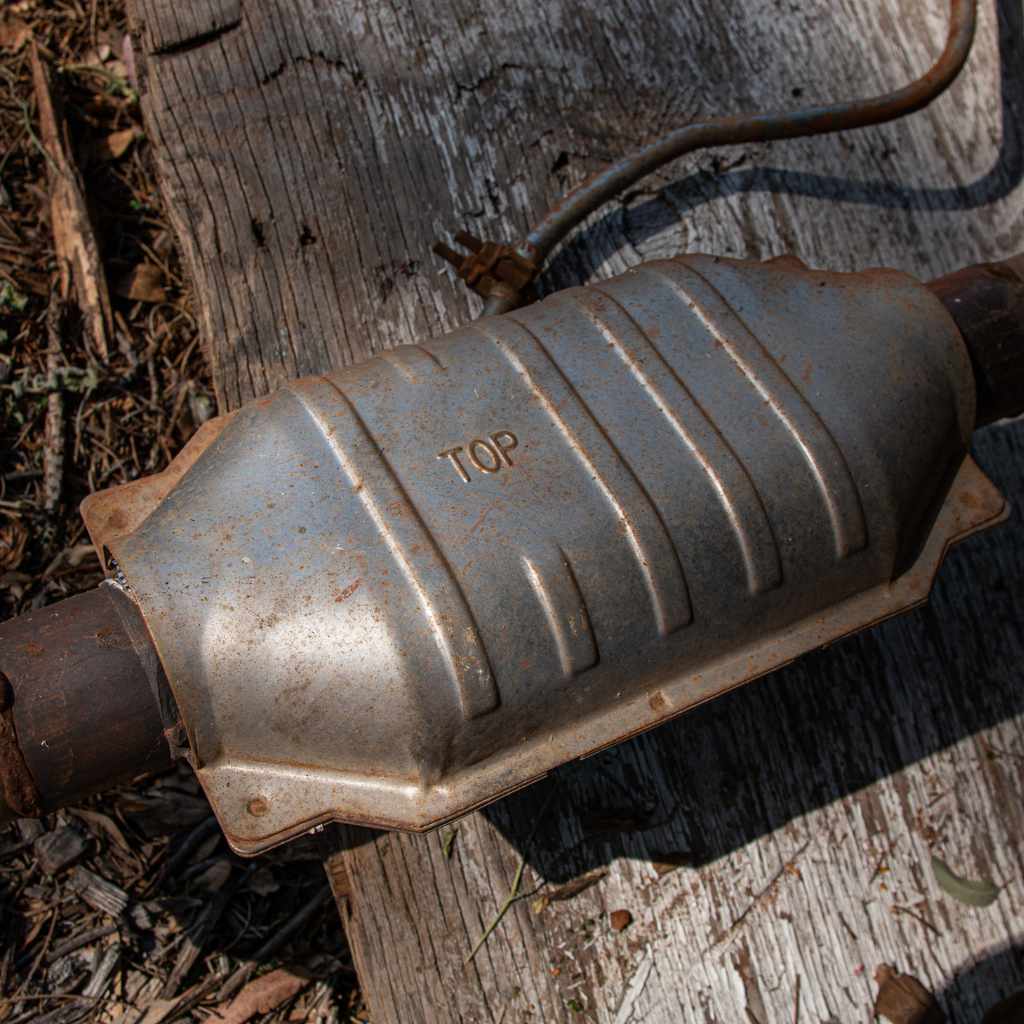
Diagnosing the Root Cause: Is It Really the Converter?
Before jumping to replace an expensive catalytic converter, it is vital to confirm that the converter itself is the problem and not just a symptom of another issue. A very common beginner mistake is replacing the converter only to have the problem return a few weeks later because the underlying cause wasn’t fixed.
Tools You Need for Basic Diagnosis
You don’t need a full professional shop, but a few key tools make the job much easier and safer:
- OBD-II Scanner (Must be capable of reading live data parameters).
- Basic Wrench/Socket Set.
- Safety Glasses and Gloves.
- Temperature Gun (Optional, but highly useful for thermal testing).
Step-by-Step Live Data Check (The Proof Test)
Modern Duramax trucks monitor catalyst performance using two oxygen sensors (O2 sensors or Lambda sensors): one before the converter (upstream) and one after (downstream). For a healthy converter, the readings should look very different.
How to Perform the Test:
- Warm up the truck completely (at least 15 minutes of driving).
- Connect your OBD-II scanner and navigate to the live data stream for bank 1, sensor 1 (upstream) and sensor 2 (downstream).
- Let the engine idle for a few minutes.
Here is what you are looking for in the readings:
| Sensor Location | Healthy Converter Reading | Failing/Retracing Converter Reading |
|---|---|---|
| Upstream (Sensor 1) | Rapidly fluctuating voltage (switching between rich and lean). | Rapidly fluctuating voltage (switching between rich and lean). |
| Downstream (Sensor 2) | Steady voltage (usually hovering around 0.6V to 0.8V), indicating conversion is happening. | Voltage fluctuates similarly to Sensor 1, meaning little to no conversion is occurring. |
If the downstream sensor mirrors the upstream sensor, your computer sees confirmation that the converter is failing to clean the exhaust—that’s your evidence of retracing.
Checking for Other Culprits
These issues mimic converter failure and must be ruled out:
- Faulty O2 Sensors: A bad sensor sends bad data. If the sensor reading is wrong, the computer thinks the converter is bad. Try swapping the downstream sensor if you are unsure.
- Exhaust Leaks: Leaks before the downstream O2 sensor can draw in fresh air, skewing readings and triggering codes.
- Engine Misfires/Fuel Issues: Raw, unburnt fuel dumping into the hot converter can overheat and physically damage the internal structure, causing immediate failure. Ensure injectors are clean and the engine is running smoothly.
To learn more about basic diagnostic trouble codes and what they mean for your specific Duramax model, checking official resources like the Motor Magazine resource page on DTCs can provide deeper, trusted technical context.
Proven Fixes to Address Duramax Converter Retracing
Once you have confirmed the catalytic converter is indeed the source of the problem, you have a few paths forward. For Duramax owners, the path is often complicated by emissions regulations, so choosing the right fix is crucial for long-term success and legality.
Fix 1: The Cleaning and Regeneration Approach (If Minor)
If the converter is only slightly clogged or covered in buildup (often due to only city driving or short trips that prevent proper regeneration), you might bring it back from the brink.
Steps for Deep Cleaning:
- Use a Quality Cleaner: Purchase a reputable catalytic converter cleaning additive designed specifically for diesel systems. Follow the directions exactly, usually involving adding it to the fuel tank.
- Forced Regeneration: If your truck has the functionality (usually via diagnostic software), initiate a forced DPF regeneration cycle. This burns off accumulated soot at very high temperatures, which can sometimes clear minor blockages in the catalyst itself.
- Long Highway Drive: Drive the truck at steady highway speeds (over 2000 RPM) for at least 30 minutes. This provides the sustained high heat needed for the catalysts to work optimally.
When This Works: This fix is only moderately effective for chemical poisoning or light sooting. It will not fix physical damage to the internal matrix.
Fix 2: Replacing the Converter (The Standard Solution)
If the diagnostics confirm severe loss of efficiency, replacement is the necessary route. For Duramax trucks, there are two main replacement options, and you must understand the difference.
Option A: Direct OEM Replacement (Recommended for Emissions Compliance)
This involves purchasing an exact replacement from the dealer or a high-quality aftermarket supplier that is certified for your vehicle’s emissions system. These units are designed to meet strict EPA or CARB (California Air Resources Board) standards.
Pros:
- Guaranteed to clear the check engine light and pass emissions testing (where required).
- Engine management system is calibrated perfectly for this part.
Cons:
- Most expensive option.
- Still susceptible to premature failure if the underlying driving habits or engine tuning are poor.
Option B: Aftermarket “High-Flow” or Off-Road Converters
These are often cheaper but come with significant caveats, especially on modern Duramax engines.
Warning for Diesel Owners: Many aftermarket converters sold online are only designed for lighter gasoline engines. If installed on a heavily loaded Duramax, they may quickly overheat and fail because they cannot handle the increased volume or differing chemical load of diesel exhaust.
Furthermore, installing lower-quality units, or removing the converter entirely (often called “deleting”), is illegal for road use in most of the United States, as confirmed by the Environmental Protection Agency ruling on Tampering with Emission Control Devices.
Fix 3: Addressing the Tuning (For Tuned Trucks)
If your Duramax has been “tuned” or “chipped” for increased horsepower (a common modification), the tuner may have adjusted the parameters that control emissions monitoring. A bad tune can cause the engine to run too rich or too hot, destroying the catalyst.
The Solution:
- Revert to Stock Tune: Flash the engine control unit (ECU) back to the factory stock tune using your tuning device.
- Monitor: Drive the truck in stock mode for a week. If the CEL comes back, the converter replacement itself was likely flawed, or another mechanical issue exists.
- Re-tune Carefully: If the problem disappears, have your tuner adjust the fueling and timing maps to promote cleaner combustion that respects the catalyst’s limits.
Maintenance Tips to Prevent Future Retracing
The best fix is preventing the issue in the first place. Duramax engines are tough, but they require specific aftercare to keep the emissions systems happy. Think of this as preventative maintenance for your exhaust’s health.
Fuel and Oil Quality Matters Immensely
The precious metals inside the catalyst are susceptible to poisoning from contaminants in the engine fluids.
- Use Low-Ash Oil: Always use oil rated for modern diesel engines that specifically meets GM’s Dexos specifications or comparable standards for low-ash content. Ash residue settles on the catalyst and degrades its ability to function.
- Fuel Filters: Change your fuel filters regularly. Contaminated fuel can lead to poor combustion, sending excess soot and unburnt fuel downstream.
- Avoid Fuel Additives that Contain Metal Abrasives: Some older performance additives contain manganese or other metals that permanently coat and “poison” the catalyst elements.
Driving Habits for Catalyst Longevity
Your driving style directly impacts the temperature stability of your converter.
| Driving Scenario | Risk Factor | Advice for Longevity |
|---|---|---|
| Constant Idling | Converter cools down, leading to carbon/soot accumulation. | If stationary for long periods, briefly increase RPMs or shut down. |
| Towing Heavy Loads (Low Speed) | Converter runs too cool or too rich under high load at low speed. | Run in a lower gear (e.g., manual shift mode) to keep RPMs above 1800 during heavy pulls. |
| Frequent Short Trips | Engine never reaches full operating temperature for regeneration. | Once a week, ensure you take a 20-minute drive at highway speed. |
Monitoring Sensor Health
Remember the O2 sensors? They are your truck’s eyes on the converter. If they fail, the entire system malfunctions.
Action Plan:
- Replace upstream and downstream O2 sensors around the 100,000 to 150,000-mile mark as preventative maintenance, even if the codes haven’t appeared yet.
- Use only high-quality replacement sensors (NTK/NGK or Denso are often OEM equivalents) rather than the cheapest available electronics.
Safety Precautions When Working on Exhaust Systems
Working around exhaust components can be dangerous due to high heat and the presence of toxic exhaust gases. Safety must always come first, especially when dealing with systems that handle powerful diesel combustion.
Never Work Hot
Catalytic converters get incredibly hot—thousands of degrees during normal operation or regeneration. They retain this heat for a long time.
- Always let the truck sit for several hours after driving before touching anything related to the exhaust pipe or converter.
- Wear heavy leather work gloves, even when you think it’s cool enough.
Ventilation is Non-Negotiable
Exhaust fumes contain carbon monoxide, which is odorless and deadly. Even a faint leak in the system can fill a garage rapidly.
If you are running the engine for diagnosis (like the live data check), you must do so outdoors or in a facility with professional, high-capacity ventilation systems. Do not rely on opening a single garage door.
Handling Gaskets and Bolts
Exhaust bolts are notorious for rusting and fusing together. Applying a penetrating oil like PB Blaster several hours before starting the job can save you massive headaches later.
If a bolt breaks, retrieving the broken stud can require advanced tools like stud extractors or drilling, potentially turning a one-hour job into an all-day affair. Always approach rusted bolts with caution and patience.
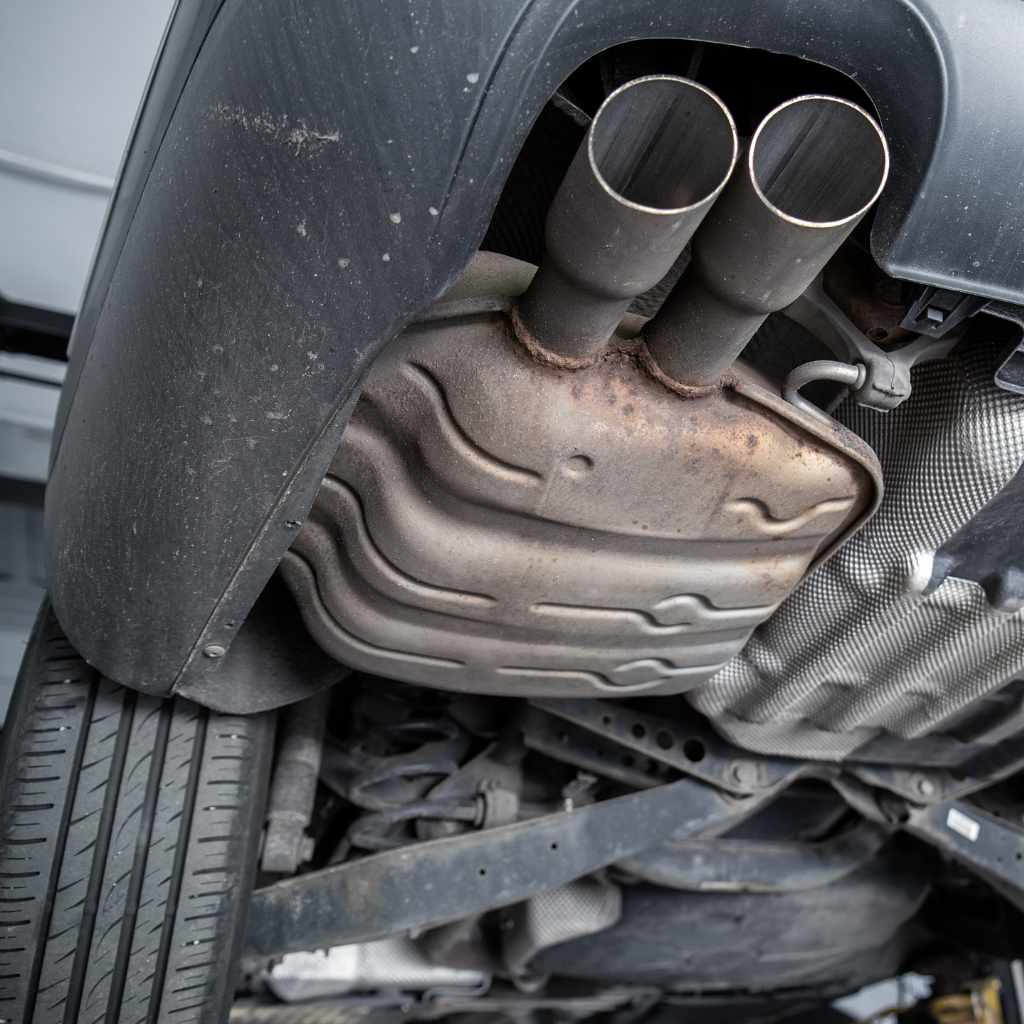
Frequently Asked Questions (FAQ) on Duramax Catalytic Converters
Q1: How long should a catalytic converter last on a Duramax truck?
A properly functioning, factory-equipped catalytic converter on a well-maintained Duramax should easily last 150,000 to 200,000 miles, often lasting the life of the truck if driving conditions are ideal (steady highway use and correct oil usage).
Q2: Can I use a spacer or “de-fouler” to trick the O2 sensor instead of replacing the converter?
While some mechanics use spacers on the downstream sensor to move it out of the direct exhaust stream and temporarily clear the code, this is not a fix for true “retracing.” The truck’s computer still won’t meet emission standards, and it masks the performance issue, potentially leading to overheating or further engine trouble.
Q3: My converter is glowing red under the truck. Is that normal?
No, a glowing red catalytic converter under the truck is a major warning sign of severe failure. It means the catalyst is overheating, usually because raw fuel is being dumped into it (often due to a bad injector or extreme DPF regeneration issue). Shut the truck off immediately and have it professionally inspected.
Q4: Is buying a used catalytic converter a smart purchase?
It is generally risky. You have no way of knowing the usage history or current efficiency of a used converter. It might work for a few months, but you risk replacing a part that is already on its way to failing again, wasting time and money.
Q5: What is the most common code associated with a retracing Duramax converter?
The most frequent code is P0420 (Catalyst System Efficiency Below Threshold Bank 1). Depending on the year and tune, you might also see related codes indicating low catalyst temperature efficiency or specific NOx sensor faults related to the downstream system.
Q6: Can cold weather affect the converter’s readings?
Yes, cold weather can cause temporary monitoring hiccups. When the engine is cold, the computer ignores the downstream sensor until the exhaust reaches a certain operating temperature (catalyst light-off temperature). If the truck sits idling for too long in the cold, the converter might not heat up enough, causing a brief P0420 code that often clears itself once driven.
Conclusion: Keeping Your Duramax Running Clean and Strong
Dealing with a suspected “retracing” catalytic converter on your Duramax can feel daunting, especially given the cost of these components. The good news is that you now have the knowledge to diagnose the issue accurately. Remember, a tired converter is very often a symptom of something else—be it poor driving habits, contaminated fuel, or a faulty sensor.