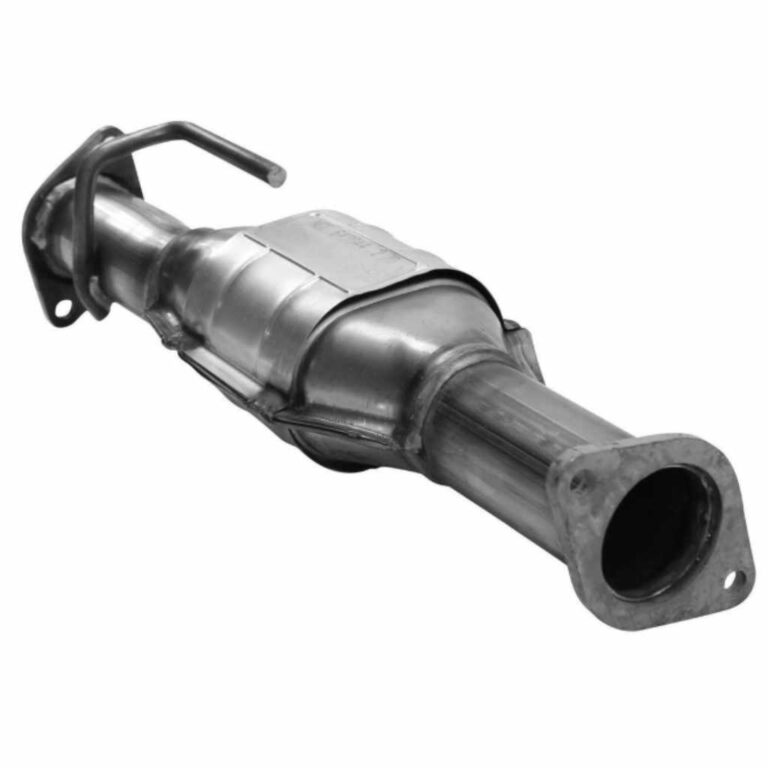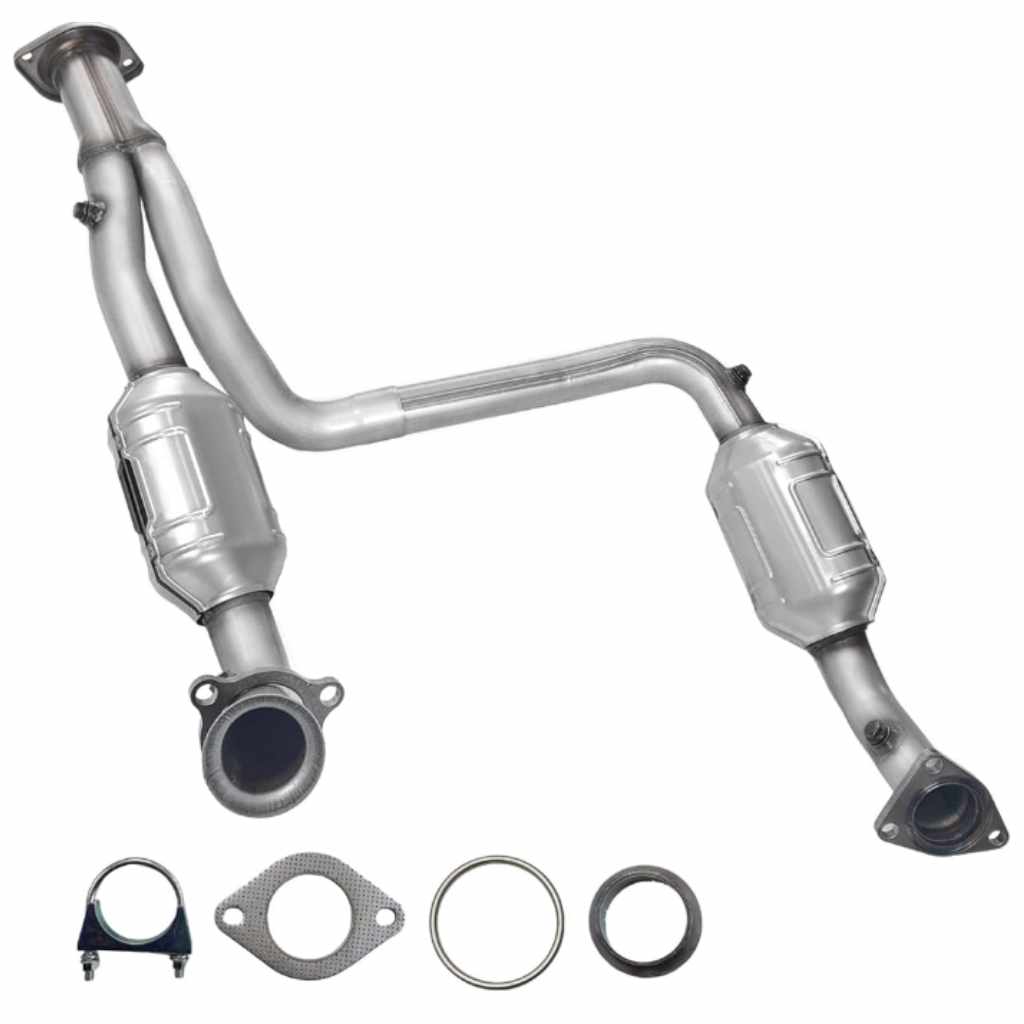
Are Catalytic Converters Required On 1994 Chevy Truck In MA? Essential
The short answer is yes, catalytic converters are generally required on a 1994 Chevy truck registered and inspected in Massachusetts (MA). Federal and state emission laws typically mandate that vehicles retain their original emissions equipment, regardless of the vehicle’s age, when undergoing a safety and emissions inspection.

Sechune
Sechune Catalytic Converter Direct-Fit Compatible with 1992-1995…
- Vehicle Fitment: Sechune Catalytic Converter Compatible with Honda Civic 1992-1995 Honda Civic S DX LX 1.5L, 1994-1995 Civic EX Si…
- Reference Number: 15800, 23117, 4517-AA, 22637
- Attention: This catalytic converter is EPA compliant but not CARB compliant. EPA-compliant catalytic converters can’t be sold/inst…
As an Amazon Associate I earn from qualifying purchases.
Figuring out the rules for older vehicles, especially regarding pollution control equipment, can feel like navigating a maze. If you own a classic or older workhorse like a 1994 Chevy truck in Massachusetts, you might wonder if you still need that essential smog-fighting part: the catalytic converter. Dealing with state inspections often brings up confusion about when these rules apply.
Don’t worry! As your automotive guide, I want to make this perfectly clear. You need reliable information so your truck passes inspection the first time. We will break down the specific Massachusetts requirements for your 1994 model year vehicle. You’ll learn exactly what the law says, why it matters for safety and the environment, and how to ensure your truck stays legal on Massachusetts roads.
Understanding Vehicle Emissions Laws in Massachusetts (MA)
Massachusetts has strict, proven standards to keep the air clean. These standards are often updated, which is why older vehicle owners need to stay informed. The basic rule revolves around making sure the vehicle meets the standards it was designed for when it first rolled off the assembly line.
For your 1994 Chevy truck, compliance means meeting requirements set forth by the Massachusetts Vehicle Check Program, which enforces both federal standards (Environmental Protection Agency or EPA) and state-specific regulations.
The Role of the EPA and Federal Law
Federally, the EPA set timelines and standards for emissions equipment. A key regulation, often called the “anti-tampering” provision, states that once emission control equipment is installed on a new vehicle, it cannot be removed or made deliberately ineffective for as long as the vehicle is operated on public roads.
Since your 1994 Chevy truck was manufactured under these federal guidelines, it left the factory with a catalytic converter designed to reduce harmful pollutants. Tampering with this system is illegal under federal law, regardless of where the truck is driven.
Massachusetts Vehicle Check Program Specifics
Massachusetts enforces these federal rules through its official motor vehicle inspection program. To pass the safety and emissions test required annually, your truck must demonstrate it is operating as designed. This is where the catalytic converter comes into play.
Here is what you need to know about MA inspections for vehicles of that era:
- Inspection Type: Most 1994 vehicles require an OBD-II check (On-Board Diagnostics check) if they were manufactured after 1996, but for 1994 models, they fall into the pre-OBD-II or a dedicated visual/tailpipe emissions test category depending on engine size and fuel type.
- Visual Inspection: Inspectors look under the vehicle to confirm that the original catalytic converter (or a compliant replacement) is still physically in place and appears undisturbed.
- Tailpipe Emissions Test: If a tailpipe test is administered for your vehicle class, your truck must meet specified limits for Hydrocarbons (HC), Carbon Monoxide (CO), and Nitrogen Oxides (NOx). A functioning catalytic converter is absolutely essential to meet these limits.
For authoritative details on inspection requirements, always reference the official site for the Massachusetts Vehicle Check Program, which operates under the Massachusetts Registry of Motor Vehicles (RMV).
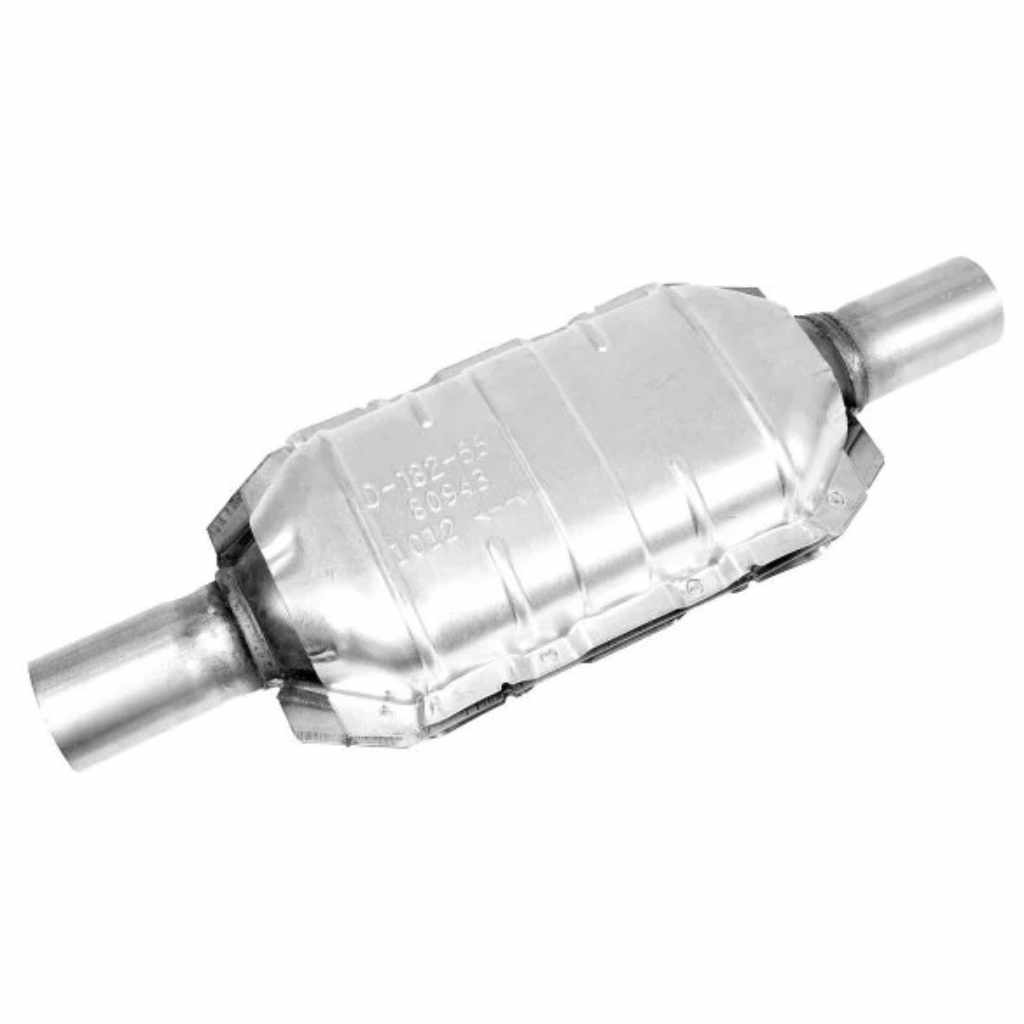
Why Your 1994 Chevy Truck Needs a Cat Converter in MA
It’s easy to think older vehicles should be exempt, but there are practical, legal, and performance-related reasons why that converter is non-negotiable in Massachusetts.
Legal Mandate and Inspection Failure
The simplest reason is passing inspection. If you show up for your annual inspection sticker appointment without a functioning, factory-installed style catalytic converter, you automatically fail. This means you cannot legally register or drive the truck until the issue is fixed.
Environmental Impact
Catalytic converters are vital chemical treatment plants for your exhaust. They convert three major pollutants into less harmful gases:
| Harmful Pollutant | What the Cat Converts It To |
|---|---|
| Carbon Monoxide (CO) | Carbon Dioxide ($CO_2$) |
| Hydrocarbons (HC) | Water Vapor ($H_2O$) and Carbon Dioxide ($CO_2$) |
| Nitrogen Oxides ($NO_x$) | Nitrogen ($N_2$) and Oxygen ($O_2$) |
Removing this device means releasing significantly more smog-forming chemicals into the air, directly contradicting Massachusetts’ commitment to cleaner air standards, especially in densely populated areas.
Safety and Performance Considerations
While removing a cat might sound like a performance trick, it often backfires, especially on a truck from 1994. Your engine control unit (ECU) is programmed expecting a certain level of exhaust restriction and chemical signature. Without the converter:
- Check Engine Light: If your truck has been modified or if the old converter failed, the vehicle’s sensors (if equipped for monitoring) might trigger a Check Engine Light (CEL), which is an automatic failure during the emissions portion of the inspection.
- Engine Performance: Modern engines rely on balanced backpressure. Removing essential exhaust components can sometimes lead to poor fuel economy, rough idling, or less efficient performance because the engine management system gets confused.
- Smell: You will smell raw exhaust fumes, which not only indicates pollution but can also pose a health risk if fumes enter the cab, especially if you have unseen leaks in the undercarriage.
Navigating the Catalytic Converter Requirements: 1994 Model Specifics
The year 1994 sits right on the cusp of major changes in vehicle technology. Many manufacturers transitioned to OBD-II systems around 1996. Your 1994 Chevy truck likely uses an OBD-I system, which changes how emissions are monitored.
Understanding OBD-I vs. OBD-II
The main difference for you is how the truck proves the converter is working:
- OBD-I (Common on 1994 Trucks): Emissions monitoring is usually done via a direct tailpipe test (sampling the exhaust directly) and a visual check. There isn’t a complex network of monitors signaling efficiency like in newer cars.
- OBD-II (1996+): Uses Oxygen Sensors (O2 sensors) before and after the converter to measure efficiency. If the rear sensor reads too similar to the front sensor, the computer knows the cat isn’t working and triggers the CEL.
Because your 1994 model relies heavily on the visual check and the tailpipe limits, keeping the physical converter installed is non-negotiable for passing the MA State Inspection.
What If Your Original Converter is Gone or Damaged?
If you bought the truck used and the converter was already removed, or if the existing one is corroded or broken—a common issue on trucks from the 90s—you must replace it. Since you cannot legally remove it, you must install a unit that complies with Massachusetts law.
Choosing the Right Replacement Converter
This is where many beginners get confused. You cannot simply buy the cheapest part online. You must buy a direct-fit, EPA-compliant, or CARB-compliant converter.
For Massachusetts, the strictest standard applies. While CARB (California Air Resources Board) standards are typically stricter than EPA standards, most aftermarket converters sold for use in states like MA must meet at least EPA Phase I or Phase II standards. Always confirm with the supplier or mechanic that the part meets MA inspection requirements.
Monowar’s Pro Tip on Replacement Parts
When shopping for a replacement catalytic converter for your 1994 Chevy truck, always ask your parts supplier this direct question: “Is this converter C.A.R.B. compliant or at least EPA certified to meet federal anti-tampering laws for emissions states?” If they hesitate, find a different supplier. Ensuring compliance saves you time and money trying to pass a re-inspection later.
The Vehicle Inspection Process for Your 1994 Pickup
Knowing what to expect at the inspection station takes the anxiety out of the process. Here is a breakdown of the steps related to emissions equipment for an older truck.
Step 1: Pre-Inspection Check (What You Should Do)
Before driving to the inspection station, make sure your truck is running its best. A healthy engine makes the converter’s job easier and ensures lower tailpipe readings.
- Ensure Engine is Healthy: Fix any serious engine misfires, oil leaks (oil burning clogs cats), or coolant leaks.
- Drive It Warm: The converter works best when it reaches high operating temperatures (around 800°F). Drive the truck on the highway for at least 15-20 minutes before the test.
- Check for Warnings: Even if your 1994 truck doesn’t have the full OBD-II monitoring, ensure no base engine codes are active that might prompt the inspector to look deeper.
Step 2: The Visual Inspection
The inspector will physically look underneath the truck. They are looking for:
- The presence of the converter itself (usually located in the exhaust stream between the manifolds and the muffler).
- Evidence of cutting, welding, or unauthorized modification around the converter housing.
- Any non-factory exhaust components that might suggest an attempt to bypass the system.
If the converter is missing, damaged, or clearly a cheap, non-certified “test pipe,” you automatically fail.
Step 3: The Emissions Test (Tailpipe Snapshot)
For your 1994 model, the inspector will attach sampling equipment to your tailpipe while the engine is running, often at idle and a higher RPM. They measure the exact compounds listed earlier (HC, CO, NOx).
The limits for a 1994 vehicle are set based on its engine size and Gross Vehicle Weight Rating (GVWR) compared to what it was certified for when manufactured. If the readings exceed these established thresholds, the truck fails, usually citing excessive pollutants, which points directly back to a non-functioning or missing catalytic converter.
Key Differences: Federal vs. State Requirements in MA
It’s crucial to know that Massachusetts has adopted what are known as “Federal Emission Standards” for most vehicles. However, state law can sometimes impose stricter limits, known as “California Emission Standards” or “CARB” standards, on certain vehicles. Let’s see how this generally applies to your older Chevy.
Federal Compliance (EPA)
Federal law requires that any replacement part installed on a vehicle must not increase emissions above the original standard. Since your truck was sold in the US, it must adhere to EPA standards. A proper, modern replacement cat meets these standards.
Massachusetts Specifics (State Adoption)
Massachusetts generally follows the federal baseline unless the vehicle falls under specific adoption mandates (which usually target much newer vehicles subject to California standards). For a 1994 model, the key takeaway is adhering to the visual presence and the resulting tailpipe readings mandated by the state inspection program.
Generally, if a part is sold legally in the US and functioning correctly, it satisfies MA requirements for a 1994 truck. The risk comes from installing uncertified “off-road-only” parts, which are illegal for street use everywhere.
What Happens If I Remove the Catalytic Converter? Consequences in MA
Let’s be blunt: removing the catalytic converter might save you a few hundred dollars upfront, but the consequences in Massachusetts almost always outweigh the savings.
Financial Penalties and Fines
In many states, tampering with emission equipment can result in significant fines. While MA fines might vary, operating a vehicle that fails inspection is illegal. Repeatedly failing or being caught knowingly operating a tampered vehicle will lead to escalating penalties from the RMV.
Inspection Hassles
You cannot renew your registration. You cannot legally drive to work or to activities that require a valid inspection sticker. You will be forced to pay for the repair (a new converter) plus the re-inspection fee every time you try to test the vehicle.
Potential Damage to Your Truck
As mentioned, while less common on older OBD-I systems, in some truck configurations, removing the cat can lean out the exhaust gases too much, potentially leading to issues like melted spark plugs or pre-ignition, damaging your engine over time. It’s simply not worth the risk.
DIY Replacement: Can a Beginner Install a New Cat on a ’94 Chevy?
If your converter is bad, replacement is often possible for a mechanically inclined beginner. Your 1994 Chevy truck likely has a simpler exhaust setup than modern vehicles, which can make the job easier.
Tools You Might Need
Gathering the right tools before you start makes the job much smoother. Safety first: always let the exhaust system cool completely before touching it!
- Safety Glasses and Gloves (Crucial!)
- Jack and jack stands (Never rely only on a jack)
- Wrench set or socket set (Metric and Standard sizes might both be needed depending on modification history)
- Penetrating oil (like WD-40 or PB Blaster) for rusty bolts
- Muffler putty or high-temperature sealant (optional, for sealing minor gaps)
- Wire brush (for cleaning mounting surfaces)
Basic Installation Steps
This is a generalized overview. Always consult a repair manual specific to your exact 1994 Chevy model (e.g., C/K 1500, Silverado, etc.).
- Safety Check: Park the truck on level ground, engage the parking brake, and ensure the exhaust is cool. Jack up the truck safely and secure it firmly on jack stands.
- Locate the Converter: Identify the old catalytic converter. It is often a distinct, bulky section in the mid-pipe.
- Prep the Bolts: Spray all nuts and bolts connecting the converter flanges liberally with penetrating oil. Let it soak for 15 minutes.
- Remove Old Unit: Carefully loosen and remove the bolts securing the converter to the exhaust pipes fore and aft. If the bolts are too rusted, you may need to cut them with a reciprocating saw (be extremely careful of the gas tank or lines nearby).
- Install New Unit: Position the new, compliant catalytic converter. Ensure gaskets are fitted correctly if required. Hand-tighten the bolts on both sides.
- Final Tightening: Once everything is perfectly aligned, tighten the bolts securely, but do not overtighten, as this can warp the flanges.
- Lower and Test: Lower the truck safely. Start the engine and listen immediately for any loud leaks. Let it run until warm to check sealing.
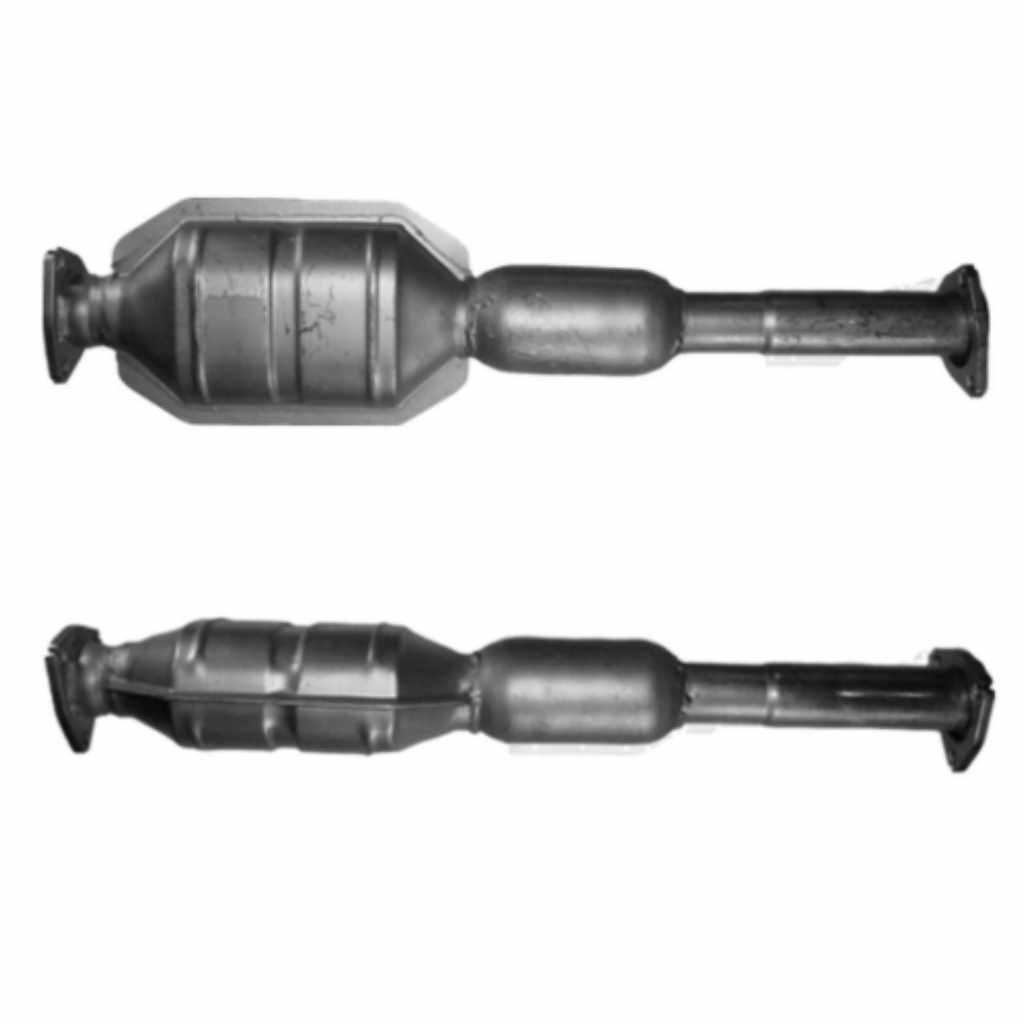
FAQ: Common Questions About Your 1994 Chevy Truck Emissions
Q1: Is there an age exemption for catalytic converters in Massachusetts?
A: No, Massachusetts does not offer a broad age exemption that allows newer vehicles (like a 1994 model) to bypass anti-tampering laws. The requirement to have functioning emission control equipment remains.
Q2: If my 1994 truck is OBD-I, why do I still need the converter?
A: Even though OBD-I trucks do not use complex electronic monitoring like OBD-II, the MA inspection requires a visual confirmation that the required equipment is in place and a tailpipe test to prove low pollutant output. The converter is necessary for both.
Q3: Can I use an inexpensive “universal fit” catalytic converter?
A: Universal converters are cheaper, but they require welding them into the exhaust pipe. While they might work, you must confirm they are EPA-certified. Direct-fit converters (made specifically for your truck model connections) are much easier for beginners to install and provide better assurance of compatibility.
Q4: If I move to Massachusetts from a state without strict emissions, do I need a new, “MA-legal” converter?
A: If you are registering a vehicle that was previously registered elsewhere, MA compliance rules apply immediately. If the vehicle originally came from a non-emissions state and never had a converter, you must install one that meets EPA standards to pass the MA visual and tailpipe test upon registration.
Q5: What happens if the converter is fine, but my truck fails the emissions test anyway?
A: If the converter is present but the gases are too strong, it usually means the engine is running poorly (e.g., burning oil, running too rich). Fixing the engine issue (like bad spark plugs, faulty oxygen sensors, or fuel injector problems) is the next step. A healthy engine is key to a passing test.
Related pick: Check today's price on Amazon