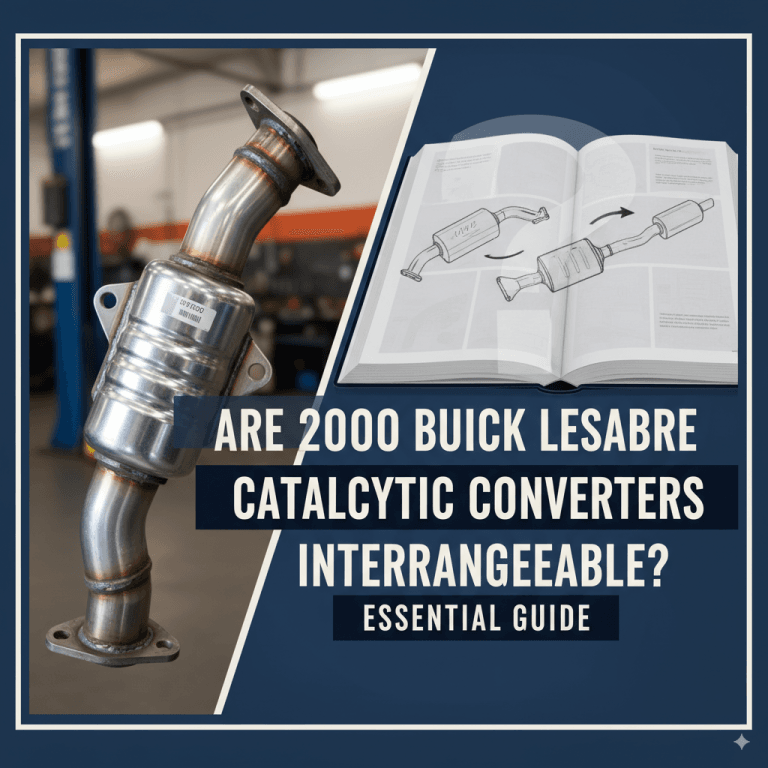
Are Catalytic Converters Necessary? Proven Facts
Yes, catalytic converters are absolutely necessary for the health of our planet and the legality of your vehicle. They are a crucial part of your car’s exhaust system, designed to significantly reduce harmful emissions. Ignoring them can lead to environmental damage, failed emissions tests, and potential legal trouble.
Ever wondered what that strange metal box is on your car’s exhaust pipe? That’s your catalytic converter, and it plays a super important role. Many car owners aren’t sure if it’s a big deal or if they can just do without it. It’s a common question, and understandably, car parts can seem complicated.
But don’t worry! I’m here to break it all down in a way that’s easy to understand. We’ll look at why these converters are so vital, what they do, and what happens if they aren’t there. By the end, you’ll know exactly why your car needs one and feel more confident about its exhaust system.
Are Catalytic Converters Necessary? The Simple Answer
In short, yes, catalytic converters are absolutely essential. They are required by law in most parts of the world for a reason: to protect our air quality. Without them, your car would release dangerous pollutants directly into the atmosphere. Think of them as your car’s personal lungs, cleaning up the exhaust before it gets out.
These devices are a key component of modern vehicles and have been mandatory on new cars for decades. Their primary job is to convert toxic gases produced during combustion into less harmful substances. This process is crucial for meeting emission standards set by governments and for contributing to a healthier environment for everyone.
What Exactly Is a Catalytic Converter and How Does It Work?
A catalytic converter is a device found in the exhaust system of most gasoline-powered vehicles. It looks like a metal can or box, usually positioned between the engine and the muffler. Inside this seemingly simple casing is a honeycomb structure, typically made of ceramic or metal, coated with precious metals like platinum, palladium, and rhodium. These metals act as catalysts – substances that speed up chemical reactions without being consumed themselves.
When your engine burns fuel, it produces several harmful gases. The main ones we’re concerned about are:
- Carbon Monoxide (CO): A colorless, odorless, and poisonous gas.
- Hydrocarbons (HC): Unburned fuel that contributes to smog.
- Nitrogen Oxides (NOx): Gases that contribute to smog and acid rain.
As these exhaust gases pass through the honeycomb structure of the catalytic converter, the catalytic materials trigger chemical reactions that transform these harmful pollutants into:
- Carbon Dioxide (CO2): Less harmful and a natural part of the atmosphere (though still a greenhouse gas).
- Water (H2O): Harmless water vapor.
- Nitrogen (N2): The main component of the air we breathe, which is harmless.
This “three-way” catalytic converter, capable of handling these three types of pollutants simultaneously, is the most common type used today. The process requires specific temperatures to be effective, which is why the converter is placed relatively close to the engine.
The Role of Precious Metals
The effectiveness of a catalytic converter relies heavily on the precious metals coating its internal structure. Platinum, palladium, and rhodium are used because of their unique ability to facilitate the chemical reactions needed to neutralize pollutants. These metals are highly resistant to corrosion and have the right chemical properties to promote oxidation and reduction reactions efficiently. The honeycomb structure maximizes the surface area exposed to the exhaust gases, allowing the catalysts to work effectively as the gases flow through.
According to the U.S. Environmental Protection Agency (EPA), catalytic converters can reduce up to 90% of harmful emissions from a vehicle.
Proven Facts: Why Catalytic Converters Are Necessary
The necessity of catalytic converters isn’t just a suggestion; it’s backed by science and law. Here are the proven facts that underscore their importance:
1. Environmental Protection
This is the most significant reason for catalytic converters. Before their widespread adoption, vehicle emissions were a major contributor to air pollution, leading to:
- Smog: Reduced visibility in urban areas, making breathing difficult.
- Acid Rain: Damaging forests, lakes, buildings, and infrastructure.
- Health Problems: Respiratory issues like asthma, bronchitis, and lung damage, especially in children and the elderly, due to pollutants like nitrogen oxides and particulate matter.
By converting toxic gases into less harmful ones, catalytic converters have dramatically improved air quality in many parts of the world. The reduction in carbon monoxide, hydrocarbons, and nitrogen oxides is directly linked to fewer smog alerts and a decrease in pollution-related illnesses.
2. Legal Compliance
In virtually every country with environmental regulations, operating a vehicle without a functioning catalytic converter is illegal. Most regions have mandatory emissions testing programs (often called smog checks or inspections) that vehicles must pass to be registered and legally driven. A missing or non-functional catalytic converter will cause a vehicle to fail these tests.
These laws are in place to ensure that all vehicles on the road meet minimum air quality standards. Tampering with or removing a catalytic converter can result in significant fines, and the vehicle may be impounded.
3. Vehicle Performance and Efficiency
A properly functioning catalytic converter contributes to overall engine efficiency. While it adds some resistance to the exhaust flow, modern designs are optimized to minimize this impact. In fact, a clogged or failing catalytic converter can severely restrict exhaust flow, leading to:
- Reduced engine power and acceleration.
- Decreased fuel economy.
- Poor engine performance, including stalling or rough idling.
When the converter is working correctly, it helps the engine manage exhaust gases efficiently, contributing to smoother operation and better fuel consumption.
4. Fuel Savings
As mentioned above, a healthy catalytic converter allows for efficient exhaust flow. When the exhaust system is not choked by a clogged converter, the engine doesn’t have to work as hard. This can translate into better miles per gallon, meaning you’ll spend less on fuel. Conversely, a deteriorating converter can begin to affect backpressure and, consequently, your fuel efficiency.
5. Safety
While not their primary function, catalytic converters indirectly contribute to safety by preventing the release of carbon monoxide. Carbon monoxide is a deadly gas. Although it’s primarily an issue in enclosed spaces, a severe exhaust leak involving the converter area could conceivably introduce small amounts into the cabin, though this is rare and would likely be accompanied by other, more obvious exhaust issues.
What Happens If You Remove or Damage Your Catalytic Converter?
Removing or damaging your catalytic converter can have several immediate and long-term consequences. It’s a modification that is strongly discouraged for the reasons outlined above. Here’s what you can expect:
- Drastic Increase in Emissions: Your car will immediately begin spewing out harmful pollutants at levels far exceeding legal limits.
- Check Engine Light: Modern cars have sensors that monitor the catalytic converter’s performance. If it’s not working correctly or is removed, the “Check Engine” light will illuminate on your dashboard.
- Failed Emissions Tests: If your area requires emissions testing, your car will fail automatically.
- Legal Penalties: You risk hefty fines and other penalties for operating a vehicle that does not comply with emissions standards.
- Reduced Performance: A damaged or failing converter can lead to “catalytic converter heat soak,” where the converter overheats and restricts exhaust flow, causing significant power loss.
- Voided Warranty: In some cases, tampering with emissions control devices can void your vehicle’s warranty.
- Increased Noise: While the catalytic converter itself doesn’t significantly dampen sound, its removal or damage can sometimes alter the exhaust note, making it louder and raspier.
The Allure of Catalytic Converter Theft
Unfortunately, catalytic converters are targets for theft due to the valuable precious metals they contain. This theft is a growing problem in many areas. If your catalytic converter is stolen, you’ll notice a very loud, distinctive roaring noise from your exhaust because the exhaust pipe will be significantly altered. You will need to replace it immediately to drive your car legally and safely.
Catalytic Converter Lifespan and Common Issues
Catalytic converters are designed to last the life of a vehicle, often 100,000 miles or more. However, they can fail prematurely due to several factors:
- Mechanical Damage: Road debris or impacts can cause physical damage to the converter’s housing or internal structure.
- Engine Misfires: Unburned fuel entering the converter can cause it to overheat and melt the internal honeycomb structure.
- Contaminated Fuel or Oil: Using leaded gasoline (which is now rare) or excessive oil consumption can coat the catalyst materials, rendering them ineffective.
- Coolant Leaks: Coolant can leak into the combustion chamber and then into the exhaust, damaging the converter.
- Age and Wear: Over time, the precious metal coatings can degrade, reducing efficiency.
Regular maintenance and addressing engine issues promptly can help prolong your catalytic converter’s life.
Types of Catalytic Converters
While the “three-way” converter is the most common, there are a few variations:
| Type of Converter | Primary Function | Description |
|---|---|---|
| Two-Way (Oxidation) | Converts CO to CO2 and HC to CO2. | Older technology, primarily found in diesel engines or some older gasoline vehicles. Less common now. |
| Three-Way (Oxidation-Reduction) | Converts CO to CO2, HC to CO2, and NOx to N2 and O2. | Standard for modern gasoline engines. Simultaneously oxidizes CO and HC while reducing NOx. |
| Direct-Fit | N/A | Designed to replace the original converter exactly. Often more expensive but ensures proper fit and function. |
| Universal | N/A | A generic converter that requires modification to fit. Less expensive but installation can be more complex. |
For most passenger cars and light trucks on the road today, the three-way catalytic converter is the de facto standard. When replacing a converter, choosing a direct-fit model is often recommended for ease of installation and guaranteed compatibility with your vehicle’s emissions system.
Catalytic Converter Maintenance and Inspection
You generally don’t “maintain” a catalytic converter in the way you do an oil change. Its lifespan is primarily determined by the health of your engine and the purity of the fuel and oil used. However, there are ways to ensure it’s working correctly and to prevent damage:
- Address Engine Problems Promptly: Fix any engine misfires, oil leaks, or coolant leaks immediately. These issues can quickly damage your converter.
- Use Quality Fuel: Whenever possible, use the recommended grade of unleaded gasoline for your vehicle. Avoid additives unless recommended by your manufacturer.
- Regular Inspections: During routine maintenance, ask your mechanic to visually inspect the catalytic converter for any signs of damage, rust, or leaks. They can also check for rattles, which might indicate a broken internal structure.
- Monitor for Warning Signs: Pay attention to changes in your car’s performance, such as loss of power, decreased fuel economy, or a sulfurous (rotten egg) smell from the exhaust. These can be indicators of a failing converter.
- Emissions Testing: If you live in a state or country with emissions testing, ensure your car passes these tests. It’s a direct indication of your converter’s health.
Signs of a Failing Catalytic Converter
Here are some common signs that your catalytic converter might be failing:
- Reduced Engine Performance: A significant loss of power, especially during acceleration.
- Check Engine Light: Illuminated on the dashboard, often with specific codes related to catalytic converter efficiency.
- Sulfur or Rotten Egg Smell: This smell typically indicates a converter that is overheating or not processing hydrogen sulfide properly.
- Failed Emissions Test: The most definitive sign if you are subjected to a smog check.
- Rattling Noises: Especially on startup or when the engine is under load, this can mean the ceramic honeycomb inside has broken apart.
- Black Smoke: A sign of severe engine issues leading to too much unburned fuel.
If you suspect your catalytic converter is failing, it’s crucial to have it inspected by a qualified mechanic as soon as possible. Continuing to drive with a severely clogged converter can cause further damage to your engine.
Frequently Asked Questions (FAQ)
Do catalytic converters make cars more expensive?
Yes, the precious metals (platinum, palladium, rhodium) inside catalytic converters are valuable and add to their cost. They also add to the overall manufacturing cost of a vehicle. However, their necessity for emissions control and legal compliance outweighs their expense for vehicle owners and society.
Can I legally remove my catalytic converter?
In most places with emissions regulations, it is illegal to remove or tamper with your catalytic converter. Doing so will cause your vehicle to fail emissions tests required for registration and can result in significant fines. Laws are in place to protect public health and the environment from harmful vehicle emissions.
What is the “rotten egg” smell from my exhaust?
A sulfur or “rotten egg” smell usually means that the catalytic converter is overheating or has become inefficient at processing hydrogen sulfide, a byproduct of burning fuel. This often indicates that the converter is starting to fail or has been damaged. It’s best to get it checked by a mechanic.
How long does a catalytic converter typically last?
A catalytic converter is designed to last for a long time, often over 100,000 miles, and ideally for the life of the vehicle. However, its lifespan can be significantly reduced by engine problems like misfires, oil consumption, coolant leaks, or physical damage from road debris.
Is it safe to drive without a catalytic converter?
From an emissions perspective, no, it is not safe or legal to drive without a catalytic converter. It will cause your vehicle to pollute the air with harmful gases. From a mechanical perspective, a missing converter can lead to excessive noise and may cause regulatory issues. While it won’t typically cause your car to break down immediately like a faulty brake line, it’s a critical component for environmental and legal reasons.
What’s the difference between a direct-fit and a universal catalytic converter?
A direct-fit converter is made to bolt directly onto your vehicle’s exhaust system in the exact location of the original one. It requires no cutting or welding and ensures proper fit. A universal converter is a more generic part that can be adapted to fit many different vehicles, but it requires cutting and welding into your exhaust system.
Can a clogged catalytic converter cause my car to stop running?
Yes, if a catalytic converter becomes severely clogged, it can create excessive backpressure in the exhaust system. This pressure can prevent the engine from running efficiently, leading to a complete shutdown or inability to start. It’s a critical failure point that needs immediate attention.
Conclusion
To wrap things up, the question of “Are catalytic converters necessary?” has a very firm and resounding “yes!” These vital components are far more than just another part of your car’s exhaust system; they are essential for protecting our environment and ensuring your vehicle operates legally and efficiently. They work tirelessly behind the scenes, transforming harmful pollutants from your engine into much safer gases, contributing to cleaner air for everyone to breathe.
From meeting increasingly stringent government regulations to preventing the widespread issues of smog and air pollution, the catalytic converter plays an indispensable role. While they are built to last, understanding potential issues, common failure signs, and the importance of proper engine maintenance can help prolong their life and ensure your car continues to run smoothly and responsibly.
If you ever suspect a problem with your catalytic converter, don’t hesitate to consult a trusted mechanic. Keeping this crucial part of your exhaust system in good working order is a win for your car, your wallet, and our planet.