Why I Started Wondering About Catalytic Converters
When I was a kid, my dad’s old truck started making weird noises, like it was choking on something. He said the catalytic converter was acting up, and I pictured a giant filter stuffed with gunk. Years later, working on cars myself, I heard folks ask, Are calcium and magnesium bad for your catalytic converter? It’s a great question! This article dives into what these minerals do to your car’s catalytic converter, why it matters, and how to keep your ride running smoothly. I’ll share easy tips, a few mistakes I made, and simple ways to avoid costly repairs. Let’s get rolling!
What Is a Catalytic Converter, Anyway?
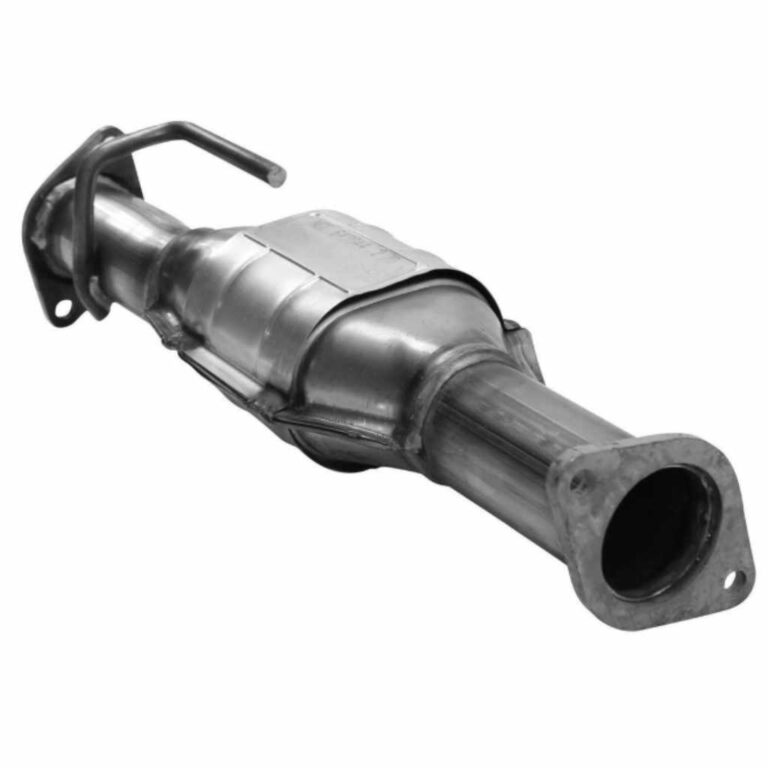
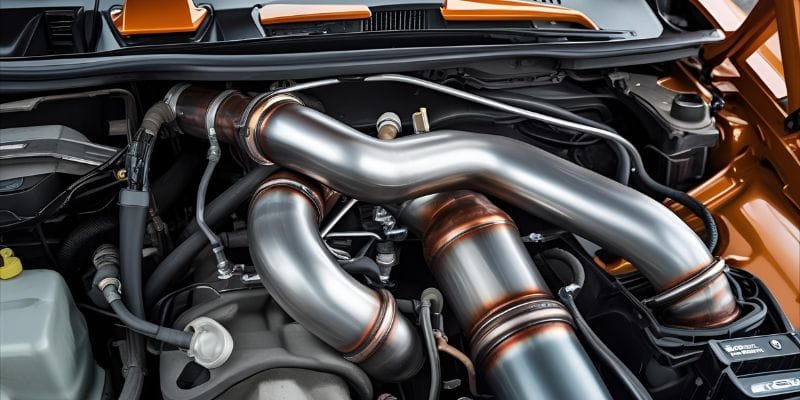
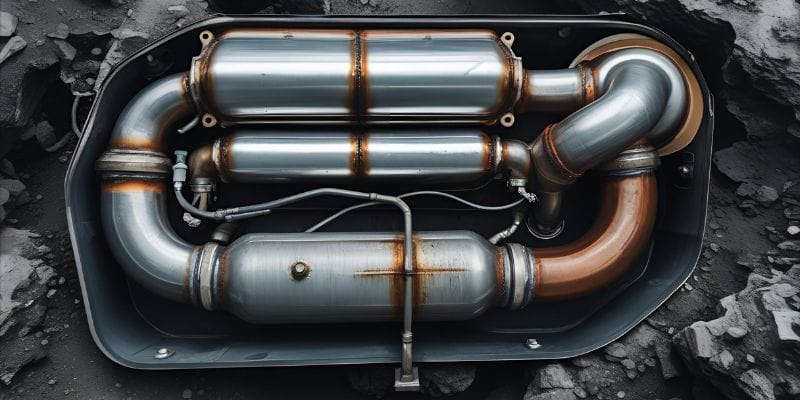
Your car’s catalytic converter is like a superhero for the environment. It sits in the exhaust system, turning harmful gases into safer stuff like water and carbon dioxide.
How It Works
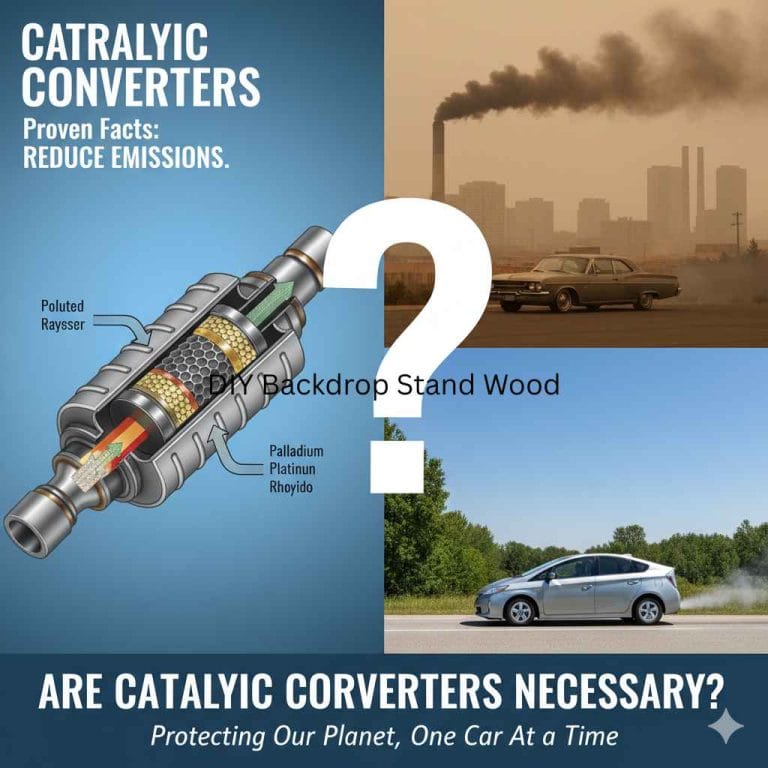
Inside, it’s got a honeycomb structure coated with precious metals like platinum and palladium. These metals spark chemical reactions to clean up exhaust gases. Think of it like a magic sponge soaking up bad stuff!
Why Calcium and Magnesium Matter
Calcium and magnesium are minerals found in some fuels, oils, or coolant. If they sneak into your exhaust, they can stick to the catalytic converter’s honeycomb and mess things up.
Can Calcium and Magnesium Really Hurt Your Converter?
Yes, calcium and magnesium can harm your catalytic converter, but it’s not super common. These minerals often come from low-quality fuel, oil leaks, or coolant leaks.
How They Cause Trouble
When calcium or magnesium gets into the exhaust, they can coat the precious metals inside the converter. This blocks the chemical reactions, making your car less efficient. I once saw a friend’s car puff out dark smoke because of this!
Signs of Damage
Here’s how you know your catalytic converter might be struggling:
- Check Engine Light: It pops on, often with codes like P0420.
- Weird Smells: A rotten egg smell means trouble.
- Poor Power: Your car feels sluggish, like it’s dragging.
Common Sources of Calcium and Magnesium
Where do these minerals come from? Let’s break it down.
Low-Quality Fuel
Some cheap gas has additives with calcium or magnesium. They burn and leave residue in your exhaust system.
Oil or Coolant Leaks
If your engine burns oil or leaks coolant, these fluids can carry calcium and magnesium into the converter. I learned this the hard way when my old sedan’s head gasket failed.
Road Salt and Debris
In winter, road salt (which has calcium and magnesium) can splash onto your exhaust. It’s rare, but it can add up over time.
How to Protect Your Catalytic Converter
Keeping your catalytic converter safe is easier than you think. Here are steps to follow:
- Use Good Fuel: Stick to high-quality gasoline from trusted stations.
- Check for Leaks: Fix oil or coolant leaks fast to avoid contamination.
- Regular Tune-Ups: Keep your engine in top shape to prevent misfires.
Tools You’ll Need
You don’t need fancy gear, but these help:
- OBD2 Scanner: Checks for error codes (about $20-$50).
- Basic Wrench Set: For inspecting exhaust parts.
- Quality Fuel Filter: Keeps bad stuff out of your engine.
Comparing Maintenance Costs
Here’s a quick table to show how small fixes can save you big bucks.
| Issue | Cost to Fix | Cost if Ignored |
|---|---|---|
| Oil Leak | $100-$300 | $1,000-$2,000 (converter replacement) |
| Low-Quality Fuel | $10-$20/tank | $500-$1,500 |
| Regular Tune-Up | $50-$150 | $1,000+ |
| Table 1: Maintenance vs. Replacement Costs |
My Biggest Mistake (and How to Avoid It)
When I was new to cars, I ignored a check engine light for weeks. Big mistake! My catalytic converter got clogged, partly from oil leaks carrying calcium. It cost me $1,200 to replace. Don’t skip regular maintenance—it’s a money-saver!
Common Mistakes to Avoid
- Ignoring Warning Lights: Always check codes with an OBD2 scanner.
- Using Cheap Gas: It’s tempting, but it can hurt your converter.
- Skipping Tune-Ups: A healthy engine means a happy converter.
Benefits of Keeping Your Converter Clean
A healthy catalytic converter does more than you think:
- Better Gas Mileage: Saves you money at the pump.
- Cleaner Air: Helps the planet by cutting pollution.
- Smooth Driving: No sluggish acceleration or weird smells.
Drawbacks of Neglect
If you let calcium or magnesium build up, you’ll face:
- Expensive repairs (up to $2,000).
- Failed emissions tests.
- A car that drives like a tired turtle.
Alternative Approaches to Protect Your Converter
Can’t afford a full tune-up? Try these:
- Fuel Additives: Some clean your engine and exhaust (e.g., Cataclean, ~$20).
- Drive Longer Trips: Short drives don’t heat the converter enough to burn off gunk.
- Check Road Salt: Rinse your car’s undercarriage in winter.
Visual Ideas
- Diagram of a Catalytic Converter: Show the honeycomb inside.
- Flowchart for Maintenance: Steps to check for leaks or bad fuel.
- Photo of an OBD2 Scanner: Show how easy it is to use.
Cost-Saving Tips from My Garage
Here’s what I’ve learned over years of tinkering:
- Shop Around for Fuel: Find stations with good reviews for quality gas.
- DIY Checks: Use a cheap OBD2 scanner to catch issues early.
- Winter Washes: Rinse road salt off to protect your exhaust.
Comparing Fuel Types
| Fuel Type | Cost/Tank | Risk to Converter |
|---|---|---|
| Top-Tier Gasoline | $40-$60 | Low |
| Discount Gasoline | $30-$50 | High (additives) |
| Premium Gasoline | $50-$70 | Very Low |
| Table 2: Fuel Types and Converter Safety |
Frequently Asked Questions
Are Calcium and Magnesium Bad for Your Catalytic Converter?
These minerals can coat the converter’s precious metals, blocking its ability to clean exhaust gases. This happens from bad fuel, oil, or coolant leaks. Use quality gas and fix leaks fast to keep it safe.
Can I Clean My Catalytic Converter?
You can try fuel additives like Cataclean to clear minor clogs. For heavy buildup, a mechanic might need to replace it. Always check for engine issues first to avoid repeat problems.
How Do I Know If My Converter Is Clogged?
Look for a check engine light, rotten egg smells, or sluggish acceleration. An OBD2 scanner showing codes P0420 or P0430 often means converter trouble.
Does Road Salt Hurt My Catalytic Converter?
Road salt with calcium or magnesium can splash onto the exhaust and cause minor buildup. Rinse your car’s undercarriage in winter to reduce the risk.
Can Bad Fuel Really Damage My Converter?
Yes, cheap fuel with calcium or magnesium additives can leave residue in the converter. Stick to top-tier gasoline to keep your exhaust system clean.
How Long Does a Catalytic Converter Last?
Most last 10 years or 100,000 miles. Regular maintenance and good fuel can extend their life, saving you from costly replacements.
Can I Drive With a Bad Converter?
It’s not safe to drive long with a bad converter. It can overheat, damage your engine, or fail emissions tests. Fix it as soon as you can.
Conclusion
Calcium and magnesium can mess with your catalytic converter, but it’s easy to keep things running smoothly. Use good fuel, fix leaks fast, and check your engine regularly. My old truck taught me the hard way, but now I save cash with simple maintenance. Try checking your car with an OBD2 scanner this weekend—it’s a piece of cake! Share your car tips in the comments or ask me a question. Let’s keep our rides purring!
Links to Learn More:
- EPA on Vehicle Emissions
- CARB Emissions Standards
- Advance Auto Parts on Converters