Are Catalytic Converters Paid For By Manufacturer: Essential Guide
No, manufacturers do not directly pay for catalytic converter replacements during routine ownership. However, they are often covered under your vehicle’s warranty for a specified period or mileage, especially if the failure is due to a manufacturing defect.

Walker
Walker Standard EPA 15038 Universal Catalytic Converter…
- COMPATIBILITY – Fits 1986-1988 Porsche 944; 1985-1985 Volvo 745; 1993-1995 Volvo 850; 1994-1994 Volvo 850; 1995-1995 Volvo 850; 19…
- GET THE RIGHT PART -- Before purchasing, please check the “Amazon Confirmed Fit” bar to ensure this part will fit your vehicle; en…
- EPA COMPLIANT -- For use on pre-OBDII vehicles, 1995 and older. Consult your state's aftermarket converter regulations for details…
As an Amazon Associate I earn from qualifying purchases.
Got a check engine light blinking or worried about your car’s emissions? You might be wondering about your catalytic converter, a crucial part of your exhaust system. It’s a common question for many car owners: if this expensive part fails, does the manufacturer foot the bill? It can feel like a mystery, leaving you stressed about unexpected repair costs.
But don’t worry! I’m here to break it down in a way that’s easy to understand. We’ll explore exactly when and under what conditions a manufacturer might cover your catalytic converter, and what you can do to ensure you’re covered. Let’s demystify this for you, so you can drive with confidence!
Understanding What a Catalytic Converter Does
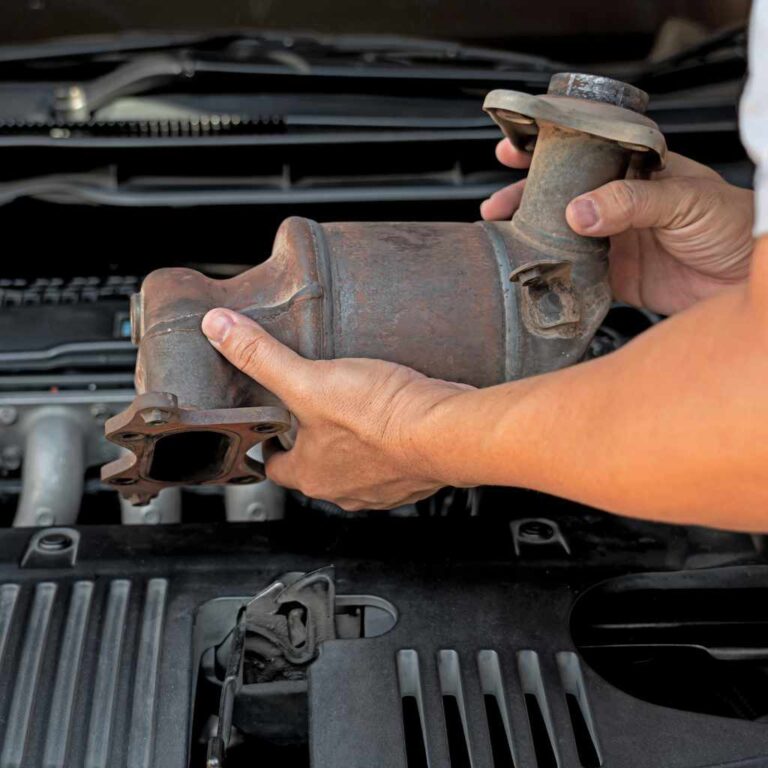
Before we dive into who pays for it, let’s quickly touch upon what your catalytic converter actually does. Think of it as your car’s personal air purifier for exhaust fumes. Its main job is to convert harmful pollutants from your engine’s combustion into less harmful gases. This is vital for reducing air pollution and keeping your car running efficiently and legally.
Here’s a simple breakdown:
- Converts toxic gases: It transforms harmful gases like carbon monoxide (CO), nitrogen oxides (NOx), and unburned hydrocarbons (HC) into water vapor (H2O), nitrogen gas (N2), and carbon dioxide (CO2).
- Reduces emissions: This process significantly lowers the amount of pollution released into the atmosphere, helping to meet environmental regulations.
- Improves performance: A healthy catalytic converter can also contribute to better fuel efficiency and smoother engine operation.
Without a working catalytic converter, your car will produce much higher emissions, likely fail an emissions test, and can even experience performance issues. It’s a small but mighty component in your exhaust system!

When Are Catalytic Converters Covered by the Manufacturer?
This is the big question, and the answer usually boils down to one key factor: warranty. Manufacturers typically stand behind their parts for a certain period or mileage. If your catalytic converter fails due to a manufacturing defect within this warranty period, the manufacturer will likely cover the replacement cost.
Here’s a closer look at the specifics:
Manufacturer Warranties Explained
Most new vehicles come with several types of warranties:
- Bumper-to-Bumper (Comprehensive) Warranty: This is usually the most extensive and covers most components of the vehicle for a set number of years or miles (e.g., 3 years/36,000 miles). If your catalytic converter fails due to a defect within this period, it’s typically covered.
- Powertrain Warranty: This focuses on the core components that make the car move, like the engine and transmission. Catalytic converters are often considered part of the powertrain and are covered under this warranty for a longer duration (e.g., 5 years/60,000 miles, or even up to 8 years/80,000 miles in some cases).
- Emissions Warranty: This is specifically designed to cover components related to your vehicle’s emissions control system. Catalytic converters are a primary component of this system. Emissions warranties often have longer coverage periods than bumper-to-bumper warranties, sometimes mandated by federal law, like the U.S. Environmental Protection Agency (EPA) regulations for emissions controls.
Important Note: Warranty coverage for catalytic converters is almost always dependent on the failure being attributed to a manufacturing defect, not normal wear and tear or damage caused by external factors.
Emissions Control Systems and Federal Mandates
In many countries, including the United States, there are strict regulations regarding vehicle emissions. These regulations often come with specific warranty requirements for critical emissions components. For instance, the EPA requires catalytic converters and other major emissions components to be warranted for at least:
- 2 years or 24,000 miles (whichever comes first) for “New Federal Short-Term Emission Warranty.”
- 8 years or 80,000 miles for “New Federal Long-Term Emission Warranty” for specific, more expensive parts like the catalytic converter and the engine control module (ECM).
This means even after your basic bumper-to-bumper warranty expires, your catalytic converter might still be covered for a significant period if it fails due to a defect. Always check your vehicle’s owner’s manual or the manufacturer’s warranty information for the exact coverage details for your specific car model and year.
What is NOT Typically Covered by Manufacturer Warranties?
While manufacturers cover defects, they generally do not cover issues caused by:
- Neglect or Poor Maintenance: If your car hasn’t had regular oil changes, air filter replacements, or other scheduled maintenance, and this leads to catalytic converter failure, the warranty may be void. For example, using the wrong type of oil or contaminated fuel can damage the converter.
- Physical Damage: If your catalytic converter is damaged due to an accident, hitting road debris, or any other external physical impact, the manufacturer will not cover the repair.
- Improper Repairs or Modifications: If your exhaust system has been modified, or if repairs were carried out using non-approved parts or by unqualified technicians, it can void the warranty on related components.
- Normal Wear and Tear: Like any part on a car, catalytic converters have a limited lifespan. While they are designed to last a long time, they can eventually fail due to age and mileage, which is not considered a manufacturing defect.
- Aftermarket Parts: If you have installed aftermarket parts that cause a failure in the original equipment (like the catalytic converter), the manufacturer likely won’t cover it.
Signs Your Catalytic Converter May Need Replacement
Catching potential issues early can sometimes prevent further damage and help determine if a warranty might still apply. Here are common signs that your catalytic converter might be struggling:
- Check Engine Light: This is the most common indicator. Modern cars have sensors that monitor converter efficiency. If it’s not working properly, the light will illuminate.
- Reduced Engine Performance: You might notice a significant loss of power or sluggish acceleration. This can happen if the converter becomes clogged, restricting exhaust flow.
- Sulfur or Rotten Egg Smell: A fuel-rich mixture burning in the converter can produce a distinctive sulfur smell, often noticeable when you first start the car or when accelerating.
- Failed Emissions Test: If your car fails an emissions inspection, the catalytic converter is often a prime suspect.
- Rattling Noises: The ceramic honeycomb inside the converter can break apart over time. If this happens, you might hear rattling sounds from under your car, especially when you start it or accelerate.
- Difficulty Starting or Stalling: A severely clogged converter can create backpressure that makes it difficult for the engine to run, leading to stalling.
DIY vs. Professional Replacement: Who Pays?
This section is crucial for understanding financial responsibility. While we’re talking about manufacturer coverage, it’s also important to know when you’re on your own.
DIY Replacement (Usually Not Recommended for Beginners)
Replacing a catalytic converter is a complex job. It requires specialized tools, knowledge of exhaust systems, and often involves working with stubborn, rusted bolts and potentially dealing with exhaust leaks. For most beginners, this is not a DIY-friendly repair.
Important Considerations for DIY:
- Tools Needed: You’ll likely need a socket set, wrenches (including potentially specialty exhaust wrenches), a breaker bar, penetrating oil for rusted bolts, safety glasses, gloves, a jack and jack stands, and possibly a torque wrench.
- Safety First: Working under a vehicle is dangerous. Ensure it’s properly supported on sturdy jack stands. The exhaust system also gets very hot, so allow it to cool completely.
- Warranty Implications: If you do a DIY replacement and something goes wrong, or if the replacement part itself is faulty, you might have issues with warranty claims or recourse with the parts supplier.
Professional Replacement
For catalytic converter replacement, especially if you believe it might be a warranty issue, going to a qualified mechanic or dealership is the best route.