Are Honda Civic Catalytic Converters Stolen? Essential Guide
Yes, Honda Civic catalytic converters are frequently targeted by thieves due to the valuable precious metals (like platinum and palladium) inside them. Newer and older models are all at risk primarily because of their high ground clearance, making them easy access targets for quick removal. Read on for protection tips.
Hey there! I’m Monowar Shohag, and I understand that finding your car damaged is a terrible experience. If you drive a Honda Civic, you might have heard scary stories about catalytic converter theft. It is a real problem many drivers face today. These thefts happen fast, leaving you with a loud car and a big repair bill. It’s frustrating when something essential like your exhaust system gets targeted. But don’t worry! We are going to break down exactly why the Civic is popular with thieves and, more importantly, what simple steps you can take right now to keep your car safe. Let’s empower you to protect your ride!
Why Are Honda Civics a Top Target for Catalytic Converter Theft?
If you own a Honda Civic—and you are not alone, as it’s one of the best-selling cars ever—you need to know why thieves like your ride specifically. It is not about the car itself; it’s about what’s underneath that counts to them.
The Value Inside: Precious Metals
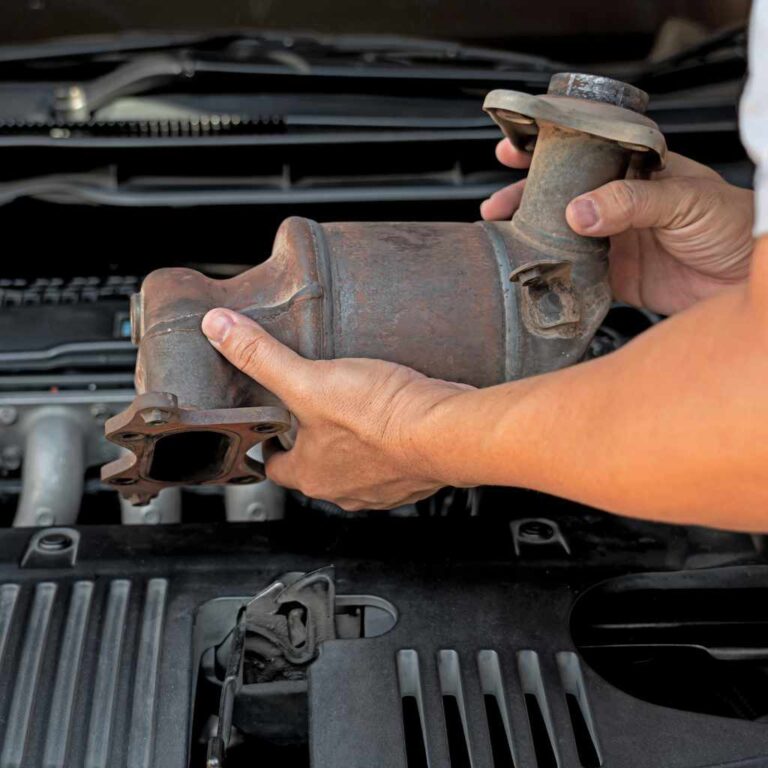
The main reason thieves target any vehicle is the converter’s contents. Catalytic converters use rare, costly metals to clean up your car’s exhaust fumes.
These metals include:
- Platinum
- Palladium
- Rhodium
When these raw metals are sold to scrap yards, they fetch a high price. This makes the quick theft worthwhile for criminals.
Ground Clearance: The Perfect Snatch Height
This is perhaps the biggest issue for popular cars like the Civic. Compared to large trucks or SUVs, many Civic models sit lower to the ground, but they still have enough space underneath for a thief to quickly slide a reciprocating saw between the chassis and the road.
Thieves love this because:
- It requires less lifting or jacking equipment.
- They can work fast, often in under two minutes.
- Less time spent under the car means less chance of getting caught.
Availability and Easy Access
Honda Civics have been around for decades, and millions are on the road. This means thieves know exactly where the converters are located on most generations. They don’t need special knowledge of a rare model; the Civic is universal knowledge for thieves. This widespread knowledge speeds up the process significantly. For more general statistics on vehicle theft trends, you can often check resources from organizations like the National Insurance Crime Bureau (NICB).

Identifying the Damage: Is My Civic Converter Stolen?
If you walk out to your Civic and it sounds wrong, you need to know the signs right away. A stolen or damaged converter causes very noticeable symptoms because the exhaust flow is completely disrupted.
Key Symptoms of a Missing or Damaged Converter
When the converter is gone, the engine’s exhaust gasses flow straight out the pipe without being treated. This results in immediate, loud issues.
Listen for these major signs:
- Extremely Loud Noise: This is the number one sign. It sounds like a race car or a loud, sputtering tractor, especially upon acceleration.
- Check Engine Light (CEL): The car’s computer detects that the exhaust readings before and after the missing converter are wrong, triggering the CEL.
- Smell of Rotten Eggs: If the converter is damaged but still partially there, you might smell sulfur or rotten eggs, indicating the catalytic process isn’t working.
- Sluggish Performance: Your car might feel weak, struggle to accelerate, or even stall due to back pressure issues, although a completely cut-out one will often run very poorly.
What to Look for Visually
If you can safely look under the car (do not crawl under a car that is not properly secured!), look for signs of cutting.
| What to Check For | What it Means |
|---|---|
| Fresh, shiny metal cuts on the exhaust pipe. | The pipe was recently sawed through. |
| Missing canister section. | The converter itself has been removed entirely. |
| Scrap marks or gouges near mounting bolts. | Someone tried to tamper with it, but maybe failed or gave up. |
How to Protect Your Honda Civic’s Catalytic Converter: Actionable Tips
The good news is that thieves rely on speed and opportunity. By making your Civic a harder target, you can significantly reduce your risk. As your trusted automotive guide, I’m giving you practical defense strategies that work for all Civic generations.
Parking Strategies: Location, Location, Location
Where you leave your car overnight is your first line of defense. Thieves prefer dark, isolated spots.
Make it difficult for them by doing the following:
- Park Indoors: The absolute best protection is a locked garage. If you don’t have one, park in a secure driveway.
- Use Well-Lit Areas: If parking on the street, choose a spot directly under a functioning streetlamp. Thieves hate good lighting.
- Park Close to Your Home/Building: If possible, park where a window overlooks the car, or right next to your back door. Thieves prefer not to linger where residents might see them.
- Angle Your Vehicle: If you have a driveway, turn your car so the passenger side (where the exhaust often runs right under the entry point) is facing the house or a solid wall, limiting access space.
Physical Deterrents: Making Removal Hard
These involve installing devices that physically block or slow down the cutting process.
1. Catalytic Converter Shields and Cages
These are metal plates or cages made specifically for your Civic model that bolt around the converter. If a thief tries to saw through it, they hit solid steel first. This adds critical time and noise to the job.
- Pros: Very effective visual deterrent; significantly slows down cutting tools.
- Cons: Requires professional installation; adds some weight; cost involved upfront.
2. Catalytic Converter Locks
These are specialized clamps or cables that secure the converter assembly to the frame of the car. They are not shields, but they make it nearly impossible to quickly unbolt or wiggle the unit free.
3. Marking and Etching
This is often required or recommended by insurance companies. You use specialized, traceable paint or an engraver to mark your Vehicle Identification Number (VIN) directly onto the converter housing. If a thief cuts it off, the marks identify it as stolen, making it harder for scrap yards to buy it legally. Contacting your local police department might provide resources for free VIN etching events.
Alarm System Upgrades
The factory alarm on many Civics is designed to trip if a door opens, not if the undercarriage is violated.
Consider upgrading to an aftermarket alarm system that includes:
- Tilt Sensors: These specialized sensors detect if the car’s angle changes (like being jacked up quickly). A tilt sensor alarm offers fantastic protection against the moment a thief tries to lift the car.
- Shock Sensors: Set specifically to detect sharp, metallic impacts, which can be triggered by a saw blade hitting the metal.
Model Year Vulnerability: Which Civics Are Most at Risk?
While thieves will take any Civic they can get their hands on, statistics show certain generations are historically more appealing based on design and prevalence.
The Most Commonly Targeted Civic Generations
Generally, any third-party or easily accessible converter is a target. However, Civics from the 1990s through the mid-2000s, and some later models known for easy under-car access, often top the lists.
While specifics change yearly, these groups often see higher activity because they are either extremely common or have slightly higher ground clearance access than newer, sleeker models:
| Civic Generation (Approximate Years) | Why They Are Targeted |
|---|---|
| 7th Gen (2001–2005) | Very high population on the road, well-known exhaust routing. |
| 8th Gen (2006–2011) | Good balance of resale value for parts and accessibility. |
| Newer Hybrid Models | Hybrid converters often contain slightly more precious metals due to different emission requirements, making them extra valuable. |
The Importance of Regular Inspection
If you hear a strange rattle or noise when you start the car, don’t ignore it. Sometimes, a thief tries the cut but gets scared off. You need to check the integrity of the exhaust system before the damage becomes a complete loss. If you’re unsure, have a trusted mechanic inspect the underside during your next oil change (which should be done regularly—check out best practices for oil change timing here for optimal engine health).
What to Do Immediately After a Catalytic Converter Theft
If the worst happens, stay calm. You need to secure the scene and start the necessary insurance and police procedures immediately.
Step 1: Safety First
Do not start the car! If the converter is completely cut out, exhaust fumes (which contain dangerous carbon monoxide) will flow directly under the car, potentially entering the cabin if you have an older or modified Civic. If you must move the car to get it off the street, have it towed immediately to a safe spot or a repair shop.
Step 2: Report the Crime
Call your local police non-emergency line to file a theft report. You will need this official report number for your insurance claim. Provide them with any details you have, even if you didn’t see the act itself (like the time you last saw the car intact).
Step 3: Contact Your Insurance Company
Call your auto insurance agent. Catalytic converter theft is typically covered under the Comprehensive portion of your policy. Be prepared to provide the police report number. Understand your deductible; replacement costs can easily hit $1,000 to $3,000 or more, so assess if your deductible makes filing a claim worthwhile.
Step 4: Get Quotes for Replacement
Before authorizing repairs, get quotes. You have a choice between an OEM (Original Equipment Manufacturer) replacement, which is expensive but perfect, or an aftermarket replacement, which is usually cheaper. Ensure any replacement part meets the emissions standards required by your state department of motor vehicles. For guidance on state-specific regulations, you can often find links through state environmental protection agency websites.
Understanding Replacement Costs and Options
Fixing a stolen converter is rarely cheap. Since the part is essential for passing emissions tests, you can’t just drive without one.
Cost Comparison Table
The cost fluctuates significantly based on the Civic year and whether you use official Honda parts or aftermarket alternatives.
| Replacement Type | Estimated Parts Cost Range (USD) | Typical Professional Installation Time |
|---|---|---|
| OEM Honda Replacement | $1,200 – $2,800+ | 2–4 hours |
| Quality Aftermarket Replacement | $500 – $1,500 | 2–3 hours |
| Used/Salvage Unit (Risky) | $300 – $800 | 2–4 hours |
Note: These estimates do not include labor rates, which vary widely by location and shop!
Why You Cannot Drive Without One
It is crucial to understand that driving without a functioning catalytic converter is illegal in most places in the United States, as it violates the Clean Air Act standards set by the Environmental Protection Agency (EPA). Furthermore, the loud noise will attract unwanted attention from law enforcement, and the lack of engine tuning can cause damage over time. Always replace it with the correct certified unit as soon as possible.

Frequently Asked Questions (FAQ) About Civic Converter Theft
Here are some quick answers to common beginner questions regarding this frustrating issue.
Q1: Can I drive my Honda Civic if the converter is stolen?
A: You can drive it briefly, but it will be extremely loud, poorly performing, and illegally polluting the air. It is strongly recommended to tow it immediately to prevent further engine stress and avoid tickets.
Q2: Does comprehensive insurance cover catalytic converter theft?
A: Yes, generally it is covered under Comprehensive coverage, which handles theft and vandalism. You will have to pay your deductible.
Q3: Are newer Honda Civics (2018+) still getting stolen?
A: Yes, newer models are targeted, especially Hybrid versions whose converters sometimes hold even more precious metals. However, newer cars often have better factory protection features.
Q4: How long does it take a thief to steal a catalytic converter?
A: A professional thief working with battery-powered tools can often remove a converter in as little as one to three minutes. This rapid timeline is why good lighting and noisy parking spots are your best defense.
Q5: Will an aftermarket shield protect against every type of theft?
A: While no shield is 100% theft-proof, high-quality, reinforced steel shields or cages make the job too time-consuming and noisy for most opportunistic thieves, dramatically reducing the risk.
Q6: What metal is inside the converter that thieves want?
A: The metals are Rhodium, Platinum, and Palladium. Rhodium is currently the most valuable of the three, driving much of the high scrap value.
Conclusion: Staying Ahead of the Thieves
Dealing with the thought of your Honda Civic being targeted is stressful, but knowledge is your best tool. We’ve covered why the Civic is a popular target—it boils down to easy access and high-value metals inside the converter.
Remember, being proactive is far better than being reactive. Focus on the simple, powerful fixes first: smart parking in well-lit areas and installing physical deterrents like a quality converter shield if you frequently park outside. These steps add seconds to the thief’s timeline, and in the theft game, seconds mean everything. Keep your Civic safe, secure your investment, and drive with confidence knowing you’ve made your vehicle a much less appealing target. Maintain that exhaust system well, and it will serve you reliably for years to come!