Are Jeep Wrangler Catalytic Converters Stolen: Essential Risks
Yes, Jeep Wrangler catalytic converters are frequently targeted for theft due to precious metals inside. Owners face significant repair costs, potential vehicle downtime, and legal issues if caught with stolen parts. Protecting your Wrangler’s undercarriage is crucial.**
Hello there! I’m Monowar Shohag, your guide to keeping your Jeep running smoothly, even when facing pesky problems under the hood—or, in this case, under the chassis. It’s frustrating when you hear maintenance advice that sounds like a nightmare scenario, and the theft of catalytic converters from vehicles like the Jeep Wrangler is one of those nightmares. Are Jeep Wrangler catalytic converters stolen? Sadly, yes, they are prime targets. This theft leaves owners with strange noises, failed emissions tests, and big repair bills. Don’t worry! We will break down exactly why this happens, what risks you face, and simple steps you can take right now to protect your beloved trail machine. Let’s dive into how to keep your Wrangler safe and sound.
Why Are Jeep Wrangler Catalytic Converters Targeted by Thieves?
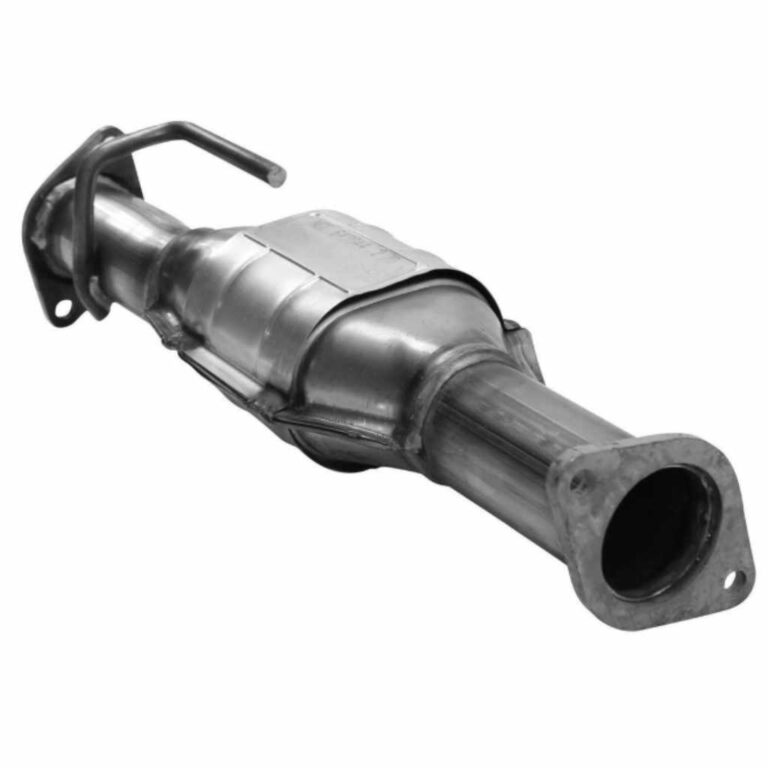
To understand the risk, we first need to know what a catalytic converter (often called a “cat”) actually is and why someone would want to take it. Think of it as the unsung hero of your exhaust system, constantly cleaning up the bad stuff coming out of your engine before it hits the air.
The Role of the Catalytic Converter
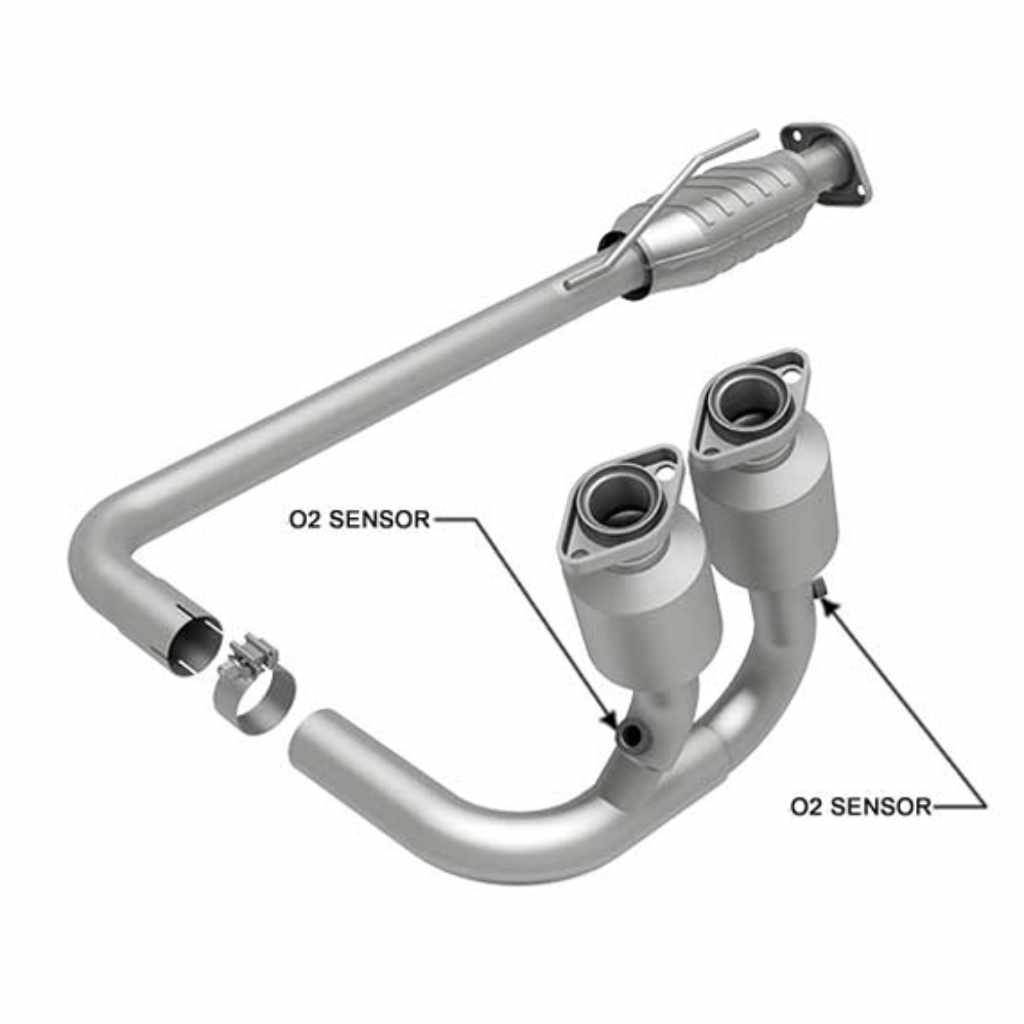
The catalytic converter contains precious metals that help change harmful emissions (like carbon monoxide and nitrogen oxides) into less harmful gases. These metals are key:
- Platinum
- Palladium
- Rhodium
These elements are valuable on the scrap market, much like gold or silver. Because the Wrangler sits relatively high off the ground compared to a standard sedan, it often makes the undercarriage easier to access for thieves with basic tools.
Why the Jeep Wrangler Stands Out
The Jeep Wrangler, especially older models (pre-2007) and some newer ones, are often targeted for a few specific reasons:
- Easy Access: The high ground clearance makes it easy for a thief to slide underneath with a battery-powered reciprocating saw and cut the bolts holding the converter in place relatively quickly.
- High-Value Metals: Rhodium, in particular, has seen massive price spikes, making these converters highly desirable for quick cash.
- Ubiquity: Wranglers are common, meaning there’s a ready supply of targets across many neighborhoods.
The Real Risks of Catalytic Converter Theft
When a thief strikes, it’s more than just a missing part; it creates an immediate safety and financial emergency for you, the owner. Understanding these risks helps motivate taking preventive action.
1. Immediate Safety Hazard
If the converter is physically removed, the exhaust system is open—meaning hot, toxic fumes can now exit directly underneath your vehicle instead of being routed safely out the back. This is extremely dangerous if you are driving or even sitting in the vehicle.
- Carbon Monoxide Poisoning: This colorless, odorless gas can build up inside the cabin, causing drowsiness, dizziness, and, in severe cases, death. Never drive a Jeep that is missing its catalytic converter.
- Fire Risk: Exhaust components get extremely hot. With part of the system missing, heat can transfer to flammable undercarriage materials or dry grass if you park off-road.
2. Major Financial Hit
Replacing a stolen catalytic converter is one of the most expensive single repairs an average driver can face, especially on 4WD vehicles like the Wrangler, which often require specialized, high-flow or OEM-equivalent units.
Here is a general idea of what a replacement might cost, depending on your Jeep’s model year and whether you use OEM (Original Equipment Manufacturer) or aftermarket parts:
| Component | Estimated Replacement Cost (Parts Only) | Why the Cost Varies |
|---|---|---|
| Aftermarket Converter | $300 – $700 | Lower precious metal content, often less durable. |
| OEM/Direct-Fit Converter | $1,000 – $3,000+ | Guaranteed fit and precise emissions calibration. |
| Labor (Installation) | $200 – $500 | Varies by shop complexity, especially with hidden access points. |
Note: Always check with certified repair shops for exact quotes. These figures are estimates based on industry standards and the high price of catalytic materials.
3. Emissions and Legal Trouble
In most states, your vehicle must pass an emissions inspection to be legally registered for road use. A missing or non-functioning catalytic converter will cause an immediate failure. Furthermore, the government takes unauthorized tampering with emissions equipment very seriously. For instance, the Environmental Protection Agency (EPA) strictly regulates these devices. Tampering can lead to fines if discovered during an inspection, though the immediate worry is usually failing the smog check required by your state’s Department of Motor Vehicles (DMV).
How Hard is It to Steal a Jeep Wrangler Catalytic Converter?
The difficulty of the theft impacts how often it happens. Thieves look for speed and low risk. Tools like battery-powered reciprocating saws (“Sawzalls”) can cut through the exhaust pipes connecting the converter in under two minutes. Because Wranglers, especially older models, often have the converter located in a relatively exposed position, thieves see them as easy money.
Security Expert Insight
When professionals look at vehicle security, the accessibility to the undercarriage is paramount. According to data aggregated by organizations like the National Insurance Crime Bureau (NICB), vehicles with high ground clearance are disproportionately affected because security requires specialized equipment or difficult maneuvers for most people, but basic cutting tools suffice for the thief.
Essential Steps: How to Cat-Proof Your Jeep Wrangler
The good news is that there are several smart, practical steps you can take to make your Wrangler an unattractive target. Since removal involves cutting the pipes, the best defense is to make that cutting process either too lengthy or too difficult.
Step 1: Parking Smartly
Where you park is your first line of defense. Thieves usually strike under the cover of darkness in unlit, seemingly private areas.
- Garage It: If you have a garage, use it—even if it’s just for overnight parking.
- Light It Up: If parking outside, choose well-lit areas near busy streets or motion-sensor lights.
- Wedge It In: Whenever possible, park your Jeep close to a wall, fence, or another vehicle so that the passenger-side (usually the most accessible side) is blocked off.
Step 2: Install Physical Deterrents (Cat Shields)
This is arguably the most effective physical deterrent. A catalytic converter shield is a strong shield, usually made of thick steel or hardened aluminum, bolted securely around the converter.
Types of Shields and How They Work:
- Full Cage Shields: These wrap completely around the converter, often using bolts that require specialized tools to remove. A thief needs time to remove the shield before they can even begin cutting the pipe.
- “Cat Strap” or Bolt Kits: These are heavy-duty cables wrapped tightly around the converter and secured with tamper-proof bolts. Cutting the pipes is still possible, but the cables often interfere with the saw blade or at least slow the process significantly.
When choosing a shield, look for one specifically designed for your Wrangler model year (e.g., JK, JL, TJ). A poorly fitting guard is worthless. Look for designs that use specialized, non-standard bolts that require unique bit sets, dramatically increasing the time needed.
Step 3: Welding and Security Marking
Thieves often look for converters that can be sold easily. Making your converter traceable is a powerful deterrent.
- Catalytic Converter Marking: Many local police departments and repair shops offer services where they etch your Vehicle Identification Number (VIN) onto the converter housing using indelible paint or engraving tools. If stopped and found with a marked converter, the thief faces additional charges, and recyclers are less likely to buy marked parts.
- Weld Security: If you use clamps or non-bolt-on shields, have a trusted mechanic weld the connections. Welding adds significant time and noise, both major turn-offs for thieves.
Step 4: Alarms and Monitoring
Modern technology offers excellent backup protection, especially for vehicles parked outside regularly. You can install specific alarms designed to monitor chassis tilt or vibration that go off if someone attempts to saw or pry underneath the vehicle.
For the tech-savvy owner, consider installing a GPS tracking system that alerts your phone if the vehicle moves unexpectedly or if a specific vibration threshold is exceeded during towing or tampering.
Understanding Insurance and Legal Recourse
If the worst does happen, knowing your options beforehand reduces stress significantly.
Insurance Coverage
Whether your insurance covers the replacement depends entirely on your policy:
- Comprehensive Coverage: If you carry comprehensive insurance (which covers theft, vandalism, and weather), the cost of replacing the stolen converter will usually be covered, minus your deductible.
- Liability Only: If you only carry liability insurance, you are responsible for 100% of the replacement cost.
Check your deductible. If your deductible is high (say, $1,000) and the replacement cost is close to that amount, it might not be worth filing a claim unless you have comprehensive coverage.
What to Do Immediately After a Theft
If you discover your converter is gone, follow these clear steps:
- Do Not Drive the Vehicle: As mentioned, the fumes are dangerous, and driving without a cat can damage your engine sensors.
- Call the Police: File a police report immediately. You need this official report for your insurance claim. Provide details about where and when you last saw the vehicle intact.
- Contact Your Insurer: Report the theft to your insurance agent as soon as you have the police report number.
- Arrange Towing: Have the vehicle towed directly to a trusted mechanic specializing in exhaust systems or your dealership for repair estimates.
Jeep Wrangler Model Year Comparison and Risk Levels
Not all Wranglers have the same risk profile. Older models generally lack advanced security features that might deter modern thieves, but sometimes they are targeted because their parts are easier to swap for cash.
| Wrangler Generation | Typical Years | General Risk Level | Reasoning |
|---|---|---|---|
| YJ/TJ (Older) | Pre-2007 | High | Simpler design, easier pipe cuts, high demand for older-spec parts. |
| JK | 2007 – 2018 | Very High | Extremely popular model; high ground clearance and slightly exposed cats. Often the number one target nationally due to volume. |
| JL | 2018 – Present | Moderate to High | Newer models often have better component accessibility protection integrated into the frame design, but high value keeps them targeted. |
Maintenance Check: Recognizing a Missing or Damaged Converter
Sometimes, the theft goes unnoticed immediately, especially if the Jeep is parked in a remote area. You must know the signs that your converter has been stolen or tampered with.
Auditory Clues (What You Hear)
- Extremely Loud Noise: If your Jeep suddenly sounds like a race car or a farm tractor taking off, the converter has likely been cut out. The exhaust note will change instantly from smooth to a deafening roar.
- Rattling or Clunking: If the theft was unsuccessful or only partially successful, you might hear metal rattling as unsecured exhaust pipes shift.
Performance and Visual Clues (What You See/Feel)
- Check Engine Light (CEL): Modern Wranglers have oxygen sensors before and after the catalytic converter. If the converter is gone, the rear sensor reads zero emissions cleaning efficiency, triggering the CEL immediately and often causing rough idle or poor performance.
- Smell: You will smell raw exhaust fumes right underneath the vehicle instead of them exiting the tailpipe correctly.
- Visual Underneath: Shine a flashlight under the Jeep. Look for clean, freshly cut edges on the exhaust pipe where the bulky converter used to be.
The Role of Recycling Centers and Legislation
The theft cycle only continues because the converters are successfully sold. Law enforcement and legislators are working to close this loop. Many states are passing stricter laws regarding the sale, identification, and payment for catalytic converters (often requiring sellers to show ID and vehicle registration).
For example, regulations often require scrap yards to document the seller’s information, tying the sale back to them. You can learn more about current anti-theft legislation in your local area by checking your State Attorney General’s website or municipal police department resources.
A Beginner’s Guide to Installing a Cat Shield (When to Use a Pro)
While installing a full shield is a DIY job for someone comfortable lying on their back with basic tools, it’s important to know when to delegate. If you are new to working under a vehicle, safety first!
Tools You Might Need (For a Basic Shield Installation):
- Jack and jack stands (Crucial for safety! Never work under a vehicle supported only by a jack.)
- Wheel chocks
- Socket wrench set (metric)
- Torque wrench (to ensure bolts are tight but not over-stressed)
- Safety glasses and gloves
When to Call Your Mechanic:
If your Wrangler is lifted significantly, if the shielding kit requires welding, or if any existing exhaust bolts appear heavily rusted and seized (a common issue on older Jeeps used off-road), it is safer and often faster to have a professional handle the installation. They have lifts and specialized tools that make the job safer and ensure the shield is mounted correctly to offer maximum protection.
FAQ: Beginner Questions on Jeep Catalytic Converters
Q1: If my Jeep’s cat is stolen, can I legally drive it to the repair shop?
A: No. Driving a vehicle with immediate and visible exhaust tampering is unsafe due to fumes and will likely result in a fine or immediate failure if you are stopped by law enforcement. Call a tow truck immediately.
Q2: Do newer Jeep Wranglers (JL models) still get targeted?
A: Yes, though sometimes less frequently than older models. Thieves target any high-clearance vehicle, and the resale value of the newer converters is high. Protection is still essential.
Q3: How long does it take for a thief to cut off a catalytic converter?
A: It can take as little as 60 seconds with the right battery-powered saw, though the presence of hardening plates or shields can increase that time significantly, often discouraging the attempt.
Q4: Will removing my catalytic converter improve my Jeep’s performance?
A: While some aftermarket “test pipes” (which replace the cat entirely) might theoretically improve top-end flow slightly, removing the cat will cause your engine computer to malfunction, throw error codes, and usually lead to reduced overall drivability and horrible smells. It is never recommended for street use.
Q5: Is spraying my converter with paint or coating it enough protection?
A: Paint or cheap coatings alone are not enough protection. Thieves look for the metal itself. Markings are good for identification after theft, but a physical shield is necessary to prevent the cutting in the first place.
Q6: Does having a very loud exhaust system scare thieves away?
A: Not usually. Thieves operate quickly and often at odd hours. A loud exhaust might alert neighbors if they are working on it for a long time, but if they are fast (under two minutes), they might succeed before anyone notices the sound change.
Conclusion: Protecting Your Investment with Simple Steps
You’ve got a capable, rugged Jeep Wrangler, and you deserve peace of mind when you park it. The risks associated with catalytic converter theft—safety hazards, major costs, and legal hurdles—are real, especially for popular vehicles like the Wrangler.
Remember, proactive defense is your best friend. While we can’t stop every determined thief, we can certainly make your Wrangler a much less appealing target than the vehicle parked next to it. Focus on smart parking, invest in a high-quality, model-specific catalytic converter shield, and consider marking your VIN. These manageable steps ensure that your exhaust system stays exactly where it belongs: doing its job quietly and safely under your Jeep. Keep up with these simple checks, and you can keep enjoying your open-air adventures without the constant worry of expensive undercarriage repairs