Do People Steal Exhaust Pipes? Proven Essential Facts
Yes, people absolutely steal exhaust pipes, primarily for the valuable precious metals inside the catalytic converter, which is the most targeted component. This theft is a growing problem affecting many vehicle owners due to the high resale value of materials like platinum and palladium.
If you’ve heard strange, loud noises coming from under your car, or if your vehicle suddenly started sounding like a race car, you might be worried. It’s a tough situation when you realize something valuable might be missing from your car. Many car owners wonder: do people steal exhaust pipes? The short answer is yes, this happens often, but usually, they are after one specific part. We are here to clear up the confusion, explain exactly what thieves want, and show you simple ways to keep your car safe. You don’t need to be a mechanic to understand this problem. Let’s look at the facts together so you can feel confident protecting your ride.
It might sound strange, but yes, exhaust pipe theft is a real and frustrating problem across the country. When you hear reports about people stealing parts from under cars, they are almost always targeting the same component. It’s not typically the muffler or the simple tubing they are after. Protecting your vehicle starts with knowing the enemy. Let’s break down what thieves are looking for and why.
Why Thieves Target Exhaust Systems: The Real Reason
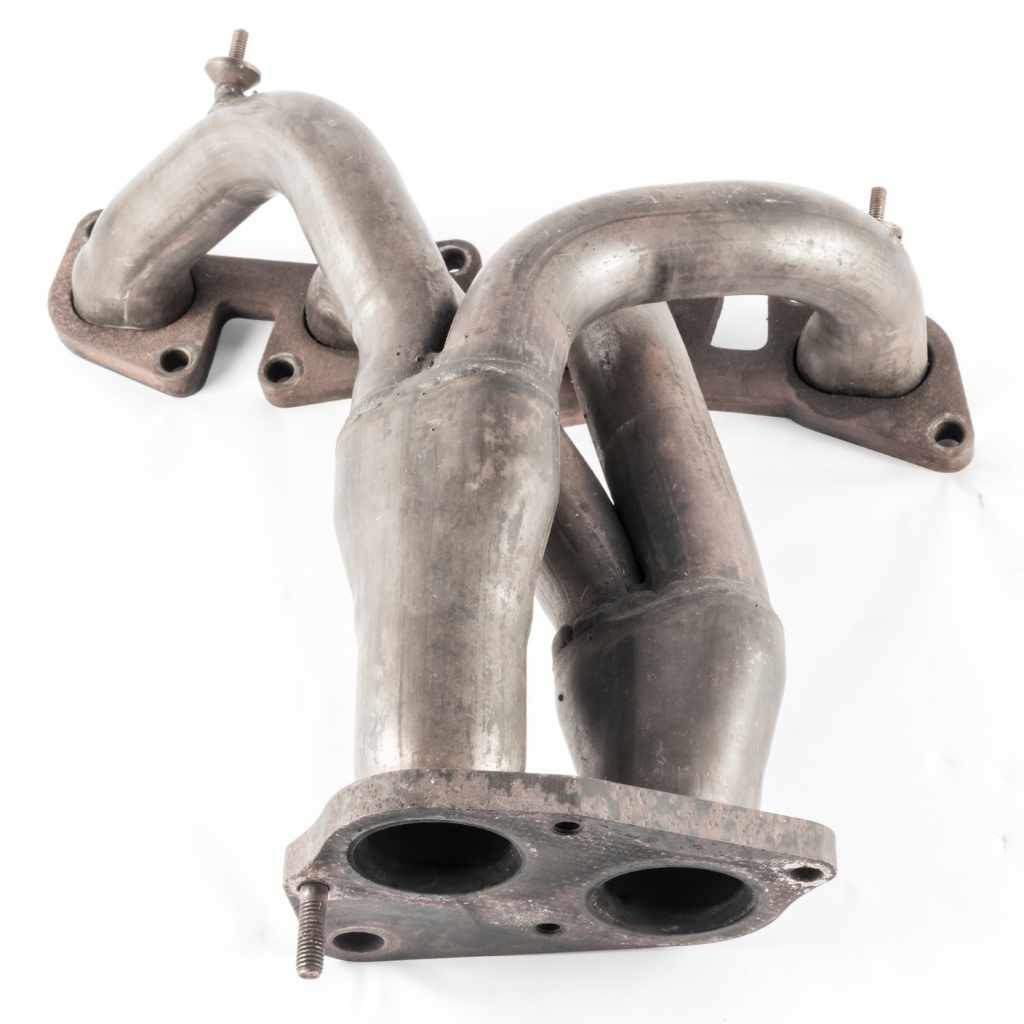
The entire pipe assembly is not the main target. Thieves are highly focused on one small but very expensive component attached to the exhaust system: the catalytic converter.
What is a Catalytic Converter?
Think of the catalytic converter as the “purifier” of your car’s exhaust. When hot, dirty gases exit the engine, they travel through this device. Inside the converter, a honeycomb structure coated with precious metals acts like a chemical filter. It changes harmful pollutants into less damaging gases before they exit the tailpipe.
The Value of Precious Metals
The reason catalytic converters are stolen so frequently comes down to what they contain. These converters are lined with several precious metals. The key players are:
- Platinum
- Palladium
- Rhodium (often the most valuable component)
These metals are heavy and command very high prices on the global scrap market. Thieves know that even a single converter can fetch hundreds of dollars quickly, making the theft worthwhile for criminals, even though it causes major headaches for car owners.
The Speed of the Theft
Another factor driving this crime is speed. A thief using a simple reciprocating saw or a battery-powered angle grinder can cut a catalytic converter out of a vehicle in under two minutes. This low risk, high reward scenario encourages this type of theft.

Which Vehicles Are Most Commonly Targeted?
Thieves aren’t randomly grabbing cars. They stick to models where the catalytic converter is easy to reach and contains the most valuable metals. Generally, larger vehicles sit higher off the ground, making access much easier.
High-Risk Vehicles Summary
Based on general law enforcement reports, certain vehicle types are statistically more likely to be hit. Knowing which types are at risk can help you assess your own situation.
| Vehicle Type | Reason for High Risk |
|---|---|
| Trucks (Especially Older Models) | High ground clearance makes them easy to access from the side without lifting. |
| SUVs (Sport Utility Vehicles) | Similar to trucks, they have increased vertical space underneath the vehicle. |
| Hybrid Vehicles (e.g., Toyota Prius) | They often use more precious metals in their converters due to stricter emissions standards. |
| Vehicles parked in unsecured areas | Any car left out overnight in a dimly lit or isolated spot is a target. |
Pro Tip from Monowar: If your car sits low to the ground, like a typical sedan, you might be slightly less of a target simply because it takes the thief longer to get underneath it comfortably.
What Happens After the Theft? The Sound and The Damage
If your catalytic converter has been stolen, you will know immediately. The car will sound dramatically different, often frighteningly so.
The Immediate Signs of Theft
When a catalytic converter is cut out, the remaining exhaust pipe seals are left open, creating a huge hole for exhaust gases to escape before they reach the muffler. This results in:
- Extremely Loud Noise: The sound shifts from a low hum to a loud, deep roar or sputtering noise, similar to a semi-truck or a drag racer.
- Check Engine Light: Sensors monitor exhaust flow. If the flow changes drastically, the Check Engine Light will almost certainly illuminate.
- Performance Drop: Your car might feel sluggish, vibrate heavily, or idle roughly because the engine isn’t breathing properly.
The Hidden Damage You Don’t See
The physical damage goes beyond just the missing part. Thieves often use rough methods to cut the pipes quickly. They might:
- Damage nearby wiring or oxygen sensors located right next to the converter.
- Leave rough metal edges that could cause further scraping or damage if the car is driven.
- Damage the connecting flanges or hangers, leading to future exhaust leaks.
Because of this potential secondary damage, it is crucial to have the area inspected by a trusted mechanic as soon as you suspect theft.
How to Make Your Catalytic Converter Theft-Proof: 4 Actionable Steps
Feeling helpless is never a good feeling, but you have several straightforward, proactive steps you can take right now to significantly reduce the risk of becoming a victim. These methods range from simple parking adjustments to simple physical deterrents.
Step 1: Change Where and How You Park
The easiest deterrent is light and visibility. Thieves prefer darkness and solitude.
- Park in a Garage: If you have a garage, use it. This seems obvious, but many people leave cars in the driveway instead.
- Use Well-Lit Areas: If street parking is necessary, choose spots under bright streetlights.
- Install Security Cameras or Motion Lights: Even a simple, affordable security camera pointed at your driveway or parking spot can discourage a thief willing to risk being recorded.
- Park Close to Home: If parking at work or in a public lot, choose spots closest to the entrance or where people are constantly walking by.
Step 2: Install a Catalytic Converter Shield or Cage
This is the most direct physical defense. A shield is a metal cage or plate securely bolted onto the vehicle’s undercarriage, surrounding the converter. This makes the theft much harder.
Pros and Cons of Shielding
| Benefit | Drawback |
|---|---|
| Deterrent: Requires significant time and loud cutting tools to remove. | Installation cost can range from $200 to over $500 depending on the vehicle. |
| Protection: Makes the converter inaccessible to quick saw attacks. | May slightly increase the temperature immediately surrounding the converter if poorly designed (always seek professional installation). |
| Peace of Mind: A visual layer of protection often deters less determined criminals. | Can sometimes rattle if not installed perfectly tight, requiring follow-up adjustments. |
When choosing a shield, look for one made of thick, high-quality steel or aluminum that covers all accessible sides of the converter. You can find certified options from reputable auto parts sites or have a local metal shop fabricate one.
Step 3: Mark Your Converter (Etching or Welding)
This step doesn’t physically stop the theft, but it makes the stolen part much harder for scrap yards to buy easily, reducing the thief’s profit.
- Etching: Having your Vehicle Identification Number (VIN) professionally etched onto the converter makes it traceable property. This information helps law enforcement link the stolen part back to the crime if it’s recovered. State laws vary on this process; check with your local DMV or police department for official guidelines. Many police departments offer this service for free as a crime prevention measure.
- Welding Tags: Some shops offer to weld small identification tags directly onto the converter body. The resulting mess makes it difficult for scrappers to grind off the identifying marks quickly.
Step 4: Consider Alarm System Upgrades
Standard car alarms are usually set to detect door opening or impacts to the body panels. They often won’t trigger for activity underneath the car.
Talk to an auto electronics specialist about installing an alarm system that includes tilt sensors or shock sensors calibrated for low-level vibration. A tilt sensor is designed to recognize when the vehicle’s angle changes significantly—exactly what happens when a thief lifts the car with a jack or when the suspension drops after cutting the support pipes.
The Repair Process: Replacing a Stolen Catalytic Converter
If the worst happens and your converter is stolen, you need a clear plan for repair. This is not a simple DIY job for a beginner; it requires welding and ensuring correct fitment for proper emissions function.
Understanding Replacement Costs
The cost to replace a stolen catalytic converter can range dramatically based on the complexity of the system and the quality of the replacement part.
- Determine the Type: Is your vehicle a standard replacement (cheaper) or a high-flow/universal fit (can be more complicated to install)?
- OEM vs. Aftermarket: Original Equipment Manufacturer (OEM) parts are costly but ensure perfect fit and compliance. Aftermarket parts are cheaper but might not be as durable or effective for pollution control.
- Labor Costs: Because replacement often involves cutting and welding new pipes to connect the new converter, labor costs can add considerably to the total bill. Insurance often covers most of this.
Keep in mind that running your vehicle without a catalytic converter is illegal in most places because of environmental regulations. For more information on emissions compliance, you can often reference materials from the Environmental Protection Agency (EPA) regarding vehicle repair standards [EPA Website Example].
Steps for the Repair Shop
When you take your car in for the replacement, here is what the mechanic will likely do:
- Inspection: Check the remaining pipes, oxygen sensors, and connections for any secondary damage caused during the theft.
- Part Selection: Order the correct replacement unit based on your VIN and local emissions standards.
- Removal of Damaged Ends: Cut away the jagged ends of the remaining exhaust pipe to create clean surfaces for welding or clamping.
- Installation: Weld or clamp the new catalytic converter into place, ensuring all mounting points are secure and leak-free.
- Sensor Replacement (If required): Install any oxygen sensors that were damaged or removed during the process.
- Testing: Run the engine to confirm the loud noise is gone and clear any fault codes that the engine computer stored after the theft.
Exhaust System Security: A Beginner’s Checklist
As a car owner just trying to keep things running smoothly, here is a simple checklist to ensure your exhaust system is secure and maintained. Good maintenance often makes a vehicle less appealing to thieves.
Security Maintenance Checklist
- [ ] Park in well-lit or enclosed areas whenever possible.
- [ ] Check your exhaust system visually at least once a month, especially if you drive an SUV or truck. Look for fresh scratches or clamps that look disturbed.
- [ ] If you are considering buying an older used vehicle, ask if the converter has been replaced before, and consider having VIN etching applied immediately.
- [ ] Keep an eye on your insurance coverage. Comprehensive insurance often covers theft of parts like this, though deductibles apply.
- [ ] Ensure all remaining exhaust bolts and hangers are tight. A loose system might look like an easy target to a thief.
Understanding Emissions Laws and Driving Without a Converter
It’s important to be clear: driving with a missing catalytic converter is against the law in almost every state for legitimate road vehicles. This isn’t just about annoying your neighbors with noise.
The main goal of these laws is public health. The EPA establishes strict standards for vehicle emissions. Bypass systems or removing the converter means your car emits unfiltered pollutants, including carbon monoxide and unburnt hydrocarbons, which are harmful to breathe. If you try to pass a state inspection without one, you will fail immediately.
The fines associated with being caught driving a vehicle with a missing or tampered converter can be significant. Always prioritize immediate repair using a compliant replacement part.

Frequently Asked Questions (FAQ) About Exhaust Theft
Q1: Do thieves steal mufflers too, or just the catalytic converter?
A: Mufflers are rarely stolen. They are usually larger, heavier, and contain no valuable components. Thieves are almost exclusively after the catalytic converter because of the precious metals inside it.
Q2: How long does it take a thief to steal a catalytic converter?
A: With tools like reciprocating saws, a thief can often cut out a converter in as little as one to three minutes, especially if the vehicle offers easy access.
Q3: Will my car insurance cover the cost of replacing a stolen catalytic converter?
A: Usually, yes. Theft of parts generally falls under the Comprehensive coverage section of your auto insurance policy. However, you will have to pay your deductible first, so check if the repair cost is higher than your deductible amount.
Q4: Is it cheaper to buy an aftermarket catalytic converter or an original (OEM) one?
A: Aftermarket converters are almost always significantly cheaper upfront. However, OEM converters are often made with higher quality materials and may last longer, potentially saving you money in the long run by avoiding replacement.
Q5: Can I just weld a steel pipe where the converter was to save money temporarily?
A: While it stops the loud noise, doing this creates immediate serious legal issues regarding emissions compliance and will cause your car to fail inspections. It is strongly advised not to operate the vehicle this way.
Q6: How can I tell if my car is at high risk?
A: High risk usually means your car is a popular model (like older trucks or specific hybrids) and it sits high enough off the ground for easy, quick access underneath by someone lying on the ground.
Conclusion: Taking Control of Your Vehicle’s Security
It is frustrating to learn that people do, in fact, steal exhaust pipes—or, more accurately, the valuable component they contain. The key takeaway for every car owner should be awareness: know what thieves want (the catalytic converter) and understand their methods (speed and convenience).
Protecting your vehicle doesn’t require expensive upgrades. Start simple: use better lighting, vary your parking spots, and consider a physical cage or shield if you own a high-risk vehicle like an older truck or SUV. By taking these simple, practical steps—even just parking closer to the building entrance—you make your car a less attractive target. Your hands-on approach to maintenance and security is the best defense line against this frustrating theft.