Are Exhaust X Pipes Measured by Inside Diameter? Unveiled!
Are you confused about how exhaust X pipes are measured? You’re not alone.
Many car enthusiasts and DIY mechanics find themselves scratching their heads over whether these pipes are measured by inside diameter. Understanding this can make a big difference in how your vehicle performs. Getting it wrong might mean reduced efficiency and possible damage to your engine.
But don’t worry! This article will clear up any confusion you have. We’ll dive into the nitty-gritty details, so you can make informed decisions for your vehicle. Ready to boost your car knowledge and ensure optimal performance? Let’s get started!
Exhaust X Pipes Explained
Have you ever wondered if upgrading your car’s exhaust system is worth it? Exhaust X pipes might be the hidden gem you’ve been missing. These components are crucial in enhancing performance, but there’s often confusion regarding their measurements. Are they measured by inside diameter? Let’s break it down.
Function And Purpose
Exhaust X pipes play a pivotal role in your vehicle’s exhaust system. They help balance the gases from the engine, ensuring smoother flow. This balance can lead to improved horsepower and torque. Imagine driving on a highway and feeling that surge of power as you accelerate. It’s exhilarating!
But why should you care about the measurements? Knowing whether exhaust X pipes are measured by inside diameter can influence your decision when customizing your car. The size affects how efficiently gases flow, impacting your car’s performance. Wouldn’t you want optimal results for your investment?
Common Applications
Exhaust X pipes are commonly used in performance cars, especially those seeking higher efficiency. If you’re into racing or simply love the thrill of speed, X pipes can be your best friend. They reduce back pressure, allowing your engine to breathe better. Picture yourself on a racetrack, the roar of your engine echoing in your ears—X pipes can make that sound even more satisfying.
They’re also popular in muscle cars. Owners often look to enhance their car’s growl and power. If you’ve ever attended a car show, you’ve likely seen enthusiasts showcasing their rides with pride, thanks to modifications like X pipes. Wouldn’t it be great to have your car stand out too?
Thinking about adding exhaust X pipes to your vehicle? Consider your car’s needs and your driving habits. The right choice can elevate your driving experience. Are you ready to make your car roar?
Diameter Measurements
Understanding diameter measurements is crucial for exhaust X pipes. These measurements directly affect how exhaust systems perform. Knowing the difference between inside and outside diameter can help make informed choices. This section explores these measurements and their impact on exhaust systems.
Inside Vs Outside Diameter
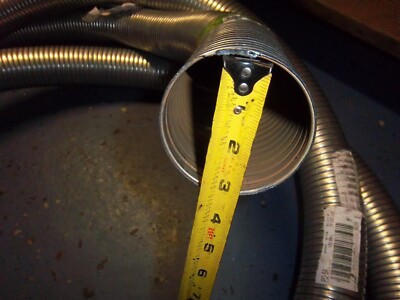
Inside diameter refers to the inner space of the pipe. It determines how much air can flow through the pipe. Outside diameter includes the pipe’s thickness. This measurement affects how the pipe fits with other components. Both measurements are important for exhaust system efficiency.
Impact On Performance
Diameter size influences the exhaust flow rate. A larger inside diameter allows more air to pass. This can improve engine performance. Smaller diameters may restrict airflow. Restriction can lead to reduced engine output. Choosing the right diameter size is vital for optimal performance.
Material Considerations
Exhaust X pipes are often measured by their inside diameter. This measurement ensures proper fit and performance. It’s crucial for vehicle exhaust systems to have the right size for optimal flow.
Exhaust X pipes are crucial for vehicle performance. Their measurement and material choice can impact efficiency. Selecting the right material ensures optimal performance and durability. It’s essential to consider different materials for exhaust X pipes.
Types Of Materials Used
Exhaust X pipes come in various materials. Stainless steel is popular for its corrosion resistance. It withstands high temperatures, making it ideal for exhaust systems. Mild steel is another option. It’s cost-effective but less resistant to rust. Aluminized steel combines mild steel with a coating. This provides better corrosion protection than mild steel alone.
Durability And Longevity
Material choice affects durability and longevity. Stainless steel lasts longer due to its resistance to corrosion. It’s less likely to rust, ensuring a longer lifespan. Aluminized steel offers better protection than mild steel. Its coating reduces corrosion, extending pipe life. Regular maintenance also impacts longevity. Proper care can prevent damage and enhance durability.
Installation Challenges
Installing exhaust X pipes brings certain challenges. These challenges can affect vehicle performance. Proper installation ensures the exhaust system works efficiently.
Each car model has specific requirements. These requirements can complicate the installation process. Understanding these factors helps avoid common pitfalls.
Compatibility With Vehicles
Not all X pipes fit every vehicle. Each vehicle has a unique exhaust system design. Checking compatibility before purchase is crucial. An incompatible X pipe can cause performance issues.
Consider the vehicle’s make and model. This ensures the X pipe fits correctly. It’s important to consult the manufacturer’s guidelines. These guidelines provide essential compatibility information.
Professional Vs Diy Installation
Professional installation offers many benefits. Experienced technicians ensure proper fitment. They also have the right tools for the job. This reduces the risk of installation errors.
DIY installation can be tempting. It often costs less than professional services. However, it requires specific skills and tools. Mistakes during installation can lead to costly repairs. Weigh the pros and cons before deciding.
Performance Benefits
Exhaust X pipes can enhance vehicle performance significantly. These pipes help in optimizing exhaust flow, which leads to better engine efficiency. A well-designed X pipe can provide noticeable improvements in how your vehicle performs. Let’s explore some of these benefits.
Enhanced Exhaust Flow
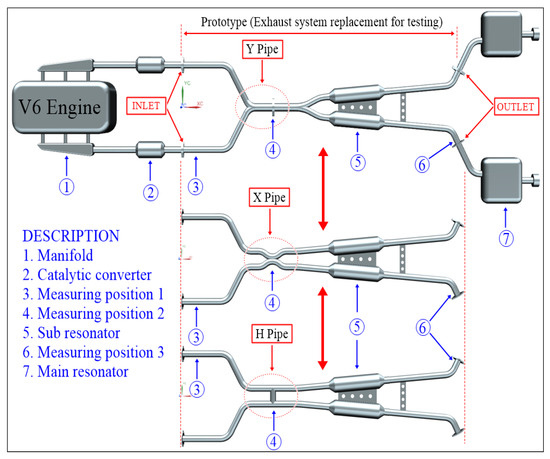
An X pipe balances the exhaust pulses from each bank of cylinders. This balance reduces backpressure within the exhaust system. With less backpressure, exhaust gases exit more smoothly. As a result, your engine breathes easier, enhancing overall performance.
This enhanced flow also minimizes turbulence. Turbulence can disrupt the efficient exit of exhaust gases. By smoothing out the flow, X pipes contribute to better engine efficiency.
Potential Power Gains
With improved exhaust flow, engines can produce more power. By reducing backpressure, X pipes allow engines to perform optimally. This can lead to noticeable power gains, especially at higher RPMs.
These power gains depend on various factors, including engine size and configuration. For many, this translates to a more responsive and powerful drive. Installing an X pipe could be a step towards unlocking your vehicle’s full potential.
Choosing The Right X Pipe
Choosing the right X pipe for your exhaust system can significantly impact performance and sound. The correct measurement is crucial, as it affects how gases flow through the pipes. But how do you make the right choice when faced with different options? Let’s break it down.
Factors To Consider
When selecting an X pipe, consider the material, size, and compatibility with your vehicle. Stainless steel is popular due to its durability and resistance to corrosion. The size, particularly the inside diameter, influences exhaust flow and engine performance.
Think about your driving style. Do you prioritize power or sound? A smaller diameter might enhance torque, while a larger one could improve horsepower. Understanding these nuances will guide you to the right fit.
Recommendations For Different Vehicles
Every vehicle has unique needs. For a high-performance sports car, an X pipe with a larger diameter might be ideal, enhancing horsepower and providing a deeper sound. On the other hand, a smaller diameter X pipe could be better for daily drivers, offering a balanced boost in torque without excessive noise.
Consider your vehicle’s make and model. Some cars might have specific requirements due to their design. Check manufacturer guidelines or consult with professionals to ensure compatibility.
Have you ever thought about the impact of exhaust modifications on fuel efficiency? While performance is critical, choosing an X pipe that supports efficient fuel use can save you money in the long run.
Common Misconceptions
Exhaust systems can be complex, especially when measuring X pipes. Many people have misconceptions about how they are measured. Is it by inside diameter or something else? This confusion often leads to myths about performance and size. Let’s clear the air.
Myths About Size And Performance
Many believe bigger pipes always boost performance. That’s not true. Larger pipes can affect engine power negatively. The fit and function matter more than size. Choosing the right size ensures better performance. It’s not always about going big.
Clarifying Measurement Standards
Exhaust X pipes are often measured by inside diameter. This determines how much gas flows through. Some think outside diameter is the standard. This is incorrect. Understanding this helps in making informed decisions. It ensures compatibility with your vehicle.
Frequently Asked Questions
How Are Exhaust X Pipes Measured?
Exhaust X pipes are typically measured by their inside diameter. This measurement ensures compatibility with other exhaust components. It is crucial for optimal performance and fitting. Correct sizing helps in maintaining exhaust flow and reducing back pressure. Always verify the inside diameter for precise installation.
Why Is Inside Diameter Important?
The inside diameter is crucial for exhaust flow efficiency. It determines how exhaust gases move through the system. Proper sizing reduces back pressure and improves engine performance. An incorrect size can lead to poor exhaust flow. Ensuring the right diameter enhances your vehicle’s power and efficiency.
Can Exhaust X Pipes Affect Performance?
Yes, exhaust X pipes can influence performance significantly. They balance exhaust flow between engine banks. This helps in reducing back pressure and enhancing power output. A well-fitted X pipe can improve torque and horsepower. Proper installation ensures optimal performance and engine efficiency.
Do Larger X Pipes Improve Exhaust Sound?
Larger X pipes can enhance exhaust sound quality. They often produce a deeper and more aggressive tone. However, size must be compatible with the exhaust system. Too large a pipe can affect performance negatively. Balance between size and sound is crucial for desired acoustic effects.
Conclusion
Understanding exhaust X pipe measurements is crucial for car enthusiasts. X pipes are generally measured by inside diameter. This ensures compatibility with your vehicle’s exhaust system. Always check measurements before buying. It helps avoid fitting issues. Proper measurement ensures optimal performance.
This can enhance your driving experience. Consult experts if unsure about measurements. They can provide guidance and clarity. Remember, accurate measurements matter. They lead to better vehicle efficiency. Happy driving with the right fit!