Do I Have To Replace My Exhaust Pipe With Muffler? Proven Guide
You do not always have to replace your entire exhaust pipe with the muffler. Often, the muffler can be replaced separately if it’s the only part that has failed. However, if the pipe leading to or from the muffler is rusted through or damaged, it might be necessary to replace that section along with the muffler, or even the entire exhaust system for optimal performance and safety.
Is your car making a rumbling noise that wasn’t there before? Or perhaps you’ve noticed a strange smell coming from underneath your vehicle. These can be signs that your exhaust system needs some attention. Many car owners wonder if a faulty muffler means the entire exhaust pipe needs a costly replacement. It’s a common worry, especially when you’re not sure what’s going on under your car.
The good news is, you don’t always need to replace everything! We’re here to break down exactly what might be wrong and what needs fixing. We’ll walk you through how to tell if your muffler needs replacement and whether it’s part of a larger issue with your exhaust pipe. By the end of this guide, you’ll understand your exhaust system better and know what steps to take next.
Understanding Your Exhaust System: More Than Just Noise Control
Your car’s exhaust system is a critical component that does more than just quiet your engine’s roar. It’s a complex network of pipes, a catalytic converter, a muffler, and a tailpipe, all working together to channel harmful gases away from your vehicle and its occupants.
Here’s a quick look at the main parts:
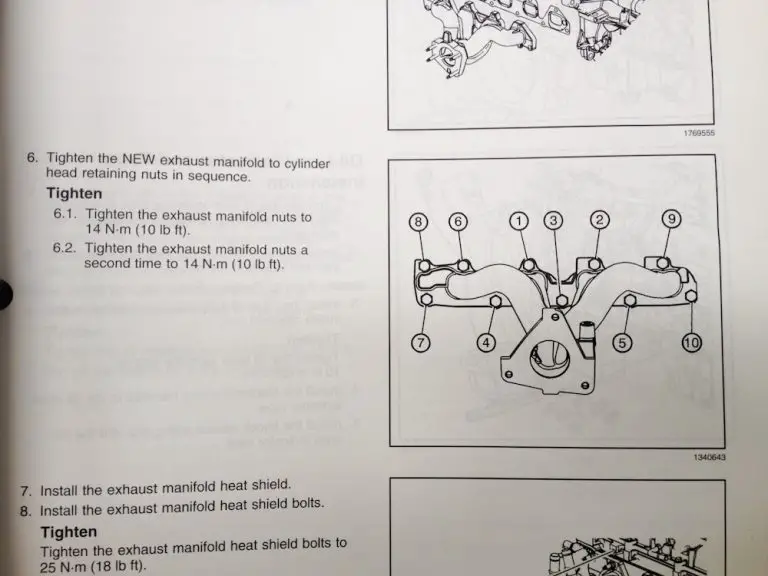
Exhaust Manifold: This attaches to the engine and collects exhaust gases from the cylinders.
Catalytic Converter: This essential part cleans up harmful emissions before they are released into the atmosphere.
Resonator (Optional): Some cars have a resonator that helps fine-tune exhaust noise further.
Muffler: This is the primary sound-dampening component. It uses chambers and baffles to reduce engine noise.
Tailpipe: The final pipe that directs the exhaust gases out from the rear of the vehicle.
These parts are all connected, and sometimes, a problem in one area can affect another. Understanding these components helps demystify why you might need a specific repair.
Signs of a Failing Exhaust Pipe or Muffler
Your car will often give you clues when something is wrong with its exhaust system. Paying attention to these signals can save you from bigger problems and unexpected breakdowns.
Here are common signs to look out for:
Loud Noises: This is often the most obvious sign. A damaged muffler or a hole in the exhaust pipe will cause your car to sound much louder, sometimes like a sputtering or roaring engine. You might hear popping or backfiring noises too.
Rattling or Vibrating: If you notice rattling or excessive vibrations, especially when accelerating, it could mean a component is loose, broken, or has become detached.
Smell of Exhaust Fumes: A leak in the exhaust system, particularly under the car, can allow fumes to enter the cabin. This is not only unpleasant but also dangerous, as exhaust gases contain carbon monoxide.
Reduced Engine Performance: A clogged or damaged exhaust system can restrict the flow of gases, making your engine work harder. This might lead to a noticeable drop in power, especially when accelerating or climbing hills.
Visible Damage or Rust: Take a peek under your car (when it’s safely parked and cooled down). Look for rust spots, holes, or disconnected pipes. Excessive rust is a major indicator that parts are deteriorating.
Lowered Suspension: In rare cases, a severely damaged exhaust pipe might sag and scrape the ground, or even hang loose, affecting your car’s ride height.
Can I Just Replace the Muffler?
In many situations, yes, you can often replace just the muffler. The muffler is a component that’s designed to be replaced. If the muffler itself has rusted through, become perforated, or its internal baffling has failed, a mechanic can simply cut out the old muffler and weld or clamp a new one into place. This is usually a more economical solution than replacing the entire exhaust system.
However, there are times when replacing only the muffler isn’t the best, or even possible, option.
When a Muffler Replacement is Enough
You can likely get away with just replacing the muffler if:
The Muffler is the Only Damaged Part: Visually inspecting the exhaust system reveals that only the muffler itself shows signs of significant rust, holes, or internal failure.
Pipes Leading to and From the Muffler are Intact: The pipes connecting the catalytic converter to the muffler (the inlet pipe) and the pipe leading from the muffler to the tailpipe (the outlet pipe) are structurally sound, free of major rust, and securely attached.
Supports and Hangers Are Good: The rubber hangers and metal brackets holding the exhaust system in place are in good condition and not corroded.
When You Might Need More Than Just a Muffler
It becomes more complex when other parts of the exhaust pipeline are also compromised.
Extensive Pipe Rust: If the pipes attached directly to the muffler are heavily corroded, rusted through, or developing holes, simply replacing the muffler won’t solve the problem. These pipes are often integrated with the muffler or can be difficult to reattach securely if badly damaged.
Damaged Inlet or Outlet Pipes: If the pipe coming from the catalytic converter is rusted where it connects to the muffler, or the pipe going to the tailpipe is deteriorating, these sections will also likely need replacement.
System-Wide Corrosion: Older vehicles, especially those driven in areas with salted roads, can experience widespread rust. If multiple sections of the exhaust system show significant rust or damage, it might be more cost-effective and reliable to replace the entire system or a large section of it, rather than doing piecemeal repairs.
Catalytic Converter Issues: If the catalytic converter itself is failing, this is a separate issue, but its replacement might necessitate modifications to the pipes connecting to it, potentially complicating a simple muffler swap.
How to Inspect Your Exhaust System: A Beginner’s Guide
Inspecting your exhaust system can seem daunting, but with a little guidance, you can identify potential problems. Safety is paramount here, so always ensure your car is parked on a level surface and the engine has cooled down completely.
What You’ll Need
Flashlight: A bright flashlight is essential for seeing into dark areas.
Gloves: To keep your hands clean and protected.
Safety Glasses: To protect your eyes from dust or debris.
Jack and Jack Stands (Optional but recommended): For a better view and access underneath the vehicle. Never rely solely on a jack; always use jack stands for safety. You can learn more about safe vehicle lifting from resources like NHTSA guidelines on safety equipment.
Inspection Mirror (Optional): Helps to see hard-to-reach spots.
Step-by-Step Inspection
1. Park Safely: Find a flat, level surface to park your car. Ensure the parking brake is engaged.
2. Let It Cool: Allow the engine and exhaust system to cool down for at least an hour. Exhaust components can get extremely hot.
3. Visual Check (From Ground Level):
Get down and look under the car. Use your flashlight to examine the entire exhaust system, from the engine to the tailpipe.
Pay close attention to the muffler, the pipes leading in and out of it, and the connections.
Look for any obvious holes, rust patches, sagging sections, or corroded clamps.
4. Thorough Check (With Jack Stands):
If you have a jack and jack stands, carefully lift the front and/or rear of your vehicle. Secure it with jack stands.
Now you can get a much better view. Walk around the entire length of the exhaust.
Inspect the Muffler: Look for rust, holes, or signs of external damage. Gently tap it with a rubber mallet; a dull thud might indicate internal corrosion or damage.
Inspect the Pipes: Check the inlet and outlet pipes of the muffler for rust – especially where they connect to the muffler. Look for pinholes or significant pitting. The entire length of the pipes should be assessed.
Check Connections and Hangers: Examine the clamps, bolts, and rubber hangers that hold the exhaust system in place. Are they rusted, broken, or missing? A loose exhaust can cause noise and further damage.
5. Listen for Leaks (with engine running – CAREFULLY):
This step requires extreme caution. If safe to do so, start the engine briefly.
Listen for any hissing or puffing sounds that might indicate escaping exhaust gases. You can carefully (wearing gloves) feel around pipe seams and connections for escaping air. Be extremely careful of moving parts like the fan belt and the hot exhaust.
After listening, turn off the engine and allow it to cool completely before getting back under the car.
Understanding Exhaust Component Lifespans
How long do exhaust parts usually last? This can vary a lot based on your car, how and where you drive it, and your local climate.
Here’s a general idea:
Muffler: Typically lasts between 5 to 10 years, or about 50,000 to 100,000 miles. However, in areas with road salt, rust can cause them to fail much sooner.
Exhaust Pipes: Similar to mufflers, their lifespan can range from 5 to 10 years. Seamless pipes tend to last longer than those with many joints and clamps.
Tailpipe: Often lasts longer than the muffler or pipes, but can also be susceptible to rust and damage.
Catalytic Converter: These are more complex and can last 10 years or more (100,000+ miles). If it fails prematurely, it’s often due to other engine issues.
Factors influencing lifespan include:
Climate: Areas with harsh winters and road salt accelerate rust.
Driving Habits: Short trips where the exhaust doesn’t get hot enough to burn off moisture can lead to internal corrosion. Long highway drives are generally better for exhaust longevity.
Vehicle Material: Stainless steel exhaust systems are much more resistant to rust than standard aluminized steel.
Maintenance: Regular inspections can catch minor issues before they become major problems.
Costs Associated with Exhaust Repair
The cost of exhaust repair can vary significantly. Replacing just the muffler is generally the most affordable option.
Here’s a general breakdown of what you might expect:
| Component Replaced | Estimated Cost Range (Parts & Labor) | Notes |
|---|---|---|
| Muffler Only | $200 – $600 | Varies by vehicle make/model and muffler type (OEM vs. aftermarket). |
| Muffler & Tailpipe | $300 – $700 | Includes replacement if the tailpipe is rusted or damaged near the muffler. |
| Muffler & Inlet Pipe | $350 – $800 | Needed if the pipe connecting to the muffler is corroded or leaking. |
| Mid Pipe Section | $250 – $700 | Applies to pipe sections before/after the muffler. |
| Full Exhaust System | $800 – $2,500+ | For severe rust or multiple failing components; depends greatly on materials and vehicle type. |
| Catalytic Converter | $500 – $2,500+ | One of the most expensive exhaust components; price varies by emissions standards and vehicle model. |
Important Considerations:
Labor Costs: Mechanics charge an hourly rate. The complexity of the job, especially if bolts are rusted solid, can increase labor time.
Parts Quality: Original Equipment Manufacturer (OEM) parts are typically more expensive than aftermarket parts. Aftermarket parts can be a good value, but quality can vary.
Location: Labor rates differ by geographic area.
Vehicle Type: Luxury vehicles or those with specialized exhaust systems (e.g., dual exhaust) will naturally cost more to repair.
To get the most accurate pricing, it’s always best to get quotes from a few reputable mechanics. When discussing repairs, ask if they can replace just the muffler or if other sections need to be addressed simultaneously.
DIY vs. Professional Exhaust Repair
Deciding whether to tackle exhaust repair yourself or hand it over to a professional depends on your comfort level, tools, and the complexity of the job.
Doing It Yourself (DIY)
Pros:
Cost Savings: You save on labor costs, which can be significant.
Learning Experience: You gain hands-on experience with your car’s systems.
Satisfaction: The feeling of accomplishment after completing a repair yourself.
Cons:
Requires Tools & Space: You’ll need proper tools, including potentially a lift or jack stands, welders (if needed), and safety equipment.
Safety Risks: Working under a car can be dangerous if not done correctly. Hot exhaust components and rust can make the job difficult and hazardous.
Complexity: Many exhaust parts, especially older ones, are rusted and difficult to remove. Welding skills are often required for a secure fit.
Potential for Mistakes: Incorrect installation can lead to leaks, noise, or further damage, sometimes costing more to fix than if a professional had done it initially.
When DIY might be feasible: If only the muffler needs to be replaced and it uses clamp-on fittings (some aftermarket mufflers do), and you have basic tools and are comfortable working under your car safely.
Professional Repair
Pros:
Expertise and Experience: Certified mechanics have the knowledge and experience to diagnose issues correctly and perform repairs efficiently.
Proper Tools and Equipment: They have specialized tools, including lifts, welders, and diagnostic equipment, to handle any exhaust issue.
Safety Assurance: Professionals are trained to work safely, minimizing risks to themselves and your vehicle.
Warranty: Most reputable shops offer warranties on parts and labor, giving you peace of mind.
Time Efficiency: Professionals can typically complete the repair much faster than a DIYer.
Cons:
Higher Cost: Labor costs are the main expense, making it more expensive than DIY.
Less Hands-On Experience: You won’t gain the direct mechanical experience.
When Professional Repair is Recommended: For most exhaust work, especially anything involving significant rust, welding, or replacement of multiple components like the catalytic converter or pipes. It’s often the safest and most effective route for a lasting repair.
Impact of Exhaust Issues on Your Vehicle and You
Ignoring exhaust problems isn’t just about a noisy car. It can have several negative consequences that affect your vehicle’s performance, your health, and even your wallet.
Performance and Efficiency
Reduced Fuel Economy: A damaged or clogged exhaust system forces the engine to work harder, leading to increased fuel consumption. You’ll notice your MPG dropping significantly.
Loss of Power: Restricted exhaust flow means exhaust gases can’t exit the engine efficiently. This can result in a noticeable lag in acceleration and a general feeling of sluggishness.
Engine Damage: In extreme cases, a completely blocked exhaust can cause dangerous backpressure, potentially leading to severe engine damage over time.
Safety and Health
Carbon Monoxide Poisoning: This is the most critical concern. Exhaust gases contain carbon monoxide (CO), a colorless, odorless, and deadly gas. Leaks in the exhaust system can allow CO to seep into your car’s cabin while you’re driving, leading to symptoms like dizziness, headaches, nausea, and even unconsciousness.
Fire Hazard: Leaking exhaust components, especially if they have come loose, can be extremely hot. They can potentially come into contact with flammable materials under your car, posing a fire risk.
Environmental Impact
Increased Pollution: The catalytic converter is designed to reduce harmful emissions (like hydrocarbons, carbon monoxide, and nitrogen oxides). If the exhaust system is damaged or the converter is compromised, your vehicle will release more pollutants into the atmosphere, contributing to smog and air pollution. According to the U.S. Environmental Protection Agency (EPA), controlling vehicle emissions is crucial for public health and environmental quality.