Are Ther Screens in Exhaust Pipes: Essential Guide
Yes, sometimes there are small screens or mesh-like structures inside exhaust pipes, but not typically “up to the roof” as in a large, visible screen. These are usually specialized components designed for specific purposes like noise reduction or emissions control, and they are integrated parts of the exhaust system, not loose obstructions.
Ever looked at your car’s exhaust and wondered if there’s something inside? It’s a great question! Many car owners notice unusual sounds or worry about their exhaust system’s health. You might have heard whispers about screens or baffles inside exhaust pipes. Are they really there? And if so, what do they do?
Don’t worry if this sounds a bit confusing. I’m Monowar Shohag, your friendly guide to all things exhaust systems. I’ve spent years working on these parts, and I’m here to break it down for you in simple terms. We’ll explore what might be hiding inside your exhaust pipes, why it’s there, and what it means for your car.
Let’s get started and uncover the mystery of whether there are screens in exhaust pipes, making your car run smoother and safer.
What’s Inside Your Car’s Exhaust Pipe?
When we talk about what’s inside an exhaust pipe, it’s rarely just an empty tube. Modern exhaust systems are quite sophisticated, designed to manage gases, reduce noise, and control pollution. While you won’t find a large screen “up to the roof” in the way you might imagine a sieve, there are internal components that function similarly by filtering or managing the flow of exhaust gases.
These components are essential for your car’s performance and for meeting environmental standards. They are carefully engineered and integrated into the exhaust system during manufacturing. Think of them as specialized tools within the exhaust pipework, not something that’s simply placed inside.
Understanding the Basics of an Exhaust System
Your car’s exhaust system is an intricate network of pipes and components that starts at the engine and ends at the tailpipe. Its main job is to safely channel harmful exhaust gases away from the vehicle’s cabin and passengers. But it does much more than that. It also plays a crucial role in reducing noise and cleaning up emissions before they are released into the atmosphere.
The key parts of a typical exhaust system include:
- Exhaust Manifold: Connects to the engine’s cylinders to collect exhaust gases.
- Catalytic Converter: A vital part for emissions control, it converts harmful pollutants into less harmful substances.
- Resonator: Helps to quiet down specific engine noises, preventing a “drone” sound.
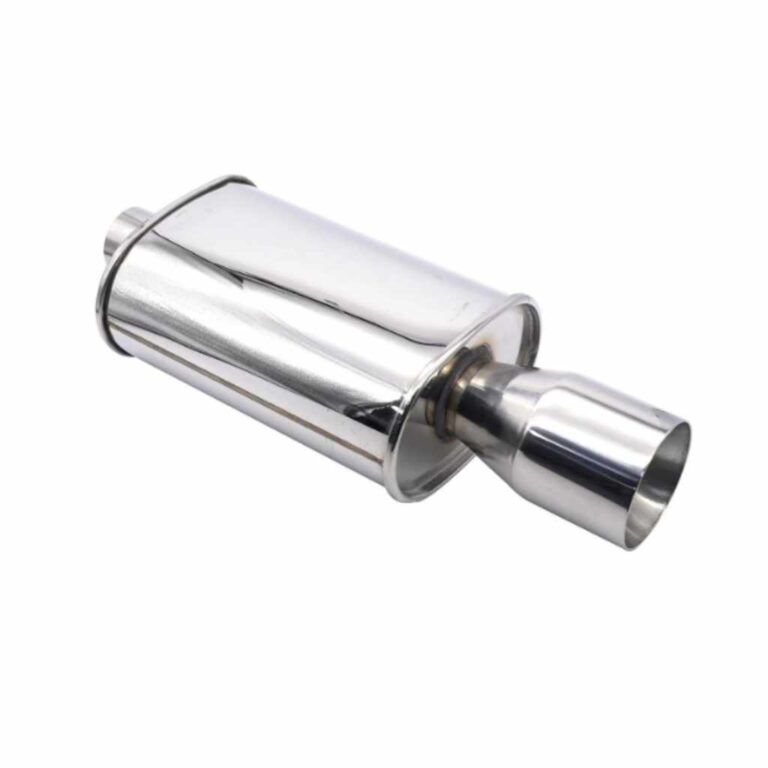
- Muffler (Silencer): This is where most of the noise reduction happens. It uses chambers and baffles to break up sound waves.
- Piping: Connects all the components from the manifold to the tailpipe.
- Tailpipe: The final exit point for the exhaust gases.
Each of these parts works together. The term “screens” might be a simplified way of describing some internal features within these components, especially the muffler and catalytic converter.
Are There Screens in Exhaust Pipes? The Real Answer
So, to directly answer the question: are there screens in exhaust pipes? The answer is usually yes, but not what you might picture as a simple, loose screen running the length of the pipe. Instead, you’ll find specialized components with internal structures that act like very robust, integrated filters or baffling systems.
The most common places where you might find something that resembles a screen are within these key parts:
1. The Muffler
The muffler is designed to reduce noise. It achieves this using a series of chambers, perforated tubes, and baffles. These internal structures work to break down the high-pressure sound waves produced by the engine into smaller, less noisy waves. Some of these perforated tubes or the material within them can look like a mesh or screen to the untrained eye.
Imagine a maze inside the muffler. As the exhaust gases travel through it, the sound waves get tangled up and muted. The perforations in the tubes allow gases to pass through but help scatter and dampen the sound. This is a highly engineered system, not a loose screen.
2. The Catalytic Converter
While not a “screen” in the traditional sense, the catalytic converter contains a ceramic honeycomb structure coated with precious metals. This honeycomb structure has thousands of tiny channels that exhaust gases flow through. As the gases pass over the coated surfaces, chemical reactions occur that convert harmful pollutants (like carbon monoxide and unburnt hydrocarbons) into less harmful ones (like carbon dioxide and water vapor).
The honeycomb structure’s fine channels do act as a barrier, and if it gets damaged, it can crumble. Pieces of this ceramic material might resemble a coarse, broken screen or filter. However, the original component is solid and designed to withstand high temperatures and gas flow.
3. Older or Specialized Systems
In some very old vehicles, or in specific industrial or performance applications, you might find different types of baffles or even rudimentary perforated plates designed for flow control or basic silencing. However, for the average passenger car today, the components mentioned above are the primary places where “screen-like” structures might be found.
Why These Internal Structures Are Important (And What Happens If They Fail)
These internal components are not just there for decoration; they are crucial for your vehicle’s proper functioning and for environmental compliance. They perform critical tasks:
- Noise Reduction: Mufflers are essential for keeping your car from sounding like a race car (unless that’s your specific goal with an aftermarket exhaust!). The baffles and chambers break up sound waves.
- Emissions Control: Catalytic converters are mandated by law in many places to reduce air pollution. They are a cornerstone of modern environmental standards in vehicles. You can learn more about emissions standards from the U.S. Environmental Protection Agency (EPA).
- Performance and Efficiency: A properly functioning exhaust system helps the engine run efficiently. If the system is restricted or damaged internally, it can lead to reduced horsepower, poor fuel economy, and even engine damage.
If these internal structures fail, you’ll likely notice:
- Increased Noise: A damaged muffler can become significantly louder.
- Check Engine Light: A failing catalytic converter will almost always trigger the check engine light.
- Reduced Power: A clogged or damaged catalytic converter can create a significant exhaust restriction, choking the engine and reducing power.
- Bad Smells: A failing catalytic converter might produce a “rotten egg” smell due to sulfur compounds.
- Vibrations: Internal damage can sometimes cause unusual vibrations.
Identifying Potential Issues: What to Look (and Listen) For
As a car owner, it’s good to have a basic understanding of what your exhaust system is doing. You don’t need to be a mechanic, but being aware of these signs can save you money and hassle down the road.
Common Signs of Exhaust System Problems
- Loud Noises: A sudden or significant increase in exhaust noise is a big indicator. This could be a hole in a pipe or a damaged muffler.
- Rattling Sounds: A loose piece inside the muffler or a failing catalytic converter can rattle, especially when the engine is running or when you hit a bump.
- Reduced Engine Performance: If your car feels sluggish, hesitates, or lacks its usual power, an exhaust restriction could be the culprit.
- Smells: Any unusual smells, like rotten eggs or excessive exhaust fumes, should not be ignored.
- Visible Damage: Look underneath your car occasionally (when it’s safely parked and cool!) for rusty pipes, hanging components, or obvious damage.
- Check Engine Light: Modern cars have sophisticated sensors. The check engine light often comes on for exhaust-related issues, especially with the catalytic converter or oxygen sensors.
If you notice any of these, it’s a good idea to get your exhaust system inspected by a professional. They can pinpoint the exact cause and recommend the best course of action.
DIY Checks: What Beginners Can Safely Do
Before you rush off to the mechanic, there are a few simple checks you can perform yourself to get a better idea of your exhaust system’s condition. Always prioritize safety!
Safety First!
IMPORTANT: Always perform these checks when the car is turned off, has cooled down completely, and is on a level surface. Never get under a car unless it is securely supported by jack stands. If you are unsure about any step, it’s best to leave it to a professional.
Easy Visual Inspection
- Park Safely: Find a flat, stable surface.
- Let It Cool: Ensure the exhaust components are cool to the touch. This can take an hour or more after driving.
- Look for Rust and Holes: Get down low (safely!) and visually inspect the exhaust pipes, muffler, and catalytic converter. Look for significant rust, holes, or patches that seem recent or poorly done.
- Check for Loose Parts: Gently tap or wiggle components (when cool) to see if they feel loose or are hanging down.
Listen Carefully
- Start the Engine: With the car in park (or neutral with the handbrake on), start the engine.
- Listen for Leaks: Listen for hissing or puffing sounds, especially around the engine where the exhaust starts. These can indicate small leaks.
- Listen for Rattle: Rev the engine slightly and listen for any new rattling or tinny sounds coming from the muffler or under the car.
These simple checks can help you understand if there might be an issue with the “internal screens” or other parts of your exhaust system.
Tools That Can Help
While you can do some basic checks without tools, having a few simple items can make inspection easier and more thorough. For more advanced DIY work (if you decide to go there), you’ll need more specific tools, but for inspection, these are handy:
- Gloves: To keep your hands clean and protected from any sharp edges.
- Flashlight: Essential for seeing dark areas under the car.
- Jack and Jack Stands: If you need to lift the car for a better view. Crucially important for safety! Ensure they are rated for your vehicle’s weight and are used correctly. Research proper jacking points for your car.
- Basic Wrench Set: For checking if any external bolts are loose.
- Mirror on an Extension: Allows you to see tricky spots without contorting yourself.
For actual repairs or replacements, your needs will be greater. For instance, replacing a muffler might require exhaust pipe expanders, a saw for cutting old pipes, and new clamps or hangers. Services like stainless steel exhaust piping are commonly used due to their corrosion resistance.
When to Call a Professional
Honesty is key in car maintenance. While DIY is empowering, some tasks are best left to the experts. You should definitely consult a professional mechanic if:
- You hear any loud noises, especially those that sound like rattling or major damage.
- Your check engine light is on.
- You notice a significant loss of power or poor fuel economy.
- You suspect a fuel leak or emissions issue (like a bad catalytic converter smell).
- You’re not comfortable working under your car or with exhaust components.
- You see major rust, holes, or structural damage.
Mechanics have specialized lifts, diagnostic tools, and the experience to quickly and safely diagnose and repair exhaust system problems. For tasks involving the catalytic converter, it’s particularly important, as these are expensive components and improper handling can be dangerous or ineffective.
Cost vs. Longevity: Replacing Exhaust Components
The cost of exhaust system repairs can vary greatly. This depends on the part that needs replacing, the make and model of your car, and the quality of the replacement part.
Typical Repair Costs
Here’s a general idea of what you might expect. These are estimates and can change based on your location and vehicle:
| Exhaust Component | Estimated Cost (Parts & Labor) | Longevity Expectation |
|---|---|---|
| Muffler Replacement | $200 – $600 | 3-5 years (standard) / 5-10 years (stainless steel) |
| Catalytic Converter Replacement | $500 – $2,000+ | 10+ years (if properly maintained) |
| Exhaust Pipe Repair (small leak/hole) | $100 – $300 | Varies based on repair quality |
| Exhaust Hangers/Clamps | $50 – $150 | As needed |
When choosing replacement parts, consider going for higher-quality materials like stainless steel for longer-lasting components, especially if you live in an area with harsh weather or salted roads. For example, components made from 304 stainless steel are known for their excellent corrosion resistance.
A worn-out exhaust system doesn’t just make noise; it can impact your car’s efficiency and contribute to pollution. Investing in quality repairs means better performance, a quieter ride, and peace of mind.
Frequently Asked Questions (FAQ)
Q1: Can a loose screen in my exhaust pipe cause engine problems?
While a “loose screen” isn’t a common factory part, if something internal has broken apart (like parts of a muffler baffle or rusted catalytic converter material), it can cause a restriction. This restriction can lead to reduced engine power, poor fuel economy, and eventually, if severe, engine stalling or damage. It’s best to have it checked.
Q2: How can I tell if my catalytic converter is failing?
Common signs include a strong “rotten egg” smell from the exhaust, a glowing red catalytic converter (indicating extreme overheating, which is dangerous), reduced engine power, and the check engine light illuminating on your dashboard.
Q3: Is it legal to remove the muffler or catalytic converter?
In most places, it is illegal to remove or tamper with your catalytic converter due to emissions regulations. Removing a muffler might also be illegal due to noise ordinances. Always check your local laws. The U.S. EPA has strict rules about tampering with emissions control devices (Clean Air Act, Sections 203 and 205).
Q4: My exhaust is making a rattling noise. Could it be a screen that fell apart?
Yes, a rattling noise is a classic symptom of internal exhaust damage. It could be a loose baffle inside the muffler, a broken piece of the catalytic converter’s internal structure, or even a loose heat shield (which is attached to the exhaust system). It’s worth getting it diagnosed to find the exact source.
Q5: What kind of maintenance can I do to prevent exhaust system problems?
Regular visual inspections for rust or damage are helpful. Avoiding driving through deep puddles or harsh terrain that could damage the underside of your car can help. Keeping up with regular engine maintenance can also indirectly help by ensuring the engine runs efficiently, putting less stress on the exhaust system. For cars in snowy or salty areas, rinsing the undercarriage periodically can help reduce corrosion.
Q6: Are there screen filters in exhaust pipes for performance cars?
While performance exhaust systems are designed differently, they typically focus on optimizing flow rather than adding restrictive screens. However, some high-performance mufflers use specialized packing materials or chamber designs that might resemble mesh or baffles and are crucial for achieving the desired sound and performance characteristics. These are integrated designs, not loose screens.
Conclusion
So, we’ve journeyed through the ins and outs of your car’s exhaust system and answered the question: are there screens in exhaust pipes? The clear takeaway is that while you won’t find loose, running-the-whole-pipe screens, there are indeed essential internal components within your muffler and catalytic converter that function in ways similar to filters and baffles, managing sound and emissions.