Are Open Exhaust Pipes Legal in Montana? Essential Guide
In Montana, running truly “open” exhaust pipes (without a muffler) is generally not legal for street use due to noise regulations. While Montana doesn’t have a specific state law banning all modified exhausts, excessively loud systems that disturb the peace can lead to fines under local ordinances or general nuisance laws.
Hey there, car enthusiasts! Ever wondered about those loud, rumbling exhaust sounds you hear on the road? It’s a common question for many Montanans: “Can I have open exhaust pipes on my vehicle here?” It can be frustrating when you want your ride to sound as good as it looks, but you also want to stay on the right side of the law. The good news is, understanding exhaust laws doesn’t have to be complicated! I’m here to break down what you need to know about exhaust pipe regulations in Montana, making it super clear and easy to follow. We’ll cover what the rules really mean and how to avoid any unexpected trouble.
Understanding Exhaust Laws in Montana: What You Need to Know
As a car owner in Montana, you might be curious about modifying your vehicle’s exhaust system, especially if you love a powerful engine sound. The idea of “open exhaust” often comes up, picturing straight pipes with no mufflers. But before you decide to make that modification, it’s crucial to understand how Montana law views exhaust noise. It’s not as simple as a “yes” or “no” for all modifications. Instead, it’s about managing noise levels and ensuring your vehicle isn’t a public nuisance.
Montana, like many states, relies on a mix of state statutes and local ordinances to govern vehicle noise. While there isn’t a single state law stating, “Thou shalt not have open exhaust pipes,” there are rules that effectively bring about a similar outcome for excessively loud vehicles. The focus is primarily on preventing disturbances and ensuring public safety and peace. This means that while you have some freedom, there are limits, and pushing those limits can lead to consequences.
The Role of Mufflers and Noise Standards
At the heart of most exhaust regulations is the requirement for a functioning muffler. A muffler is designed to reduce the noise produced by your engine by dampening the sound waves before they exit your tailpipe. Think of it like a noise-canceling device for your car! For street-legal vehicles, a properly working muffler is usually non-negotiable.
Montana law, while not specifying decibel limits in a single state statute for all vehicles, generally requires vehicles to be equipped with exhaust systems that prevent excessive, unusual, or loud noise. This is often covered under broader statutes related to vehicle equipment and public safety. For instance, Montana Code Annotated (MCA) 61-9-411 touches on the general requirement for vehicle safety equipment, which includes exhaust systems that operate properly and quietly.
The practical implication is that removing your muffler or installing a “straight pipe” system that bypasses it is highly likely to result in a vehicle that is too loud to be considered legal for everyday driving on public roads. Local law enforcement and city/county ordinances often have specific rules about noise disturbances, and an extremely loud vehicle will almost certainly fall under these, even if there’s no specific state-level decibel reading for every car.

Are “Open Exhaust Pipes” Specifically Banned in Montana?
It’s important to clarify what “open exhaust pipes” typically means. Usually, this refers to vehicles that have had their mufflers removed entirely or have been fitted with exhaust systems that are deliberately designed to be as loud as possible, often bypassing noise reduction components. In essence, it’s an exhaust system that offers minimal to no sound dampening.
Montana does not have a specific statute that uses the phrase “open exhaust pipes” and bans them outright for all vehicles. However, the absence of a direct ban doesn’t mean they are legal. Instead, Montana law, particularly regarding vehicle equipment and noise, implies their illegality for street use. The key is how excessive noise is addressed.
Several aspects of Montana law can be used to enforce noise regulations:
- General Vehicle Safety Statutes: Laws requiring vehicles to be maintained in a safe working order often include the exhaust system. A system that produces excessive noise is generally not considered to be in proper working order.
- Traffic Nuisance Laws: Many cities and counties in Montana have ordinances against creating a public nuisance. An excessively loud vehicle is a prime example of a noise nuisance that can disturb the peace of a neighborhood.
- Peace Disturbance Laws: Similar to nuisance laws, if your vehicle’s noise level is deemed to be disturbing the peace, law enforcement can take action.
In practice, if your vehicle is modified so severely that it lacks a muffler or has an exhaust system that is significantly louder than a typical, legally compliant vehicle, you are at high risk of being cited. This is because the noise generated would likely violate general noise ordinances or be considered a public nuisance by local authorities.
What Constitutes “Excessive” Noise?
Defining “excessive noise” can be subjective and often depends on interpretation by law enforcement and local ordinances. However, the general principle is that vehicle exhaust should not be louder than necessary for the vehicle to operate. If your exhaust:
- Causes people to turn their heads specifically because of how loud it is (in a jarring way, not a cool rumble way).
- Makes it difficult to hold a conversation when standing next to the vehicle.
- Sounds significantly louder than most other vehicles on the road.
- Is specifically designed to be loud and bypass sound-reducing equipment.
…then it’s likely considered excessive. Law enforcement officers typically use their judgment to determine if a vehicle’s noise level is unreasonable and disruptive. Some municipalities may have their own specific noise ordinances with decibel limits, but even without them, a universally jarring noise can lead to a citation.
Legal Alternatives for a Better Exhaust Sound in Montana
You don’t have to settle for a quiet, unexciting exhaust if you’re in Montana. There are fantastic ways to enhance your vehicle’s sound profile while staying completely within legal boundaries. The key is to make modifications that improve the exhaust note without creating excessive noise or violating any laws.
Here are some popular and legal options:
- Performance Mufflers: These are designed to offer a sportier, deeper tone than the standard factory muffler but still significantly reduce noise to legal levels. Many brands offer different sound profiles, from mildly aggressive to a more pronounced growl.
- Resonators: Adding or upgrading a resonator can refine the exhaust note, reducing raspiness and drone while enhancing the desirable tones. It’s a great way to achieve a more sophisticated sound.
- Performance Exhaust Kits: Many aftermarket companies offer full cat-back or axle-back exhaust systems. These are engineered to provide improved performance and a better sound, all while meeting noise regulations. They are designed to be a direct replacement for your stock system and are tested for compliance.
- High-Flow Catalytic Converters: While not directly for sound, these can slightly alter the exhaust note and improve flow. They are always used in conjunction with a muffler.
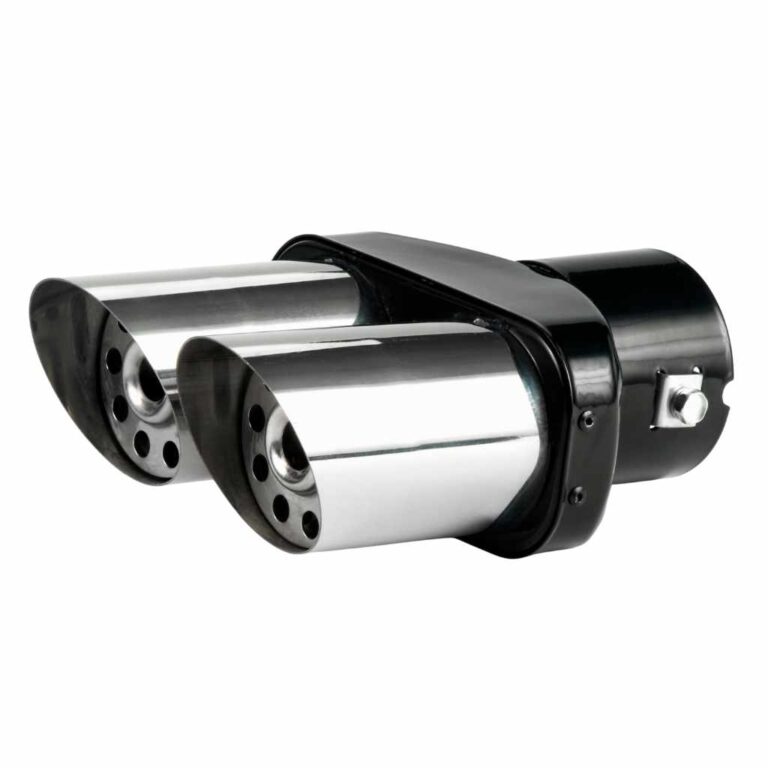
- Exhaust Tips: While primarily cosmetic, different exhaust tip designs can subtly alter the sound. However, the main sound is controlled by the muffler and resonator further up the system.
When choosing any aftermarket exhaust component, always look for products that are advertised as “street legal” or “emissions compliant” in all states, including California (as it often has the strictest standards). Reputable manufacturers will ensure their products meet these requirements.
Understanding Montana’s Vehicle Noise Laws: A Closer Look
Let’s dive a bit deeper into how Montana law addresses vehicle noise. As mentioned, there isn’t one single, easy-to-find state law that bans “loud exhausts” with a specific measurement for every car. However, the framework exists to manage and enforce noise pollution from vehicles.
MCA 61-9-411: Vehicle Equipment Generally
This section of the Montana Code Annotated is broad, stating that vehicles must be equipped with parts and accessories complying with the chapter and operating safely. While it doesn’t detail exhaust noise, a faulty or modified exhaust system that creates excessive noise could be interpreted as not complying with safe operation standards. A properly functioning muffler is part of the standard safety equipment on a vehicle.
Local Ordinances and Public Nuisance
This is where most enforcement action regarding loud vehicles is likely to occur. Cities and counties are empowered to create ordinances to protect public health, safety, and welfare. These often include:
- Noise Ordinances: Many municipalities have specific decibel limits for noise generators, including vehicles, especially during certain hours.
- Public Nuisance Laws: If a vehicle’s noise is found to be unreasonably disruptive to the community, it can be cited as a public nuisance. This is a more general but effective tool for law enforcement.
For example, a city might have an ordinance stating that no person shall operate a vehicle that emits exhaust noise in such a manner as to unreasonably disturb the peace. This gives law enforcement the authority to issue citations based on the objective loudness and disruptiveness of the exhaust sound.
The Difference Between Off-Road and Street Use
It’s worth noting that regulations for vehicles used exclusively off-road (like at designated track days or private property) are often different. However, for any vehicle driven on public roads, highways, or streets in Montana, compliance with noise regulations is generally required.
If you’re unsure about local regulations in your specific city or county, it’s always a good idea to check with your local law enforcement agency or municipal government website. They often publish their noise ordinances online or can provide information upon request.
Consequences of Illegal Exhaust Systems in Montana
Choosing to run an illegal exhaust system on your vehicle in Montana can lead to several unpleasant consequences. It’s not just about getting pulled over; it can involve fines, further vehicle inspections, and even more significant legal issues depending on the situation and local enforcement.
Common Penalties Include:
- Traffic Citations: The most common consequence is receiving a traffic ticket for a violation related to equipment or noise nuisance. These citations typically come with a fine. The amount can vary depending on the specific charge and the jurisdiction.
- Fix-It Tickets (Corrective Orders): In some cases, rather than an immediate fine, law enforcement might issue a “fix-it ticket.” This is an order requiring you to correct the violation (e.g., install a legal muffler) within a specified timeframe and then provide proof of compliance to the court or police department. Failure to do so can result in a more substantial penalty.
- Vehicle Impoundment: In extreme cases, or if you refuse to comply with orders, a vehicle with a severely deficient or illegal exhaust system could potentially be impounded.
- Increased Scrutiny: Once your vehicle has been identified as having a non-compliant exhaust, you might find yourself subject to closer scrutiny by law enforcement on future encounters.
The Financial and Logistical Costs
Beyond the immediate fines, there are other costs to consider:
- Repair Costs: You will have to pay to have a legal exhaust system installed to avoid further penalties.
- Court Costs: Fines often come with associated court costs.
- Time and Hassle: Dealing with tickets, court appearances, and required repairs takes up valuable time and can be a significant hassle.
It’s generally more cost-effective and less stressful to invest in a street-legal exhaust system from the start, or to ensure any modifications you make comply with Montana’s general requirements for vehicle noise and equipment.
Comparing Montana to Other States
Montana’s approach to exhaust laws is fairly common across the United States. Most states do not have a single, overarching law that explicitly bans all forms of “open exhaust” by name with strict decibel limits for every single vehicle type. Instead, they rely on a combination of performance standards and, more commonly, nuisance and equipment laws.
Here’s a general comparison:
| Feature | Montana | Common Approach in Many States | Stricter States (e.g., California) |
|---|---|---|---|
| Specific “Open Exhaust” Ban | No explicit state ban by name. | Generally no explicit state ban by name. | May have more specific language about muffler existence and function. |
| Reliance on Muffler | Implied requirement for safe operation and noise reduction. | Required for street vehicles. | Strictly enforced for all vehicles. |
| Enforcement Mechanism | General noise ordinances, public nuisance laws, vehicle equipment statutes. | Similar to Montana: noise ordinances, nuisance laws, equipment statutes. | Often include specific decibel limits, mandatory inspections, and stricter emissions rules tied to exhaust. |
| Decibel Limits | Not uniformly defined at the state level for all vehicles; relies on local ordinances or officer judgment. | Varies widely by municipality; some have specific limits, others rely on general disturbance laws. | Often have specific, lower decibel limits for different vehicle classes and stricter enforcement. |
| Aftermarket Exhausts | Street-legal performance exhausts are widely accepted. | Generally accepted if they meet local noise requirements. | Must meet specific California Air Resources Board (CARB) standards, which are very stringent. |
As you can see, Montana falls into the majority of states where the emphasis is on preventing a public disturbance. This means that as long as your exhaust system, even if modified for sound, doesn’t cross the line into being excessively loud or disruptive, you’re likely to be fine. The goal for most states, including Montana, is to balance vehicle modification freedom with the right of communities to peace and quiet.

Frequently Asked Questions (FAQ)
Here are some common questions beginners have about exhaust pipes in Montana:
Q1: Will I get a ticket for having a loud exhaust in Montana?
A1: You might. Montana doesn’t have a specific state law banning “open exhaust” by name, but if your exhaust is excessively loud and violates local noise ordinances or is considered a public nuisance, you can indeed be cited.
Q2: What is a resonator, and do I need one?
A2: A resonator is a part of the exhaust system that helps remove unwanted sound frequencies, like buzzing or raspiness, from your engine’s exhaust. It’s not strictly required by law, but it can help refine the sound of a performance exhaust to be more pleasant and less likely to be considered a nuisance.
Q3: Are “straight pipes” legal in Montana?
A3: “Straight pipes” that completely bypass the muffler are generally not legal for street-driven vehicles in Montana. While no specific law bans them by those exact words, they will almost certainly be too loud and fall under noise ordinances or public nuisance laws, leading to tickets.
Q4: What kind of exhaust modifications are legal in Montana?
A4: Most street-legal performance exhaust systems sold by reputable aftermarket companies are legal. These systems include mufflers and resonators designed to enhance sound and performance while staying within reasonable noise limits. Always ensure the product is advertised as street-legal.
Q5: How loud is too loud for my exhaust in Montana?
A5: Montana doesn’t set a universal decibel limit for all vehicles at the state level that’s easy for drivers to reference. It often comes down to whether the noise is considered a “public nuisance” or violates local ordinances. If it’s significantly louder than typical vehicles and disturbing people, it’s likely too loud.
Q6: Can I remove my catalytic converter in Montana?
A6: No, removing your catalytic converter is illegal in Montana and federally for vehicles driven on public roads. Catalytic converters are required for emissions control, and their removal is a serious offense under environmental regulations, often carrying significant fines. This is separate from noise regulations.
Q7: Where can I find out about specific noise laws in my town in Montana?
A7: You can typically find specific noise ordinances on your city or county’s official government website. Alternatively, you can contact your local law enforcement agency or municipal clerk’s office for information on local noise regulations regarding vehicles.
Conclusion: Keeping Your Ride Sounding Great and Legal
As we’ve explored, while Montana may not have a headline law specifically banning “open exhaust pipes,” the general framework of noise regulations, public nuisance laws, and vehicle equipment statutes means that running a muffler-less or excessively loud exhaust system on your vehicle is risky and likely illegal for street use. The goal is to enjoy your vehicle’s sound without creating a disturbance for your neighbors and community.
The good news is that you have plenty of options to achieve a more aggressive and pleasing exhaust note legally.