Does Car Insurance Cover a Broken Exhaust Pipe?
Figuring out insurance can sometimes feel tricky, especially when it comes to your car. One question that often pops up is, Does Car Insurance Cover a Broken Exhaust Pipe? For many, it seems confusing where their policy kicks in. Don’t worry, though; we’ll break it down in simple terms. We’ll explore the basics of car insurance and how it applies to this specific issue. Ready to get some answers?
The Basics of Car Insurance and Exhaust Systems
Car insurance protects you financially if your car is damaged or if you’re in an accident. There are different types of coverage, and each covers different things. For example, some policies help with damage to your car, while others cover medical expenses or damage you cause to someone else. The exhaust system, including the exhaust pipe, is a vital part of your car, responsible for removing harmful gases. Problems with the exhaust can range from simple leaks to complete system failures, each having different causes.
This section will explore the fundamental aspects of car insurance policies and how they relate to damage or issues with your exhaust system. We will explore the types of insurance that can provide protection in cases of a broken exhaust pipe. You will get a good idea of what your policy may or may not cover.
Types of Insurance and Their Coverage
Comprehensive Coverage: This type of insurance covers damage to your car from things like fire, theft, vandalism, and weather events. If something happens to your exhaust pipe due to these reasons, this coverage might help pay for repairs. For instance, if a tree falls on your car and damages the exhaust, comprehensive coverage could kick in.
Comprehensive coverage is often the broadest type of auto insurance. It safeguards against a variety of incidents beyond collisions, offering financial support for many unforeseen events. This includes damage from fire, vandalism, theft, and natural disasters.
Collision Coverage: This coverage helps pay for damage to your car if you hit another car or object, regardless of who is at fault. If a collision causes the exhaust pipe to break or become damaged, collision coverage would likely apply. This is a common situation after a car accident.
Collision coverage covers damages to your vehicle resulting from a collision with another vehicle or object. It pays for repairs to your car, even if the driver is responsible. This coverage is essential in case of accidents involving any damage to the exhaust system.
Liability Coverage: This coverage helps pay for damage or injuries you cause to others in an accident. It doesn’t usually cover damage to your car, including the exhaust pipe. Liability insurance is primarily to protect you from claims made by others, not to pay for repairs to your own vehicle.
Liability insurance covers the damages and injuries that you cause to others in a car accident. It is designed to protect your assets if you’re responsible for an accident. Liability insurance does not extend to covering damage to your car, including any damage to the exhaust system.
The Exhaust Pipe: What It Is and Why It Matters
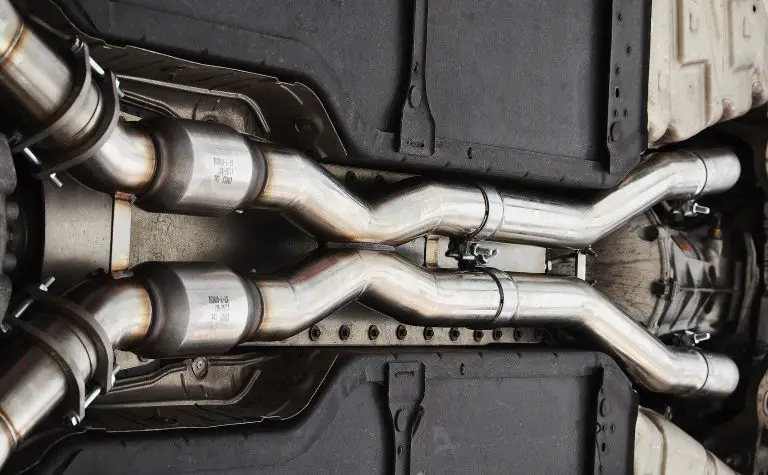
The exhaust pipe is a key part of your car’s exhaust system. It is responsible for carrying dangerous exhaust gases away from the engine. It also leads the gases out of the vehicle through the muffler and tailpipe. The exhaust pipe connects to the catalytic converter, which helps to reduce harmful emissions. Without a working exhaust pipe, your car would be noisy, polluting, and unsafe. A broken exhaust pipe can lead to engine problems, making it crucial to understand the issues surrounding its care.
Material and Construction: Exhaust pipes are made from metal, usually steel. Higher-quality systems may use stainless steel for better durability and resistance to rust. The pipe’s design helps direct exhaust gases away from the engine.
Exhaust pipes are commonly manufactured from steel due to its strength and ability to withstand high temperatures. Some exhausts are constructed from stainless steel. This material is known for its durability and resistance to corrosion.
Functionality: Its main job is to remove exhaust gases from the engine. It also directs them through the catalytic converter and muffler to reduce noise and pollution. A correctly functioning exhaust pipe ensures the car meets emissions standards.
The main function of the exhaust pipe is to transport engine exhaust. It reduces both the noise and air pollution of the engine. A faulty exhaust system can lead to serious safety and environmental problems.
Common Problems: Exhaust pipes can rust, get damaged by road debris, or break due to age or accidents. Leaks can happen at joints or welds. These issues can impact the engine’s performance. They also affect the car’s fuel efficiency.
Several issues can occur with the exhaust pipe, including rust, physical damage from road debris, or cracks due to aging. Issues can affect the overall performance, including fuel efficiency and noise levels.

Does Your Insurance Cover a Broken Exhaust Pipe?
Whether your car insurance covers a broken exhaust pipe depends on how the damage happened and the kind of insurance you have. Generally, if the damage is caused by a covered event, like a collision or something else listed in your policy, then your insurance might help pay for repairs. Reviewing your policy is the most important part; this section offers clarity.
We’ll look at different scenarios to see how insurance works in practice. This will help you understand what to expect. Understanding these details can help you file a claim if needed.
Scenarios Where Insurance Might Cover Repairs
Accident Damage: If you are in a car accident and your exhaust pipe is damaged as a result, collision coverage will help pay for the repairs, minus your deductible. This scenario is one of the most straightforward cases.
If the exhaust pipe is damaged due to a collision, collision coverage is designed to help. The policy will typically cover the cost of repairs after the deductible. This coverage is critical if you are in any type of accident.
Vandalism or Theft: If someone intentionally damages your exhaust pipe (vandalism) or steals parts of your exhaust system, your comprehensive coverage can provide coverage. This includes situations where the damage happens outside of a collision.
Comprehensive coverage often helps in cases of vandalism or theft. If vandals damage your exhaust pipe, or someone steals the catalytic converter (a valuable component of the exhaust system), comprehensive coverage may cover the repair. This protects against losses not caused by a collision.
Damage From Falling Objects: If something falls on your car, like a tree branch or other object, and damages the exhaust pipe, comprehensive coverage might also apply. These are often considered unforeseen events.
Damage from falling objects is typically covered under comprehensive insurance. This coverage protects your exhaust pipe if damaged by falling branches. It also covers other events outside of collisions.
Scenarios Where Insurance May Not Provide Coverage
Wear and Tear: Insurance usually doesn’t cover wear and tear or normal aging of the exhaust pipe. If the pipe rusts or corrodes due to age, you would be responsible for the repair costs. This is considered a maintenance issue.
Most insurance policies do not provide coverage for wear and tear. This is considered normal maintenance. If your exhaust pipe rusts or decays due to age, the policy will not cover the repair. Proper maintenance is key to prevent these issues.
Pre-Existing Damage: If you had a broken exhaust pipe before you got your insurance policy, the insurance company will not cover it. You’d need to fix the damage yourself, or through a warranty if applicable.
Insurance companies generally will not cover pre-existing damage. If the exhaust pipe was broken before your policy began, the insurance provider will not cover the cost of the repair. It’s important to report any damage before a policy takes effect.
Lack of Proper Coverage: If you only have liability coverage, which is the bare minimum, it won’t cover damage to your own vehicle. Your broken exhaust pipe would not be covered, as liability insurance only covers damage to others.
Liability coverage usually only covers damage you cause to another person’s vehicle. If you only have liability, your own vehicle’s damage will not be covered. This includes a broken exhaust pipe. It emphasizes the need for comprehensive and collision coverage.
Filing a Claim for Exhaust Pipe Damage
Filing a claim can seem intimidating, but breaking it down can make it simpler. The process usually involves several steps, from reporting the damage to providing the necessary documentation. This section covers the steps to a successful claim.
We’ll provide a step-by-step guide to reporting and filing your claim. Following the proper procedures is the easiest path to resolution.
Step-by-Step Guide to Filing a Claim
Assess the Damage: Examine the exhaust pipe to understand the extent of the damage. Take photos and make notes about what happened, when it happened, and any related circumstances. This will help with the claim process.
The first step involves a detailed evaluation of the damage to the exhaust pipe. Documentation is essential for a smooth claims process. Thorough documentation can help determine the cause of the damage.
Report the Damage to Your Insurance Company: Contact your insurance company immediately. Provide all necessary information, including the date, time, and how the damage occurred. They will assign you a claim number and guide you through the process.
The next step is to inform your insurance provider about the damage. Providing accurate and timely information is key. The insurance company will explain the next steps for filing the claim. Prompt reporting will help start the process quickly.
Gather Necessary Documentation: You’ll likely need to provide documentation such as photos of the damage, a police report (if applicable), and any repair estimates you get. The more details you give, the better.
Collecting documents can speed up the claim process. Gathering relevant information can ensure the insurance company has everything it needs. Be prepared to share all information requested to support the claim.
Get a Repair Estimate: Obtain an estimate for the repair costs from a trusted mechanic. The insurance company will usually require this to determine how much they will pay. Choose a reputable repair shop.
Getting a repair estimate is essential to determine the cost of fixing the exhaust pipe. A detailed estimate helps your insurance company assess the damage. This also allows you to compare costs and ensures a reasonable repair price.
Work with the Insurance Adjuster: The insurance company will assign an adjuster to assess your claim. Work closely with them, providing any further information or documentation they need. They will decide if the damage is covered by your policy.
Cooperating with the insurance adjuster will help settle your claim. The adjuster will assess the damage and determine if it’s covered under your policy. Provide them with all the necessary information and follow their instructions.
Essential Documentation and Information
Photographic Evidence: Take clear pictures of the damage from various angles. Make sure the photos show the full extent of the damage. This documentation can help support your claim.
Visual evidence is crucial when filing an insurance claim. Clear photos help support your claim and provide a comprehensive picture of the exhaust pipe damage. These pictures can help in the assessment.
Police Report (If Applicable): If the damage was caused by a hit-and-run, vandalism, or theft, file a police report. This is often required by your insurance company. This offers official documentation.
In cases of vandalism, theft, or hit-and-run incidents, the police report is essential. A police report is often needed for insurance claims to be processed. It is important to file these immediately.
Repair Estimates: Obtain estimates from multiple mechanics to compare prices. This ensures you’re getting a fair price. Having several quotes provides more information.
Obtaining repair estimates helps in assessing the cost of the damages. The repair costs can vary. Comparing several quotes can ensure you are getting a fair price. Multiple quotes give you choices.
Policy Information: Keep a copy of your insurance policy handy. Know your coverage limits, deductible, and any exclusions. Knowing this information can speed up the claim process.
Keeping a copy of your insurance policy will help with the claim process. Understanding your coverage details makes it easier to navigate. Make sure to review the policy details. This allows for quick information access.
Preventing Damage to Your Exhaust System
While you can’t always avoid damage to your exhaust pipe, there are steps you can take to minimize the risks. Regular maintenance, attentive driving, and safe parking practices can help prevent expensive repairs. This section presents practical measures you can use to protect your exhaust system.
We’ll talk about preventative actions, simple habits, and actions you can take to lower the chance of exhaust pipe damage. Small efforts can make a big difference.
Maintenance and Inspection Tips
Regular Inspections: Have your mechanic inspect your exhaust system during routine maintenance. Look for rust, leaks, or any signs of damage. Early detection can prevent major problems.
Regular inspections by a qualified mechanic are key to keeping your exhaust system in good condition. During these check-ups, a mechanic can look for signs of wear and tear, rust, or leaks. Early detection can help avert costly major repairs.
Listen for Unusual Noises: Pay attention to any unusual sounds from your exhaust system. Rattling, hissing, or loud noises can signal a problem. Don’t ignore these sounds; get them checked out.
Listen for odd noises coming from the car’s exhaust system. Rattling, hissing, or a loud sound can signal a problem. Being aware of these sounds and checking them out can prevent bigger problems.
Check for Exhaust Leaks: Look for signs of exhaust leaks, like a smell of exhaust fumes inside your car, or water dripping from the exhaust pipe. Fix leaks quickly because they can be dangerous.
Check your car regularly for exhaust leaks. Signs include smelling exhaust fumes inside the car or water dripping from the exhaust pipe. Addressing leaks quickly can reduce air pollution and prevent harm.
Keep the Exhaust System Clean: Regularly clean your exhaust pipe. Make sure there is no debris that may cause damage or corrosion. Proper care keeps your system in shape.
Cleaning your exhaust pipe and the surrounding areas regularly can extend its lifespan. Debris can lead to corrosion. Keeping your exhaust system clean will help.
Driving Habits to Protect Your Exhaust Pipe
Avoid Rough Terrain: Stay away from roads with potholes, debris, or other hazards that could damage your exhaust pipe. If you have to drive on rough roads, go slow. This lowers your risk of damage.
Reduce the risk of damage by avoiding roads with potholes, debris, and other hazards. When driving on rough terrain, go slow to avoid potential impact damage to the exhaust pipe and other key components.
Drive Carefully Over Speed Bumps: Go slowly over speed bumps. This helps to prevent your exhaust pipe from being scraped or damaged. Approach speed bumps at a reduced speed.
Approach speed bumps and other road obstacles slowly. This prevents the exhaust pipe from scraping against the road surface. Slowing down can help protect the exhaust system from damage.
Be Mindful of Road Debris: Keep an eye out for road debris like rocks, metal objects, or pieces of tire that could hit the underside of your car and damage the exhaust system. Watch for hazards.
Pay close attention to road debris that could impact the underside of your vehicle. Rocks, metal objects, or tire pieces can cause exhaust system damage. Remain vigilant on the road to avoid road hazards.
Regular Inspections: Have your mechanic inspect your exhaust system during routine maintenance. Look for rust, leaks, or any signs of damage. Early detection can prevent major problems.
Regular inspections by a qualified mechanic are key to keeping your exhaust system in good condition. During these check-ups, a mechanic can look for signs of wear and tear, rust, or leaks. Early detection can help avert costly major repairs.
Safe Parking Practices
Park on Paved Surfaces: Park your car on paved surfaces whenever possible, as this reduces the risk of your exhaust pipe coming into contact with objects on the ground. This also minimizes exposure to moisture.
When parking, choose paved surfaces over unpaved areas. This reduces the risk of the exhaust pipe coming into contact with rocks or other ground debris. Paved surfaces keep the vehicle’s underside safe.
Avoid Parking in High-Risk Areas: Avoid parking in areas where there’s a higher chance of vandalism or theft, such as poorly lit areas or neighborhoods known for crime. These areas increase the risk of damage.
Be aware of where you park. Avoid areas with higher risks of crime and vandalism, like poorly lit or high-crime neighborhoods. Protecting your vehicle from theft is important to consider.
Park Away from Hazards: Park away from potential hazards, such as areas with construction or areas with large amounts of debris. This practice will prevent your vehicle from being damaged.
Carefully choose parking spots away from construction zones or areas with road debris. These areas present a greater chance of exhaust pipe damage. Taking a few extra seconds to park will protect your vehicle.

Frequently Asked Questions
Question: Does my insurance cover a broken catalytic converter?
Answer: It depends on your insurance. If the damage to the catalytic converter is caused by a covered event like a collision, vandalism, or theft, your policy might cover it, usually under comprehensive or collision coverage. However, if it’s due to wear and tear, it might not be covered.
Question: What is the deductible in relation to exhaust pipe repairs?
Answer: The deductible is the amount you pay out of pocket before your insurance starts covering the repair costs. If your policy covers exhaust pipe repairs, you’ll need to pay the deductible, and the insurance will cover the remaining costs up to your policy limits.
Question: Will my insurance rates increase if I file a claim for a broken exhaust pipe?
Answer: It depends on your insurance company and the circumstances of the claim. Generally, if the damage was due to an accident where you were at fault, your rates might increase. However, if it was due to a non-fault event (vandalism, theft, etc.), your rates may not change.
Question: How can I find a good mechanic to repair my exhaust pipe?
Answer: Look for mechanics with good reviews and certifications. Ask friends, family, or online for recommendations. Always get quotes from multiple mechanics before making a decision. Ensure they have experience with exhaust system repairs.
Question: Can I drive my car if the exhaust pipe is broken?
Answer: It’s best to avoid driving with a broken exhaust pipe. It can cause dangerous fumes to enter the car. It can also cause a loud noise, and it can affect the car’s performance. It is recommended to have it repaired immediately.
Final Thoughts
Understanding whether car insurance covers a broken exhaust pipe boils down to knowing your policy and the cause of the damage. Coverage typically depends on the type of insurance you have and how the damage occurred. Remember that comprehensive coverage often protects you from incidents like vandalism or falling objects, while collision coverage handles accident-related damage. Keeping your exhaust system well-maintained and following safe driving practices can significantly lower the risk of expensive repairs. Always assess the damage, report it promptly, and gather necessary documents when filing a claim. By taking these actions, you can navigate the insurance process more smoothly and protect your vehicle.