Do Not Heat Tape Titanium Exhaust Pipes: Essential Guide
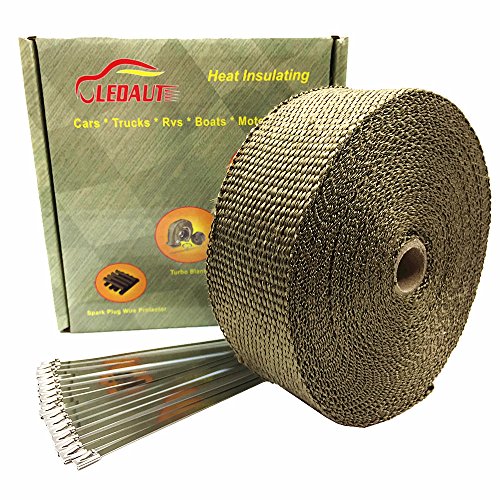
LEDAUT
LEDAUT 2" x 50' Titanium Exhaust Heat…
- 2"X50' Titanium Wrap with (pack of 16) Stainless Steel(304) Locking Ties.
- Before installing, soak the header heat wrap in water so that the fiberglass will not flying about. Wear gloves to avoid itching.…
- High resistance to abrasions, oil spills, temperatures and vibration breakdown.
As an Amazon Associate I earn from qualifying purchases.
You should absolutely not use traditional heat tape or wraps on titanium exhaust pipes. Titanium is naturally thin, strong, and highly resistant to extreme heat compared to stainless steel, meaning excessive wrapping can trap internal heat, leading to overheating, premature failure of surrounding components, and negative performance impacts.
Hello there! I’m Monowar Shohag, and I know diving into exhaust work can feel confusing, especially when you start dealing with high-tech materials like titanium. You might have heard about using insulating wraps or heat tape on traditional steel exhausts to keep heat away from the car body. This seems smart, right? But when it comes to modern titanium pipes, the rules change completely. Using the wrong insulation can actually cause more harm than good! Worry not; this guide is here to clear up the confusion. We will walk through exactly why standard heat taping is a big “no-no” for titanium and what smart alternatives you should use instead. Let’s get your titanium looking great and running perfectly safely!
Why Titanium Is Different From Standard Exhaust Metals
Understanding titanium’s unique properties is the key to knowing why heat wrapping is usually a bad idea. Most factory or aftermarket exhausts are made from stainless steel. Titanium is a premium material often chosen for high-performance or custom builds because of what it offers.
The Strength and Weight Advantage
Titanium is famously lightweight. This amazing weight savings is a huge draw for racers and enthusiasts wanting to shave pounds off their vehicle. It’s also incredibly strong for its weight.
Titanium’s Natural Heat Resistance
This is the most important part. Titanium has a naturally much higher melting point and heat tolerance than standard 304 or 409 stainless steel.
It handles higher operating temperatures without structural compromise.
It cools down faster than thicker, denser steel pipes.
Because it handles heat so well naturally, it often doesn’t need the extra help that steel requires.
The Dangers of Heat Taping Titanium Exhaust Pipes
When you apply heavy layers of conventional fiberglass heat tape (often called exhaust wrap) to titanium, you interfere with the way the metal manages heat. This interference creates several serious problems.
Trapped Heat and Overheating Risks
Titanium is designed to shed heat efficiently into the surrounding air. When you wrap it tightly, you trap that intense heat right against the pipe surface.
1. Internal Stress: Keeping the metal hotter for longer increases thermal cycling—the heating up and cooling down process. This constant stress can eventually lead to microscopic cracks, especially around welds.
2. Component Damage: The trapped heat doesn’t just stay in the pipe. It radiates outward extremely effectively, raising the temperature of nearby vital components. This includes sensitive wiring harnesses, rubber hoses, fuel lines, and even nearby suspension bushings. These parts are not designed to handle the extra, concentrated heat.
Corrosion and Discoloration Issues
Titanium changes color dramatically as it gets hot—this is often seen as a desirable aesthetic feature (going from silver to gold, bronze, or blue). However, how it changes color is directly related to its surface temperature.
If you use traditional fiberglass wraps:
They often hold moisture against the titanium surface.
This moisture, when heated repeatedly, can accelerate surface corrosion or etching, affecting the unique finish you might be trying to preserve.
Furthermore, the wrap itself can decompose or leave behind residues when exposed to the extreme internal temperatures of a titanium system, which can then stain the metal underneath permanently.
Impact on Performance
While some believe wrapping keeps exhaust gases hotter (which speeds flow), over-insulating titanium can cause issues with sensors and overall engine tuning. Modern engines rely on precise readings from oxygen sensors located in the exhaust stream. Overheating the area around these sensors can cause them to read incorrectly, potentially leaning out your fuel mixture or causing the Engine Control Unit (ECU) to throw error codes.
When to Consider Insulation and Appropriate Alternatives
Since standard wrapping is risky, what should you do if you genuinely have clearance issues or need specific heat reflection? There are much better, newer technologies designed for the unique demands of high-end materials.
Understanding the Need for Heat Management
You generally only need to manage heat if:
Your titanium pipe closely hugs a sensitive vehicle chassis component at a very tight gap (less than one inch).
You are running race fuel or extremely high boost setups where under-hood temperatures are significantly higher than stock.
Superior Alternatives to Standard Heat Tape
Instead of trapping heat on the pipe, modern solutions focus on reflecting heat away from nearby objects. This is often called a “heat shield” approach, not an “insulation wrap” approach.