How to Apply Heat Tape to Motorcycle Exhaust: Step-by-Step Guide
If you want to protect your motorcycle’s exhaust and boost its performance, applying heat tape is a smart move. But how do you do it right?
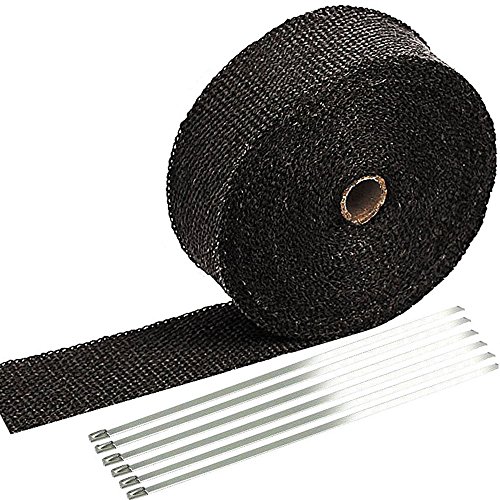
SunplusTrade
SunplusTrade 2" x 50' Black Exhaust Heat…
- Package includes one 2 inch X 50 feet Heat Wrap with (pack of 6) 12" Stainless Steel (304) Locking Zip Ties.
- The exhaust heat wrap tape can withstand 1400F direct/2000F radiant heat.
- High resistance to abrasions, oil spills, temperatures and vibration breakdown
As an Amazon Associate I earn from qualifying purchases.
You might be wondering where to start or if it’s even worth the effort. This guide will walk you through each step clearly and simply, so you can wrap your exhaust like a pro. By the end, you’ll see how easy it is to reduce heat damage and keep your bike running cooler.
Ready to give your motorcycle the upgrade it deserves? Let’s dive in.
Benefits Of Heat Tape For Exhaust
Heat tape on a motorcycle exhaust offers several key benefits. It helps in controlling the temperature and protects parts. Riders often use it to improve how their bike runs and lasts longer. This section explains the main advantages of using heat tape.
Improved Performance
Heat tape keeps exhaust gases hotter inside the pipes. Hotter gases flow faster, improving engine efficiency. This can lead to better throttle response and power output. The engine breathes easier, making rides smoother and more fun.
Heat Protection
Heat tape shields nearby parts from extreme heat. It lowers the temperature around the exhaust pipes. This protects cables, plastic parts, and paint from damage. It also helps prevent burns when touching the bike.
Enhanced Durability
Wrapping exhaust pipes reduces metal fatigue and cracking. The tape limits heat cycles that wear out the pipes. It also reduces rust by keeping moisture off the metal. This makes the exhaust last longer and stay strong.
Choosing The Right Heat Tape
Choosing the right heat tape is key to protecting your motorcycle exhaust. The right tape controls heat and prevents damage. It also improves performance and safety. Picking the correct type ensures long-lasting results and easy installation.
Material Types
Heat tape comes in various materials. Fiberglass is common and affordable. It handles moderate heat well. Titanium tape is stronger and lighter. It resists very high temperatures. Stainless steel tape offers great durability. It is tougher but heavier. Choose material based on heat and weight needs.
Length And Width Options
Heat tape length affects coverage. Measure your exhaust before buying tape. Longer tape covers more surface and overlaps well. Width matters for heat control. Narrow tape fits tight spots. Wide tape covers more area quickly. Pick size based on exhaust shape and size.
Heat Resistance Ratings
Heat resistance shows maximum temperature tape can handle. Most tapes resist between 1000°F and 2000°F. Higher ratings suit hotter exhaust pipes. Check product labels for temperature limits. Using tape with low resistance can cause burns or failure. Choose tape with rating above your exhaust heat level.
Preparing The Exhaust
Preparing the motorcycle exhaust is a key step before applying heat tape. A clean and dry surface helps the tape stick better. This also makes the tape last longer and work effectively. Follow these simple steps to get the exhaust ready.
Cleaning The Surface
Start by wiping the exhaust with a cloth. Remove dirt, oil, and grease spots. Use a mild cleaner if needed. This clears the surface for better tape grip. Clean surfaces prevent bubbles under the tape.
Removing Rust And Debris
Check the exhaust for rust or loose debris. Use sandpaper or a wire brush to scrub off rust. Clear all flakes and dirt. A smooth surface helps the tape wrap tightly. Rust can cause the tape to peel off.
Drying The Exhaust
Make sure the exhaust is completely dry. Use a dry cloth or let it air dry. Moisture under the tape can cause it to fail. Drying also avoids rust forming under the tape. Wait until no wet spots remain before wrapping.

Tools And Materials Needed
Applying heat tape to a motorcycle exhaust requires specific tools and materials. Having the right items makes the process safe and easy. Prepare everything before you start for smooth work.
Heat Tape
Choose high-quality heat tape made for exhaust pipes. It should resist high temperatures and wear. Good heat tape protects the pipe and improves performance.
Protective Gloves
Wear protective gloves to keep your hands safe. Heat tape can irritate skin and cause burns. Gloves also help to hold the tape firmly without slipping.
Clamps Or Zip Ties
Use clamps or zip ties to secure the heat tape. They keep the tape tight and in place. Metal clamps are strong, but zip ties work well for quick fixes.
Scissors Or Knife
Cut the heat tape with sharp scissors or a knife. Clean cuts make wrapping easier and neater. Be careful to avoid injury while cutting.
Step-by-step Wrapping Process
Applying heat tape to a motorcycle exhaust needs care and precision. This step-by-step process helps you wrap the tape properly. Each step ensures the tape stays secure and protects the exhaust well. Follow these clear instructions to get the best results.
Starting Point Selection
Begin wrapping at the exhaust pipe’s end near the engine. This spot is hottest and needs most protection. Make sure the pipe is clean and dry before starting. Avoid wrapping near moving parts or joints. Choose a place that lets you wrap smoothly.
Wrapping Technique
Hold the tape at a 45-degree angle to the pipe. Wrap tightly around the pipe, overlapping each layer by half. This overlap creates a strong, even cover. Move slowly and keep the tape flat. Avoid gaps or wrinkles for better heat resistance.
Maintaining Tension
Keep the tape tight during wrapping. Use firm pressure with your hands. This stops the tape from loosening over time. If loose, the tape can fall off or let heat escape. Check tension often and adjust as needed.
Securing The Ends
Finish by wrapping extra tape around the end. Use stainless steel zip ties or clamps to secure it. Make sure the ends are fastened firmly. This prevents the tape from unwrapping or fraying. Trim any loose edges for a clean look.
Safety Tips During Application
Applying heat tape to a motorcycle exhaust requires careful attention to safety. This task involves heat and sharp edges. Taking simple safety steps protects your skin and lungs. It helps prevent accidents and injuries.
Using Gloves
Wear gloves to protect your hands from cuts and burns. Heat tape has sharp edges that can hurt your skin. Gloves also keep your hands clean from oils and dirt. Use thick, heat-resistant gloves for the best protection.
Working On A Cool Exhaust
Always work on a cool exhaust pipe. A hot pipe can burn your skin easily. Wait for the motorcycle to cool down completely. This reduces the risk of burns and makes the tape stick better.
Proper Ventilation
Work in a well-ventilated area to avoid breathing fumes. Some heat tapes release small amounts of smoke or odor. Fresh air keeps the space safe and comfortable. Open windows or use a fan to improve airflow.
Aftercare And Maintenance
Applying heat tape to your motorcycle exhaust is only part of the job. Proper aftercare and maintenance keep the tape working well and lasting longer. This section covers key steps to care for your heat tape after installation. Follow these tips to protect your exhaust and keep your bike running smoothly.
Initial Heating Procedure
Start the bike and let it run for 15 to 20 minutes. This heats the tape slowly and helps it settle. Avoid revving the engine during this time. The heat activates the tape’s adhesive and improves its fit. This step reduces the risk of the tape loosening later.
Regular Inspections
Check the heat tape every few weeks. Look for signs of wear, fraying, or loosening. Make sure the tape stays tight around the exhaust pipe. Replace or adjust any loose sections quickly. Early checks prevent bigger problems and keep the tape effective.
Rewrapping When Necessary
Over time, heat tape can wear out from heat and weather. Remove the old tape if it looks damaged. Clean the exhaust pipe before applying new tape. Follow the original wrapping steps carefully. Rewrapping keeps your exhaust protected and maintains bike performance.
Frequently Asked Questions
What Is The Purpose Of Heat Tape On Motorcycle Exhaust?
Heat tape helps reduce exhaust heat, protecting nearby parts and improving rider comfort. It also enhances exhaust efficiency and prevents heat damage.
How Do I Prepare The Exhaust Before Applying Heat Tape?
Clean the exhaust thoroughly to remove dirt, grease, and rust. Use a degreaser and dry completely for better tape adhesion.
Can I Apply Heat Tape To A Hot Motorcycle Exhaust?
No, always apply heat tape on a cool exhaust. Applying on a hot surface can cause improper adhesion and safety risks.
How Long Does Heat Tape Last On Motorcycle Exhaust?
Heat tape typically lasts 1 to 3 years. Its longevity depends on quality, installation, and exposure to extreme heat.
Conclusion
Applying heat tape to your motorcycle exhaust protects parts and improves safety. Wrap the tape tightly and secure it well to avoid damage. Take your time to cover all hot areas evenly. Regular checks keep the tape in good shape and working properly.
This simple step helps your bike run cooler and lasts longer. Try it carefully, and enjoy a safer ride every time.
Related pick: Check today's price on Amazon